

short course
Candida & Yeast Balance
Infection Support
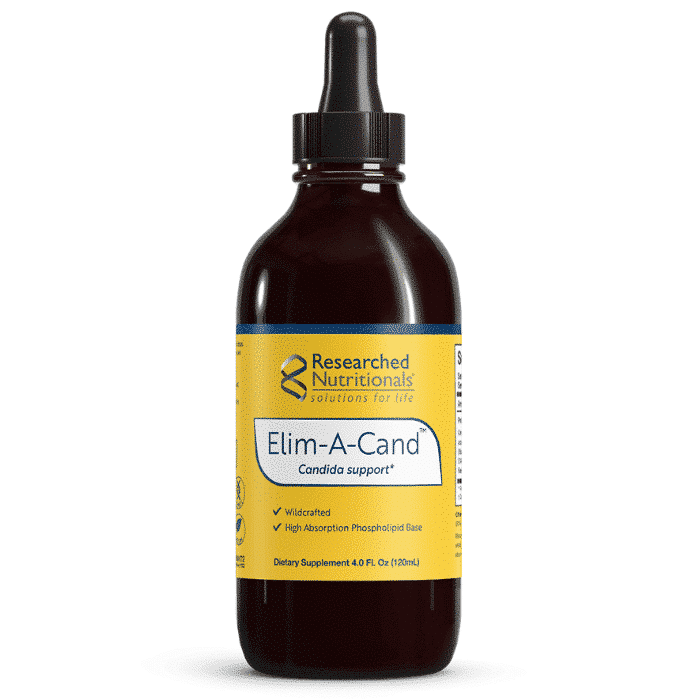
A targeted herbal tincture that supports a healthy microbial balance in the intestines. Seven herbs in a phospholipid delivery system, vegan and GMO-free.



10% off all supplements
Use code at checkout
MARTYROSS10


Opens Femologist.com in a new tab
TreatLyme and Dr. Marty Ross, MD, are affiliated with Femologist. We may earn a commission on purchases made through this link or code.
Quick Facts
Key Ingredients
Proprietary Herbal Blend 350 mg
Third-party Testing
Dietary

Non-GMO

Vegan

Written by

Dr. Marty Ross, MD
Updated
September 24, 2026
Dr. Ross's Expert Review
Intestinal yeast imbalance is one of the most common problems I see in my practice. It shows up as fatigue, bloating, gassiness, and loose stools. I often suggest Elim-A-Cand as part of a physician-directed plan for healthy yeast balance.
Elim-A-Cand is a liquid herbal tincture from Researched Nutritionals. It combines seven herbs that work together: cinnamon bark, clove bud, marshmallow root, Pau D’Arco bark, slippery elm bark, berberine, and stillingia. In my read of the ingredients, some promote healthy levels of intestinal yeast and biofilms. Marshmallow root and slippery elm calm irritated intestinal linings. The blend also promotes healthy cytokine levels.
The tincture is delivered in a phospholipid system, which may improve absorption of the key ingredients. It is extracted with organic cane alcohol, which I consider the right approach for alkaloid-containing roots and barks. Shake the bottle before use, because sediment is normal in herbal extracts and in no way compromises quality.
Start low and go slow. I usually have people begin with 3 to 5 drops in a few ounces of water, morning and evening, and increase by 3 to 5 drops every other day. It takes 10 to 14 days to reach the full dose of 40 drops twice a day. Some physicians work patients up to a double dose of 80 to 90 drops twice a day, but only after the first weeks are tolerated. Take it away from meals. If nausea shows up, dose it 15 to 30 minutes after a light carbohydrate snack.
Be aware that some people react to yeast-balancing herbs with a die-off type reaction: headache, fatigue, more bloating. If that happens, the pace was too fast. Drop back to the last tolerable dose. In my practice I open detox pathways and use binders before and during this kind of regimen, and many physicians add liposomal glutathione for a few days before starting. Do not use this product while pregnant or nursing, and if there is a history of reacting to medicines or supplements, review it with a physician first.
These statements have not been evaluated by the Food and Drug Administration. This product is not intended to diagnose, treat, cure, or prevent any disease. Dr. Ross has a financial relationship with the Femologist store, where this product is sold.
How I Use It in My Practice
In my practice, Elim-A-Cand is one of my workhorse herbs for people with intestinal yeast imbalance during or after a Lyme care regimen. I start people at 3 to 5 drops in 1 to 3 ounces of water, morning and evening, and increase every other day by the same amount until they reach 40 drops twice a day. I have people take it away from meals, usually 45 minutes before or two hours after eating. For my most sensitive patients I start with one drop once a day, or even every other day, and go up from there. I often pair it with a binder, opening detox pathways before the ramp. If someone has a die-off reaction, I drop back to the last tolerable dose and hold there. I usually keep it going for several months and layer in probiotics once the worst yeast symptoms settle.
This reflects Dr. Ross's clinical experience and is educational, not medical advice. Work with your treating physician before starting, stopping, or changing any supplement or medication.
The Research, in Dr. Ross's Words
In my read of the research behind Elim-A-Cand, the ingredient with the deepest literature is berberine. A 2025 review covers berberine as a broad-spectrum antifungal, describing how it disrupts fungal membranes and inhibits CYP51. A 2024 study found berberine made drug-resistant Candida albicans more sensitive to fluconazole through calcium regulation and efflux pump inhibition. Those are laboratory and mechanism findings, not trials of this product, and I treat them as support for berberine’s role, not proof of what a blend does in a person.
Pau D’Arco has one paper here worth noting: a 2016 assessment of lapachol derivatives found antifungal activity against Candida species in vitro. That is again a lab finding about a compound, not a clinical trial of the bark in a tincture.
The product brief’s science section points to a master reference file for cinnamon, clove, marshmallow root, slippery elm, and stillingia rather than specific published trials, so I cannot ground a science review for those ingredients. Most of what supports the full blend of ingredients rests on traditional use, the individual ingredient mechanisms, and my clinical observation. Where the cited work agrees is that berberine and the lapachol compounds show antifungal activity in the lab. What we do not have are human trials of this seven-herb combination.
References
From:
Researched Nutritionals
Elim-A-Cand™ is a targeted herbal tincture that supports a healthy microbial balance through multiple mechanisms.
Candida Support*
Fungal overgrowth, including yeast, can appear throughout the body, and it is often associated with the intestinal tract. As with many antibiotics, some traditional antifungals are becoming less effective when relied on as a singular treatment plan. Many doctors are looking at other approaches, especially those that utilize multiple mechanisms of action to better support their patients' needs. Elim-A-Cand™ is a targeted herbal tincture that supports a healthy microbial balance through multiple mechanisms. Our product formulators saw that there was a need for a multi-ingredient product that incorporates the latest ingredient research and delivers the herbal tincture in a phospholipid delivery system for optimal absorption.
Mechanisms of Action*
• Balanced Organ Support – developed to promote healing and multi-organ support*
• Peak Absorption – phospholipid delivery complex for maximum nutrient absorption*
• Superior Herbal Extraction Process – organic cane alcohol is the preferred extraction process for alkaloid-containing roots & barks*
What to Expect: Patient reaction to these advanced microbial balancers is similar to what one experiences when starting immune support protocols: some patients experience a "Herxheimer" reaction while others do not. However, a patient who reacts to antibiotics and/or other nutritional protocols should start slowly.
Suggested Detox Protocol: As with other immune support protocols, doctors open detoxification pathways and provide binders to move toxins out of the body. Many doctors incorporate Tri-Fortify® liposomal glutathione (1 teaspoon per day) for at least three days prior to commencing and during microbial treatment.
Directions of Use
As with any new nutritional supplement, patients should start slowly. For best results, take away from meals and add to 1-3 ounces of water. If patient experiences nausea, have the patient dose the product 15-30 minutes after a light carbohydrate snack.
STARTING DOSE FOR ADULTS
Days 1-3: 3-5 drops in 1-3 ounces of water in the morning and again in the evening.
Days 4 & beyond: Increase 3-5 drops every other day, in both morning and evening doses.
FULL DOSE FOR ADULTS
This would take 10-14 days to get to full dose of 40 drops in each the morning and the evening.
Another dosing strategy used by many doctors is to have patients work up to a double dose (80 – 90 drops twice per day).
SENSITIVE PATIENTS
Begin with detox protocol mentioned above.
Start with 1 drop in 1-3 ounces of water once per day, and slowly increase dose as your body is able to do so.
As each person's body responds uniquely to any nutraceutical/pharmaceutical product, it is important to follow your healthcare professional's dosing recommendations.
Does not contain
Cautions: Do not use while pregnant or nursing.
Proposition 65 Warning for California Consumers: This product contains herbs and / or minerals which come from the soil. As such, it may contain small amounts of naturally occurring chemicals. CA WARNING: Can expose you to lead, a reproductive toxicant. See www.P65Warnings.ca.gov/food
Excerpted from Researched Nutritionals's product information. These statements have not been evaluated by the Food and Drug Administration.
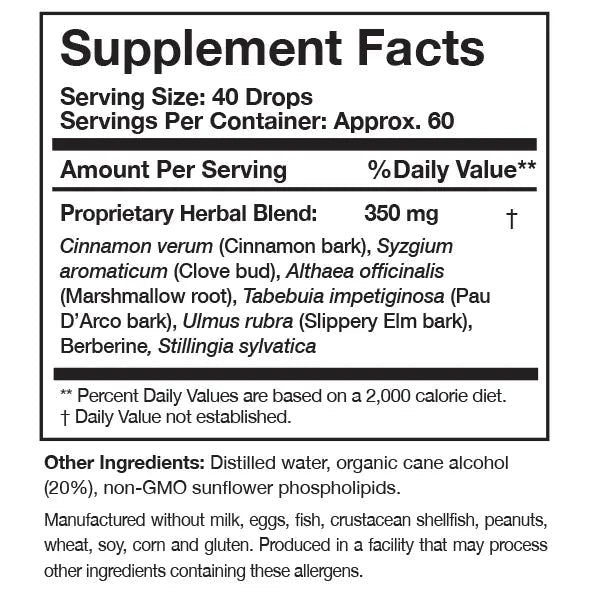
Supplement Facts
Serving Size: 40 Drops
Servings Per Container: Approx. 60
| Amount Per Serving | Amount | |
|---|---|---|
Proprietary Herbal Blend Cinnamon verum (Cinnamon bark), Syzygium aromaticum (Clove bud), Althaea officinalis (Marshmallow root), Tabebuia impetiginosa (Pau D-Arco bark), Ulmus rubra (Slippery Elm bark), Berberine, Stillingia sylvatica | 350 mg | |
Common Questions about Elim-A-Cand
Answers are general educational information, not medical advice for your situation.
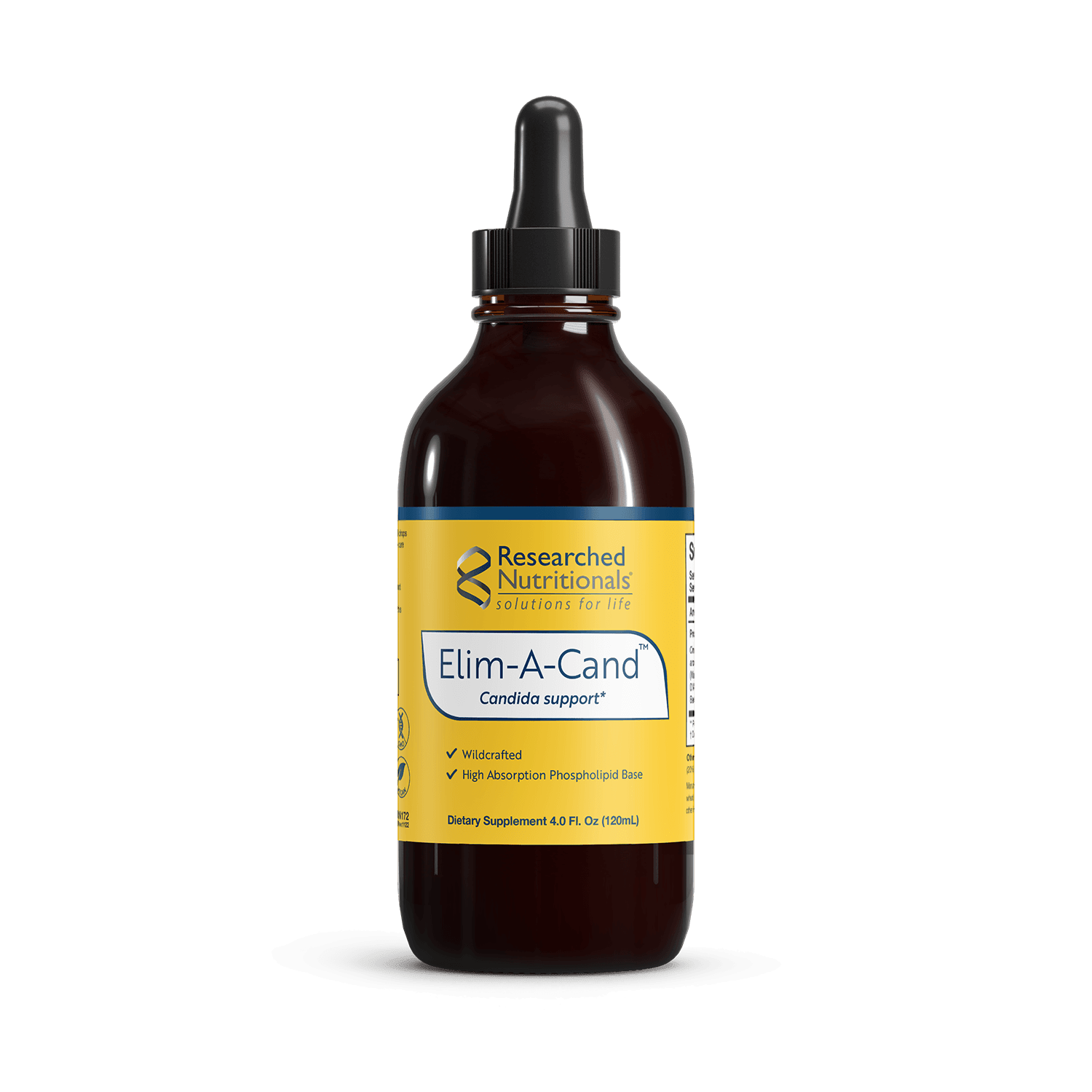
Elim-A-Cand
By Researched Nutritionals
From $79.98 · Save 10% with code MARTYROSS10


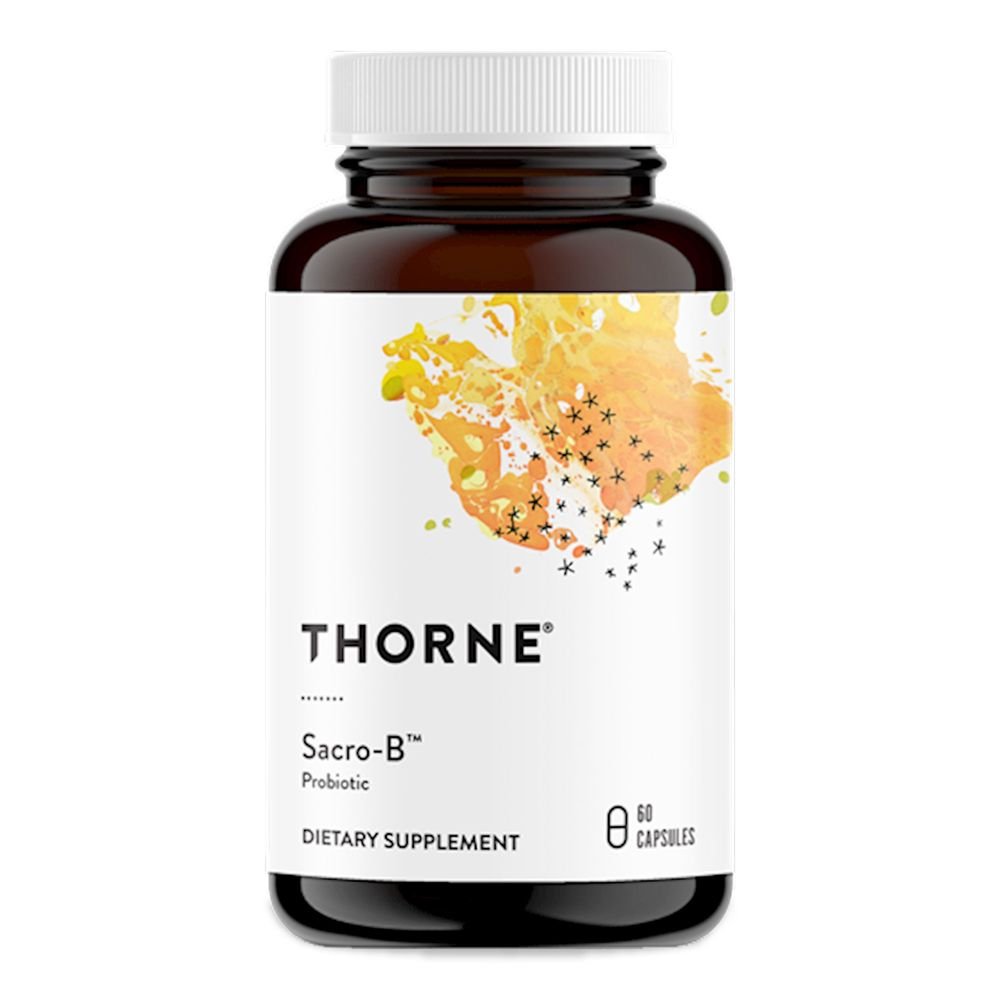
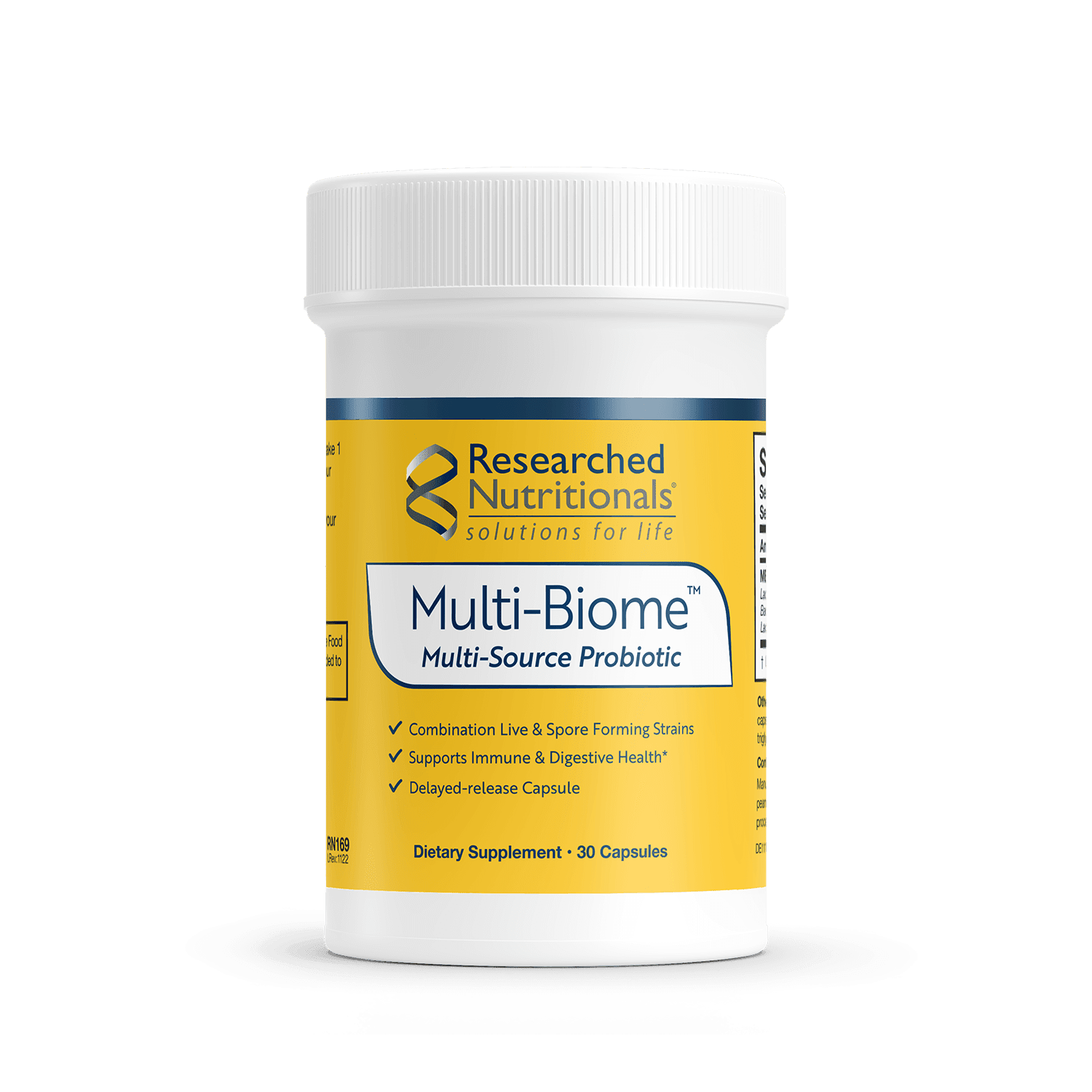
Multi-Biome
Probiotic and prebiotic blend to reseed intestinal flora after a yeast regimen.
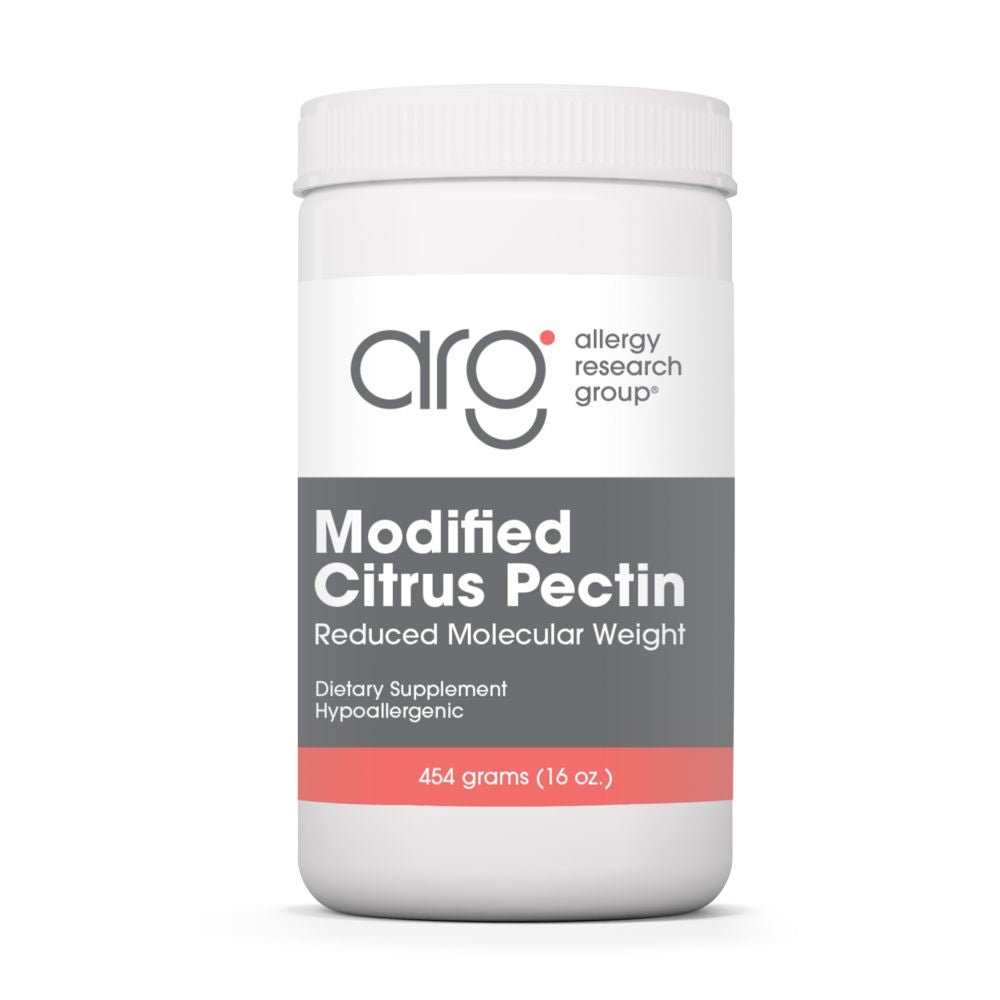
Modified Citrus Pectin
System cleanse pick in the same yeast balance topic for detox support.
Guide
Kills & Prevents Yeast: A Brief Guide
Dr. Ross's feed, seed, and weed approach to intestinal yeast, this product's core use.

Guide
Action Guide—Medicine Hyper-reactivity & Sensitivity
His guide for people who react to medicines and supplements, key for tincture ramping.
Guide
How to Manage Extreme Sensitivity in Lyme Disease or Mold Toxicity
Covers sensitive-patient dosing strategies relevant to this product's slow ramp.