
short course
Infection Support
Persister Cell Support
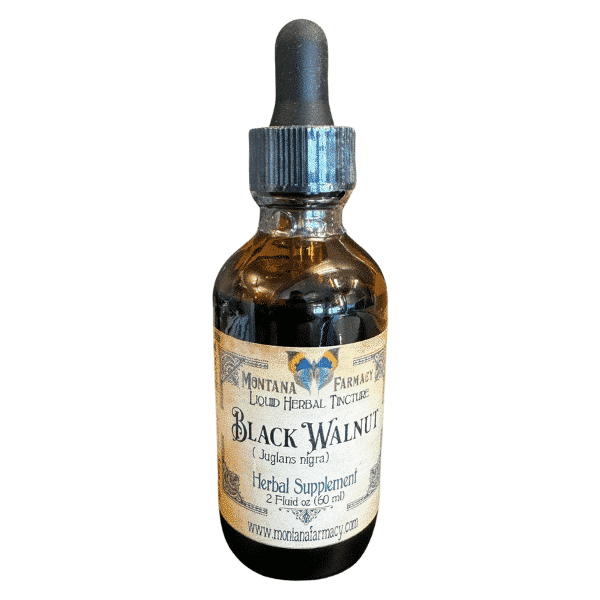
An herbal tincture from Montana Farmacy. Black walnut supports healthy microbial balance in the intestines, helps maintain the body's natural parasite defenses, and supports healthy immune function as part of traditional herbal protocols.



10% off all supplements
Use code at checkout
MARTYROSS10


Opens Femologist.com in a new tab
TreatLyme and Dr. Marty Ross, MD, are affiliated with Femologist. We may earn a commission on purchases made through this link or code.
Quick Facts
Key Ingredients
Black Walnut (Juglans nigra) 140 mg
Third-party Testing
Dietary

Written by

Dr. Marty Ross, MD
Updated
September 24, 2026
Dr. Ross's Expert Review
Black walnut, or Juglans nigra, is one of the older tools in traditional herbal medicine, and it is one of the herbs Stephen Buhner wrote about. Montana Farmacy makes this tincture the traditional way: the plant at a 1:5 ratio, organic cane alcohol and water, small batches, nothing else.
People know black walnut best for intestinal parasite support. But laboratory work also shows the hull constituents, including juglone and its tannins, act against a range of microbes . That is bench science, not clinical proof.
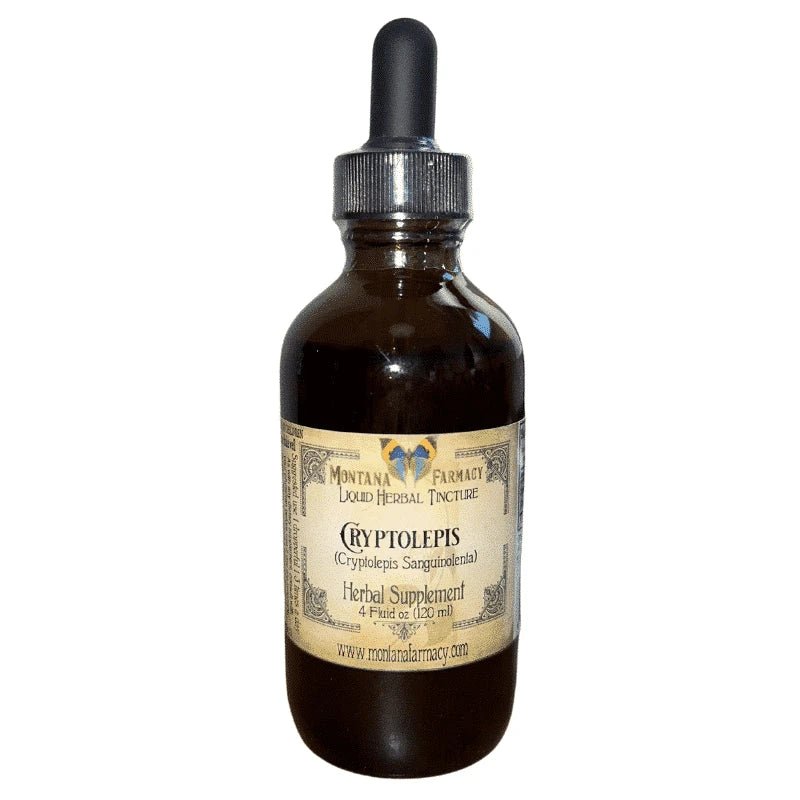
So where do I use it? As part of a broader herbal regimen for intestinal microbial balance or systemic microbial balance, usually alongside other herbs rather than alone. People in traditional protocols often pair it with wormwood or with herbs like Japanese knotweed and cryptolepis. When an herbal regimen stirs up die-off, people feel it: fatigue, headaches, aching, sometimes gut upset. Start low and go slow, and keep your physician in the loop, especially if prescription medicines are part of your plan.
The label suggests 30 drops twice a day. In my practice I start people lower and work up. Avoid it during pregnancy.
These statements have not been evaluated by the Food and Drug Administration. This product is not intended to diagnose, treat, cure, or prevent any disease. Dr. Ross has a financial relationship with the Femologist store, where this product is sold.
How I Use It in My Practice
I use black walnut tincture as part of an herbal intestinal or systemic microbial balance support plan, not as a stand-alone. The label suggests 30 drops twice a day; I usually start people with less and increase over one to two weeks as tolerated. When someone feels die-off, I hold the dose or drop back rather than push through. I keep it out of the plan during pregnancy. Anyone on prescription medicines should review it with their physician first.
This reflects Dr. Ross's clinical experience and is educational, not medical advice. Work with your treating physician before starting, stopping, or changing any supplement or medication.
The Research, in Dr. Ross's Words
In my read of this research, the case for black walnut is early and almost entirely laboratory based, but it points in a consistent direction. The study most relevant to my patients screened a panel of botanical extracts against the persister form of Borrelia burgdorferi in the test tube, and black walnut was among the extracts with activity. Work on the plant itself identifies tannins and other compounds with antibacterial activity. Juglone, the best known of these, has been studied for broad antimicrobial action and for effects on Candida growth and biofilm.
Here is the candid part. None of these papers are human clinical trials. A test tube result does not tell us what a tincture does in a person, and I do not use black walnut as a stand-alone. I value it as one part of a broader herbal plan, in line with its long traditional use, and I hold the claims loosely. I avoid it in pregnancy, and anyone taking prescription medicines should review it with their physician first.
References
From:
Montana Farmacy
This Black Walnut (Juglans Nigra) Tincture is in the traditional 1:5 ratio recommended by master herbalist Stephen Buhner (Buhner Herbs). Handcrafted in small batches, Montana Farmacy offers quality herbal tinctures – and this Black Walnut tincture is no exception.
Directions of Use
For the best directions, discuss this product with your physician or healthcare provider. Take 30 drops 2 times a day.
Does not contain
Avoid during pregnancy.
Excerpted from Montana Farmacy's product information. These statements have not been evaluated by the Food and Drug Administration.
Supplement Facts
Serving Size: 0.7 mL
Servings Per Container: about 84
| Amount Per Serving | Amount | |
|---|---|---|
Black Walnut (Juglans nigra) | 140 mg | |

Common Questions about Black Walnut
Answers are general educational information, not medical advice for your situation.
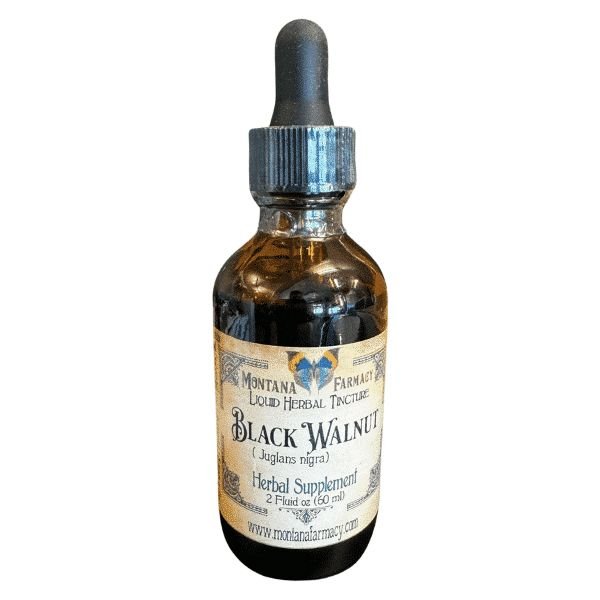
Black Walnut
By Montana Farmacy
From $25.00 · Save 10% with code MARTYROSS10
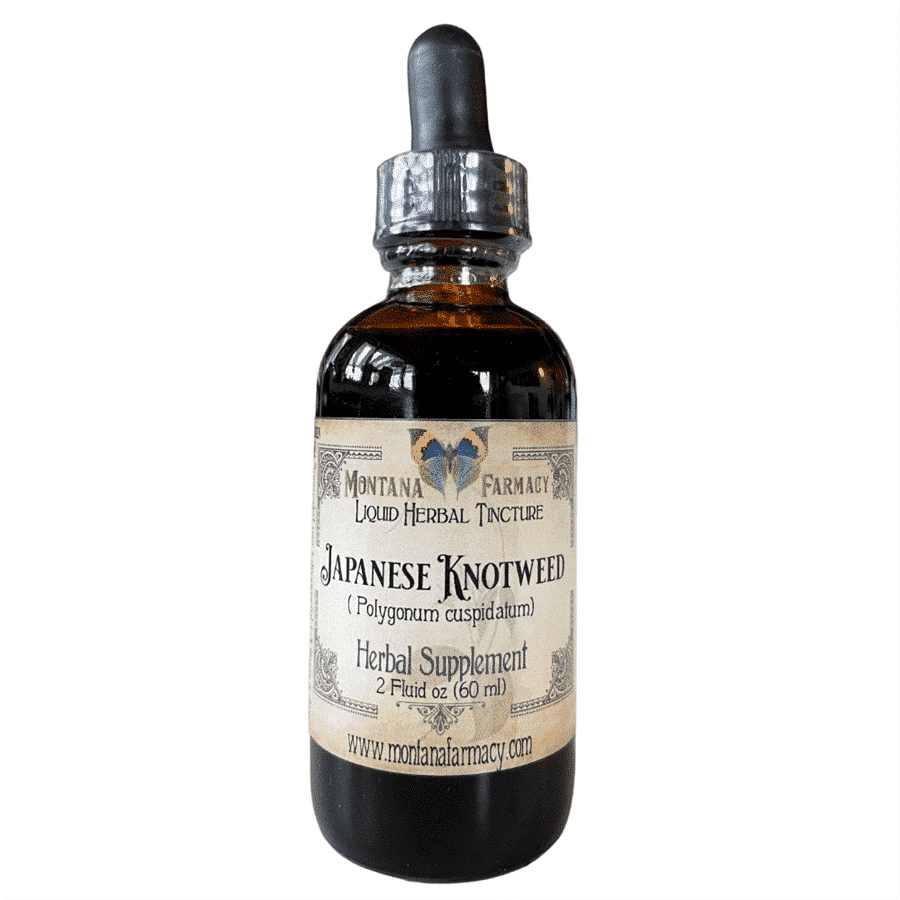
Japanese Knotweed
Infection Support herbal tincture often paired in traditional protocols