

ongoing support
Gut & Digestive Health
Probiotics & Prebiotics
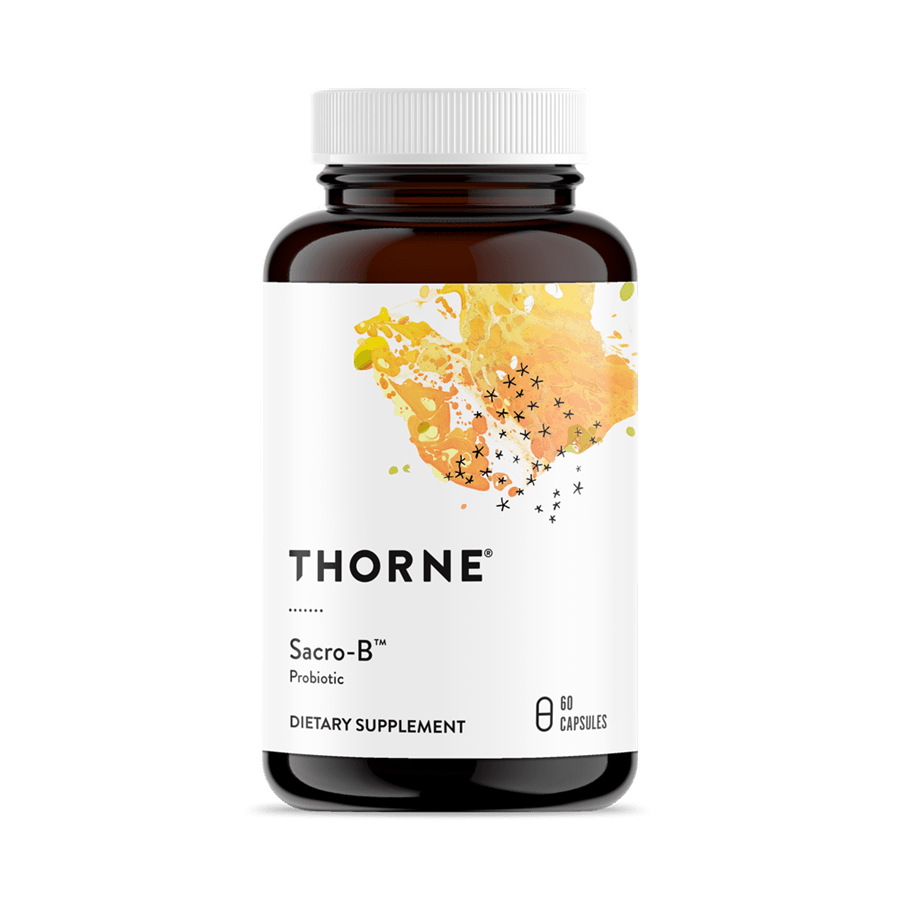
A probiotic yeast that supports a healthy balance of intestinal flora, including during antibiotic regimens. Sacro-B requires no refrigeration and fits easily into a daily gut health routine.



10% off all supplements
Use code at checkout
MARTYROSS10


Opens Femologist.com in a new tab
TreatLyme and Dr. Marty Ross, MD, are affiliated with Femologist. We may earn a commission on purchases made through this link or code.
Quick Facts
Key Ingredients
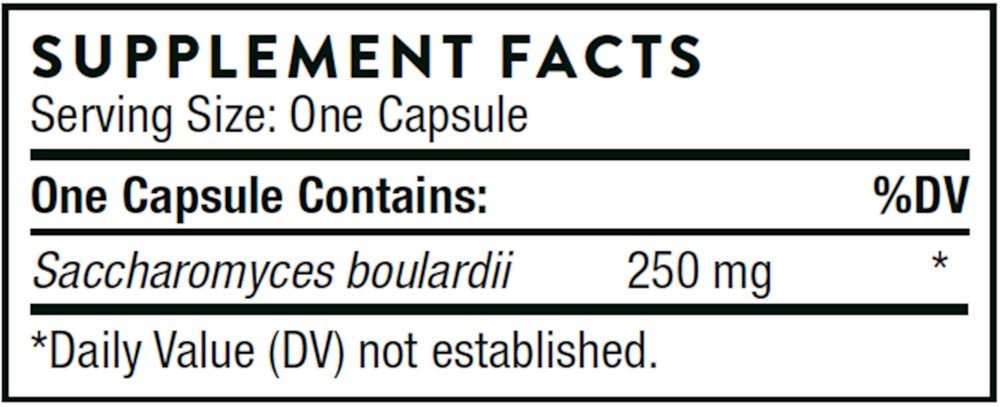
Saccharomyces boulardii 250 mg
Third-party Testing
Dietary

Dairy-free

Derived from natural colors

Derived from natural flavors

Gluten-free

Soy-free

Written by

Dr. Marty Ross, MD
Updated
September 24, 2026
Dr. Ross's Expert Review
Sacro-B is one of the products I reach for when a person’s gut needs steady support, especially when someone is on an antimicrobial regimen. The key ingredient is Saccharomyces boulardii, a probiotic yeast. I like a yeast-based probiotic here because yeast is not touched by the herbal or prescription germ killers that target bacteria, so it keeps working while the bacterial flora in the intestines take a hit.
What does it do? In my practice I use it most for people on antibiotics who develop loose stools or bloating. Saccharomyces boulardii promotes the growth of beneficial intestinal microbes and supports immune function in the gut by increasing secretory IgA. That combination is why I lean on it whenever a regimen puts gut flora and digestion under pressure. Early research suggests it may support the body’s natural detoxification pathways
I am clear about what the science does and does not show. There are good trials in children and adults with acute diarrhea and a growing set of meta-analyses. There is far less research in the complex chronic illness population I see. Much of what I do here rests on the studies, theory, and my own clinical observation.
The practical details matter. Sacro-B does not need refrigeration, which my patients appreciate. Each capsule delivers 250 mg of Saccharomyces boulardii, a minimum of 5 billion CFUs. Do not open the capsules, because the capsule is part of how this product is designed to work. If someone is pregnant, has a yeast sensitivity, or feels worse after starting it, I have them stop and review it with their physician.
These statements have not been evaluated by the Food and Drug Administration. This product is not intended to diagnose, treat, cure, or prevent any disease. Dr. Ross has a financial relationship with the Femologist store, where this product is sold.
How I Use It in My Practice
In my practice I use Sacro-B most for people who need intestinal flora support while taking herbal or prescription antibiotics. I usually have people take one capsule one to three times a day between meals. Because it is a yeast, it does not require refrigeration, so it travels well. I keep it going for the whole time a person is on germ killers, and often for some weeks after. If loose stools, bloating, or gas show up on an antibiotic regimen, this is one of the first things I add. I do not open the capsule. If someone has a known yeast sensitivity, I pick a different probiotic instead.
This reflects Dr. Ross's clinical experience and is educational, not medical advice. Work with your treating physician before starting, stopping, or changing any supplement or medication.
The Research, in Dr. Ross's Words
In my research review, Saccharomyces boulardii has one of the better trial records of any probiotic I use. The strongest evidence is in acute gastroenteritis in children. A 2020 meta-analysis of randomized trials and a 2026 umbrella meta-analysis found it supports normal stool frequency and duration of loose stools in that setting. A 2025 meta-analysis from China reached similar conclusions for pediatric acute diarrhea with the CNCM I-745 strain.
The adult evidence is thinner but points the same direction. A 2023 randomized trial in adults with acute viral diarrhoea found benefit for the CNCM I-745 strain. A 2025 prospective trial in infants and young children found fewer antibiotic-associated diarrheal episodes when S. boulardii was combined with a Bifidobacterium preparation. A 2011 evidence summary for gastroenterology practice concluded the data support its use alongside rehydration, and a 2025 review covers its mechanisms, including how it supports immune function in the gut.
I am candid about the limits. Most trials are short, small, and focused on acute diarrhea in otherwise healthy children, not the complex chronic illness population I see. Several of these papers draw on the same underlying trial pool. Where they agree is on safety and a modest effect on stool frequency and duration. Studies show digestive and immune support.
References
From:
Thorne
Sacro-B is a probiotic yeast species that enhances immune function in the gut by increasing sIgA.
Directions of Use
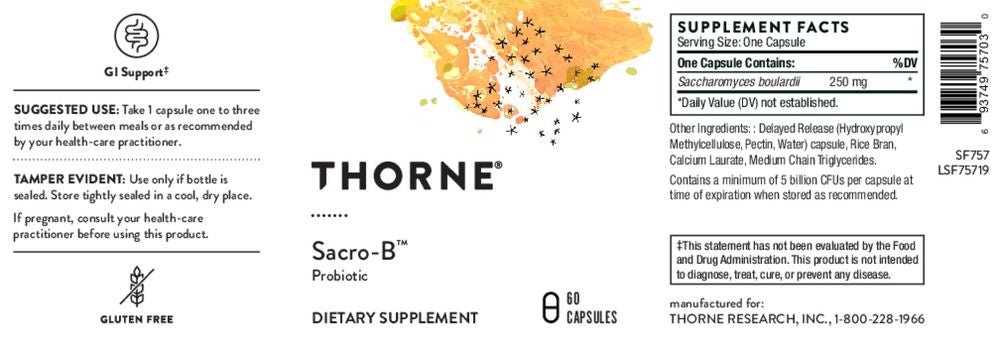
Take 1 capsule one to three times daily between meals or as recommended by your health-care practitioner.
Does not contain
dairy
gluten
soy
ALLERGY WARNING: This product is contraindicated in an individual with a history of hypersensitivity to any of its ingredients. Sacro-B contains a product derived from yeast. PREGNANCY: If pregnant, consult your health-care practitioner before using this product. INTERACTIONS: There are no known adverse interactions or contraindications at publication date. OTHER WARNINGS: It is not recommended to remove the Sacro-B powder from the capsule, as the capsule is inherent to the products intended delivery mechanism.
Excerpted from Thorne's product information. These statements have not been evaluated by the Food and Drug Administration.
Supplement Facts
Serving Size: 1 Capsule
Servings Per Container: 60
| One Capsule Contains | Amount | |
|---|---|---|
Saccharomyces boulardii | 250 mg | |
Common Questions about Sacro-B
Answers are general educational information, not medical advice for your situation.
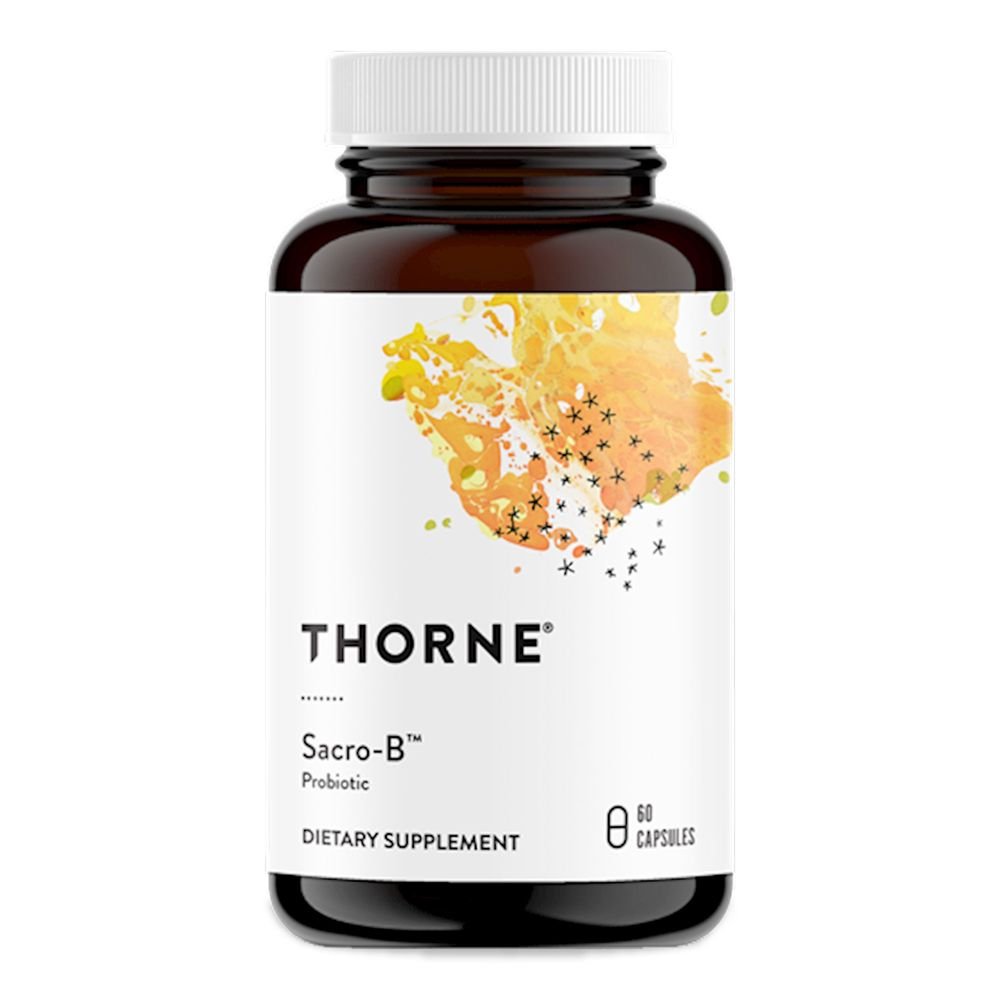
Sacro-B
By Thorne
From $43.00 · Save 10% with code MARTYROSS10
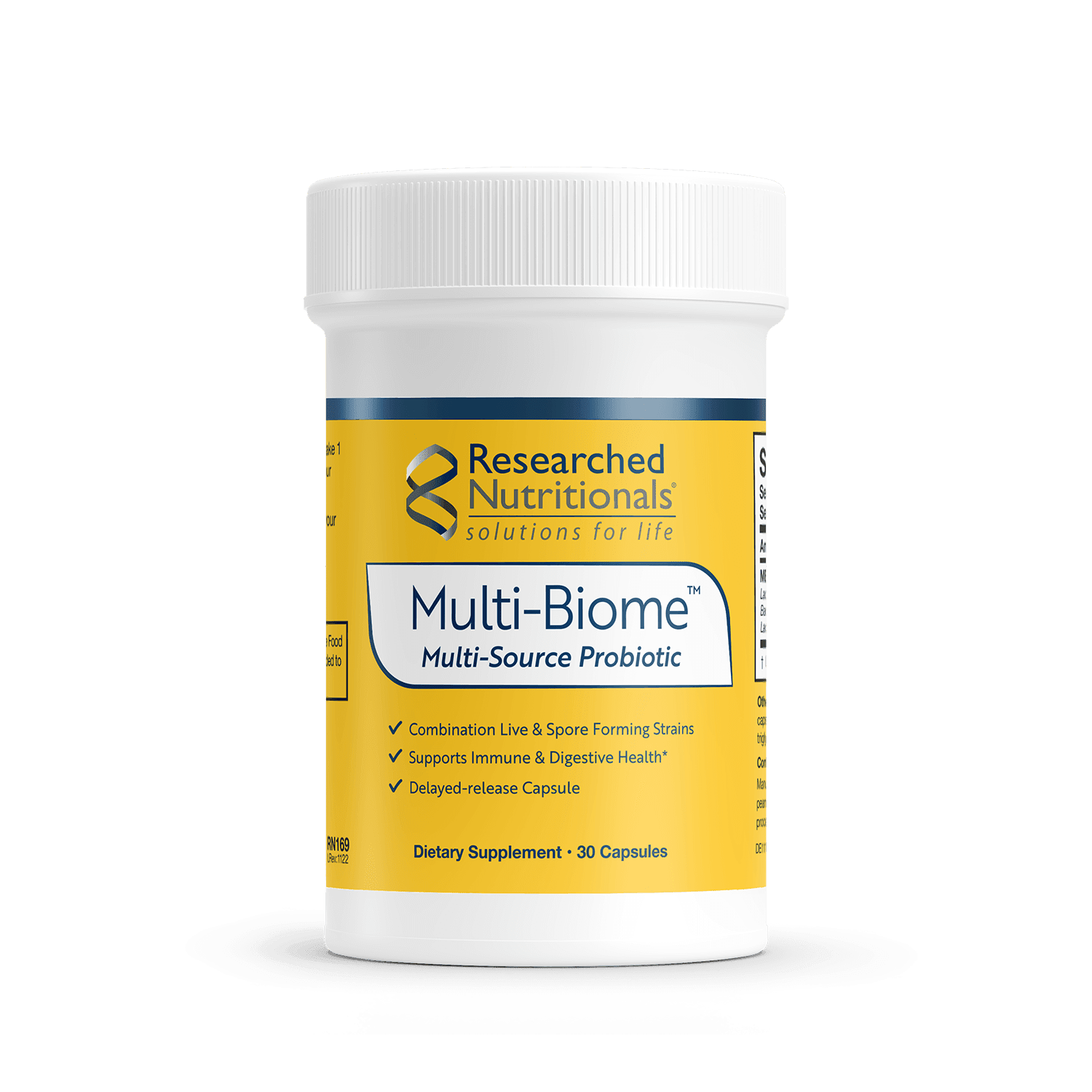
Multi-Biome
Probiotic and prebiotic blend in the same category for broader flora support.


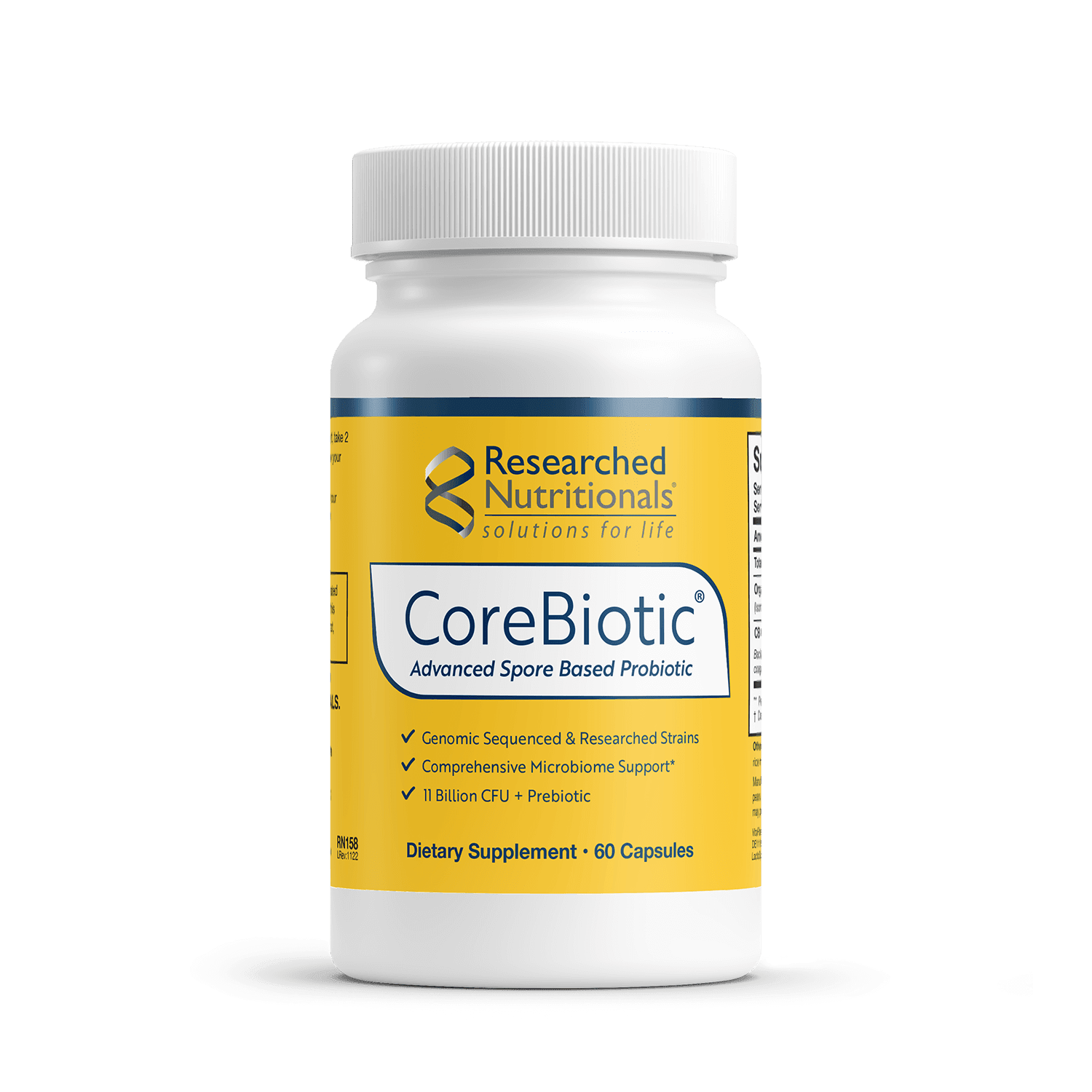
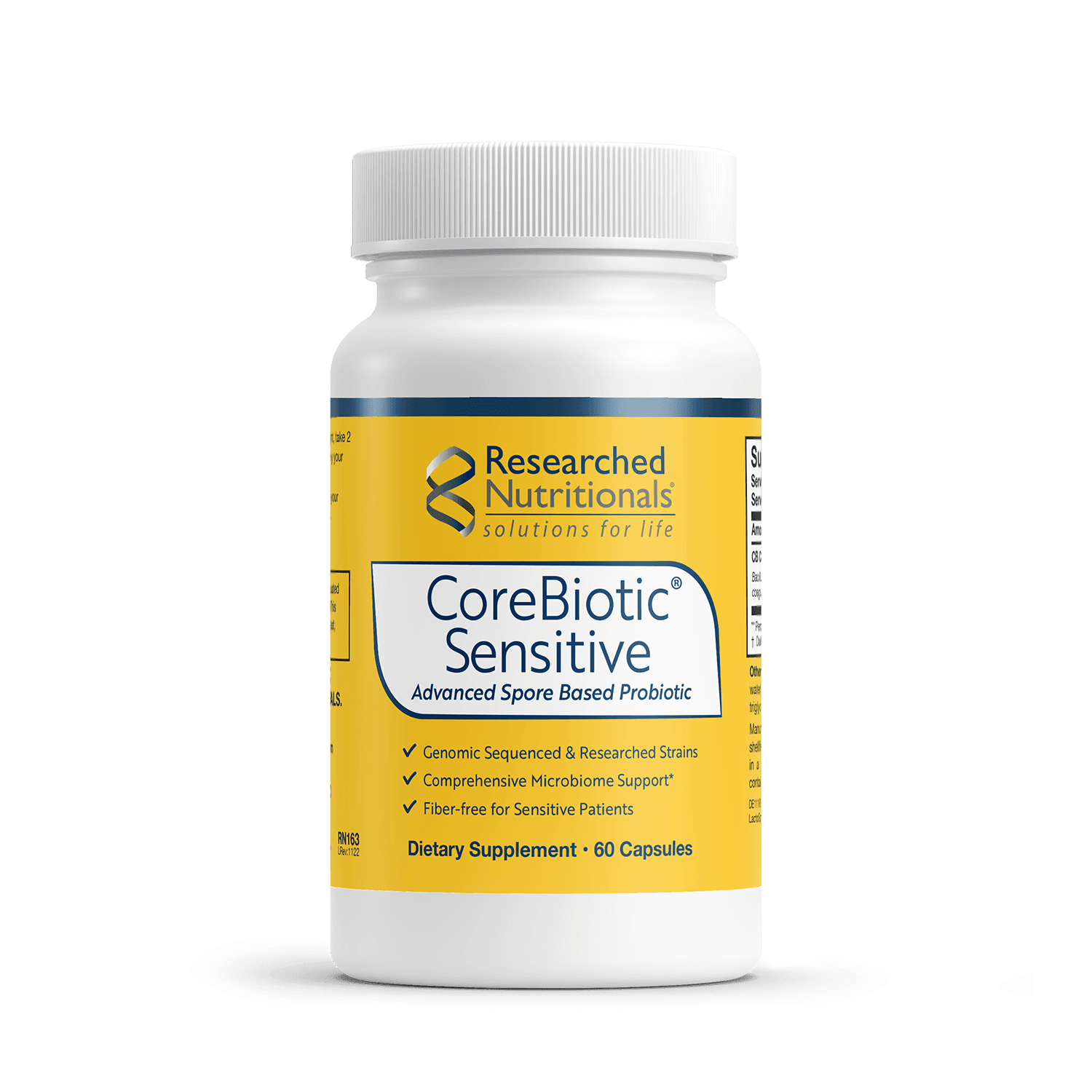
CoreBiotic Sensitive
Probiotic option for those wanting gentle intestinal flora support.

MegaPre Precision
Prebiotic that feeds beneficial intestinal microbes alongside a probiotic.
Guide
Your Guide to a Healthy Intestinal Microbiome—Even on Antibiotics
Dr. Ross's guide to protecting intestinal flora while on antibiotics, this product's core use.

Guide
C. Difficile Diarrhea Therapy
Covers intestinal diarrhea care where probiotic yeast support fits.
Guide
Mold Toxin Illness & Tick-borne Diseases
Discusses S. boulardii as part of a mold toxin illness approach.