
Updated:
October 15, 2026
Experience Matters
How to Treat Acute Tick Bites is based on my extensive clinical experience and critical assessment of guidelines from the following groups.
- International Lyme and Associated Diseases Society (ILADS)
- US Centers for Disease Control and Prevention (CDC)
- Infectious Disease Society of America (IDSA)
✅ Step 1: Safely Remove the Tick
- Use fine-tipped tweezers to grasp the tick at its head, close to the skin.
- Pull slowly and steadily upward—avoid twisting or jerking.
- Do not use heat (like a match) or irritants; these increase the chance the tick vomits Lyme germs into your skin.
💊 Step 2: Decide Whether to Use Antibiotics
The goal of antibiotics is to prevent acute or chronic Lyme disease after the bite of a black-legged deer tick (Ixodes species).
Identify the Type of Tick
Not all ticks transmit Lyme disease:
- Black-legged deer ticks (Ixodes): ✔️ Can transmit Lyme disease.
- Lone star ticks, dog ticks, wood ticks: ❌ Do not carry Lyme, though they may transmit other infections like Ehrlichia or Rocky Mountain spotted fever. There is no proven benefit to preventive antibiotics for these infections.
💡When to Treat Asymptomatic Tick Bites
I recommend prophylactic antibiotics for all black-legged deer tick bites, regardless of how long the tick was attached or where in the country the bite occurred. Here’s why:
- Chronic Lyme disease can be debilitating and lifelong.
- Early treatment is critical to preventing complications.
- Even with proper treatment, 15–20% of people with early Lyme still develop chronic illness.
- Compared to the minimal risks of a short antibiotic course, the risks of not treating are far greater.
If you’re unsure what type of tick bit you, I recommend treating unless it’s confidently identified as a wood tick, dog tick, or Lone star tick.
🤒 When to Treat Symptomatic Tick Bites
I agree with both the CDC/IDSA and ILADS guidelines: Anyone with symptoms after a tick bite should be treated with antibiotics.
Symptoms may include:
- Fever
- Flu-like symptoms
- Neurological symptoms
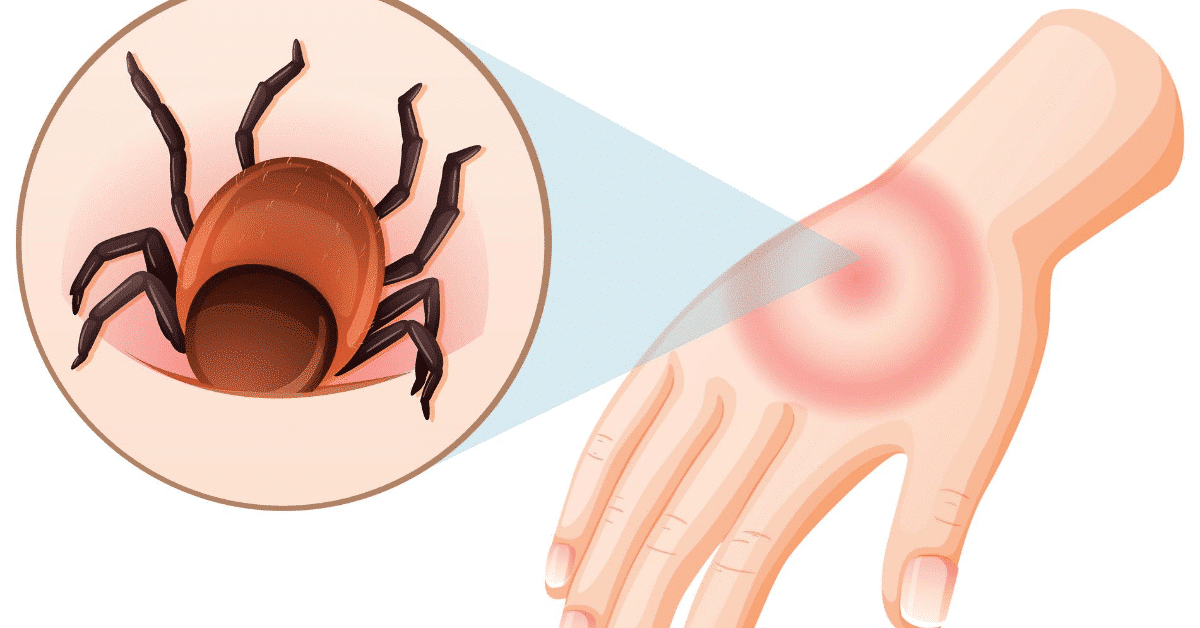
- Rash (bullseye or circular red rash)
Note: Over 30% of people with Lyme never develop a rash. A lack of rash does not rule out infection.
📋 What the CDC/IDSA Recommends (and Why I Disagree)
CDC/IDSA: Limited Criteria for Preventive Antibiotics
They only recommend antibiotics if:
- The tick is a black-legged deer tick
- It was attached ≥36 hours
- You’re in a high-risk area (e.g., Northeast, Upper Midwest)
- Treatment starts within 72 hours of removal
My Response:
- Transmission has been reported with attachments under 24 hours
- Lyme has been acquired in all regions of the U.S.
- Limiting treatment to these criteria causes many missed cases of Lyme
💊 Step 3: How to Take Antibiotics After a Tick Bite
For Asymptomatic Tick Bites:
- Doxycycline 100 mg twice daily for at least 20 days
For Tick Bites With Symptoms (including rash):
- Doxycline 100 mg twice daily
- Treat for a minimum of 4–6 weeks
- Continue antibiotics until all symptoms are gone
My recommendations follow ILADS guidelines and clinical experience, supported by animal studies showing 20 days of doxycycline prevents Lyme infection in mice.
✅ Best Antibiotics to Use
First Choice: Doxycycline
- Effective against Lyme and other tick-borne infections (ehrlichia, anaplasma, babesia, bartonella, RMSF)
- Adults: 100 mg twice daily
- Children: 2.2 mg/kg twice daily (up to 3 weeks)
In children under 8 years old, I switch antibiotics after 3 weeks to avoid tooth staining (though recent studies show <3 weeks is safe).
Alternatives (if doxycycline not tolerated):
- Amoxicillin
- Cefuroxime
- Azithromycin
No reliable studies exist for ideal dose or duration of these alternatives.
⚠️ What About the CDC’s Single-Dose Doxycycline?
- CDC recommends a one-time 200 mg dose of doxycycline for asymptomatic tick-bites for people living in high risk areas
- This is based on one small study measuring only the development of a bullseye rash over a six week period of time
- 30%+ of Lyme patients never get a bullseye rash so, this is not a useful criteria to show if a single dose of doxy works to prevent Lyme disease
- Six weeks of follow-up is not enough to rule out Lyme development
I strongly disagree with this recommendation. It under-treats patients and risks chronic disease.
🚫 Do Herbal Antibiotics Work?
I do not recommend herbal antibiotics for acute tick bites.
There is no research proving they prevent Lyme after a bite.
📌 Key Takeaways
- Remove ticks properly and promptly.
- Assume black-legged deer ticks can transmit Lyme—even after short attachments.
- Treat all black-legged tick bites with antibiotics.
- Treat symptomatic bites aggressively and longer.
- Doxycycline is the preferred antibiotic.
- Avoid one-time dosing and herbal remedies.
📝 Disclaimer
These recommendations are for informational purposes only. They are based on my clinical experience and current understanding of Lyme disease. For more, see the site wide Terms & Conditions.
References

About The Author
Dr. Marty Ross, MD is a passionate Lyme disease educator and clinical expert. He helps Lyme sufferers and their physicians see what really works based on his review of the science and extensive real-world experience. Dr. Ross is licensed to practice medicine in Washington State (License: MD00033296) where he has treated thousands of Lyme disease patients in his Seattle practice.
Dr. Marty Ross, MD is a graduate of Indiana University School of Medicine and Georgetown University Family Medicine Residency. He is a member of the International Lyme and Associated Disease Society (ILADS), The Institute for Functional Medicine, and The American Academy of Anti-Aging Medicine (A4M).