

ongoing support
Candida & Yeast Balance
System Cleanse
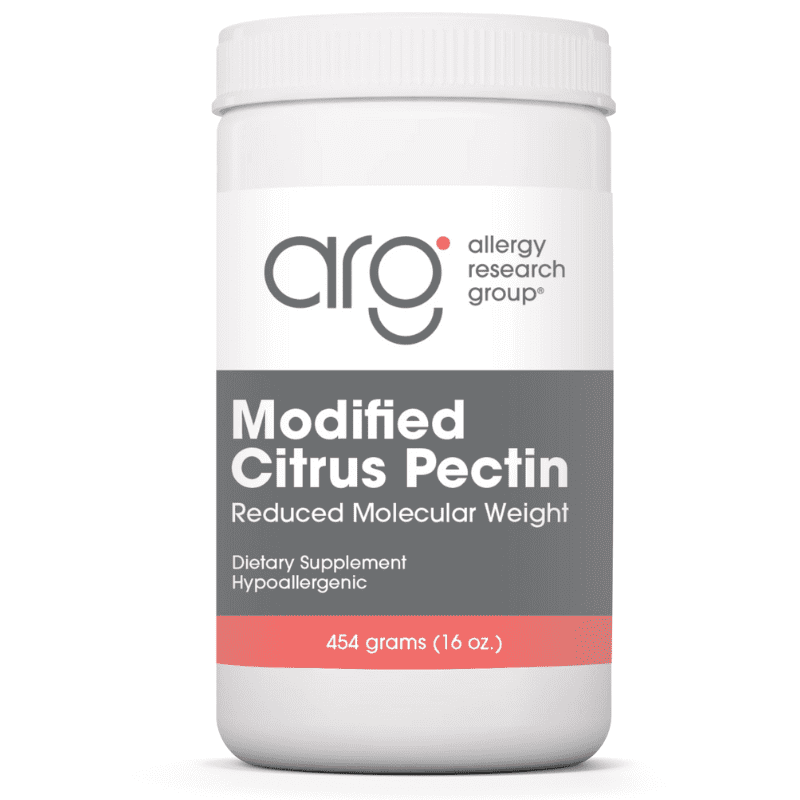
A reduced-molecular-weight citrus pectin powder from Allergy Research Group that binds unwanted compounds in the gut to support the body's natural cleansing processes.



10% off all supplements
Use code at checkout
MARTYROSS10


Opens Femologist.com in a new tab
TreatLyme and Dr. Marty Ross, MD, are affiliated with Femologist. We may earn a commission on purchases made through this link or code.
Quick Facts
Key Ingredients
Calories 20
Total Carbohydrates 5 g
Third-party Testing
Dietary

Written by

Dr. Marty Ross, MD
Updated
September 27, 2026
Dr. Ross's Expert Review
Pectin is a fiber most people know from making jam. Modified citrus pectin is different. It is processed down to a much smaller molecule, small enough that it does useful work in the gut instead of just passing through the intestines.
This is the version from Allergy Research Group, a pure powder with nothing else in the jar. The manufacturer reduces the pectin to an average molecular weight of about 30 kilodaltons. That size matters, because the smaller molecule can bind to unwanted compounds in the digestive tract and carry them out with the stool rather than letting them recirculate.
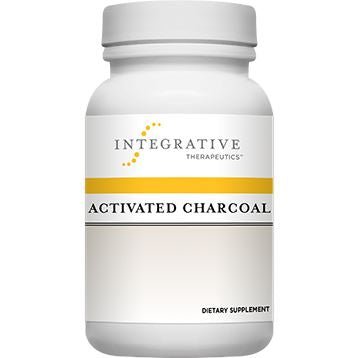
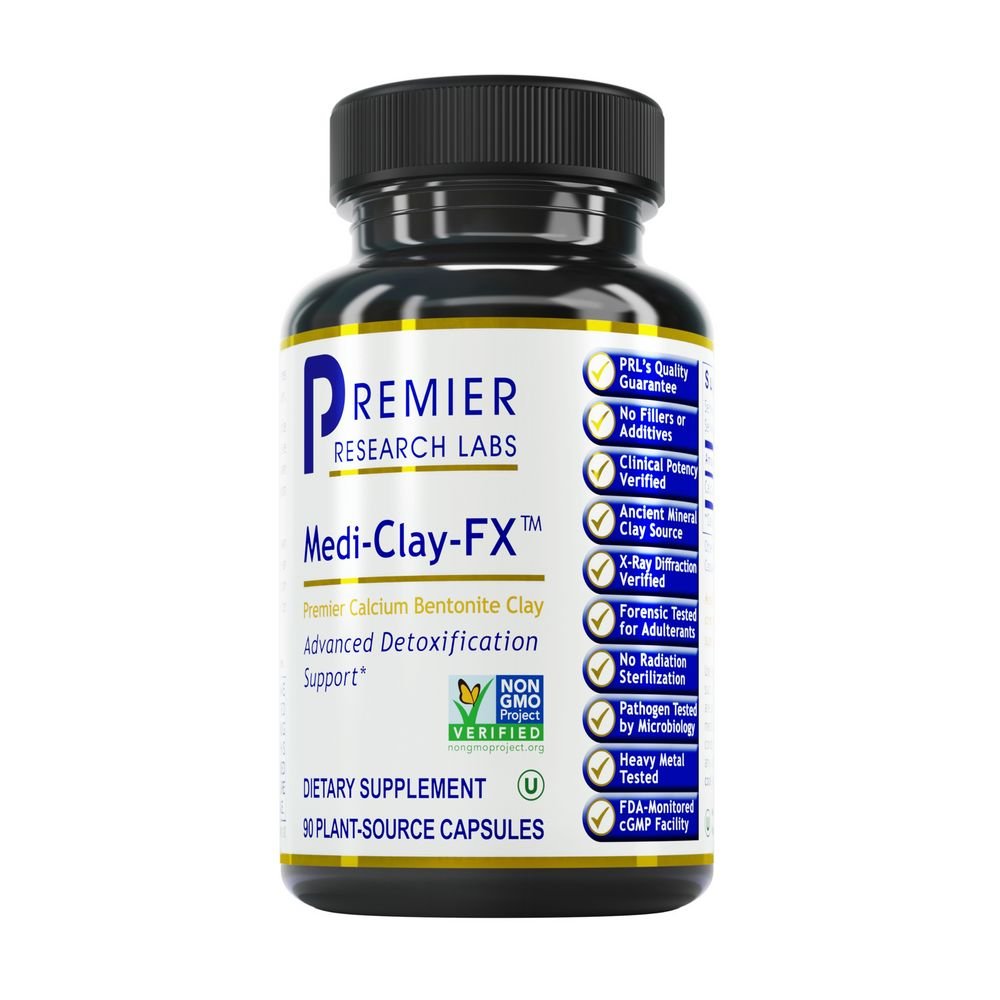
In my practice I use modified citrus pectin as one of my standing binders in cleanse regimens. Where charcoal and clay are blunt instruments, pectin is gentler with less intestinal and system-wide side effects. People who want a binder that is gentle enough for daily use tend to do well with it.
The practical rules are simple. One rounded scoop is 5 grams, and the label allows 5 to 15 grams a day depending on the situation. It mixes best in a jar or shaker rather than stirred, and it should be taken away from meals, medications, and other supplements, because a fiber this good at binding will bind the things you want to keep too. Give it real spacing, at least an hour.
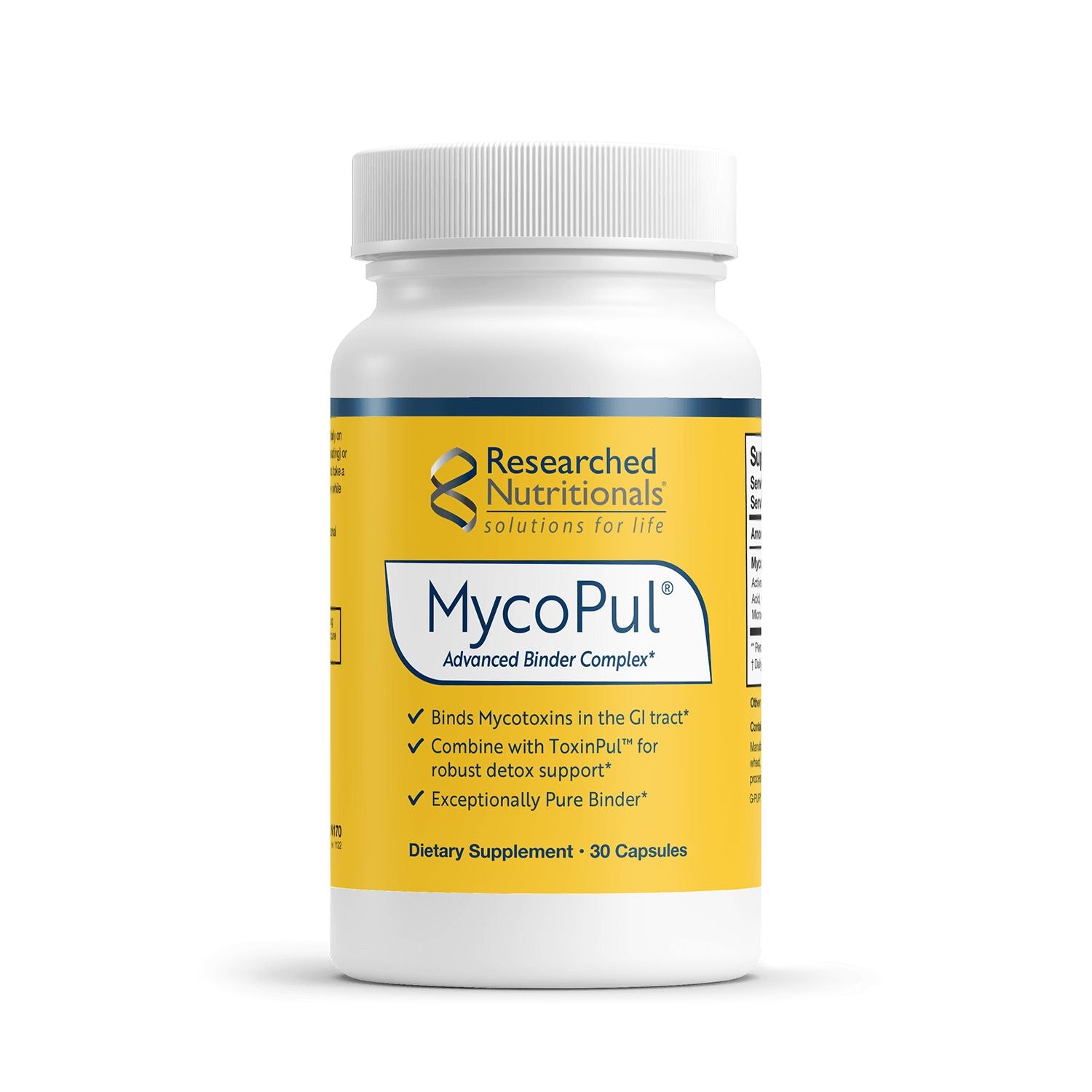
The research basis is thin. Small studies report increased urinary excretion of heavy metals, suggesting it may support the body’s natural cleansing processes. As a complex polysaccharide, there is theoretical mechanistic support for pectin binding fat-soluble toxins, like mycotoxins, but there are no lab or human studies looking at this.
One caution deserves a flag: each scoop carries 400 mg of sodium. For most people that is a rounding error. If you are on a salt-restricted plan, that number adds up fast at three scoops a day.
These statements have not been evaluated by the Food and Drug Administration. This product is not intended to diagnose, treat, cure, or prevent any disease. Dr. Ross has a financial relationship with the Femologist store, where this product is sold.
How I Use It in My Practice
I use modified citrus pectin as a daily binder in cleanse regimens, often alongside clay or charcoal at different times of day. The dose I start people at is one 5 gram scoop in water or juice once a day, building to two or three scoops as the regimen calls for it. It goes down easiest shaken in a jar, and I keep it a full hour away from meals, medications, and other supplements. When it is part of a longer cleanse routine I keep it running for weeks at a time, since the goal there is steady, ongoing support rather than a short burst.
This reflects Dr. Ross's clinical experience and is educational, not medical advice. Work with your treating physician before starting, stopping, or changing any supplement or medication.
The Research, in Dr. Ross's Words
The human evidence for modified citrus pectin is small but real. In one study, healthy subjects taking 15 grams a day for five days and 20 grams on day six excreted more arsenic, cadmium, and lead in their urine without losing healthy minerals. A pilot in children aged 5 to 12 with elevated blood lead found that oral MCP lowered blood lead and raised urinary lead excretion with no observed adverse effects. Five published case reports document reduced heavy metal burden with MCP alone or combined with alginates.
The rest of the literature is mechanistic: galectin-3 binding, cellular health, and reviews of pleiotropic effects. As a complex polysaccharide, there is theoretical mechanistic support for pectin binding fat-soluble toxins, like mycotoxins, but there are no lab or human studies looking at this.
One honest caveat runs through all of it: the trials used the PectaSol form of modified citrus pectin, not the Allergy Research Group material, which is a similar reduced-molecular-weight pectin but not the identical product studied. Nobody has run this exact jar through a trial, and no study tests it inside chronic illness regimens.
References
From:
Allergy Research Group
Modified citrus pectin is prepared by a proprietary process, which reduces the molecular weight of the pectin molecule. Average molecular weight: 30kD. Methoxylation: not more than 5%.
Directions of Use
As a dietary supplement, take 1 scoop (5 g) of powder in water, juice or other liquid, three times daily, away from meals, or as directed by a healthcare practitioner.
Does not contain
If you are pregnant or lactating, have any health condition or are taking any medication, consult your healthcare practitioner before use. Store in a cool, dry place, tightly capped, away from light. Keep out of the reach of children. Use only if safety seal is intact. Variations in product color may occur. This product is packaged by weight, not volume. Some settling may occur.
Excerpted from Allergy Research Group's product information. These statements have not been evaluated by the Food and Drug Administration.
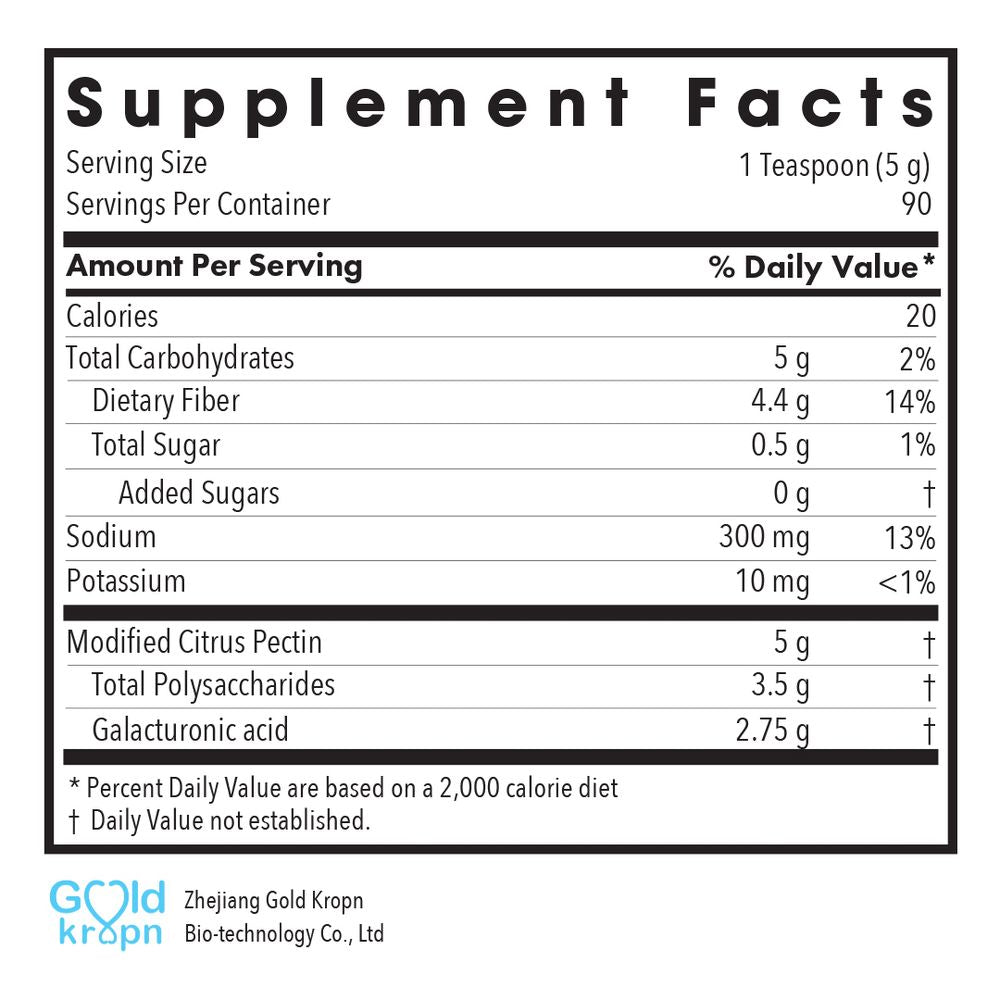
Supplement Facts
Serving Size: 1 Teaspoon (5 g)
Servings Per Container: 90
| Amount Per Serving | Amount | |
|---|---|---|
Calories | 20 | |
Total Carbohydrates | 5 g | |
Dietary Fiber | 4.4 g | |
Total Sugars | 0.5 g | |
Added Sugars | 0 g | |
Sodium | 300 mg | |
Potassium | 10 mg | |
Modified Citrus Pectin | 5 g | |
Total Polysaccharides | 3.5 g | |
Galacturonic Acid | 2.75 g | |
*Percent Daily Values are based on a 2,000 calorie diet.
†Daily Value not established. | ||
Common Questions about Modified Citrus Pectin
Answers are general educational information, not medical advice for your situation.
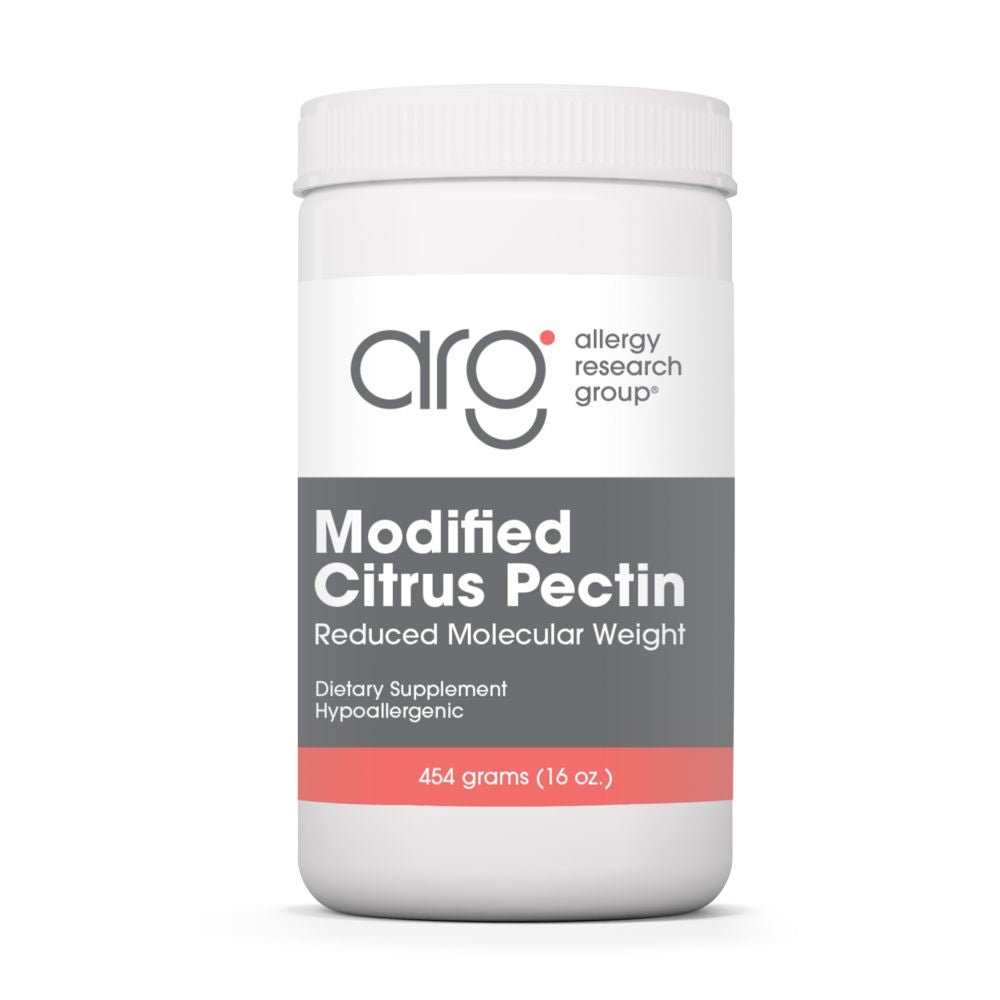
Modified Citrus Pectin
By Allergy Research Group
From $145.59 · Save 10% with code MARTYROSS10
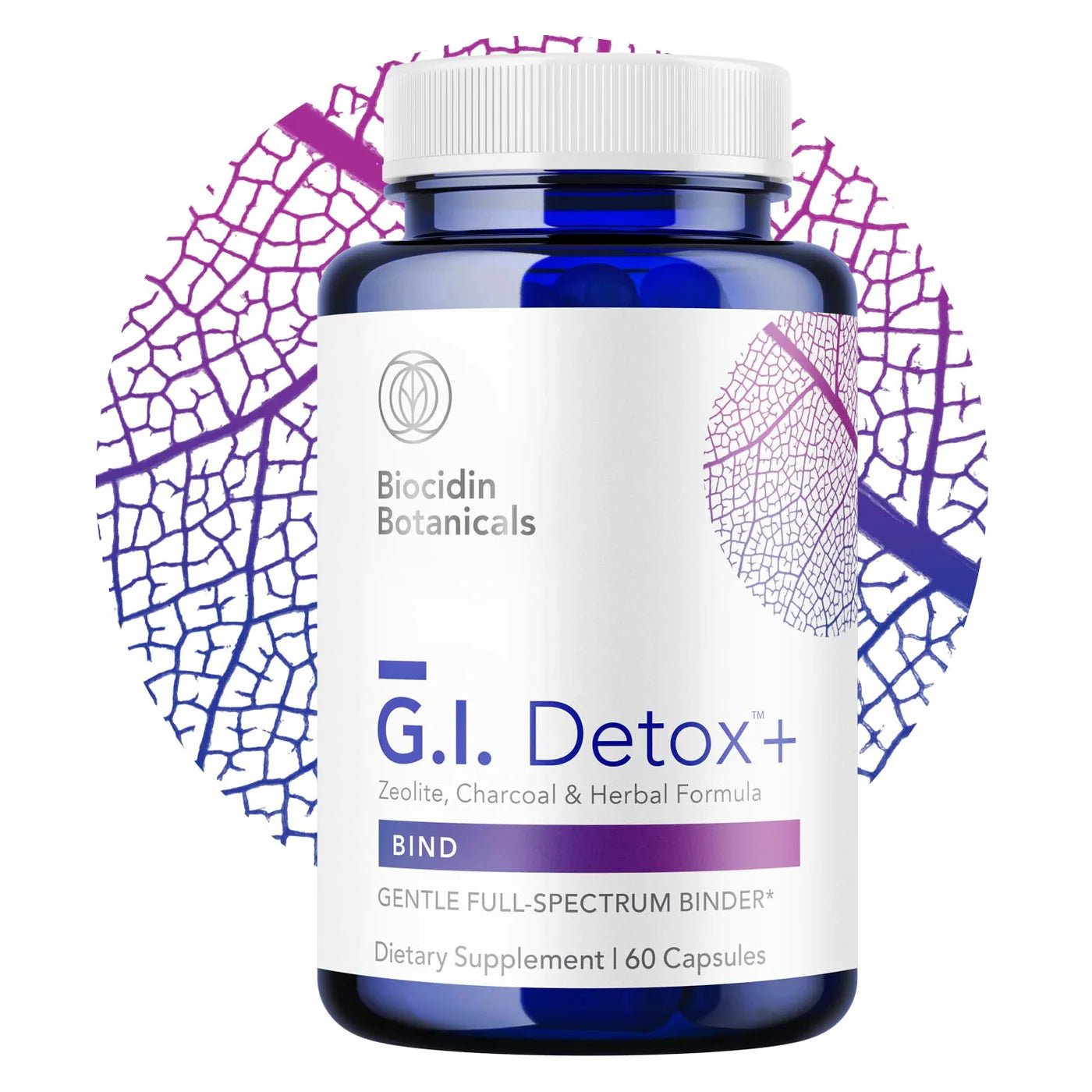
GI Detox
A broad-spectrum binder blend often used alongside pectin in the same regimens.


Guide
Mold Toxin Illness & Tick-borne Diseases
Mold toxin guide where pectin is one of the standing binders.

Guide
Your Guide to a Healthy Intestinal Microbiome—Even on Antibiotics
Pectin supports a healthy bacterial balance in the digestive system, covered in this gut health plan.
Guide
The Basic Lyme Detox Steps
Basic detox guide where binders support toxin clearance.