

ongoing support
Infection Support
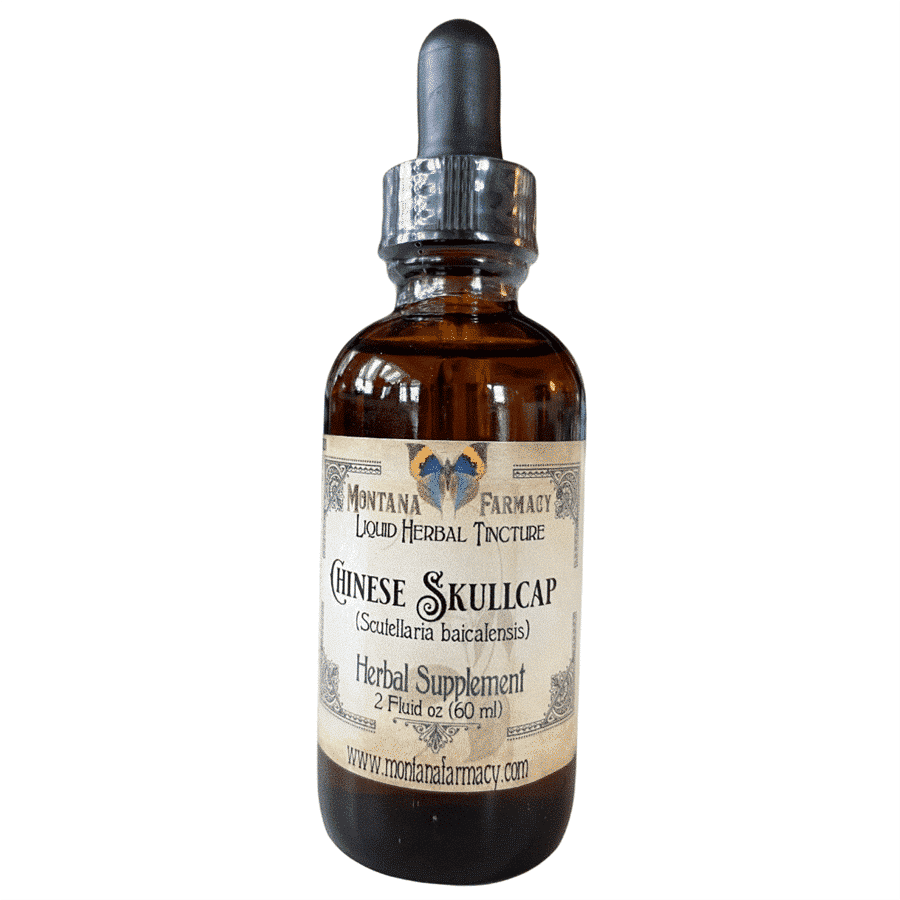
Chinese skullcap (Scutellaria baicalensis) is an herb used to support healthy cytokine balance, immune function, and microbial balance. It is an antimicrobial for growing and persister states. This Montana Farmacy tincture is handcrafted in small batches in a traditional 1:5 ratio.



10% off all supplements
Use code at checkout
MARTYROSS10


Opens Femologist.com in a new tab
TreatLyme and Dr. Marty Ross, MD, are affiliated with Femologist. We may earn a commission on purchases made through this link or code.
Quick Facts
Key Ingredients
Chinese Skullcap (Scutellaria baicalensis) 454 mg
Third-party Testing
Dietary

Written by

Dr. Marty Ross, MD
Updated
September 24, 2026
Dr. Ross's Expert Review
Chinese skullcap, Scutellaria baicalensis, is one of the core herbs in Stephen Buhner’s herbal protocol. In my world it earns its place two ways: it helps maintain healthy cytokine balance, and laboratory research shows activity against Borrelia, including the dormant persister forms that shrug off many treatments. I carry this Montana Farmacy tincture because it is handcrafted in small batches at a traditional 1:5 ratio with organic cane alcohol.
People often feel worse when they first start this herb. That can reflect cytokine shifts or a die-off type reaction. I start low and work up, and I tell my patients what to expect so they do not quit too early. If the reaction is too strong, we drop the dose and support detox pathways before trying again.
The germ-related evidence for Chinese skullcap comes from laboratory work, not human trials in tick-borne illness. In people, the clinical research on Scutellaria baicalensis covers other areas, like mental processing speed and joint comfort. So I use this herb as part of a regimen, not as a stand-alone answer.
Take 1 dropper 1 to 3 times a day. One 2 oz bottle lasts about 1 to 2 months at typical dosing. For the best directions for your situation, discuss this product with your physician or healthcare provider.
These statements have not been evaluated by the Food and Drug Administration. This product is not intended to diagnose, treat, cure, or prevent any disease. Dr. Ross has a financial relationship with the Femologist store, where this product is sold.
How I Use It in My Practice
I use Chinese skullcap when I want cytokine balance and neurological-region support in a regimen. I use it with other Buhner herbs like Japanese knotweed and cat’s claw. Its compounds cross into the brain, which is one reason it fits when the trouble feels neurological. I start with a fraction of a dropper once or twice a day in sensitive patients, and raise the dose over a week or two. When someone flares early on, I lower the dose, support detox, and continue, since these reactions usually settle. I avoid it in pregnancy and review medications before adding it.
This reflects Dr. Ross's clinical experience and is educational, not medical advice. Work with your treating physician before starting, stopping, or changing any supplement or medication.
The Research, in Dr. Ross's Words
The laboratory science here is stronger than for many Buhner herbs. Test-tube work shows Scutellaria baicalensis compounds such as baicalein act against both growing and dormant persister forms of Borrelia. There are no human studies about this.
The human research on this herb points in other directions. In a 30-day trial, a botanical composition containing Scutellaria baicalensis improved speed and accuracy of processing complex information (PMID 28042201). A one-week trial of a Scutellaria and Acacia combination supported short-term joint comfort in knee osteoarthritis (PMID 24611484). Research from Taiwan also links the herb with fewer migraine-type outcomes (PMID 33505504), and a fermented extract improved skin barrier function in lab work (PMID 29543386).
The case for Chinese skullcap rests on lab activity, a long traditional record, and my clinical experience showing benefit.
References
From:
Montana Farmacy
Montana Farmacy produces its Chinese Skullcap in a traditional 1:5 ratio using organic cane alcohol. Handcrafted in small batches, Montana Farmacy offers quality herbal tinctures – and this Chinese skullcap tincture is no exception.
Directions of Use
Take 1 dropper 1 to 3 times a day.
Does not contain
Excerpted from Montana Farmacy's product information. These statements have not been evaluated by the Food and Drug Administration.
Supplement Facts
Serving Size: 0.7 mL
Servings Per Container: about 84
| Amount Per Serving | Amount | |
|---|---|---|
Chinese Skullcap (Scutellaria baicalensis) | 454 mg | |

Common Questions about Chinese Skullcap
Answers are general educational information, not medical advice for your situation.
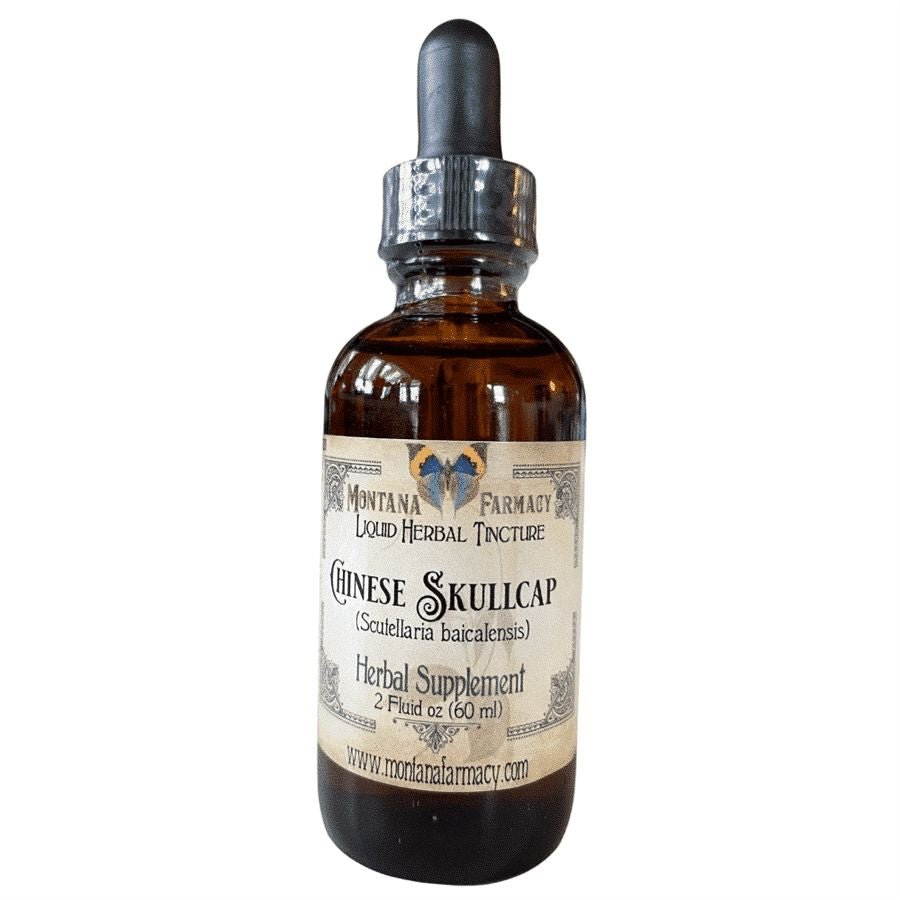
Chinese Skullcap
By Montana Farmacy
From $25.00 · Save 10% with code MARTYROSS10


Guide
Best Herbal Antibiotic Plans for Lyme, Bartonella, and Babesia
Guide covers this herb, including lab activity against Borrelia forms

Guide
How to Boost The Immune System in Lyme
Steps to strengthen immune function alongside herbal support
Guide
A Lyme Disease Antibiotic Guide
Where herbs like this fit within broader regimen options