


short course
Infection Support
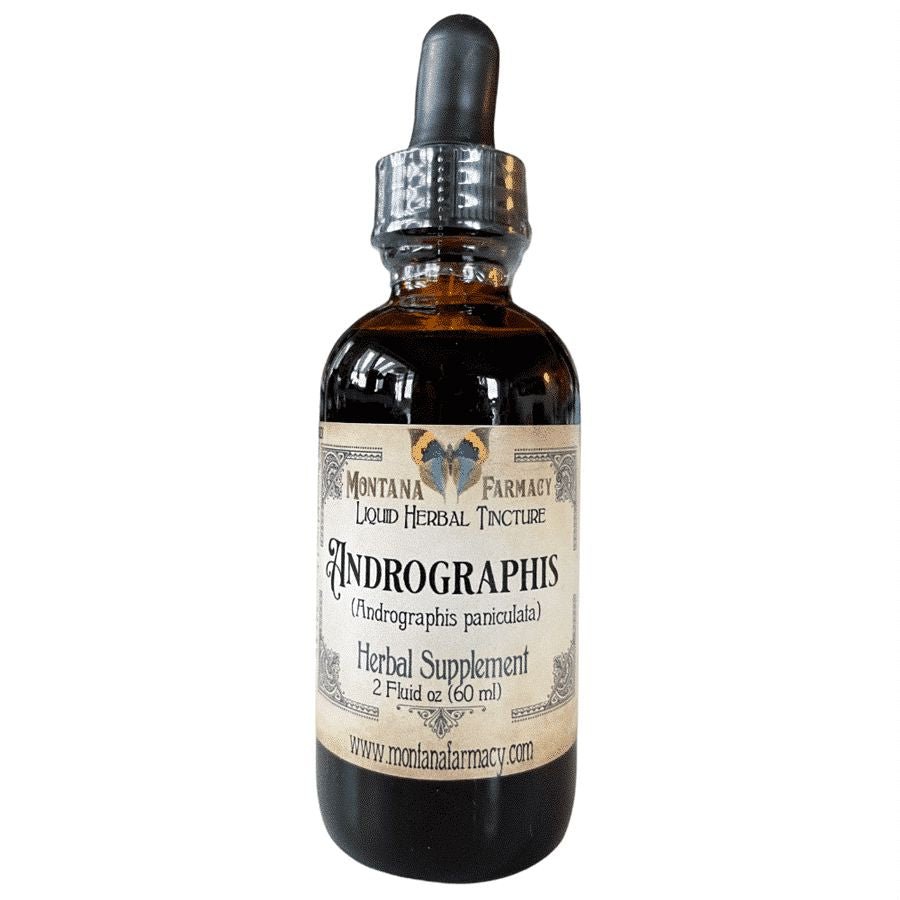
Andrographis paniculata is an immune-supporting herb from the Buhner protocol tradition. This Montana Farmacy tincture is handcrafted in small batches in a traditional 1:5 ratio with organic cane alcohol.



10% off all supplements
Use code at checkout
MARTYROSS10


Opens Femologist.com in a new tab
TreatLyme and Dr. Marty Ross, MD, are affiliated with Femologist. We may earn a commission on purchases made through this link or code.
Quick Facts
Key Ingredients
Andrographis (Andrographis paniculata) 140 mg
Third-party Testing
Dietary

Written by
Dr. Marty Ross, MD
Updated
September 24, 2026
Dr. Ross's Expert Review
Andrographis paniculata is one of the core herbs in Stephen Buhner’s herbal protocol. In that tradition it is used for immune support and microbial balance. I carry this Montana Farmacy tincture because it is handcrafted in small batches at a traditional 1:5 ratio, using organic cane alcohol and water. That ratio matters to me. It is the strength Buhner’s dosing assumptions are built around.
What Andrographis May Do
Andrographis has a long history in traditional medicine for immune support. Modern research points to immunomodulating and antimicrobial properties in lab and early clinical work. I will be candid here: laboratory testing shows andrographis has limited direct action against Borrelia, the Lyme germ. Its role in a regimen is immune support, not germ killing on its own. I say that openly, because you deserve the honest picture.
Dosing
The suggested dose is 1 dropper 1 to 3 times a day. If you are new to this herb, start low and work up. Some people react strongly to andrographis, and a small number develop hives or other allergic-type reactions. If that happens, stop it and talk to your physician.
Cautions
Do not use during pregnancy. Andrographis may interact with isoniazid and may change how quickly your body clears theophylline, so review your medications with your physician before starting. For the best directions for your situation, discuss this product with your physician or healthcare provider.
These statements have not been evaluated by the Food and Drug Administration. This product is not intended to diagnose, treat, cure, or prevent any disease. Dr. Ross has a financial relationship with the Femologist store, where this product is sold.
How I Use It in My Practice
In my practice I use andrographis as part of the Buhner herbal tradition, mainly for its immune support role. It is not a stand-alone germ killer in my book; the lab science does not support that for Borrelia. So I combine it with other herbs like Japanese knotweed and cat’s claw, and I adjust the dose to the person. A sensitive patient may start with a few drops twice a day instead of a full dropper. I watch for hives or flu-type reactions, which usually settle with a lower dose or stopping the herb. I avoid it entirely in pregnancy and in anyone on isoniazid or theophylline.
This reflects Dr. Ross's clinical experience and is educational, not medical advice. Work with your treating physician before starting, stopping, or changing any supplement or medication.
The Research, in Dr. Ross's Words
Andrographis paniculata has a growing research base. A 2024 systematic review following PRISMA guidelines reviewed 16 studies on andrographolide and confirmed antimicrobial properties, including antiviral, antibacterial, antifungal, and antiprotozoal activity in lab and animal work (PMID 39682008). Reviews also describe antiviral mechanisms, including effects on virus entry and replication (PMID 33610706), and a randomized trial of an andrographis spray in acute pharyngitis showed symptom benefit (PMID 37821383). Not everything is positive: a double-blinded randomized trial found 180 mg a day for 5 days did not change COVID-19 progression, though it shortened the duration of smell loss (PMID 39005565). I value that kind of honest, mixed result.
Two cautions for the Lyme reader. Much of this research is on other infections and lab models, not on tick-borne illness in humans. And laboratory testing reviewed on this site shows andrographis has weak direct action against Borrelia. So the case for this herb rests on immune support, which mechanistic reviews support through immunomodulation (PMID 37765014), not on direct germ killing. It is a useful herb with real but bounded science behind it.
References
From:
Montana Farmacy
Montana Farmacy Andrographis Liquid Herbal Tincture, 2oz, is a standout product in our range of premium natural health supplements. Handcrafted with the potent botanical ingredient Andrographis paniculata, this tincture is formulated to bolster overall well-being and immune support.
Directions of Use
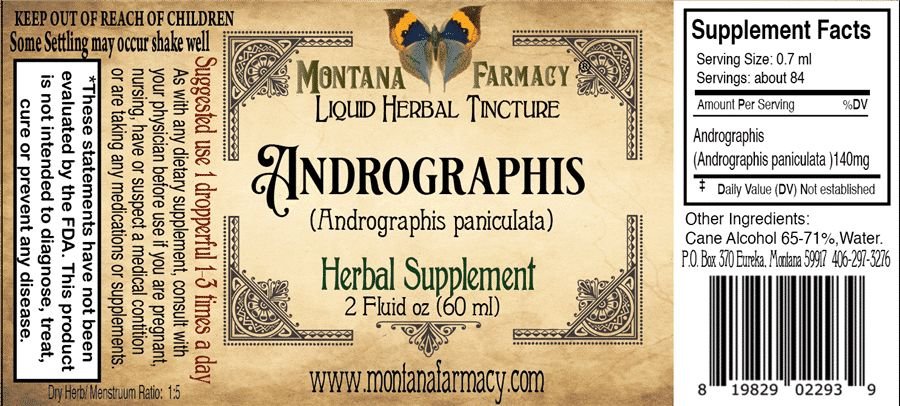
Take 1 dropper 1-3 times a day.
Does not contain
Rarely causes allergic reactions. May have a synergistic effect with isoniazid and increase the clearance of theophylline. Avoid during pregnancy.
Excerpted from Montana Farmacy's product information. These statements have not been evaluated by the Food and Drug Administration.
Supplement Facts
Serving Size: 0.7 mL
Servings Per Container: about 84
| Amount Per Serving | Amount | |
|---|---|---|
Andrographis (Andrographis paniculata) | 140 mg | |
Common Questions about Andrographis
Answers are general educational information, not medical advice for your situation.
Andrographis
By Montana Farmacy
From $25.00 · Save 10% with code MARTYROSS10
Japanese Knotweed
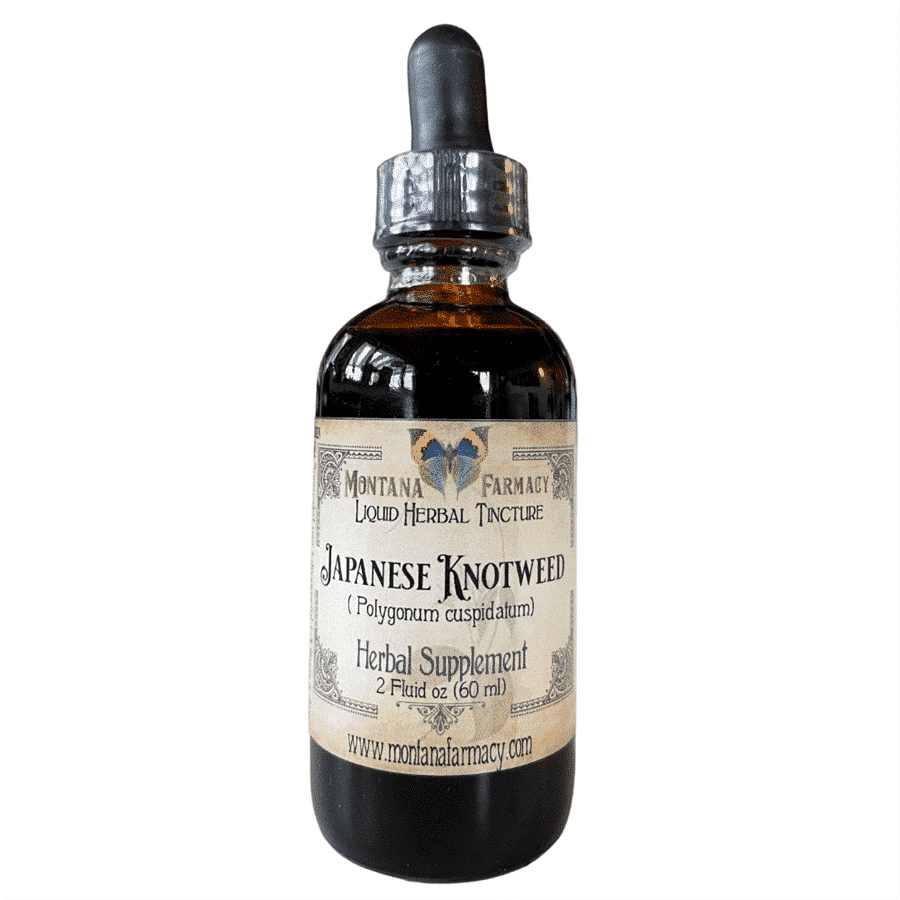
Another core Buhner protocol herb in the same infection support category


Guide
Best Herbal Antibiotic Plans for Lyme, Bartonella, and Babesia
Reviews the science on andrographis and other herbs, including its weak direct Borrelia action

Guide
How to Boost The Immune System in Lyme
Steps to strengthen immune function, the main role I give this herb
Guide
A Lyme Disease Antibiotic Guide
Where herbal immune support fits within broader regimen options