

short course
Infection Support
A small-batch herbal tincture from Montana Farmacy. Bidens pilosa supports healthy immune function, helps maintain microbial balance, and supports healthy mucous membranes as part of an herbal wellness routine.



10% off all supplements
Use code at checkout
MARTYROSS10


Opens Femologist.com in a new tab
TreatLyme and Dr. Marty Ross, MD, are affiliated with Femologist. We may earn a commission on purchases made through this link or code.
Quick Facts
Key Ingredients
Bidens (Bidens pilosa) 140 mg
Third-party Testing
Dietary

Written by

Dr. Marty Ross, MD
Updated
November 2, 2026
Dr. Ross's Expert Review
Bidens pilosa is a traditional herb with a long history of use in herbal medicine, and it is one of the herbs Stephen Buhner wrote about in his protocol books. Montana Farmacy makes this tincture the way I like to see botanicals made: fresh plant, small batches, a 1:5 extraction ratio, organic cane alcohol and water, and nothing else on the label.
So where does it fit? I use it most for people who want herbal support for healthy immune function and microbial balance. Laboratory research on the plant shows antioxidant and immune-modulating activity, and traditional use points the same direction. I am candid about what the science does and does not show. The research is early stage, mostly in vitro and animal work, and there are no human clinical trials on this herb. Theory and observation suggest it belongs in an herbal regimen; the proof is not there yet.
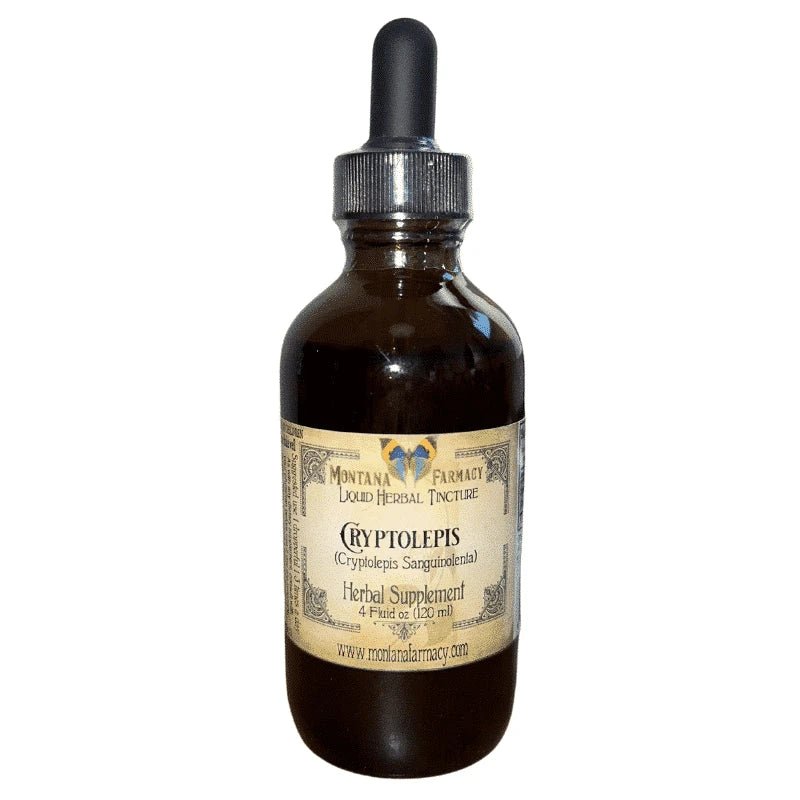
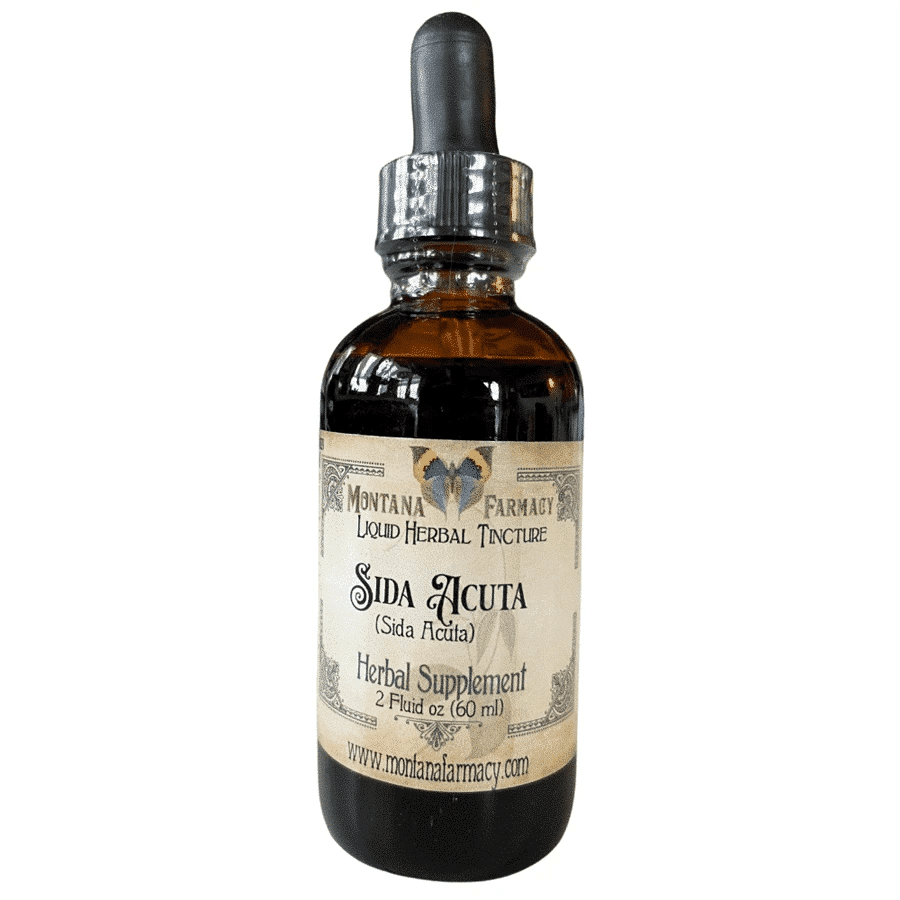
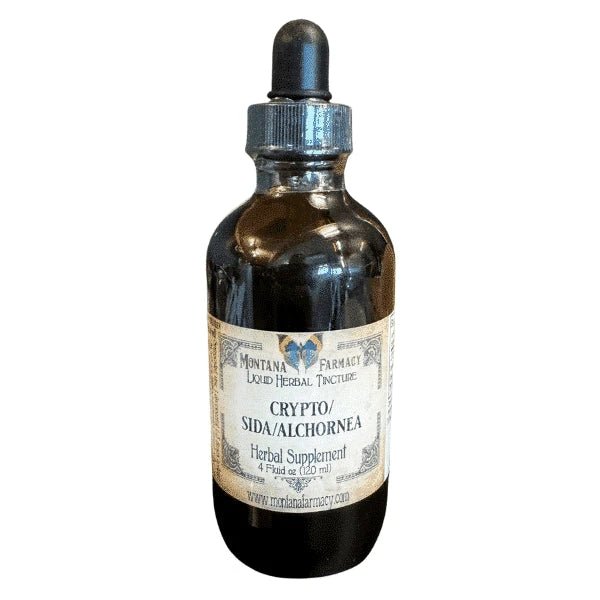
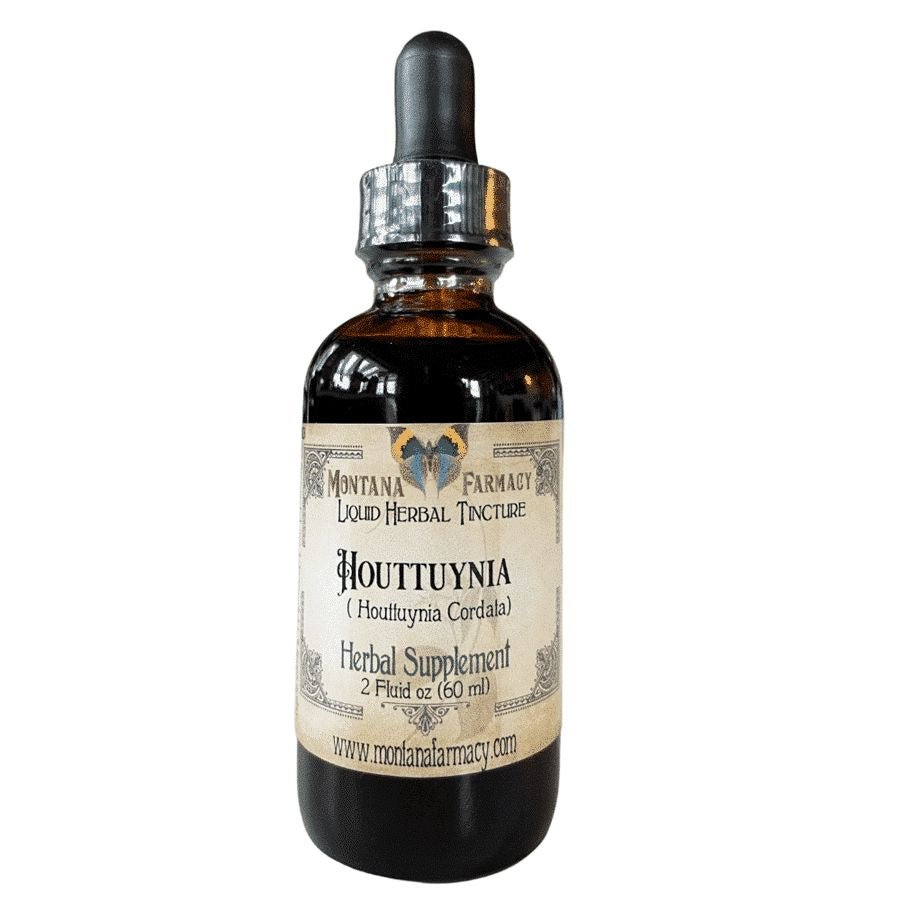
In practice I see it used as part of a broader herbal protocol rather than as a stand-alone. People often pair it with cryptolepis, sida acuta, or alchornea, herbs from the same traditional protocols. Combinations like that can be useful, but they also stack the chance of die-off reactions. Start low and go slow. If headaches, fatigue, or nausea show up, that is usually a sign the dose moved up too fast.
The suggested use on the label is one dropper one to three times a day. I usually start people lower and increase over a week or two. Avoid it during pregnancy. If you take prescription medicines or work with a physician on a treatment plan, keep that person in the loop before anything new gets added.
These statements have not been evaluated by the Food and Drug Administration. This product is not intended to diagnose, treat, cure, or prevent any disease. Dr. Ross has a financial relationship with the Femologist store, where this product is sold.
How I Use It in My Practice
I use Bidens pilosa most as part of an herbal immune support regimen, not on its own. The label suggests one dropper one to three times a day. In my practice I start people with less, often once a day, and increase over one to two weeks as tolerated. Nausea is the side effect I hear about most, and die-off reactions happen when the dose climbs too fast. When that shows up, I hold the dose steady or drop back rather than push through. I keep it out of the plan entirely during pregnancy.
This reflects Dr. Ross's clinical experience and is educational, not medical advice. Work with your treating physician before starting, stopping, or changing any supplement or medication.
The Research, in Dr. Ross's Words
In my read of this research, the case for Bidens pilosa is early but consistent in direction. A 2023 literature review in Pharmaceutics found that extracts and compounds from the plant show immunomodulatory and antimicrobial properties in laboratory work. A 2025 systematic review focused on the phytochemical profile reached a similar conclusion, documenting antioxidant and anti-inflammatory potential that lines up with the traditional use of the herb.
Here is the candid part. None of these papers are human clinical trials. The evidence is in vitro or in animals, and the reviews summarize laboratory science rather than tested outcomes in people. I do not read that as a reason to dismiss the herb; traditional use and laboratory activity are where many useful botanicals start. I read it as a reason to hold claims loosely and to watch dosing and tolerability in practice.
References
From:
Montana Farmacy
Montana Farmacy 2oz Bidens Pilosa Liquid Herbal Tincture is a must-have in the world of natural health supplements.
Directions of Use
For the best directions, discuss this product with your physician or healthcare provider. Take 1 dropper 1-3 times a day.
Does not contain
Avoid during pregnancy.
Excerpted from Montana Farmacy's product information. These statements have not been evaluated by the Food and Drug Administration.
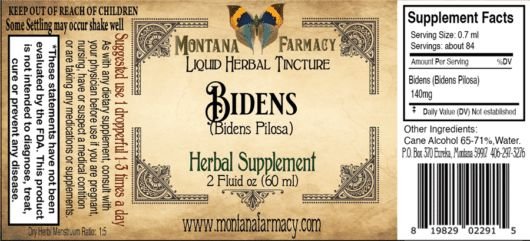
Supplement Facts
Serving Size: 0.7 mL
Servings Per Container: about 84
| Amount Per Serving | Amount | |
|---|---|---|
Bidens (Bidens pilosa) | 140 mg | |
Common Questions about Bidens Pilosa
Answers are general educational information, not medical advice for your situation.
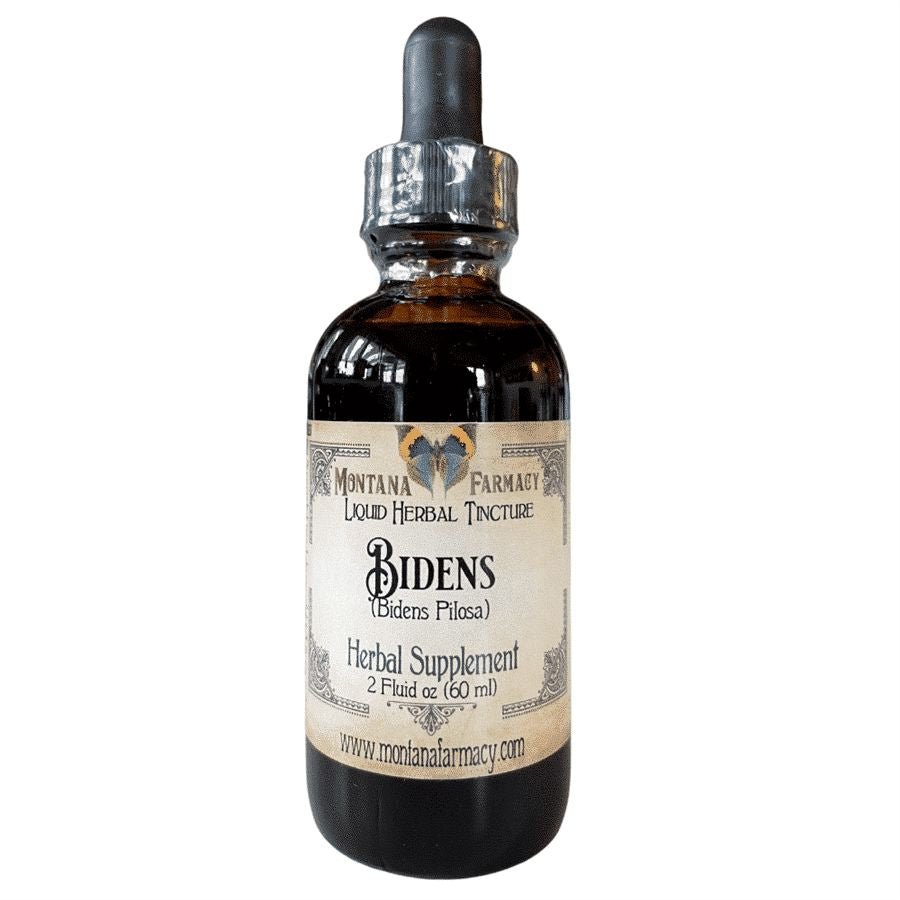
Bidens Pilosa
By Montana Farmacy
From $25.00 · Save 10% with code MARTYROSS10