

short course
Bartonella Support
Infection Support
Persister Cell Support
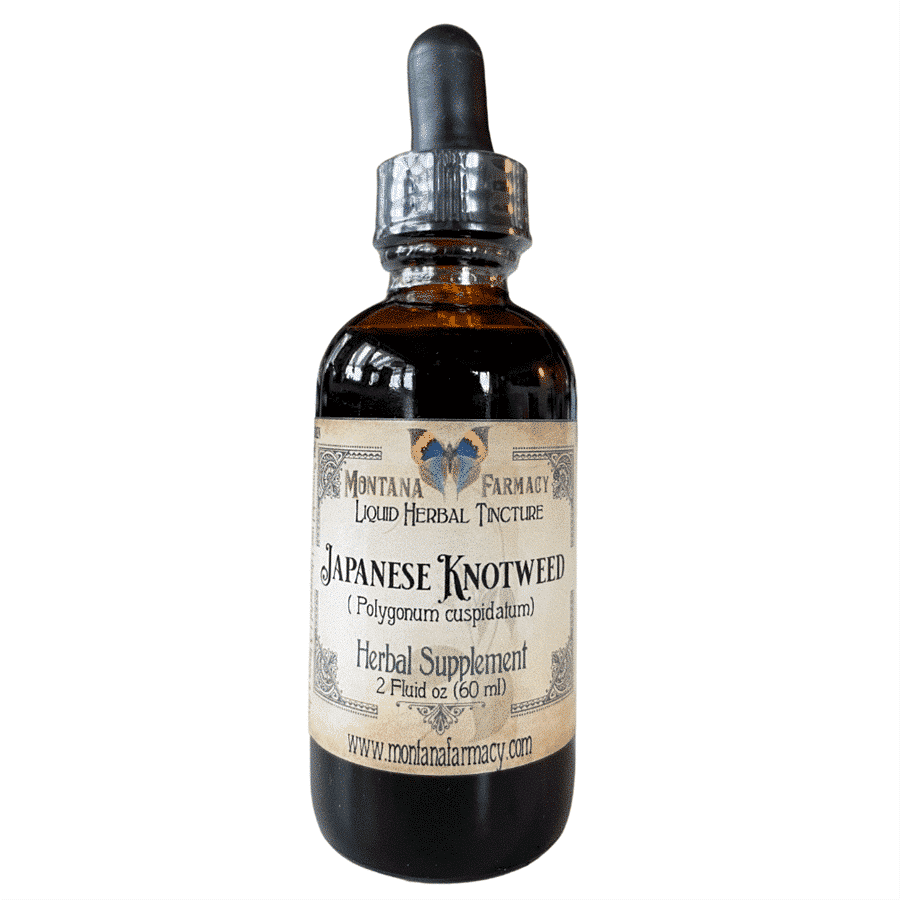
Japanese knotweed (Polygonum cuspidatum) root tincture from Montana Farmacy. Rich in resveratrol, it supports antioxidant activity, healthy circulation, and a balanced immune response.



10% off all supplements
Use code at checkout
MARTYROSS10


Opens Femologist.com in a new tab
TreatLyme and Dr. Marty Ross, MD, are affiliated with Femologist. We may earn a commission on purchases made through this link or code.
Quick Facts
Key Ingredients
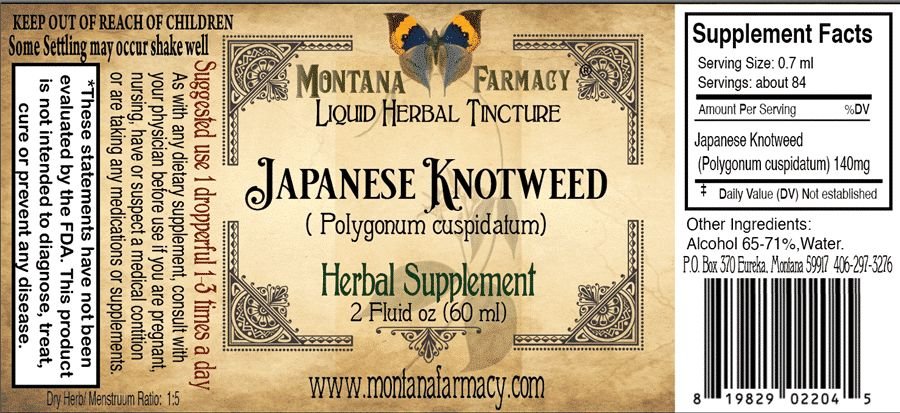
Japanese Knotweed (Polygonum cuspidatum) 140 mg
Third-party Testing
Dietary

Written by

Dr. Marty Ross, MD
Updated
September 24, 2026
Dr. Ross's Expert Review
Japanese knotweed, or Polygonum cuspidatum, is one of the workhorse herbs in my practice. I use it most as part of ongoing herbal plans, where the goal is steady support for the immune system and the body’s own microbial balance. It is a key herb in the Buhner herbal tradition and in my own support protocol, and I keep coming back to it because it does several jobs at once.
The root is rich in resveratrol. Resveratrol is a well studied plant compound with antioxidant activity, and the herb also supports healthy circulation and a balanced inflammatory response. Many people I see benefit from that combination when their systems feel run down.
Most of the research on Polygonum cuspidatum is laboratory work, including studies showing anti-microbial effects on growing and persister states of microbes. That is encouraging but limited. There are no human trials. I suggest Japanese knotweed based on theory, limited lab evidence, and my own clinical observation.
Practically, I like the tincture form. Montana Farmacy makes this one in small batches, with organic cane alcohol and water and nothing else, and the 1:5 ratio gives a dependable concentration. Liquid dosing is easy to adjust, which matters when someone is sensitive and needs to start low and go slow.
The taste can be metallic or strange; that is common and not a sign of a bad bottle. Some people get mild stomach upset, so taking it with food helps. If you take a blood thinner, this is not the herb for you unless you discuss it with your physician first.
These statements have not been evaluated by the Food and Drug Administration. This product is not intended to diagnose, treat, cure, or prevent any disease. Dr. Ross has a financial relationship with the Femologist store, where this product is sold.
How I Use It in My Practice
In my practice I use this tincture as an ongoing support herb within a larger herbal plan. I usually start people at a low number of drops once or twice a day and titrate up over a week or two. The label direction is 30 drops two to three times a day, and most people I work with settle in that range once they have adjusted. I suggest taking it in a little water or juice, and with food if the stomach is touchy. Because I use it for ongoing support rather than a short course, I check in after a month or two on how it is tolerated, including taste and digestion. I do not use it for anyone on blood thinners.
This reflects Dr. Ross's clinical experience and is educational, not medical advice. Work with your treating physician before starting, stopping, or changing any supplement or medication.
The Research, in Dr. Ross's Words
In my read of this research, the science on Polygonum cuspidatum is early but interesting. Shor and Schweig reviewed natural bioactive compounds studied in tick-borne microbes and point to Japanese knotweed as an herb in that space. Laboratory studies show antimicrobial effects against growing and persister states of microbes.
The various papers are limited. One is a narrative review, which compiles evidence but is not a trial. The others are in vitro work with no human data behind it. I have not seen large human trials of knotweed tincture, and I do not expect them soon. My confidence comes from lab work plus what I observe in practice. The honest summary: real activity, promising direction, thin human evidence.
References
From:
Montana Farmacy
If you're seeking effective online supplements to support your wellness, look no further than the Japanese Knotweed Tincture (2oz).
Directions of Use
Take 30 drops 2-3 times a day. For the best directions: discuss this product with your physician or healthcare provider.
Does not contain
May (commonly) cause metallic or strange tastes. Do not take with blood thinners, discontinue use 10 days prior to any surgery. May cause upset stomach.
Excerpted from Montana Farmacy's product information. These statements have not been evaluated by the Food and Drug Administration.
Supplement Facts
Serving Size: 0.7 mL
Servings Per Container: about 84
| Amount Per Serving | Amount | |
|---|---|---|
Japanese Knotweed (Polygonum cuspidatum) | 140 mg | |
Common Questions about Japanese Knotweed
Answers are general educational information, not medical advice for your situation.
Japanese Knotweed
By Montana Farmacy
From $25.00 · Save 10% with code MARTYROSS10
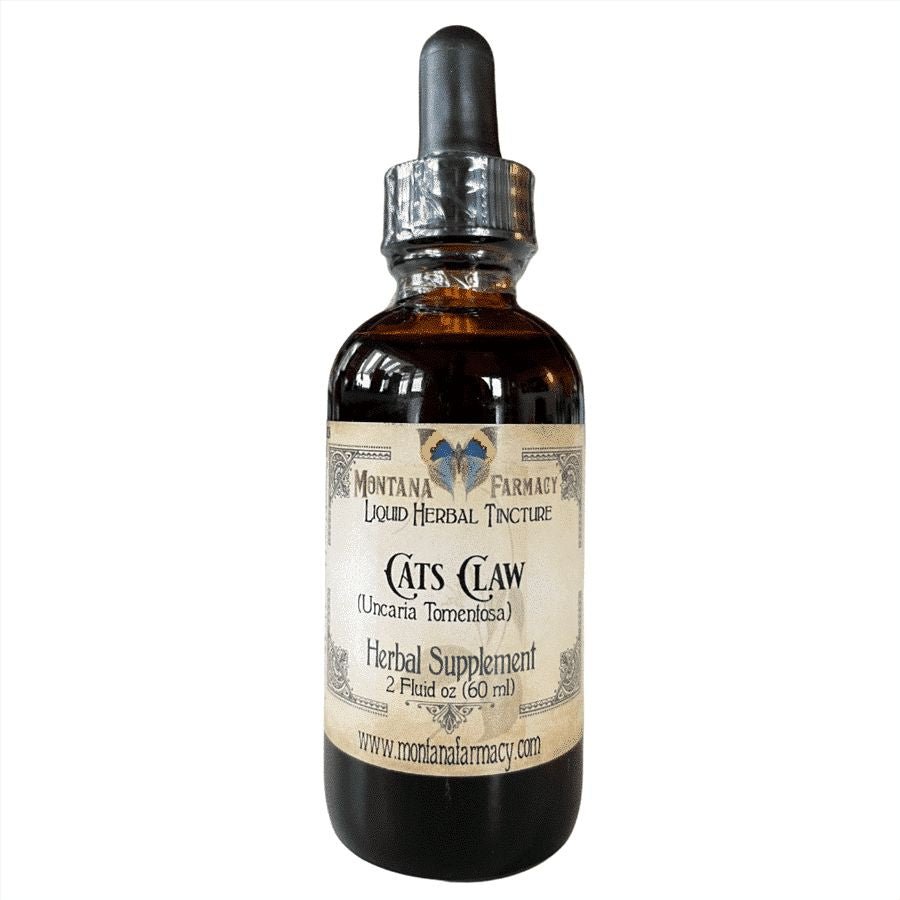
Cats Claw
A Montana Farmacy tincture featuring Uncaria tomentosa in the same infection support category.


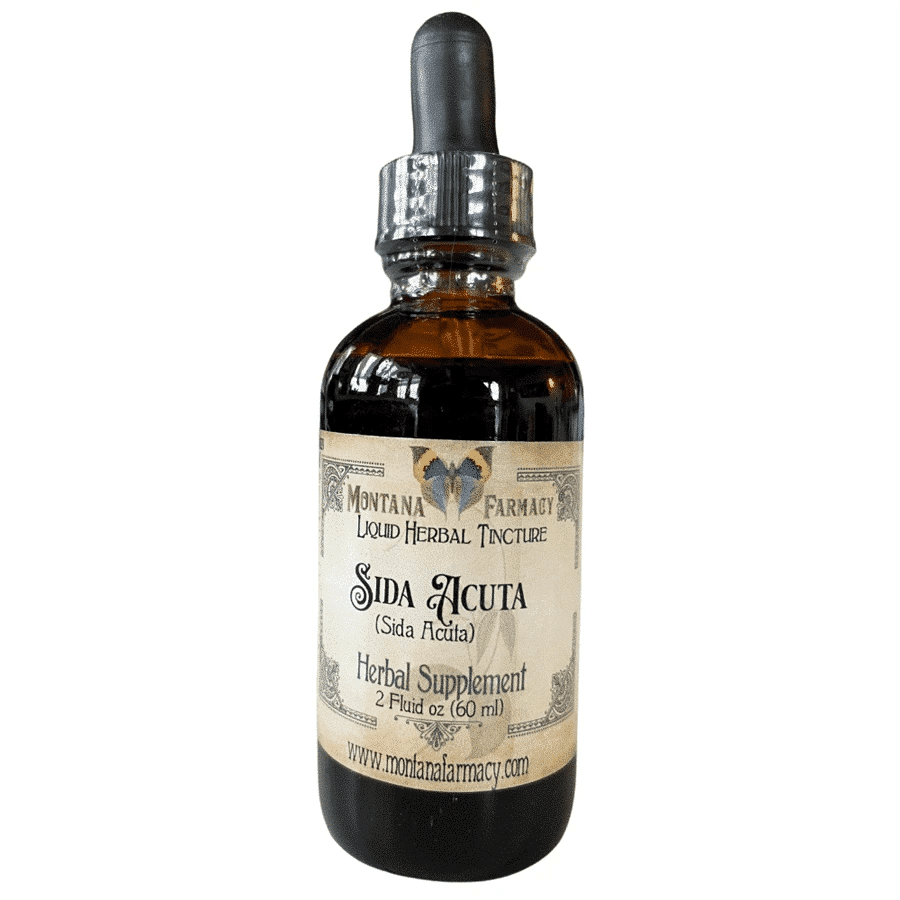
Sida Acuta
An herbal tincture from the same Montana Farmacy line in the same infection support category.
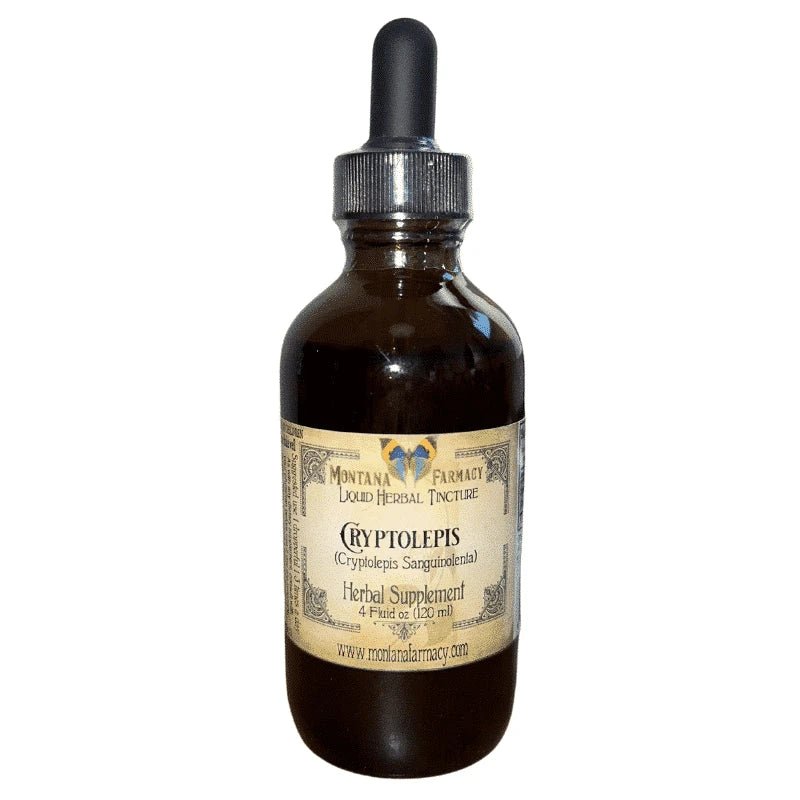
Cryptolepis
An herbal tincture from the same Montana Farmacy line in the same infection support category.
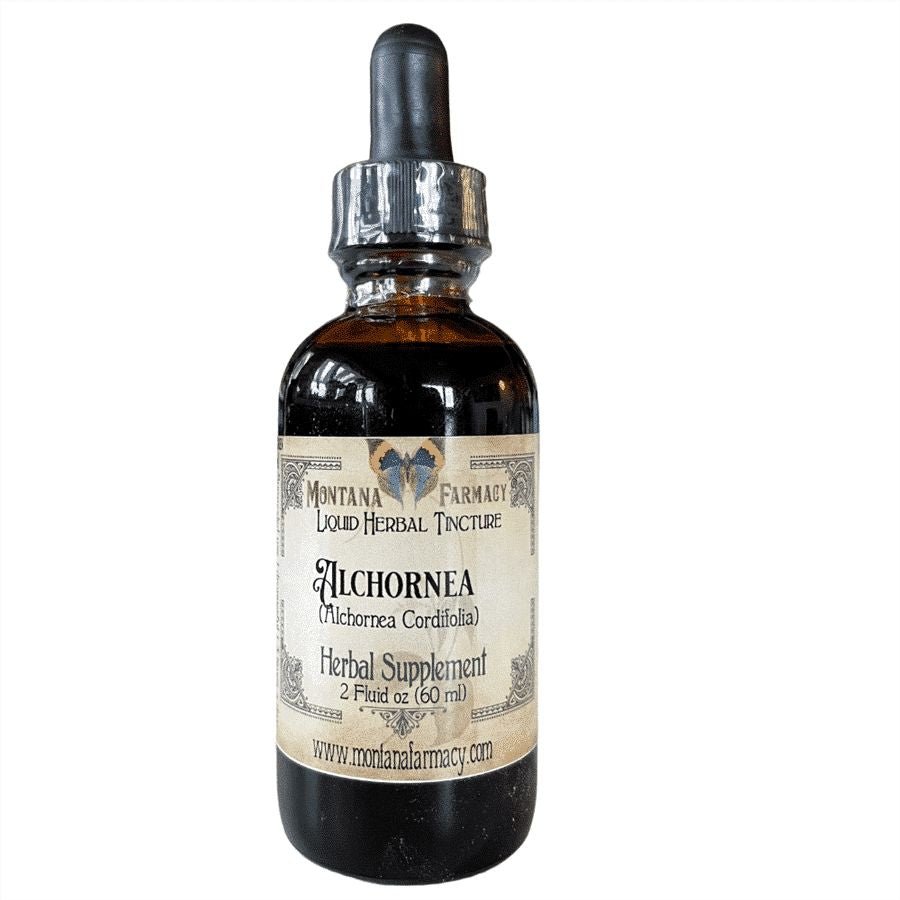
Alchornea
A Montana Farmacy tincture featuring Alchornea cordifolia in the same infection support category.
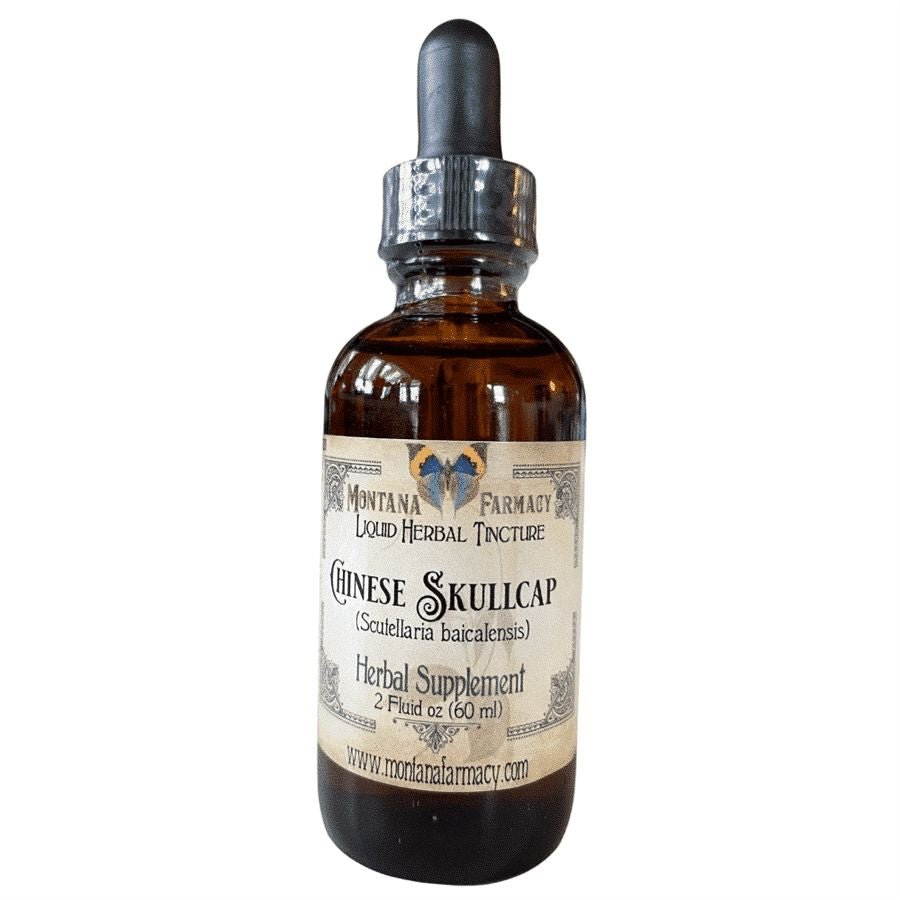
Chinese Skullcap
An herbal tincture from the same Montana Farmacy line in the same infection support category.
Guide
Best Herbal Antibiotic Plans for Lyme, Bartonella, and Babesia
An herbal plan guide that includes Japanese knotweed with step-by-step drop dosing.

Guide
Persister Lyme & Bartonella Options
A guide to persister-form herbal options that features Japanese knotweed dosing directly.
Guide
The Ultimate Bartonella Management Guide
A management guide that includes Japanese knotweed dosing as part of its herbal options.