


short course
Infection Support
Maintenance & Recovery
Persister Cell Support
Traditional 1:5 tincture of cat's claw (Uncaria tomentosa) by Montana Farmacy. Supports immune balance and the body's natural antimicrobial response, including growing and persister forms plus biofilms in lab studies.



10% off all supplements
Use code at checkout
MARTYROSS10


Opens Femologist.com in a new tab
TreatLyme and Dr. Marty Ross, MD, are affiliated with Femologist. We may earn a commission on purchases made through this link or code.
Quick Facts
Key Ingredients
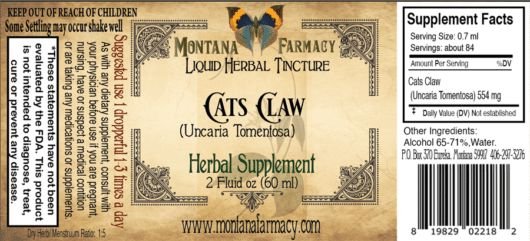
Cats Claw (Uncaria tomentosa) 554 mg
Third-party Testing
Dietary

Written by

Dr. Marty Ross, MD
Updated
September 24, 2026
Dr. Ross's Expert Review
Cat’s claw is one of the foundational herbs in traditional immune-support protocols, and Montana Farmacy’s tincture is the version I reach for. It is a traditional 1:5 extract of Uncaria tomentosa in organic cane alcohol, handcrafted in small batches. This herb appears in traditional herbal protocols like Buhner’s and Cowden’s.
Two things make it useful. First, the lab work: Uncaria tomentosa extracts show activity against Borrelia in both its growing and persister forms in petri dish experiments, and they reduce Lyme biofilms. Second, immune modulation: the same herb helps the immune system find a healthier balance, and its mitraphylline compound tamps down inflammatory cytokine release in animal work. Those are lab findings, but the human trial data is thin. Theory, lab work, and clinical observation are what carry this herb, and it carries it well.
The dosing I use is 30 drops two times a day, diluted in a little water or juice. Here is the part I emphasize most: start low and go slow. Cat’s claw stirs strong die-off reactions in a meaningful share of people, and I have seen people push too fast and land in a bad flare. If that happens, drop back to the last tolerable dose and hold. Some people need weeks at a low dose before the herb settles in.
Avoid it during pregnancy, and if you take prescription medications, talk with your physician before starting, since herb-drug interaction data for this plant is limited. In my practice it is a long-haul herb, used for months inside a full protocol, not a short course.
These statements have not been evaluated by the Food and Drug Administration. This product is not intended to diagnose, treat, cure, or prevent any disease. Dr. Ross has a financial relationship with the Femologist store, where this product is sold.
How I Use It in My Practice
In my practice, cat’s claw tincture is a staple of ongoing immune support plans. I use 30 drops two times a day, diluted in water or juice, and I keep people on it for months as part of a protocol. The start matters most: I begin low, often a quarter of the target dose, and climb over a week or two, because this herb stirs strong die-off reactions in some people. If a flare hits, we drop back and hold rather than quit. I often pair it with Japanese knotweed and other Buhner herbs, and I watch for anyone with autoimmune tendencies, since some people report flares. It is not for pregnancy. Medication users clear it with their physician first.
This reflects Dr. Ross's clinical experience and is educational, not medical advice. Work with your treating physician before starting, stopping, or changing any supplement or medication.
The Research, in Dr. Ross's Words
In my read of this research, cat’s claw is one of the better studied herbs in the tick-borne toolbox, with a consistent story across papers. A laboratory study of Uncaria tomentosa extract found activity against Borrelia burgdorferi in both growing and persister forms, and noted anti-inflammatory effects alongside it. Laboratory work also shows positive effects on biofilms. The immune work lines up: one paper shows a shift toward a Th2 cytokine profile, another found mitraphylline, a bark compound, cut key inflammatory cytokine release by about half in vivo, and extract studies point to NF-kappa B and COX pathways. A dengue virus paper adds immunomodulating and antiviral activity in human cells. Reviews of the genus round out the picture with antioxidant and antimicrobial effects that, notably, appear independent of alkaloid content.
Most of this is in vitro or animal work. The interaction study itself flags the lack of pharmacological safety data for these herbs, and nobody has run large human trials of cat’s claw in tick-borne illness. The biofilm findings are lab experiments, not clinical outcomes.
The mechanism for how cat’s claw works is coherent and multi-directional, the traditional and clinical use is decades deep, but the human evidence is early. As ongoing immune and antimicrobial support inside a full protocol, it earns its place. It is not a stand-alone treatment.
References
From:
Montana Farmacy
Montana Farmacy produces its Cats Claw Tincture (Uncaria tomentosa) in a traditional 1:5 ratio using organic can alcohol.
Directions of Use
Take 30 drops 2 times a day.
Does not contain
Avoid during pregnancy.
Excerpted from Montana Farmacy's product information. These statements have not been evaluated by the Food and Drug Administration.
Supplement Facts
Serving Size: 0.7 mL
Servings Per Container: about 84
| Amount Per Serving | Amount | |
|---|---|---|
Cats Claw (Uncaria tomentosa) | 554 mg | |
Common Questions about Cats Claw
Answers are general educational information, not medical advice for your situation.
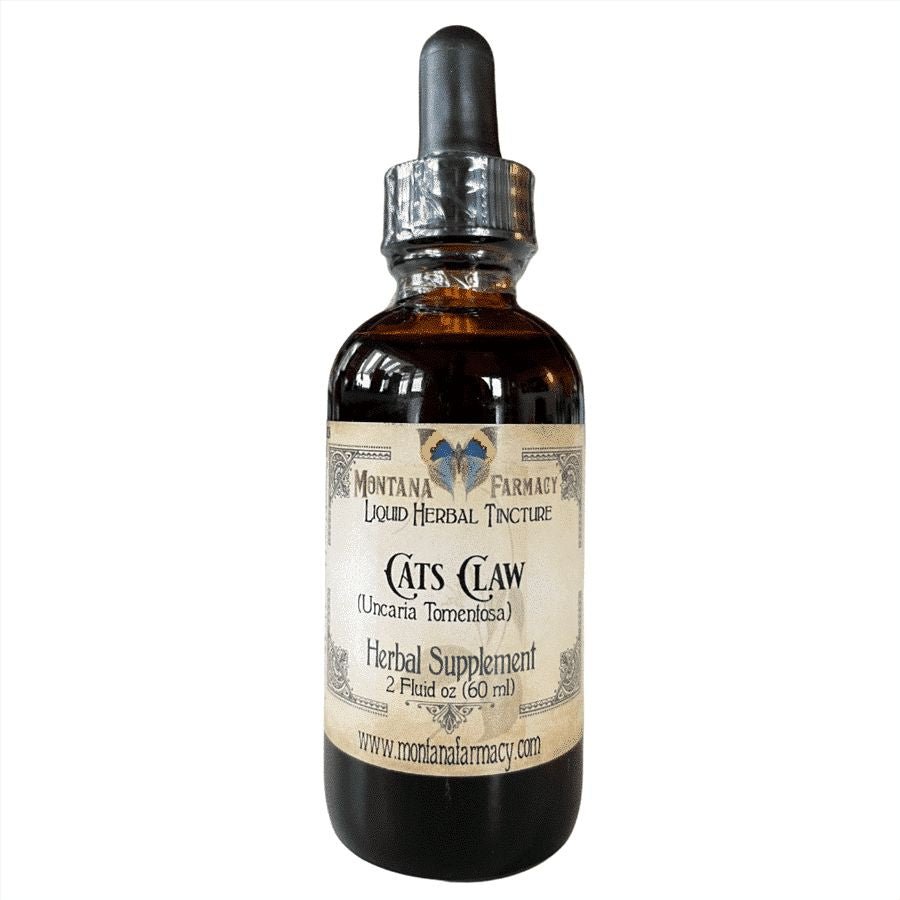
Cats Claw
By Montana Farmacy
From $25.00 · Save 10% with code MARTYROSS10
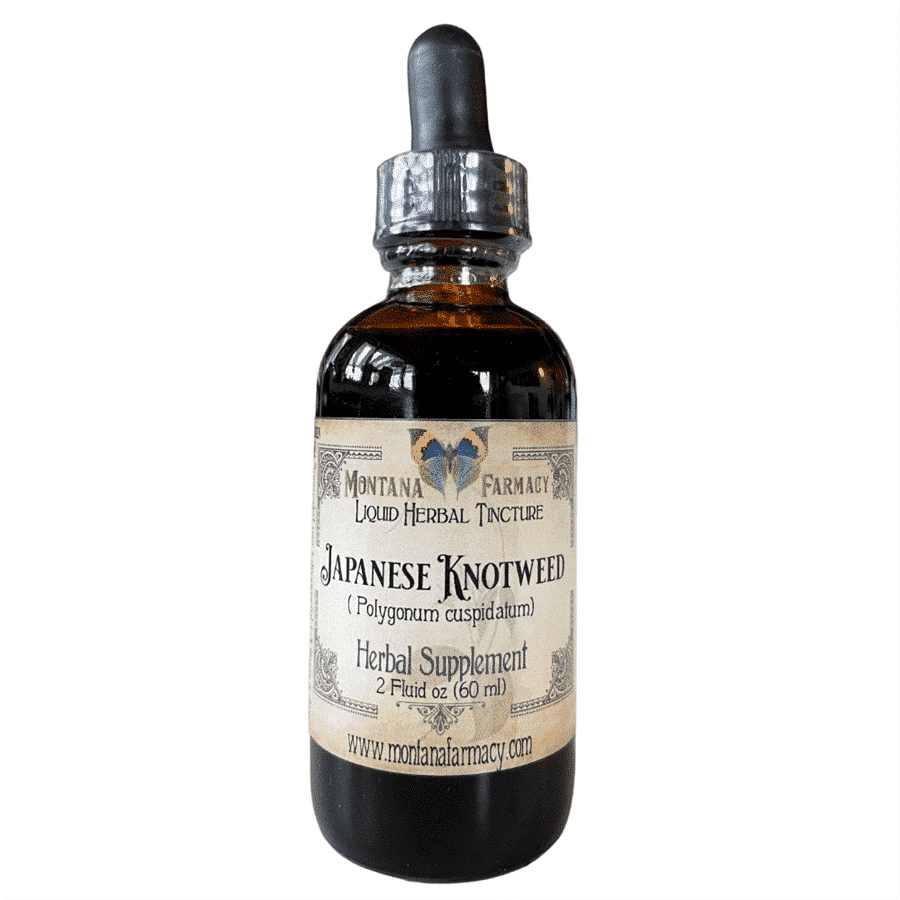
Japanese Knotweed
Buhner protocol herb in the same category; a classic pairing with cat's claw.


Guide
Otoba Bark Extract and Cat’s Claw Tinctures
Guide devoted to otoba bark and cat's claw tinctures in biofilm work.

Guide
Best Herbal Antibiotic Plans for Lyme, Bartonella, and Babesia
Herbal antibiotic plans where cat's claw is a core Buhner herb.
Guide
Lyme Protocol
The Ross Protocol; cat's claw is a key component of this support plan.