

ongoing support
Gut & Digestive Health
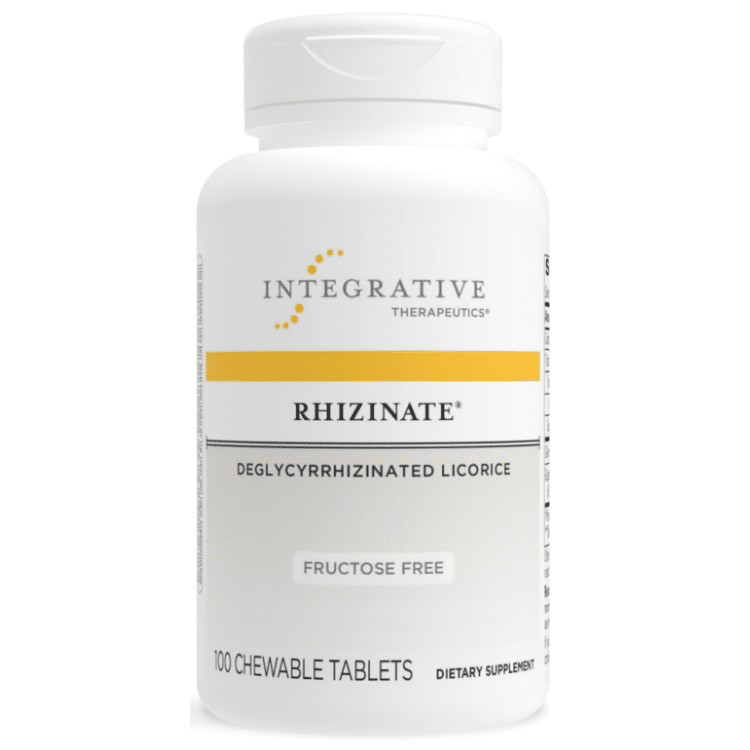
Deglycyrrhizinated licorice (DGL) and glycine in a fructose-free chewable that supports the mucosal lining of the stomach and upper intestinal tract and helps relieve occasional stomach discomfort.



10% off all supplements
Use code at checkout
MARTYROSS10


Opens Femologist.com in a new tab
TreatLyme and Dr. Marty Ross, MD, are affiliated with Femologist. We may earn a commission on purchases made through this link or code.
Quick Facts
Key Ingredients
Calories 5
Total Carbohydrate 2 g
Third-party Testing
Dietary

Dairy-free

Gluten-free

Vegan

Vegetarian

Written by

Dr. Marty Ross, MD
Updated
September 24, 2026
Dr. Ross's Expert Review
Rhizinate Fructose Free is a chewable deglycyrrhizinated licorice (DGL) product from Integrative Therapeutics. I use DGL in my practice for one main job: supporting the mucous barrier that protects the stomach lining and the upper intestinal tract. This version removes almost all of the glycyrrhizin, the licorice compound that can raise blood pressure in some people. What remains is the mucosal-support fraction of licorice root, paired here with the amino acid glycine.
Most of the people I reach for DGL with are dealing with occasional stomach discomfort after coffee, spicy food, fried food, or medications. Chewing is part of how this product works. Chewed after meals, DGL mixes with saliva and stimulates the natural protective factors in the digestive tract that keep the stomach lining comfortable. I like that it works with the body’s own lining chemistry rather than just neutralizing acid.
The glycine adds a second layer of support. Glycine is an amino acid that supports intestinal cell health and healthy tight junction function in laboratory studies. In my review of the research, glycine rounds out what DGL does for the gut wall.
The fructose-free part is practical. Many DGL chewables are sweetened with fructose or sugar. This one uses sorbitol and mannitol instead, which matters for anyone sensitive to fructose or trying to avoid added sugars. If sweeteners have kept you away from DGL chewables, this version solves that.
The older research trials of DGL in stomach ulcer healing are small and would not meet today’s trial standards. Trials of the licorice extract in this product reported symptom improvements in functional dyspepsia; results in trials do not guarantee the same effect for every user. The evidence for mucosal support is reasonable; the evidence for anything beyond that is limited.
DGL is not a substitute for a physician’s evaluation of ongoing digestive symptoms. Work with your physician when symptoms persist.
These statements have not been evaluated by the Food and Drug Administration. This product is not intended to diagnose, treat, cure, or prevent any disease. Dr. Ross has a financial relationship with the Femologist store, where this product is sold.
How I Use It in My Practice
In my practice I use Rhizinate Fructose Free most for people with occasional stomach discomfort after meals or with medications, especially when they do not tolerate fructose. I recommend two chewable tablets before irritating supplements or medications or before meals and bed up to 4 times a day. My recommendation differs from the manufacturers, so you should discuss it with your physician first. I have people chew thoroughly, since mixing DGL with saliva is part of how it works. I treat it as ongoing lining support rather than a quick fix, and I tell people to give it several weeks before judging it. If someone is pregnant, nursing, or on prescription medications, they should discuss using this supplement with their prescriber. When discomfort persists, I do not keep adding supplements; I look for the cause with the patient.
This reflects Dr. Ross's clinical experience and is educational, not medical advice. Work with your treating physician before starting, stopping, or changing any supplement or medication.
The Research, in Dr. Ross's Words
The science behind this product rests on two ingredients, and the evidence for each is uneven. The older DGL literature is thin. Three trials from the 1970s, including a double-blind cross-over trial and a retrospective endoscopic survey of 32 patients with chronic duodenal ulcers, reported benefits of DGL for the gastric mucosa. A 1978 study found DGL reduced aspirin-induced gastric mucosal damage in animals and fecal blood loss in human volunteers taking aspirin. These studies are small, some rely on animal work, and none would meet the design standards of a modern trial. However, these trials are consistent with DGL’s traditional mucosal-support use, but are too small to prove benefit.
The modern evidence is stronger. A randomized, double-blind, placebo-controlled trial from 2011 found the GutGard licorice extract in this product improved functional dyspepsia symptoms, and a 2025 phase III trial reported better and earlier resolution of heartburn and regurgitation compared to placebo. These are the studies I weigh most.
The glycine research is laboratory-based. A 2003 review described glycine’s cytoprotective and immune-modulating properties, and a 2010 study showed glycine protected human intestinal epithelial cells from oxidative damage through the GLYT1 transporter. These laboratory studies provide research support for the mechanism by which glycine could work in humans.
Where does that leave us? The trials agree that licorice extracts support mucosal comfort, and the mechanism is plausible. The older ulcer trials are limited, and the glycine evidence has not yet been shown in humans. Reasonable support, but honest limits about benefits in humans. With this in mind, I do try this product with my patients, but monitor to see if there will be real benefit.
References
From:
Integrative Therapeutics
PROVIDES SOOTHING DIGESTIVE RELIEF* WHAT IT IS: Rhizinate Fructose Free is deglycyrrhizinated licorice (DGL) in a fructose-free chewable formula for soothing digestive relief. HOW IT WORKS: The stomach maintains an acidic pH that helps to initiate digestion and promote microbial defense, yet its epithelial tissues must simultaneously be shielded against harsh acidic conditions. The stomach’s protective mucin barrier must be intact in order to protect stomach health and comfort. Patients who experience an occasional discomfort after consuming coffee, spicy or fried foods may benefit from supplementing with a plant-based agent such as deglycyrrhizinated licorice (DGL), which has been shown in animal studies to support the mucosal lining of the stomach and intestines. HELPS RELIEVE OCCASIONAL STOMACH DISCOMFORT*: Rhizinate Fructose Free is DGL in a fructose-free chewable formula. Rhizinate works by stimulating natural protective factors in the digestive tract that help relieve occasional stomach discomfort. Rhizinate contains less than 1% glycyrrhizin which may elevate blood pressure in some individuals.
Directions of Use
Adults chew 3 tablets after food in the morning. Chew 3 tablets after food in the evening, or as recommended by a healthcare professional.
Does not contain
artificial-colors
dairy
gluten
soy
sugar
wheat
If you are pregnant, nursing, or taking any medications, consult a healthcare professional before use. Keep out of reach of children. Safety sealed with inner seal. Do not use if seal is broken or missing. Keep tightly closed. Store at room temperature. Avoid excessive heat and direct sunlight.
Excerpted from Integrative Therapeutics's product information. These statements have not been evaluated by the Food and Drug Administration.
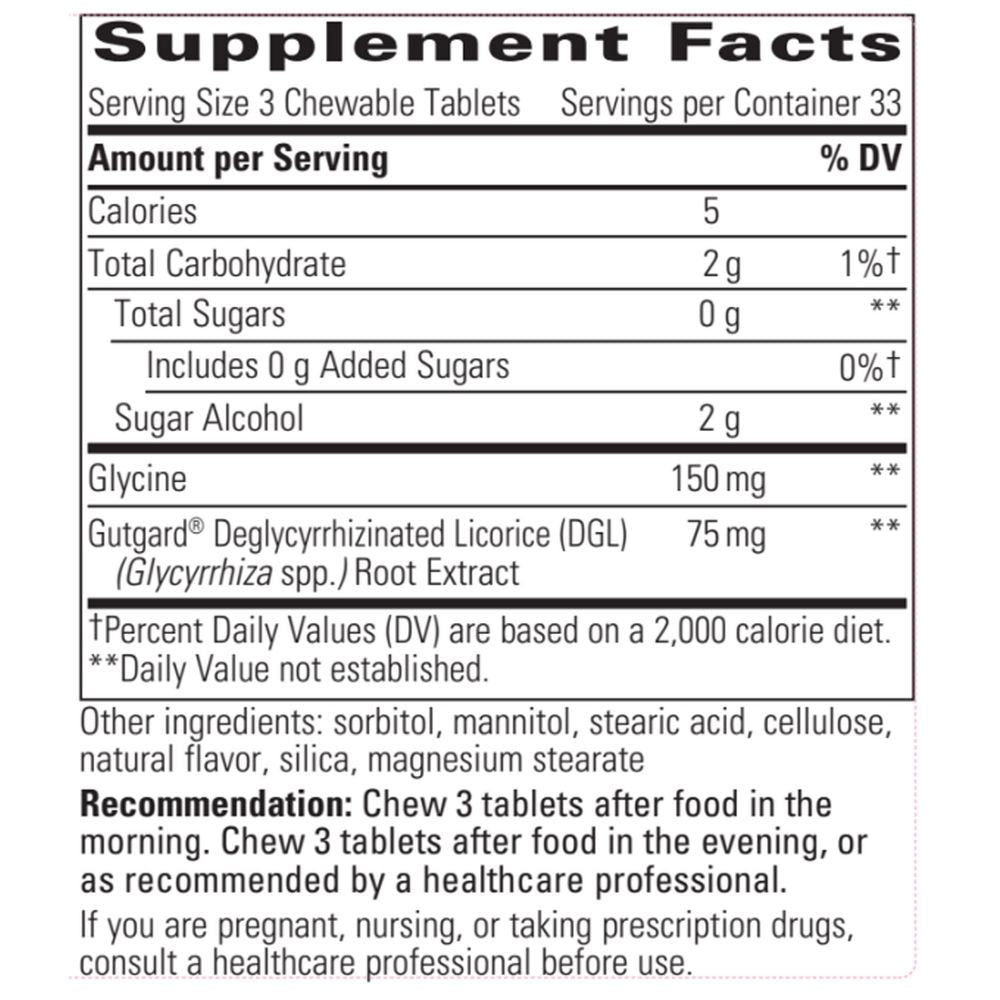
Supplement Facts
Serving Size: 3 Chewable Tablets
Servings Per Container: 33
| Amount Per Serving | Amount | |
|---|---|---|
Calories | 5 | |
Total Carbohydrate | 2 g | |
Total Sugars | 0 g | |
Includes 0 g Added Sugars | ||
Sugar Alcohol | 2 g | |
Glycine | 150 mg | |
Gutgard Deglycyrrhizinated Licorice (DGL) (Glycyrrhiza spp.) Root Extract | 75 mg | |
† Daily Value (DV) not established. | ||
Common Questions about Rhizinate (Fructose Free)
Answers are general educational information, not medical advice for your situation.
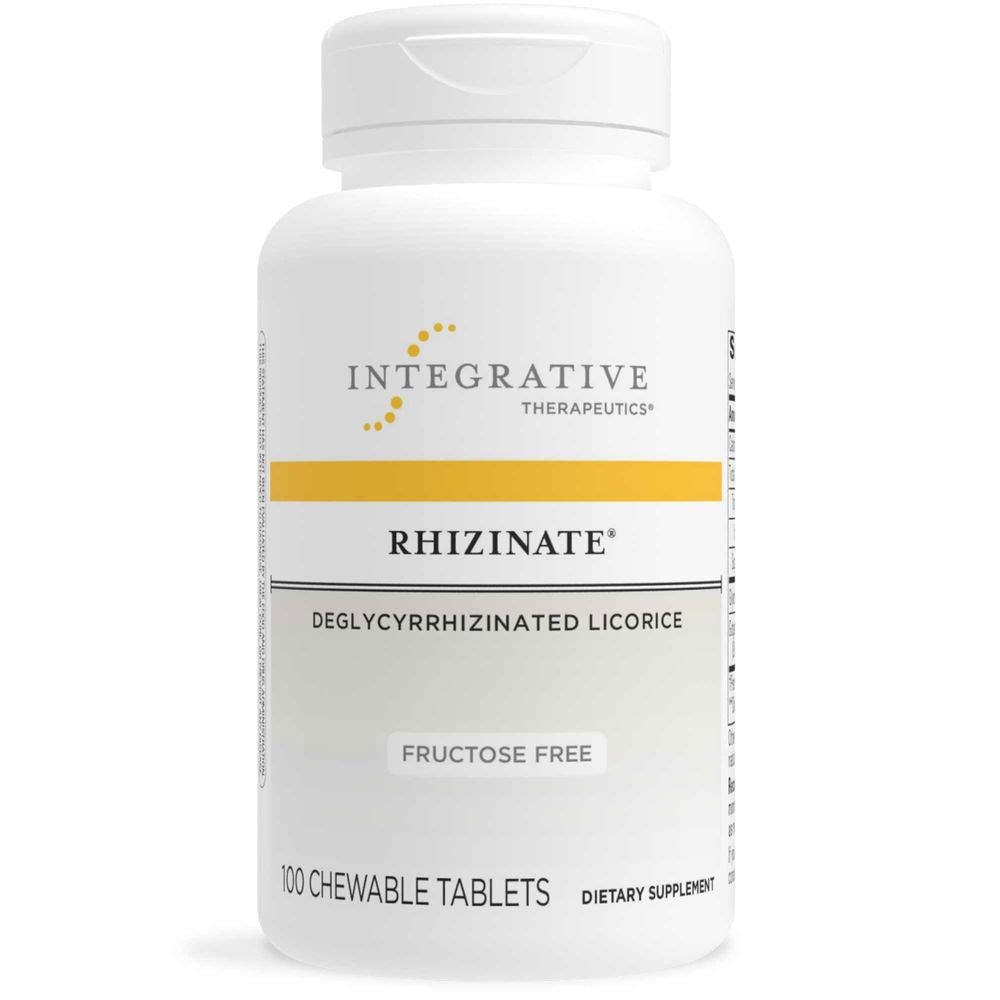
Rhizinate (Fructose Free)
By Integrative Therapeutics
From $15.50 · Save 10% with code MARTYROSS10
Rhizinate
Same DGL and glycine formula in the original Rhizinate; compare when fructose is not a concern.


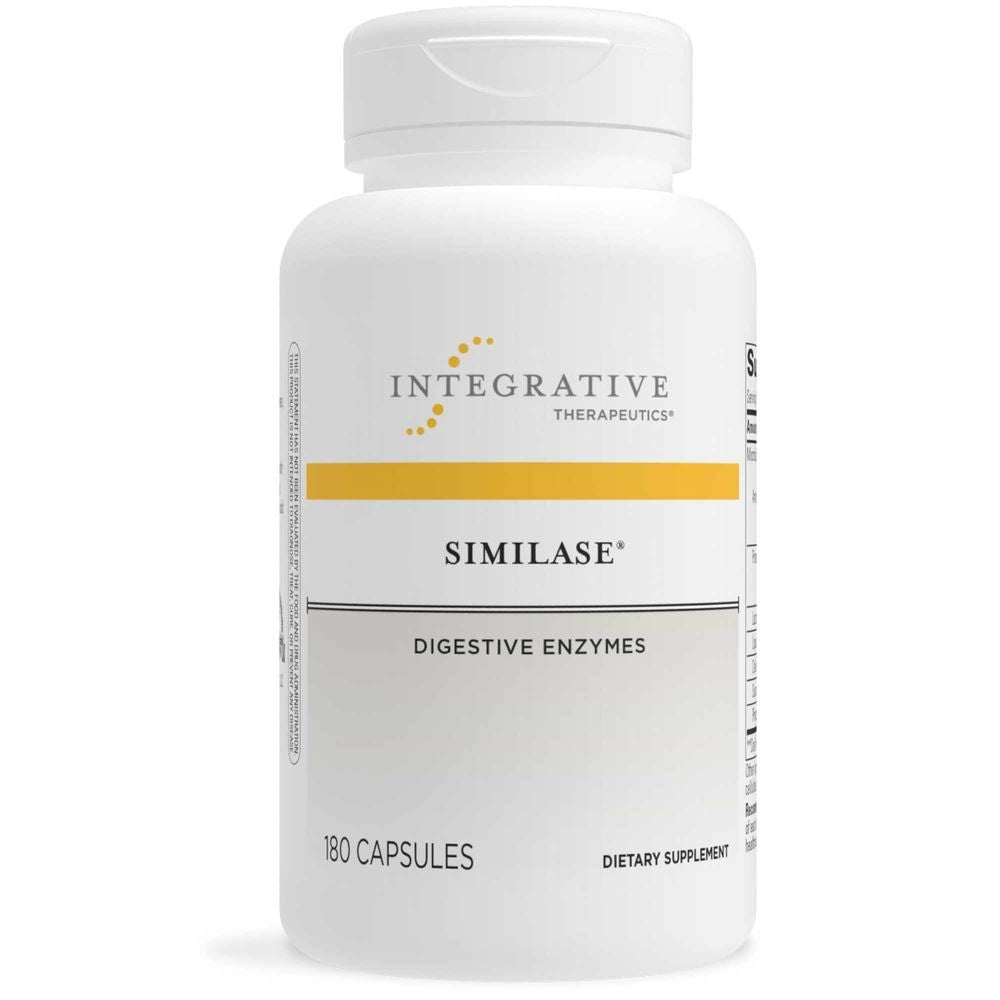
Similase
Microbial enzyme blend that supports meal digestion alongside DGL for gut comfort.
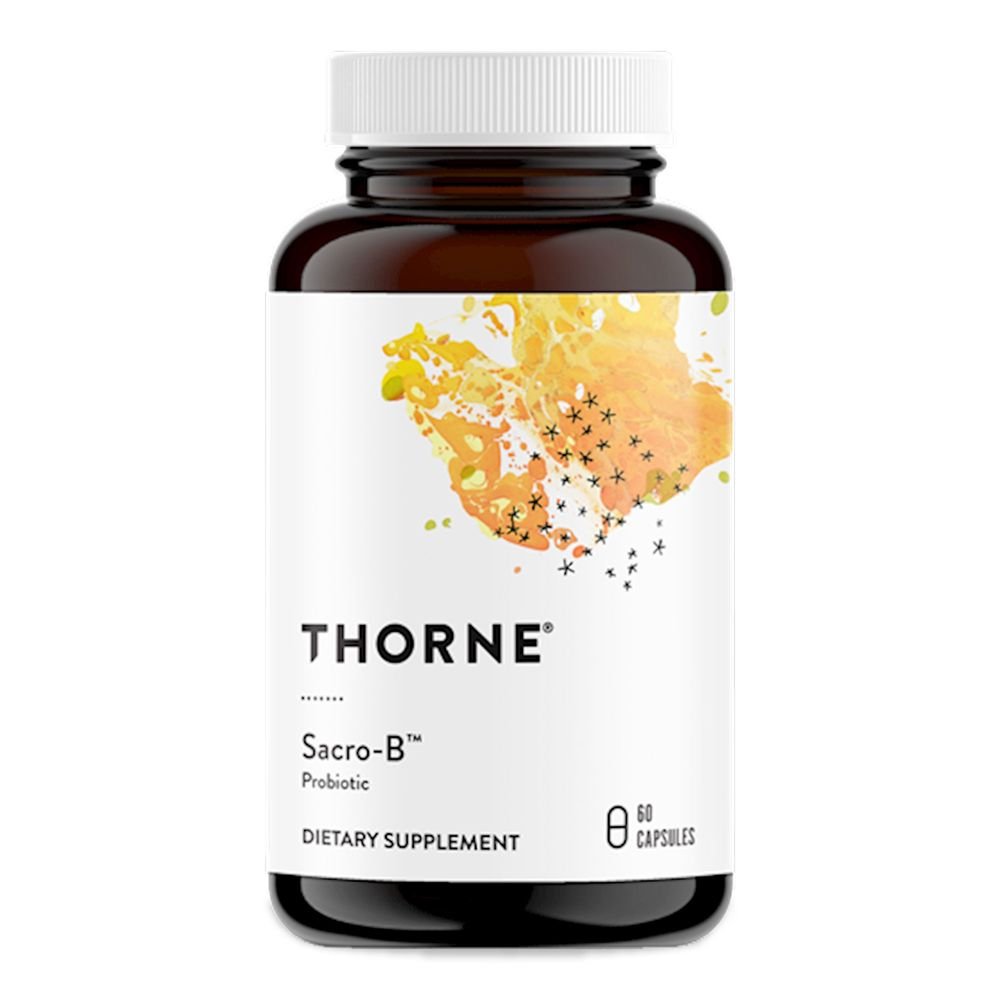
Sacro-B
Saccharomyces boulardii probiotic that supports a healthy intestinal microbiome.
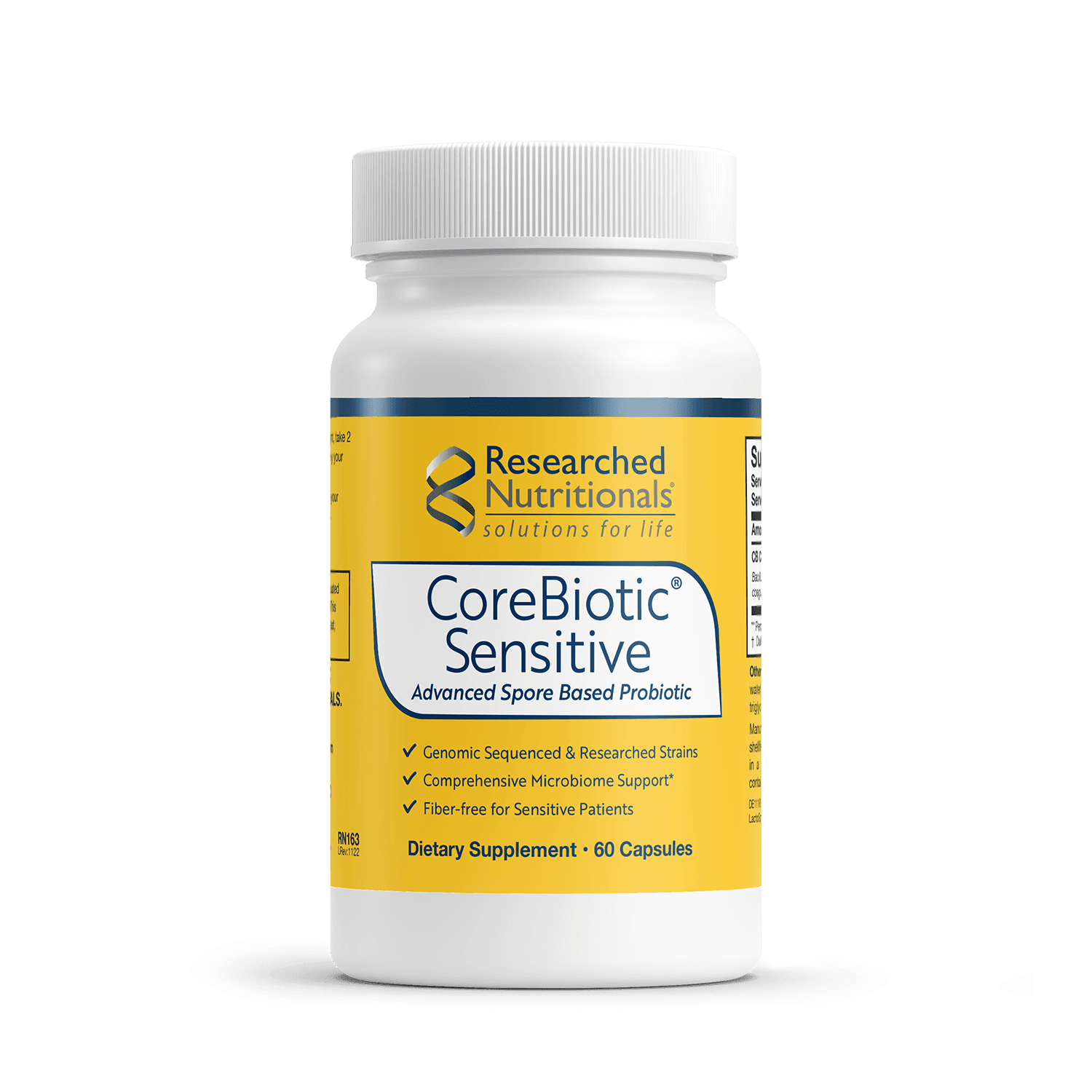
CoreBiotic Sensitive
Bacillus coagulans probiotic that supports healthy gut flora and digestion.
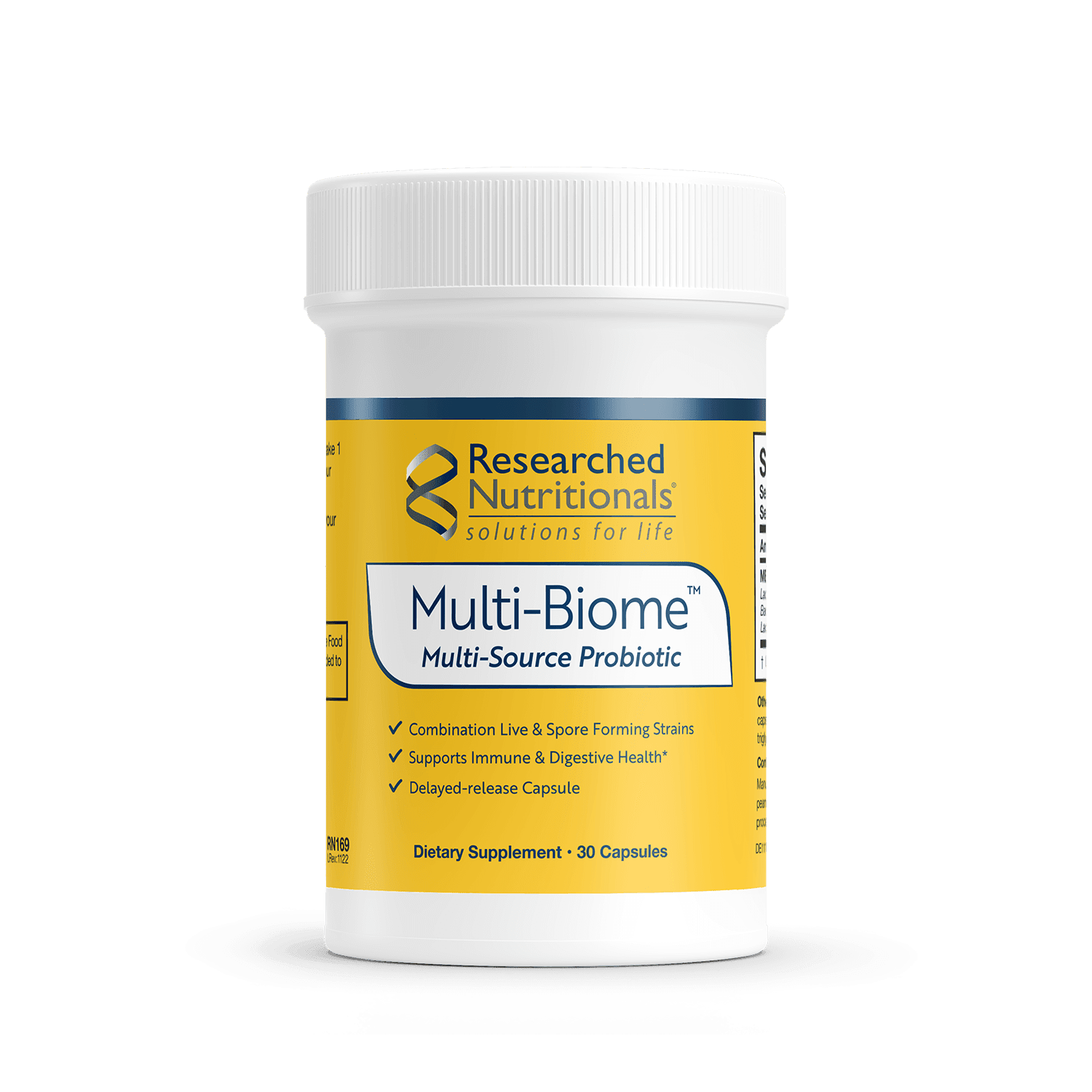
Multi-Biome
Multi-strain probiotic that supports microbiome balance alongside mucosal lining support.
