


ongoing support
Candida & Yeast Balance
Gut & Digestive Health
Probiotics & Prebiotics
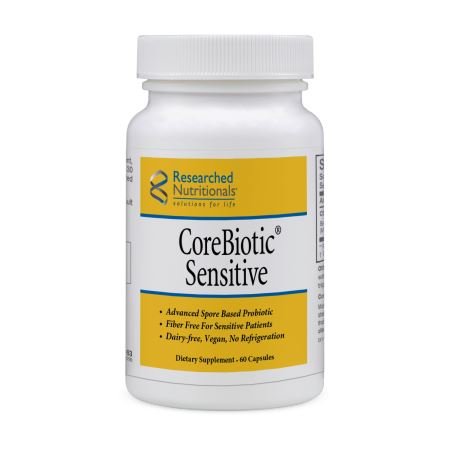
CoreBiotic Sensitive is a spore-forming probiotic from Researched Nutritionals with 11 billion CFU of three Bacillus strains and no prebiotic fiber, made for sensitive guts, supporting a balanced intestinal microbiome and healthy digestion.



10% off all supplements
Use code at checkout
MARTYROSS10


Opens Femologist.com in a new tab
TreatLyme and Dr. Marty Ross, MD, are affiliated with Femologist. We may earn a commission on purchases made through this link or code.
Quick Facts
Key Ingredients
Total Carbohydrate 1 g
Organic VitaFiber (Isomalto-oligosaccharide mixture) (Prebiotic) 660 mg
Third-party Testing
Dietary

Dairy-free

Gluten-free

GMO-free

Prebiotic-free

Vegan

Written by

Dr. Marty Ross, MD
Updated
September 24, 2026
Dr. Ross's Expert Review
CoreBiotic Sensitive is the probiotic I reach for when a regular probiotic causes intestinal discomfort. Some people bloat or react to the prebiotic fibers most formulas include. Researched Nutritionals formulated this probiotic without any prebiotic fiber, which also makes it a fit for anyone following a low FODMAP diet. It is the same 11 billion CFU, three-strain formula as their original CoreBiotic, minus the fiber.
The three strains here, Bacillus coagulans and Bacillus subtilis, are spore-forming soil-based organisms. The spore shell survives stomach acid, which kills many standard probiotic strains before they reach the intestines. Spore forming probiotics do not require refrigeration. Once in the gut, the bacteria leave the spore form and get to work through competitive exclusion, crowding out organisms you do not want.
In my practice, I use it for people managing gut sensitivity or following a low FODMAP approach. Spore forming probiotics support healthy digestion, gut-associated immune function, and the intestinal barrier. A healthy diet is also critical.
Each strain here has human trial data behind it, including trials on abdominal comfort, bloating, motility, and stool consistency. Probiotic research is strain-specific, so I pay attention to which strain a study tested. The strains in this product are fully sequenced and registered, so you get the same organisms every bottle.
I suggest two capsules once a day, at least 30 minutes before eating. One caution: the medium chain triglycerides in this product come from coconut, so anyone with a tree nut allergy should review the label with their physician. Pregnancy and nursing call for a physician’s review too.
For sensitive guts, this is one of the cleanest probiotic options I use. No fiber, no refrigeration, well-researched strains, and a simple once-daily dose.
These statements have not been evaluated by the Food and Drug Administration. This product is not intended to diagnose, treat, cure, or prevent any disease. Dr. Ross has a financial relationship with the Femologist store, where this product is sold.
How I Use It in My Practice
I use CoreBiotic Sensitive for the people in my practice who react to other probiotics. The dose I use is 2 capsules once a day, at least 30 minutes before food, which is the manufacturer direction and what I see work in practice. Because it has no prebiotic fiber, I can use for people managing gut sensitivity or following a low FODMAP approach. Anyone with a tree nut allergy reviews the coconut-derived ingredients with their physician first, and pregnancy or nursing calls for the same conversation before starting.
This reflects Dr. Ross's clinical experience and is educational, not medical advice. Work with your treating physician before starting, stopping, or changing any supplement or medication.
The Research, in Dr. Ross's Words
There is individual research on each of the three specific strains in this formula. For Bacillus coagulans, randomized trials show meaningful effects on gut comfort. A 2019 randomized trial of B. coagulans Unique IS2 improved abdominal symptoms in adults with IBS, and a 2009 double-blind trial found the same strain family improved abdominal pain and bloating. A 2021 controlled trial of the SNZ 1969 strain improved intestinal motility and constipation perception in healthy adults.
For Bacillus subtilis DE111, the research evidence is solid. A 2021 randomized trial found DE111 improved gastrointestinal function and stool consistency in healthy adults, and a 2020 review of clinical and preclinical work supports its role in gut health and immune function through competitive exclusion and communication with intestinal cells.
Where the research strength is limited: most of these trials are small to moderate in size, several measure healthy adults rather than sensitive patients, and no trial tests the three-strain combination itself. The strain-level evidence is genuine, the combination is a reasonable assembly of researched strains, and the product claims are reasonable. I use it as a probiotic support for people sensitive to prebiotic fibers.
References
From:
Researched Nutritionals
CoreBiotic® Sensitive was specifically developed for patients who are trying to avoid fiber and is an ideal probiotic for patients who may be following a low FODMAP diet. CoreBiotic® Sensitive combines three fully sequenced and registered spore-based probiotics to support a healthy microbiome. Each strain was specifically chosen for its mechanisms of action, backed by supporting research.
Directions of Use
Take 2 capsules once daily or use as directed by your healthcare professional.
Does not contain
crustacean-shellfish
eggs
fish
gluten
milk
peanuts
soy
wheat
Caution: If pregnant or nursing, consult your health care professional before use. California Proposition 65 Warning: This product contains herbs and/or minerals which come from the soil. As such, it may contain small amounts of naturally occurring chemicals. Can expose you to lead, a reproductive toxicant. See www.P65Warnings.ca.gov/food
Excerpted from Researched Nutritionals's product information. These statements have not been evaluated by the Food and Drug Administration.
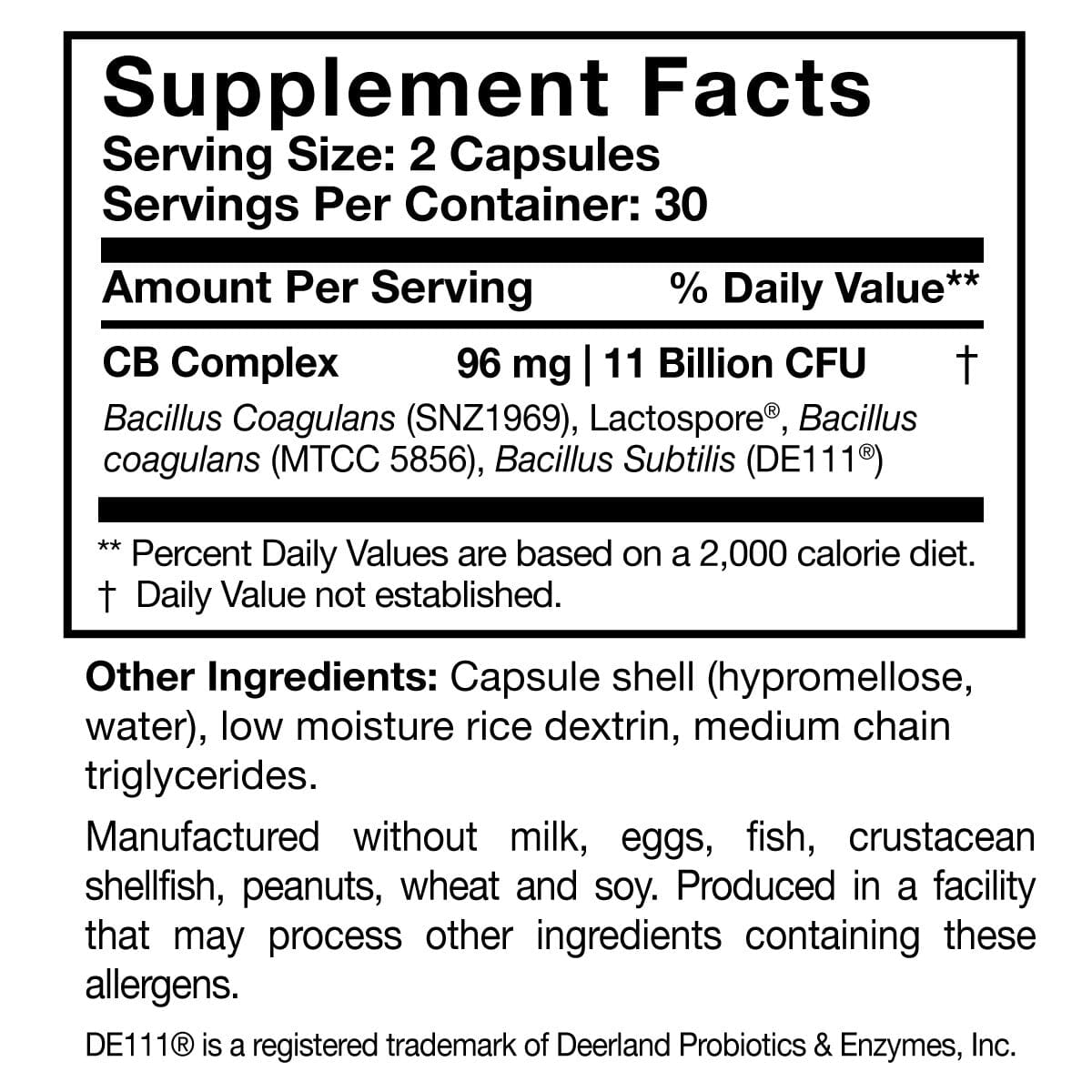
Supplement Facts
Serving Size: 2 Capsules
Servings Per Container: 30
| Amount Per Serving | Amount | |
|---|---|---|
Total Carbohydrate | 1 g | |
Organic VitaFiber (Isomalto-oligosaccharide mixture) (Prebiotic) | 660 mg | |
CB Complex Bacillus coagulans (SNZ1969), Lactospore (Bacillus coagulans MTCC 5856), Bacillus subtilis (DE111) | 96 mg / 11 Billion CFU | |
Common Questions about CoreBiotic Sensitive
Answers are general educational information, not medical advice for your situation.
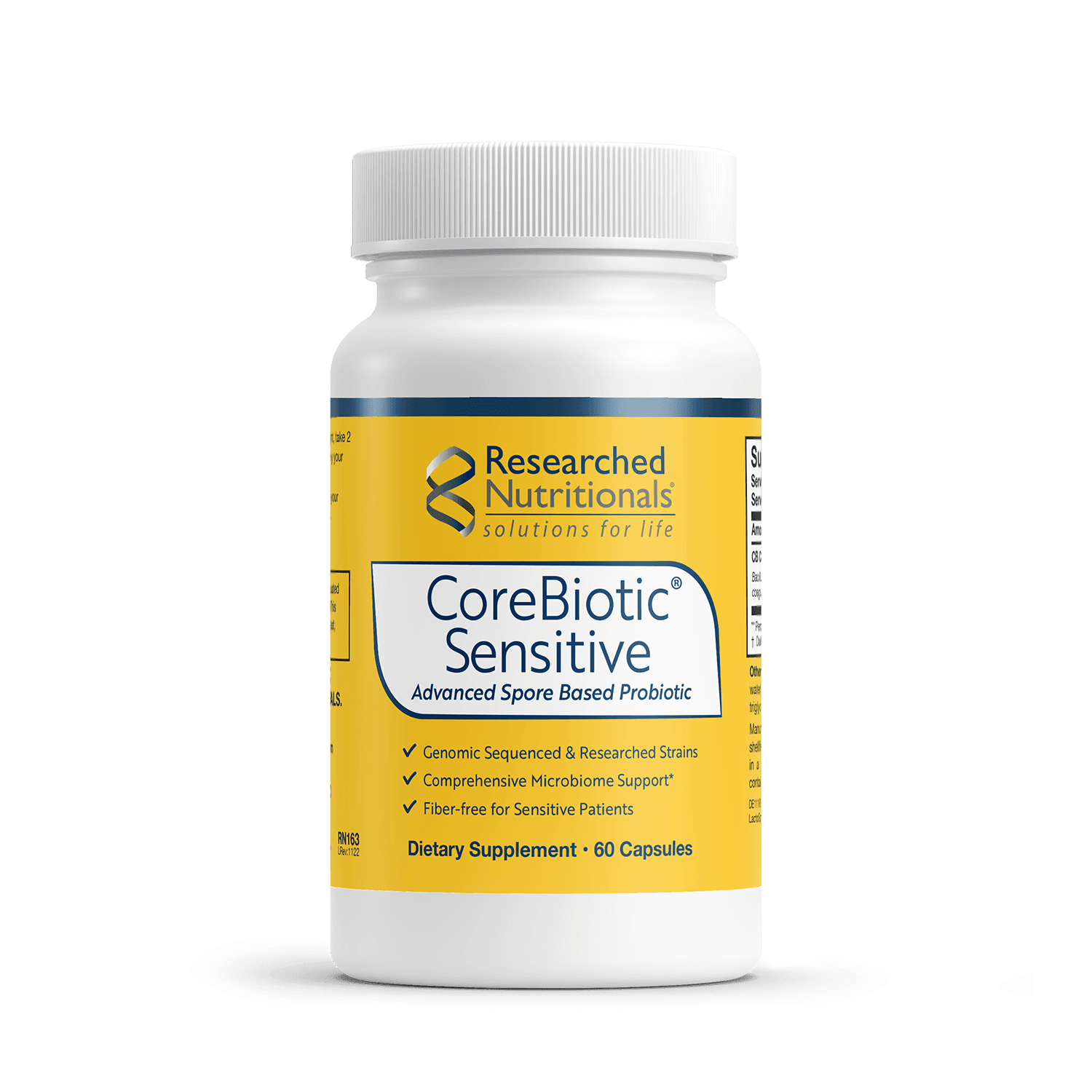
CoreBiotic Sensitive
By Researched Nutritionals
From $43.98 · Save 10% with code MARTYROSS10


Guide
Your Guide to a Healthy Intestinal Microbiome—Even on Antibiotics
Guide to a healthy microbiome, includes probiotic choices

Guide
Kills & Prevents Yeast: A Brief Guide
Covers yeast balance where probiotics fit the plan
Guide
Small Intestine Bacterial Overgrowth (SIBO) in Lyme Disease
Discusses SIBO and sensitive gut approaches