

ongoing support
Hormone Support
Immune Defense
Vitamins & Minerals
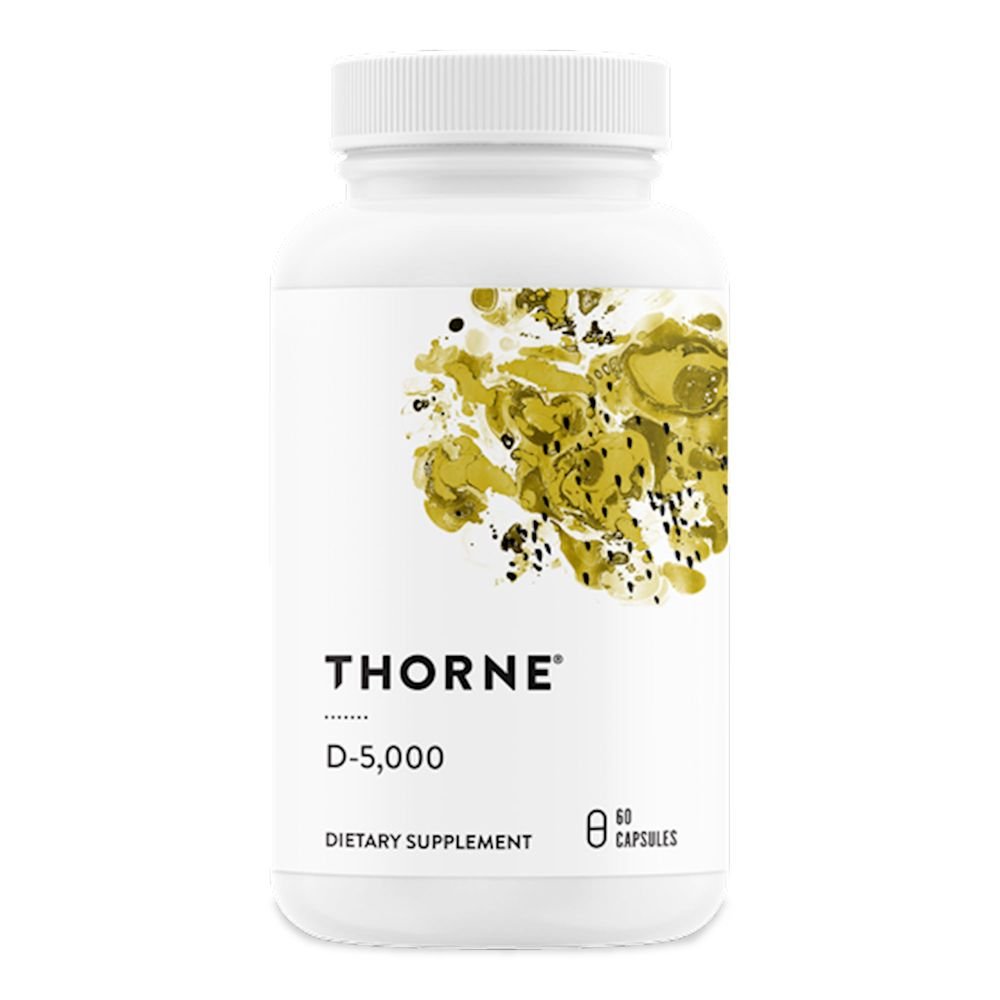
A highly absorbable 30 mg zinc picolinate supplement from Thorne, supporting immune function, skin health, and the body's natural antioxidant defenses.



10% off all supplements
Use code at checkout
MARTYROSS10


Opens Femologist.com in a new tab
TreatLyme and Dr. Marty Ross, MD, are affiliated with Femologist. We may earn a commission on purchases made through this link or code.
Quick Facts
Key Ingredients
Zinc 30 mg
Third-party Testing
Dietary

Dairy-free

Derived from natural colors

Derived from natural flavors

Gluten-free

Soy-free

Written by

Dr. Marty Ross, MD
Updated
September 24, 2026
Dr. Ross's Expert Review
If I had to keep only a handful of foundational supplements on my shelf, zinc would be one of them. It is an essential mineral involved in close to 200 enzymatic reactions in the body. The immune system leans on it heavily, and so do skin, nerves, eyes, and hormones.
The problem with zinc is not whether to take it, it is which form. Some zinc forms are poorly absorbed and upset the stomach. Zinc picolinate is one of the better-absorbed forms, and Thorne’s 30 mg capsule is the version I use most.
What zinc actually does
Zinc contributes to the activation of T-lymphocytes, the immune cells that coordinate response. It supports antioxidant activity, skin and connective tissue, and the body’s normal production of testosterone.
The copper question
Here is the caution most people miss. Zinc and copper share absorption pathways, and zinc wins. Taken long term without copper, zinc can gradually create a copper problem. The label says it plainly: long-term zinc supplementation should include copper in a 15 to 1 zinc-to-copper ratio. I follow that in practice, and I have people watch for it.
The research on zinc and immunity is broad but uneven. There are good trials in specific groups, lab studies on immune cells, and a lot of general population advice that lacks sound science support. Due to its function, zinc is a foundational support.
The bottom line
One capsule a day, with a meal, is a simple habit that covers a real base. If you take it for more than a few months, pair it with copper and review the plan with your physician.
These statements have not been evaluated by the Food and Drug Administration. This product is not intended to diagnose, treat, cure, or prevent any disease. Dr. Ross has a financial relationship with the Femologist store, where this product is sold.
How I Use It in My Practice
I use zinc picolinate as an ongoing foundational mineral in immune support regimens, one 30 mg capsule a day with a meal. The dose most people need is modest, and more is not better. When someone stays on zinc for more than a few months, I add copper at a 15 to 1 zinc-to-copper ratio, because long-term zinc on its own can gradually crowd copper out. I also look at the whole picture first: sleep, diet, and gut health do more than any single mineral. Anyone pregnant, nursing, or managing a health condition should clear it with their physician, and a bottle of 60 capsules lasts two months at the standard dose.
This reflects Dr. Ross's clinical experience and is educational, not medical advice. Work with your treating physician before starting, stopping, or changing any supplement or medication.
The Research, in Dr. Ross's Words
Of the foundation minerals, zinc has some of the better research support for immune function. Cheng and colleagues showed that zinc supplementation reduced the formation of neutrophil extracellular traps by lowering PAD4 expression, which points to a role in keeping innate immune cells from over-activating. Baarz and colleagues reviewed the aging immune system and drew close parallels between suboptimal zinc status and immune decline, including blunted vaccine responses in older adults with low zinc.
Two papers speak to the picolinate form itself. Han and colleagues found that zinc picolinate reduced inflammatory and oxidative damage and supported intestinal barrier integrity in a rat model, animal research that is promising but far from human evidence. Modec and colleagues characterized zinc-picolinate chemistry and found moderate antibacterial activity in some synthetic complexes, though picolinic acid alone was inactive, a chemistry finding rather than a clinical one.
Mozaffar and colleagues meta-analyzed randomized trials and found zinc supplementation improved taste disorders in several groups, one of the clearer human signals for zinc replenishment. Overall: strong mechanism, decent human data in specific situations, and honest limits elsewhere.
References
From:
Thorne
A well-researched form of zinc that exhibits superior absorption and tolerability. Zinc supports skin and connective tissues, protects against oxidative stress, and promotes immune, eye, nerve, and reproductive health.
Directions of Use
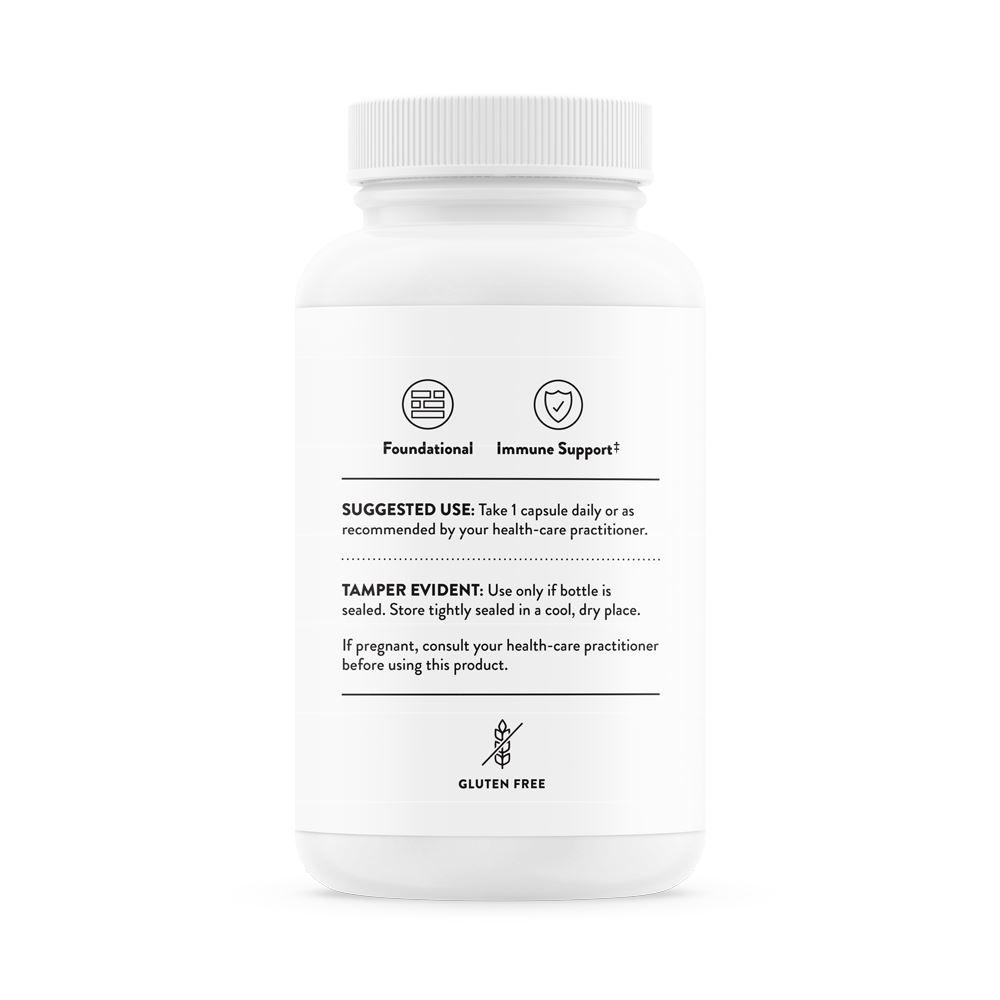
Take 1 capsule daily or as recommended by your health-care practitioner.
Does not contain
dairy
gluten
soy
ALLERGY WARNING: This product is contraindicated in an individual with a history of hypersensitivity to any of its ingredients.
PREGNANCY: If pregnant, consult your health-care practitioner before using this product.
INTERACTIONS: Zinc can inhibit the absorption of copper. Long-term zinc supplementation should include copper in a 15:1 (Zn:Cu) ratio.
Excerpted from Thorne's product information. These statements have not been evaluated by the Food and Drug Administration.
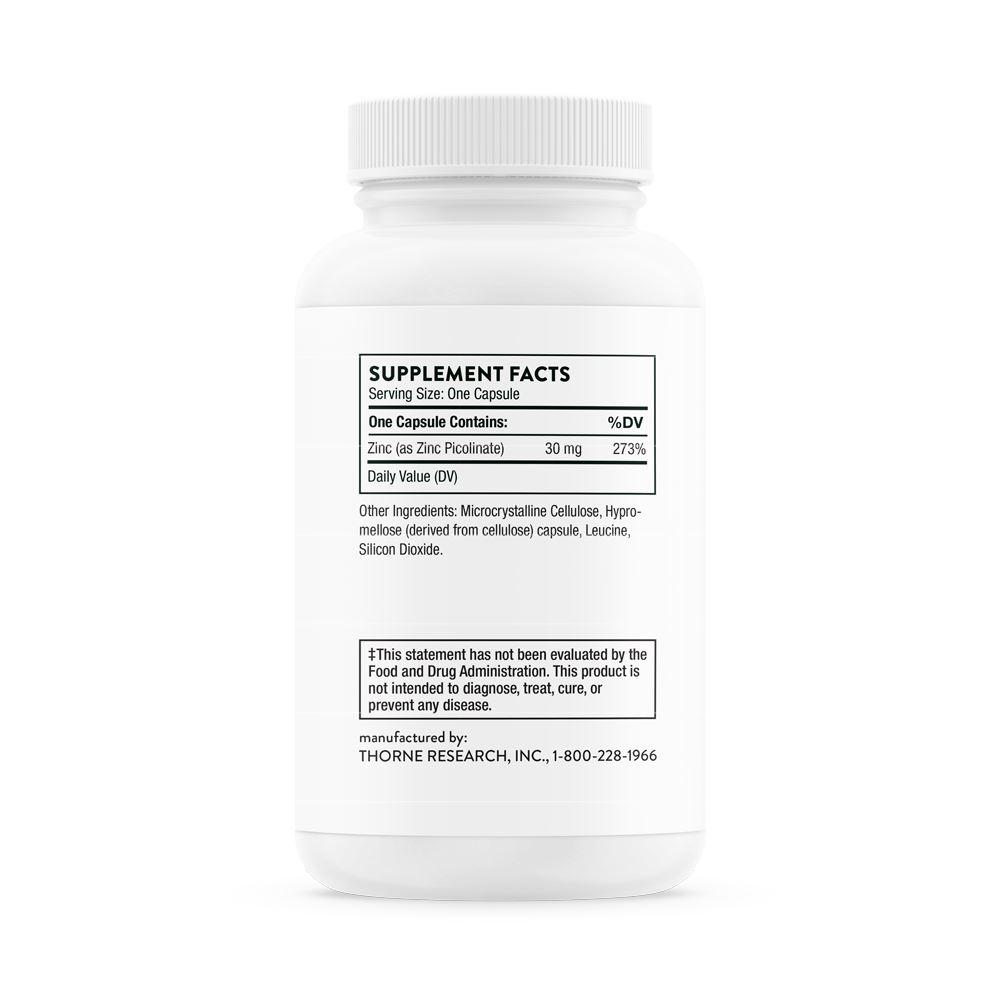
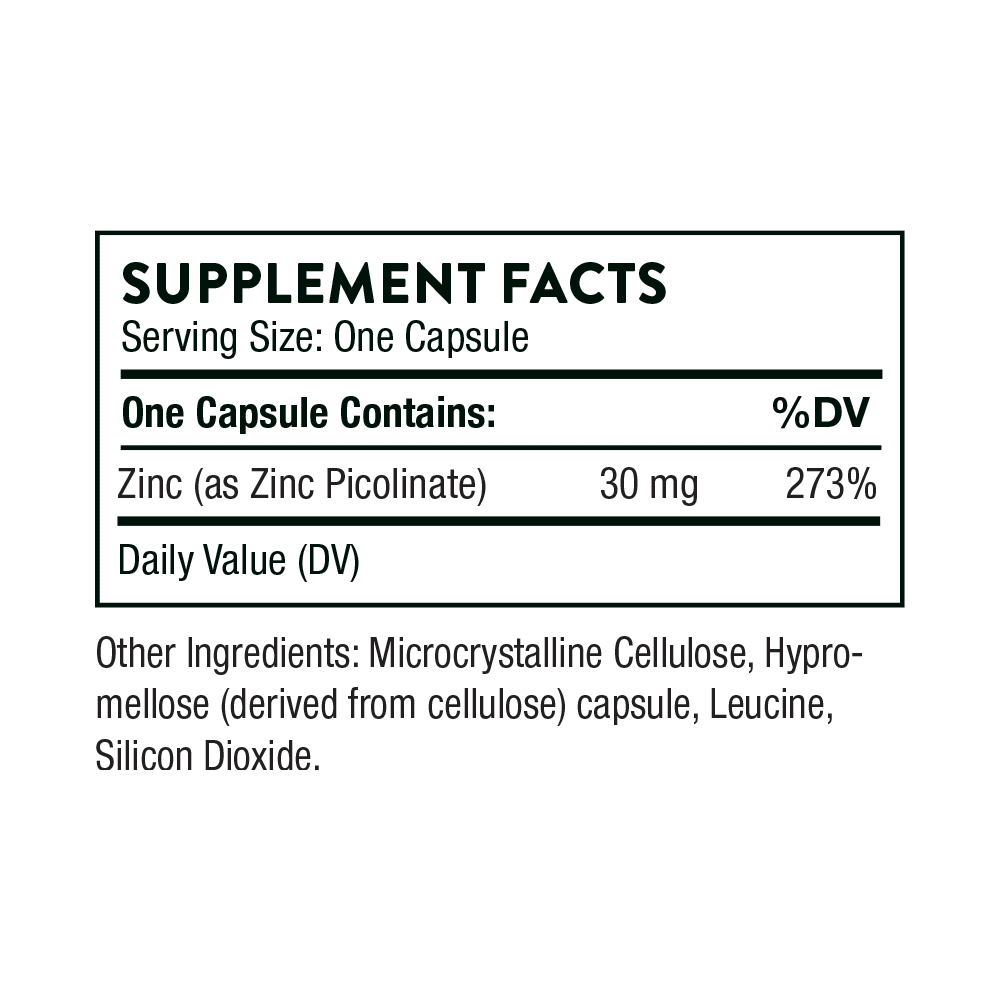
Supplement Facts
Serving Size: 1 Capsule
Servings Per Container: 60
| One Capsule Contains | Amount | |
|---|---|---|
Zinc as Zinc Picolinate | 30 mg | |
Common Questions about Zinc Picolinate
Answers are general educational information, not medical advice for your situation.
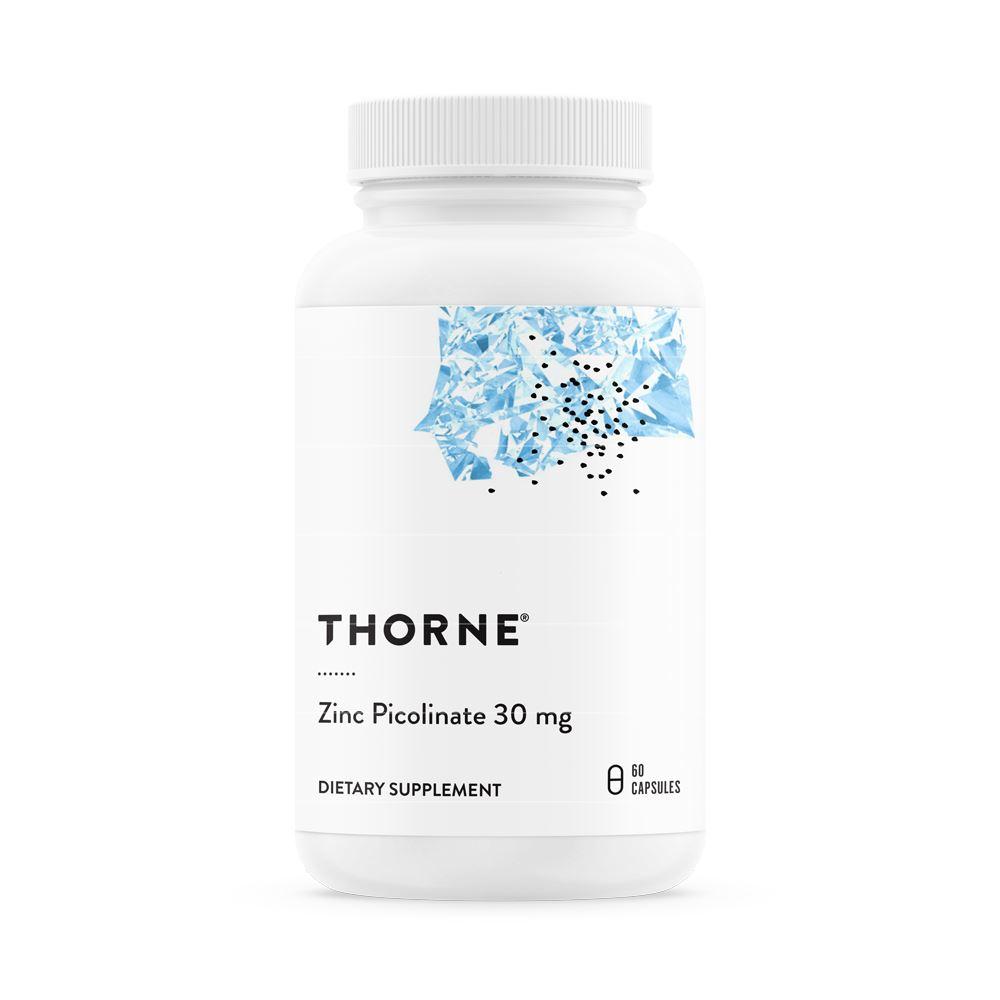
Zinc Picolinate
By Thorne
From $19.00 · Save 10% with code MARTYROSS10