


ongoing support
Candida & Yeast Balance
Gut & Digestive Health
Immune Defense
Maintenance & Recovery
Probiotics & Prebiotics
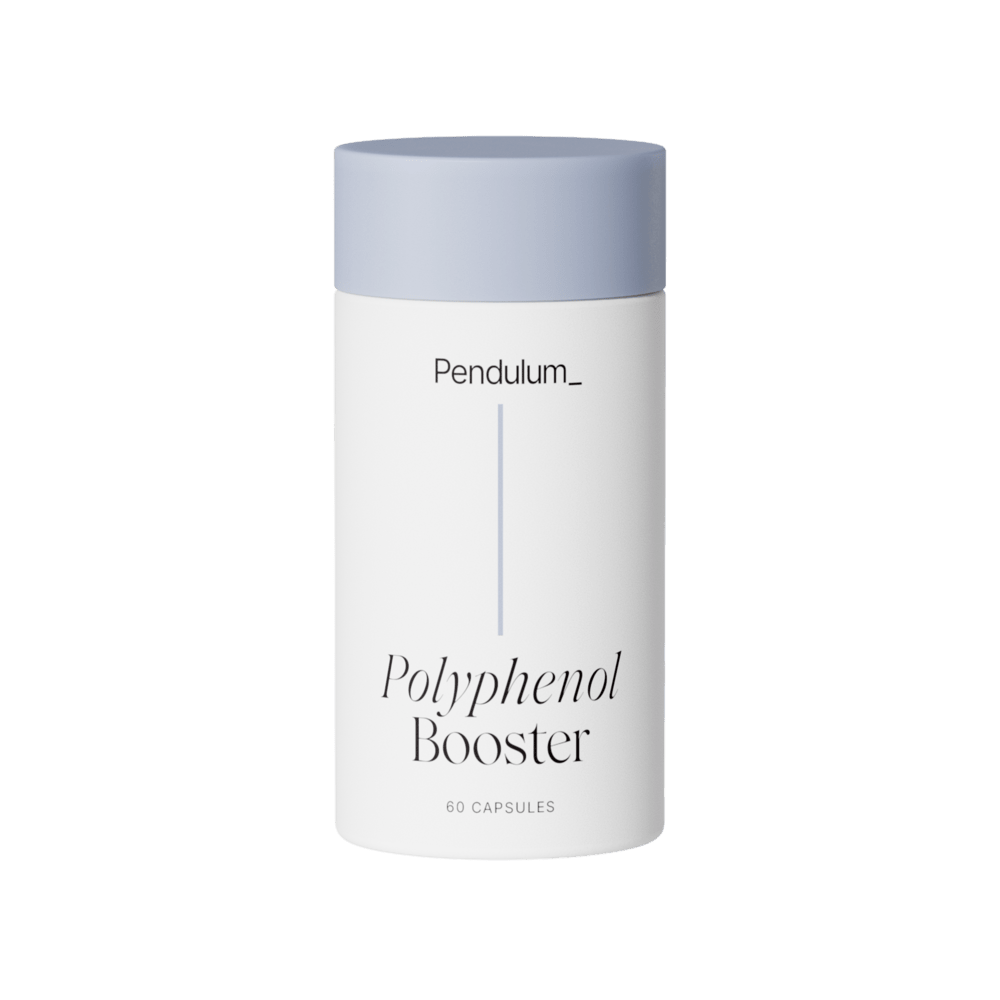
A polyphenol blend of pomegranate, grape seed, and green tea extracts, designed to nourish beneficial gut bacteria like Akkermansia and support digestive and antioxidant wellness.



10% off all supplements
Use code at checkout
MARTYROSS10


Opens Femologist.com in a new tab
TreatLyme and Dr. Marty Ross, MD, are affiliated with Femologist. We may earn a commission on purchases made through this link or code.
Quick Facts
Key Ingredients
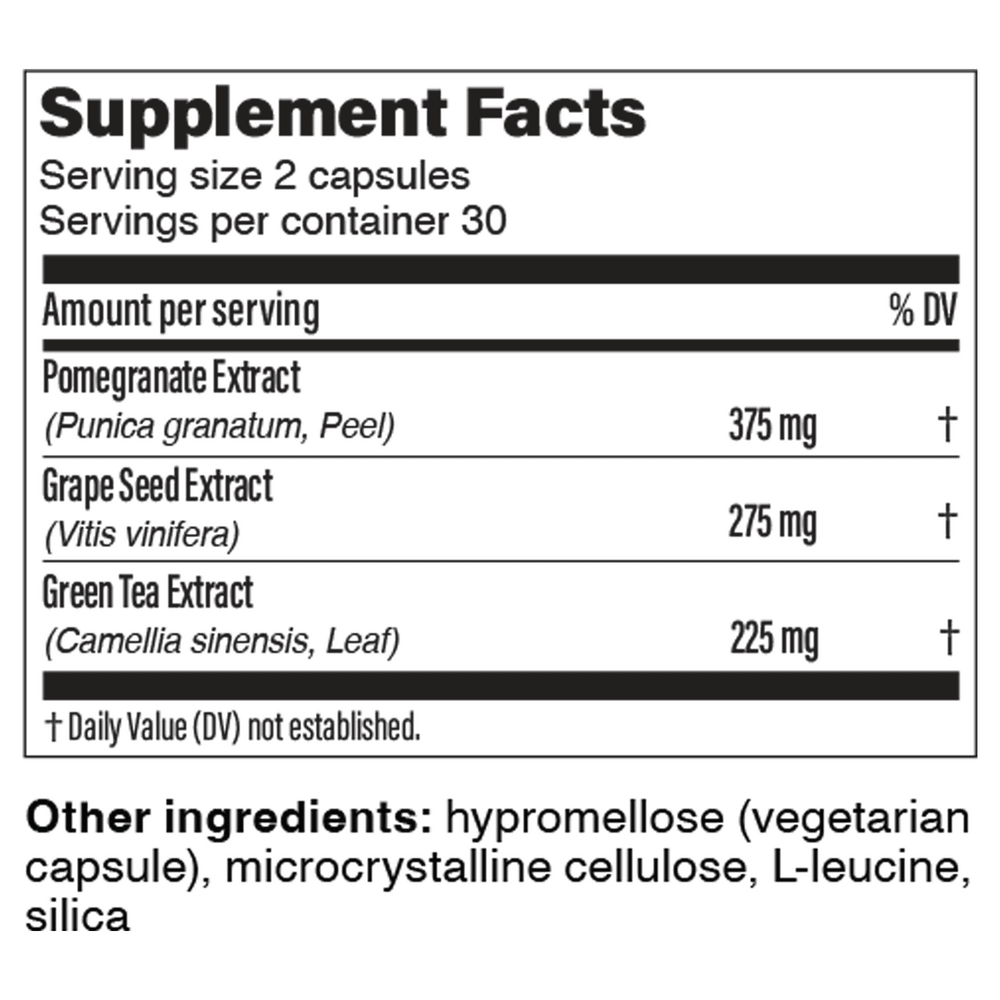
Pomegranate Extract (Punica granatum, peel) 375 mg
Grape Seed Extract (Vitis vinifera) 275 mg
Third-party Testing
Dietary

Written by

Dr. Marty Ross, MD
Updated
September 24, 2026
Dr. Ross's Expert Review
Polyphenols are the defense chemicals plants make, and they turn out to be a good food for the bacteria we want more of in the intestinal microbiome. Polyphenol Booster leans on that idea hard. It pairs standardized pomegranate, grape seed, and green tea extracts, three of the best studied polyphenol sources, in one capsule.
The target bacteria here are Akkermansia muciniphila, Bifidobacterium and Lactobacillus keystone bacteria in the intestines. Polyphenols along with prebiotic fibers feed them. Polyphenols from pomegranate, grape, and tea are among the compounds shown to shift the gut environment in a healthy way to promote microbiome health.
Food comes first, always. Colorful plants carry the same compounds. The problem is that most people do not eat enough of them daily, and illness raises the bar. Two capsules a day of standardized extracts is a practical way to close that gap without turning every meal into a project.
Be aware gut microbiome shifts happen slowly. Some people notice digestion changes within a few weeks. The fuller picture, and the trials behind products like this, run closer to 90 days. Consider giving this supplement that amount of time to see benefit.
This is a food-based approach, which is why I like it for long-term use. It is not a probiotic. It feeds the bacteria a person already has to promote intestinal microbiome health.
These statements have not been evaluated by the Food and Drug Administration. This product is not intended to diagnose, treat, cure, or prevent any disease. Dr. Ross has a financial relationship with the Femologist store, where this product is sold.
How I Use It in My Practice
I use this product as part of a gut restoration plan, not as a stand-alone support. Two capsules a day, with meals. I reach for it most in three situations: when someone’s diet is low in colorful plants, during or after regimens that disrupt the intestinal microbiome, and when we are trying to build up Akkermansia and other keystone species. It stacks well with a quality probiotic, because one feeds and the other seeds. I give it a 90 day trial before judging whether it belongs in a long-term plan. Anyone pregnant, nursing, or on medication should review it with their physician first.
This reflects Dr. Ross's clinical experience and is educational, not medical advice. Work with your treating physician before starting, stopping, or changing any supplement or medication.
The Research, in Dr. Ross's Words
The research behind polyphenols and keystone intestinal bacteria is unusually consistent. A 2023 randomized controlled trial found that 1000 mg of standardized pomegranate extract daily increased Akkermansia levels and short-chain fatty acids in healthy adults. A 2024 review in the International Journal of Molecular Sciences ties polyphenols to prebiotic-like effects on Akkermansia, Bifidobacterium, and Lactobacillus, from mouse studies and human data.
Grape seed carries its own evidence. A 2022 review in Gut Pathogens describes grape seed extract, rich in proanthocyanidins, as a prebiotic candidate that raises bacterial abundance in an animal model. A 2024 paper in Antioxidants adds a mechanism, showing polyphenols shape the gastrointestinal redox environment in ways that favor Akkermansia growth.
Reviews from 2021, 2022, and 2024 converge: plant extracts including pomegranate, grape, and green tea modulate the microbiome in the right direction.
Honest limits: several of the supporting studies are in animals, the human trials are small, and none of them tested this specific three-extract capsule. The direction of the evidence is consistent; significance in humans is less certain.
References
From:
Pendulum
Boosting polyphenols and antioxidants in your diet can help increase and maximize Akkermansia. This unique prebiotic blend includes pomegranate, grape seed, and green tea.
Directions of Use
Take 2 capsule daily, or as recommended by your healthcare provider.
Does not contain
Excerpted from Pendulum's product information. These statements have not been evaluated by the Food and Drug Administration.
Supplement Facts
Serving Size: 2 Capsules
Servings Per Container: 30
| Amount Per Serving | Amount | |
|---|---|---|
Pomegranate Extract (Punica granatum, peel) | 375 mg | |
Grape Seed Extract (Vitis vinifera) | 275 mg | |
Green Tea Extract (Camellia sinensis, leaf) | 225 mg | |
Common Questions about Polyphenol Booster
Answers are general educational information, not medical advice for your situation.
Polyphenol Booster
By Pendulum
From $35.00 · Save 10% with code MARTYROSS10


Guide
Your Guide to a Healthy Intestinal Microbiome—Even on Antibiotics
Guide to a healthy intestinal microbiome, including on antimicrobial regimens

Guide
Kills & Prevents Yeast: A Brief Guide
Yeast balance guide using a feed, seed, and weed gut approach
Guide
Small Intestine Bacterial Overgrowth (SIBO) in Lyme Disease
SIBO guide covering gut bacteria balance and digestion support