

ongoing support
Candida & Yeast Balance
Gut & Digestive Health
Immune Defense
Maintenance & Recovery
Probiotics & Prebiotics
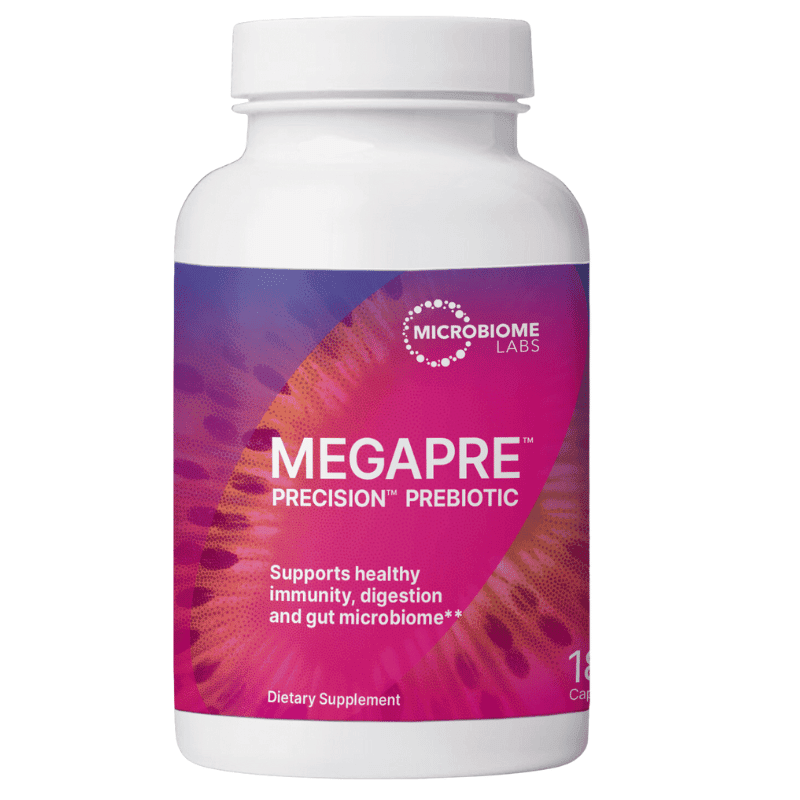
A precision prebiotic blend of galactooligosaccharides, xylooligosaccharides, and gold and green kiwifruit powder from Microbiome Labs that feeds keystone gut bacteria to support microbial diversity.



10% off all supplements
Use code at checkout
MARTYROSS10


Opens Femologist.com in a new tab
TreatLyme and Dr. Marty Ross, MD, are affiliated with Femologist. We may earn a commission on purchases made through this link or code.
Quick Facts
Key Ingredients
Calories 20
Total Carbohydrate 4 g
Third-party Testing
Dietary

Gluten-free

GMO-free

Written by

Dr. Marty Ross, MD
Updated
September 27, 2026
Dr. Ross's Expert Review
A prebiotic is food for healthy intestinal bacteria. This blend has three parts: galactooligosaccharides, organic xylooligosaccharides, and organic gold and green kiwifruit powder. Each one has human trial data behind it, and each one is chosen because it feeds keystone bacteria, the strains that do outsized work in a healthy gut: Bifidobacteria, Akkermansia muciniphila, and Faecalibacterium prausnitzii.
In my gut support plans I use prebiotics selectively. For people whose microbiome has been altered by antibiotics, illness, or years of restricted diets, feeding the good residents gives them a chance to thrive again and improve intestinal microbiome health. I often pair MegaPre with a probiotic.
The dosing is built for tolerance. Start with 3 capsules a day for a week, then move to the full 6 capsules if your gut agrees. Prebiotic fibers ferment, and may produce gas, so the first week or two may lead to more intestinal gas. That is not a reaction to be afraid of, but it is a reason to ramp slowly.
The GOS in this formula comes from lactose in bovine milk, so anyone with a milk allergy should stay away from it; it is fair to say the product is not dairy free.
The evidence base is good for the individual ingredients in this probiotic supplement. Individual trials show each fiber raising beneficial bacteria or improving stool frequency. No study has tested this exact three-fiber blend head to head against other prebiotics in a chronic illness population. My use rests on the ingredient trials plus what I see in practice.
These statements have not been evaluated by the Food and Drug Administration. This product is not intended to diagnose, treat, cure, or prevent any disease. Dr. Ross has a financial relationship with the Femologist store, where this product is sold.
How I Use It in My Practice
I use MegaPre as the prebiotic layer in gut repair plans, most often alongside a probiotic rather than instead of one. The dosing ramp up matters: 3 capsules a day for the first week, then the full 6 capsules a day if the gut tolerates it, taken with or without food. Sensitive patients sometimes stay at the lower dose longer. I give it at least a month before deciding if it is helping. Prebiotics are one part of a gut restoration plan which can also include plant-forward diets, polyphenols, and probiotics.
This reflects Dr. Ross's clinical experience and is educational, not medical advice. Work with your treating physician before starting, stopping, or changing any supplement or medication.
The Research, in Dr. Ross's Words
Each of the three fiber groups in this blend has human data. For GOS, a 12-week controlled trial raised bifidobacteria and improved symptoms, a crossover trial of a Bifidobacterium-produced GOS confirmed the bifidogenic effect in healthy humans, and a double-blind study in obese prediabetic individuals increased bifidobacteria without changing insulin sensitivity, a good result worth keeping. For XOS, a double-blind trial in 32 healthy adults raised bifidobacteria, and a pilot found microbiota shifts in both healthy and prediabetic adults. For the kiwifruit component, randomized trials of the same gold and green kiwifruit powders used here increased stool frequency in healthy adults and raised Faecalibacterium prausnitzii in functionally constipated people.
What nobody has done is test this exact three-fiber combination against other prebiotics in the chronically ill population I work with. The ingredient trials are mostly short-term, in healthy or single-condition populations, and measured bacteria counts and stool symptoms rather than long-term health outcomes. I treat this as ingredient-level evidence supporting the use of this well reasoned formula.
References
From:
Microbiome Labs
MegaPreBiotic is the first Precision Prebiotic that can effectively diversify your gut microbiome without feeding potential pathogens. MegaPre™ supplement is made up of clinically tested, non-digestible oligosaccharides that can increase microbial diversity and selectively feed beneficial bacteria like Akkermansia muciniphila, Faecalibacterium prausnitzii, and Bifidobacteria. Prebiotics are non-digestible fibers that feed the bacteria living in your gut. Keystone bacteria like Faecalibacterium prausnitzii, Akkermansia muciniphila, and Bifidobacteria are very important for human health, but their populations can be easily diminished by stress, diet, glyphosate, and other factors.
Directions of Use
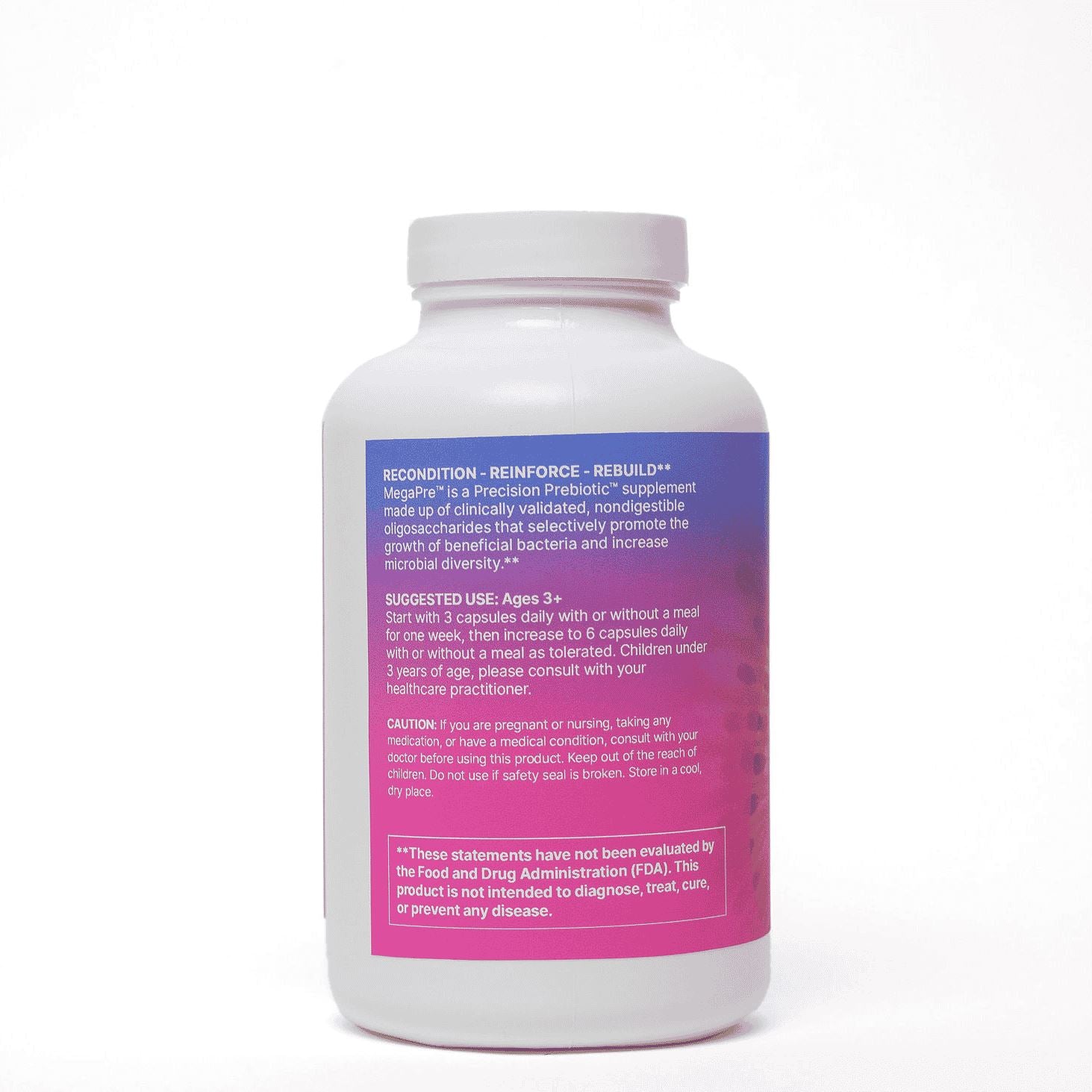
Ages 2+: Start with 3 capsules daily with or without a meal for one week, then increase to 6 capsules daily with or without a meal as tolerated. Children under 2 years of age, please consult with your healthcare practitioner.
Does not contain
artificial-colors
artificial-flavors
eggs
gluten
nuts
soy
wheat
If you are pregnant or nursing, taking any medication, or have a medical condition, consult with your doctor before using this product. Keep out of the reach of children. Do not use if safety seal is broken. Store in a cool, dry place.
Excerpted from Microbiome Labs's product information. These statements have not been evaluated by the Food and Drug Administration.
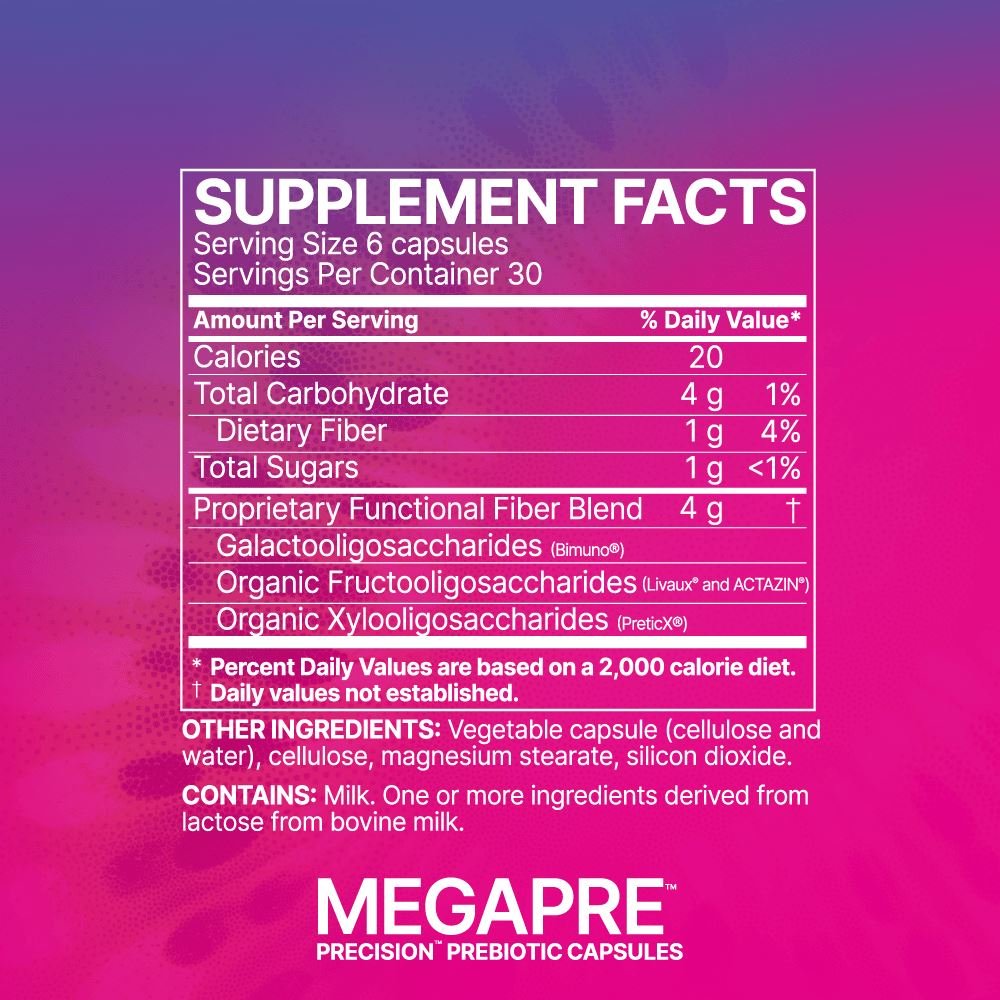
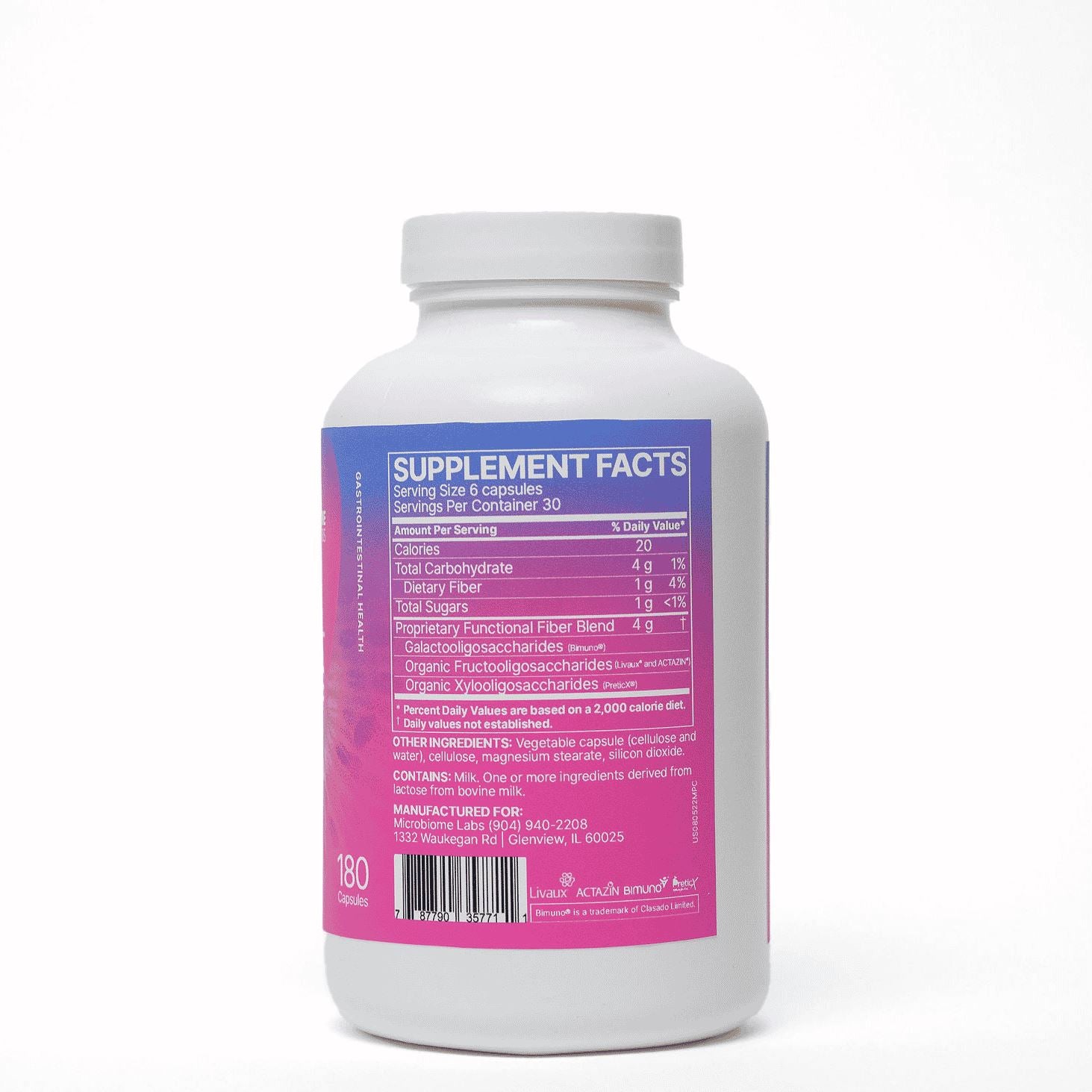
Supplement Facts
Serving Size: 6 Capsules
Servings Per Container: 30
| Amount Per Serving | Amount | |
|---|---|---|
Calories | 20 | |
Total Carbohydrate | 4 g | |
Dietary Fiber | 1 g | |
Total Sugars | 1 g | |
Proprietary Functional Fiber Blend Galactooligosaccharides (Bimuno®), Organic Xylooligosaccharides (PreticX®), Organic gold and green kiwifruit powder (Livaux® and ACTAZIN®) | 4 g | |
Common Questions about MegaPre Precision
Answers are general educational information, not medical advice for your situation.

MegaPre Precision
By Microbiome Labs
From $65.27 · Save 10% with code MARTYROSS10
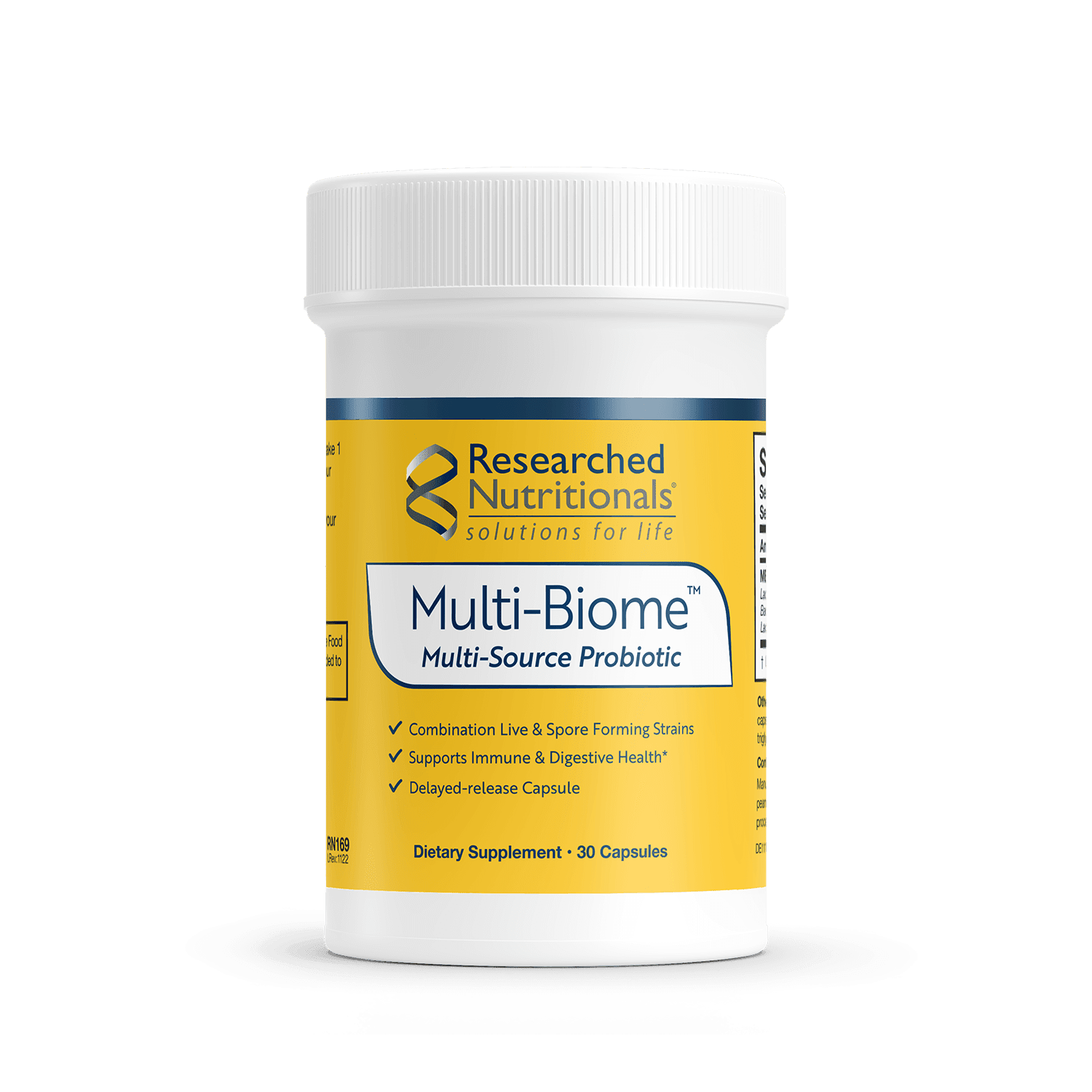




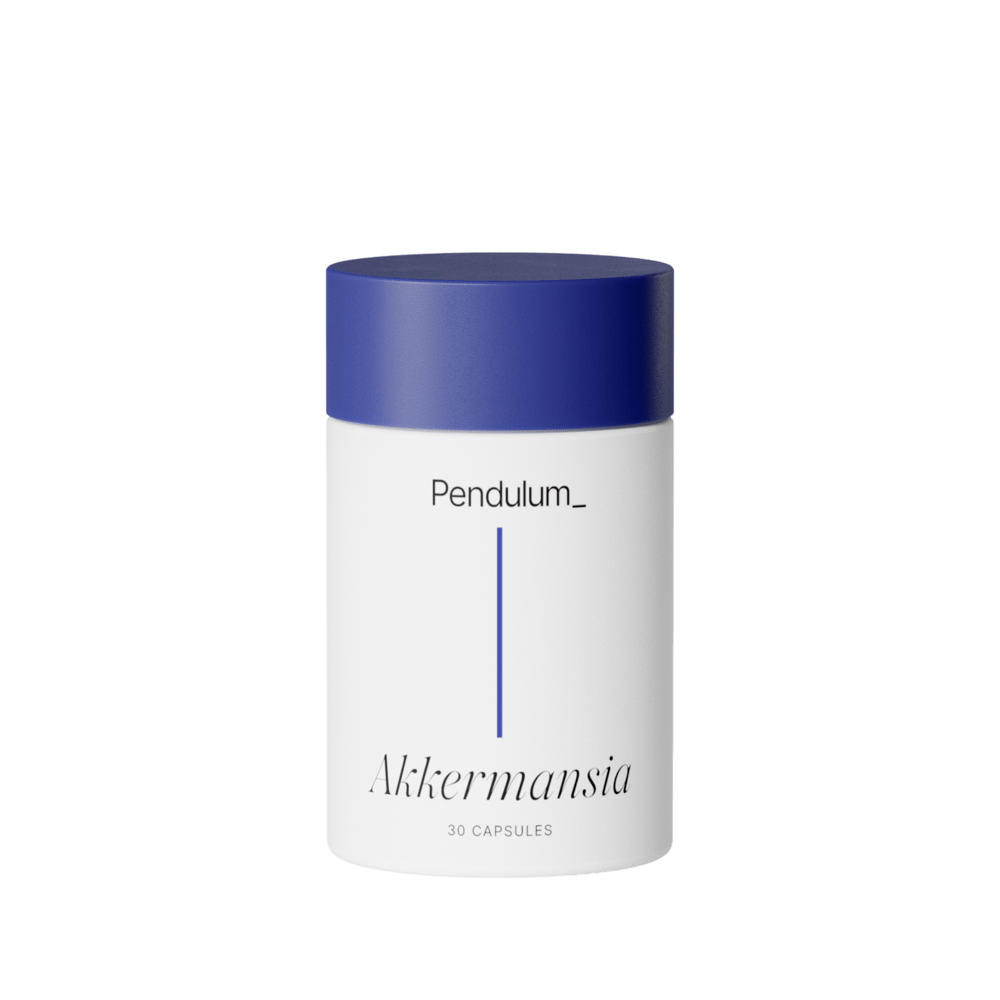
Akkermansia
An Akkermansia muciniphila probiotic targeting one of the same keystone strains.
