

ongoing support
Energy & Fatigue
Sleep & Recovery
A 3 mg melatonin supplement that supports restful sleep and a healthy circadian rhythm. Useful for jet lag, shift work, and changing sleep patterns. NSF Certified for Sport.



10% off all supplements
Use code at checkout
MARTYROSS10


Opens Femologist.com in a new tab
TreatLyme and Dr. Marty Ross, MD, are affiliated with Femologist. We may earn a commission on purchases made through this link or code.
Quick Facts
Key Ingredients
Melatonin 3 mg
Third-party Testing

NSF Certified for Sport
Dietary

Dairy-free

Derived from natural colors

Derived from natural flavors

Gluten-free

Soy-free

Vegan

Written by

Dr. Marty Ross, MD
Updated
September 24, 2026
Dr. Ross's Expert Review
Sleep is a first area I balance in a person with chronic health issues. Sleep improves immune function and supports pain balance. Melatonin is one of the basic tools to promote sleep, and Melaton-3 is the Thorne version I use in my practice.
Each capsule gives you 3 mg of pure melatonin. That is a sensible starting dose for most adults. Melatonin is the hormone in the brain that signals sleep. Supplementing it can promote restful sleep and help balance the circadian rhythm when illness, travel, or shift work has thrown it off.
Who do I use it for? People who cannot fall asleep or stay asleep in chronic illness, travelers crossing time zones, and night shift workers. In my experience it works best for falling asleep when circadian rhythm issues are involved, not for staying asleep through the night.
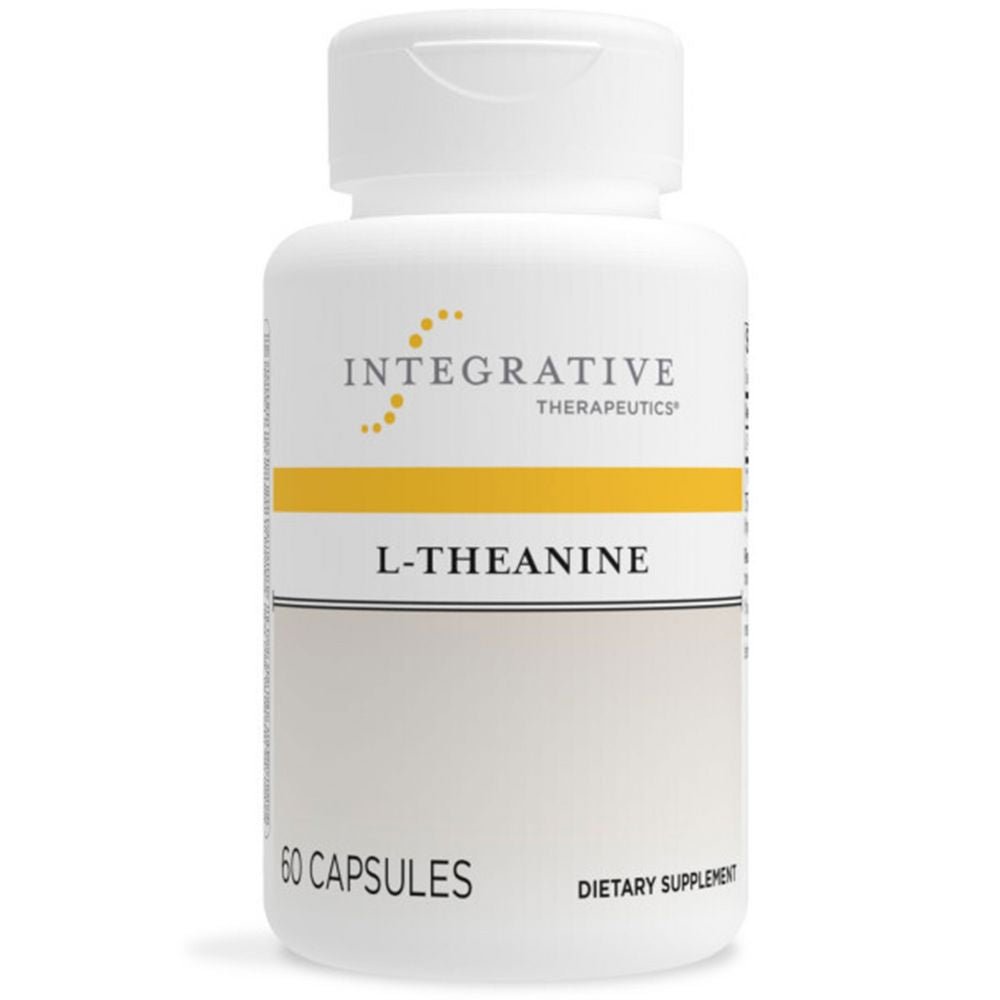
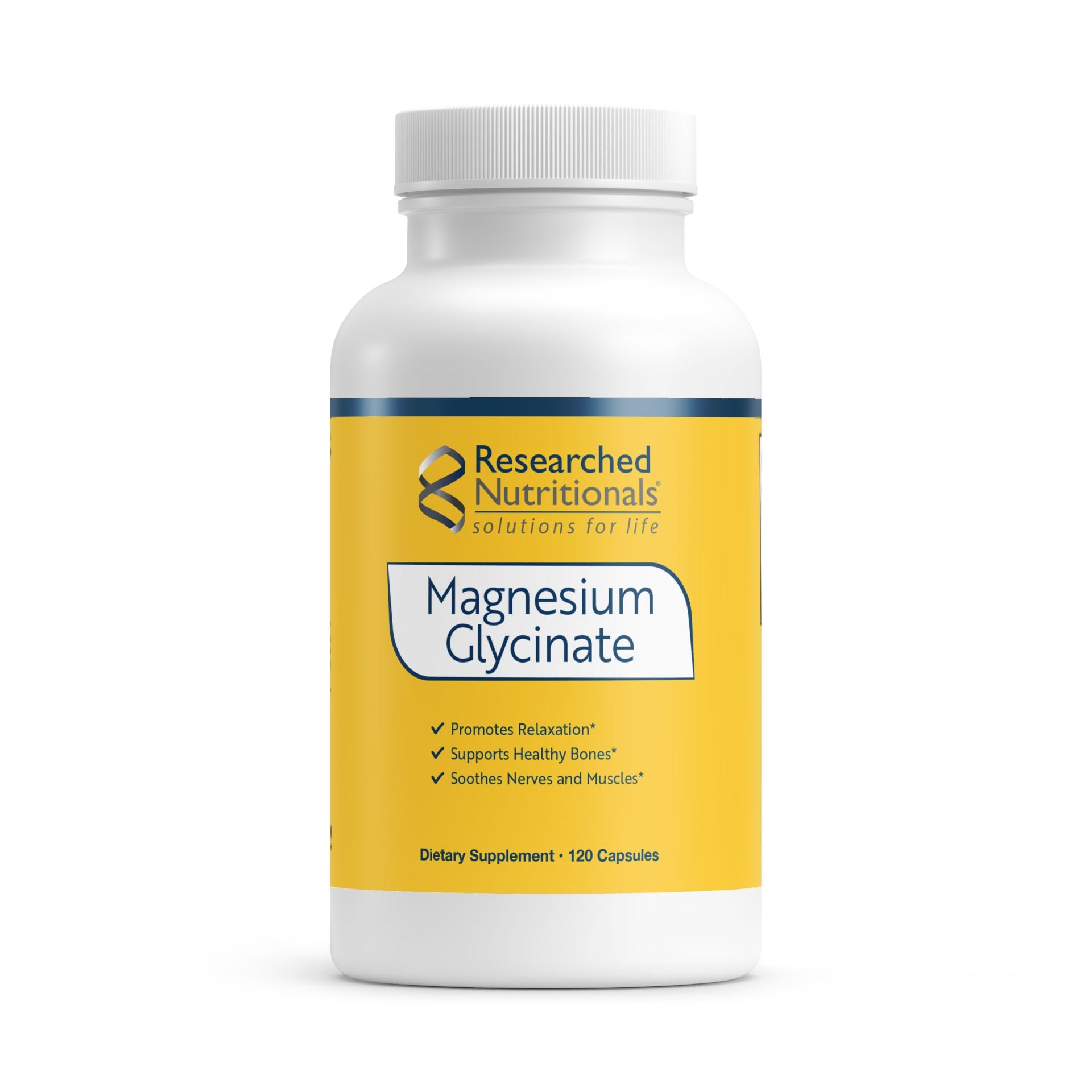
Take one capsule at bedtime to start. Some research suggests earlier timing, hours before bed, works better for rhythm, so if bedtime dosing fails, I try moving it earlier. The science here shows modest effects. I always suggest healthy sleep hygiene work, and consider magnesium or L-theanine, before pushing the melatonin dose higher.
Safety notes. Do not use this product if pregnant or nursing. Because melatonin may potentiate blood thinners, anyone on anticoagulant therapy or heading to surgery reviews it with their physician first. This product is NSF Certified for Sport, so every batch is tested for label claims and banned substances.
These statements have not been evaluated by the Food and Drug Administration. This product is not intended to diagnose, treat, cure, or prevent any disease. Dr. Ross has a financial relationship with the Femologist store, where this product is sold.
How I Use It in My Practice
In my practice I start with one 3 mg capsule at bedtime and give it a week or two to see benefits. For circadian rhythm problems, jet lag, and shift work, I sometimes move the dose earlier in the evening, because the timing research supports that. If someone sleeps through the night already and just cannot fall asleep, this is usually enough. If not, I add sleep hygiene work, magnesium glycinate, or L-theanine rather than raising the melatonin dose. Anyone on blood thinners, pregnant, nursing, or facing surgery reviews this product with their physician before starting.
This reflects Dr. Ross's clinical experience and is educational, not medical advice. Work with your treating physician before starting, stopping, or changing any supplement or medication.
The Research, in Dr. Ross's Words
Melatonin is one of the few sleep supplements with a real trial record. A 2023 review in older adults found melatonin useful for insomnia and circadian rhythm sleep-wake disorders, with effects on multiple organ systems, but described its efficacy as modest compared with other hypnotics. A 2025 meta-analysis of randomized trials in older adults with cognitive impairment found melatonin increased total sleep time by about 12 minutes a night and improved cognitive scores, these findings are for the trial population only.
Timing may matter more than dose. A 2024 paper on dose and timing argues that taking melatonin in the early evening, not at bedtime, is optimal for regulating the sleep cycle, because of how the hormone shifts circadian phase. That matches what I see in practice: people who take it earlier often get better rhythm results, while people who take it late at night expecting instant sleep are disappointed.
A 2025 review adds that melatonin has antioxidant, anti-inflammatory, and immune-modulating properties, with the clearest benefits in sleep regulation. Those broader effects are mostly mechanistic so far. Where the papers agree: melatonin is safe and modestly useful for sleep and rhythm. Where they are limited: older adult populations, short durations, and surrogate markers. None of this is specific to the chronic illness population I see, so I lean on the trials plus my clinical observation.
References
From:
Thorne
Melaton-3 provides an optimal dose of melatonin to signal the body when it's bedtime, especially for those with changing sleep patterns from travel or work.
Directions of Use
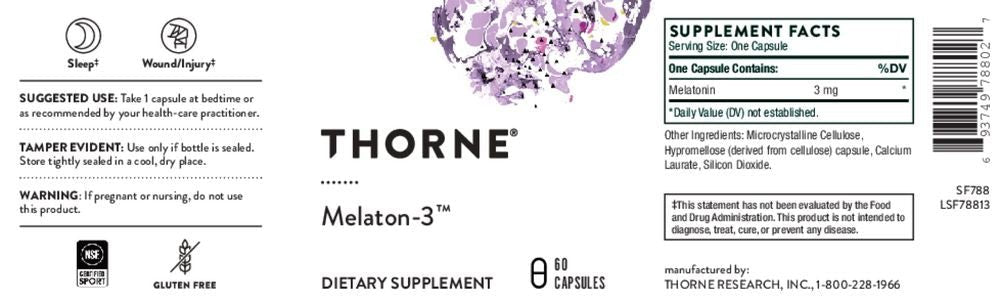
Take 1 capsule at bedtime or as recommended by your health-care practitioner.
Does not contain
dairy
gluten
soy
ALLERGY WARNING: This product is contraindicated in an individual with a history of hypersensitivity to any of its ingredients. PREGNANCY WARNING: If pregnant or nursing, do not use this product. INTERACTIONS: Because melatonin may potentiate the effect of blood-thinning medications, Melaton-3 should be used with caution or avoided in individuals on anticoagulant therapy or prior to surgery.
Excerpted from Thorne's product information. These statements have not been evaluated by the Food and Drug Administration.
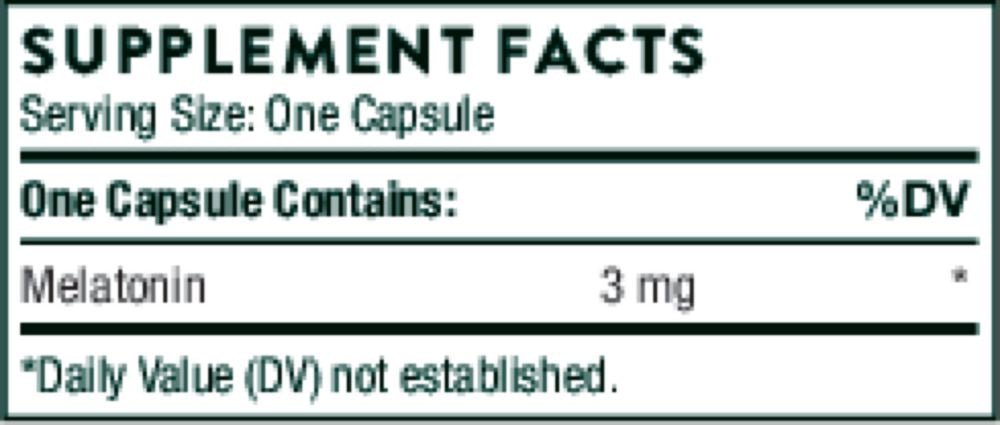
Supplement Facts
Serving Size: 1 Capsule
Servings Per Container: 60
| One Capsule Contains | Amount | |
|---|---|---|
Melatonin | 3 mg | |
Common Questions about Melaton-3
Answers are general educational information, not medical advice for your situation.
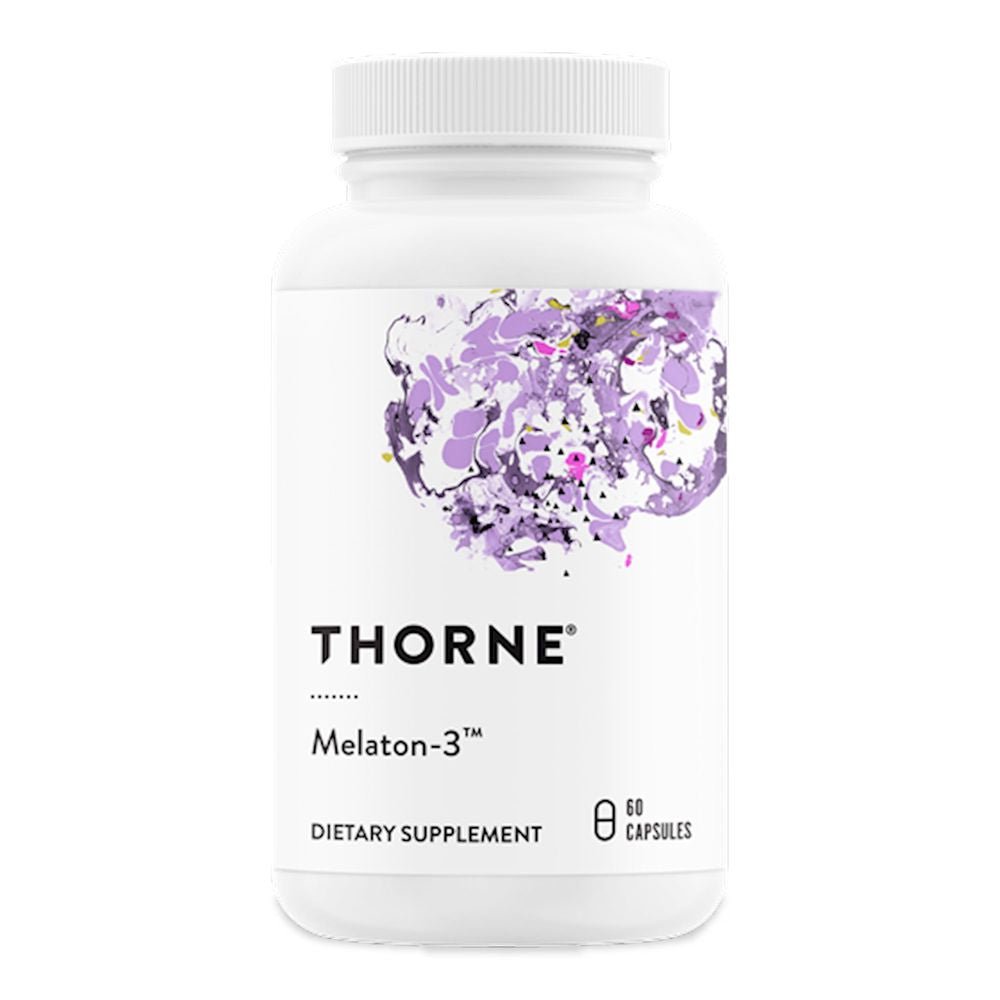
Melaton-3
By Thorne
From $15.00 · Save 10% with code MARTYROSS10