


ongoing support
Energy & Fatigue
Mood & Focus
Sleep & Recovery
5-Hydroxytryptophan (5-HTP) with vitamin B6 from Thorne. Supports healthy serotonin production for restful sleep, balanced mood, and stress management.



10% off all supplements
Use code at checkout
MARTYROSS10


Opens Femologist.com in a new tab
TreatLyme and Dr. Marty Ross, MD, are affiliated with Femologist. We may earn a commission on purchases made through this link or code.
Quick Facts
Key Ingredients
Vitamin B6 6.8 mg
5-Hydroxytryptophan 100 mg
Third-party Testing

cGMP
GRMA
NSF Certified
TGA GMP
Dietary

Dairy-free

Derived from natural colors

Derived from natural flavors

Gluten-free

Soy-free

Written by

Dr. Marty Ross, MD
Updated
September 24, 2026
Dr. Ross's Expert Review
In my practice, 5-Hydroxytryptophan (5-HTP) is one of the tools I use to support healthy serotonin levels. Serotonin is a neurotransmitter that regulates mood, sleep, and appetite, and 5-HTP is the direct precursor your body uses to make it. This formula from Thorne includes pyridoxal 5′-phosphate, the active form of vitamin B6, which is the cofactor the conversion requires. That pairing makes sense to me.
Sleep is where I use it most. I typically have people take it at night, and many notice they fall asleep more easily and wake feeling more rested. There is research behind this. Controlled trials have looked at 5-HTP for mood support, including one small crossover trial where 50 mg daily showed some signal in mood measures. Reviews of the science suggest it may perform better than placebo for low mood, though the quality of some studies is limited. I keep that limit in view when I use it.
Some of my patients notice vivid dreams, and some get too much daytime sleepiness if they take it in the morning. That is usually about dose and timing. The real caution is medication interactions. If you take an SSRI, an MAO inhibitor, or another antidepressant, do not add 5-HTP on your own, because the combination can raise serotonin too far. Ask your treating physician first.
Where does it fit? Sleep is the foundation. If you are not sleeping, everything else in a protocol works harder and delivers less. 5-HTP is one support among the sleep basics I write about, not a replacement for them.
These statements have not been evaluated by the Food and Drug Administration. This product is not intended to diagnose, treat, cure, or prevent any disease. Dr. Ross has a financial relationship with the Femologist store, where this product is sold.
How I Use It in My Practice
For sleep, I start with 2 capsules about 30 minutes before bed and move up to 4 if needed. For mood support during the day, I use smaller amounts, up to 1 capsule three times a day. I pair it with the sleep foundations: a dark cool room, a regular schedule, and limiting screens in the evening. I do not add 5-HTP for anyone taking an SSRI, MAO inhibitor, or other antidepressant without a direct conversation about serotonin risk, and neither should you. If vivid dreams become a problem, I move the dose earlier in the evening or cut it back. Once sleep is steady for several weeks, I taper down and see if it holds without it.
This reflects Dr. Ross's clinical experience and is educational, not medical advice. Work with your treating physician before starting, stopping, or changing any supplement or medication.
The Research, in Dr. Ross's Words
The research on 5-HTP clusters around one idea: it is the direct precursor to serotonin, and raising precursor availability raises output. Reviews going back decades describe it as a clinically effective serotonin precursor, and the physiology reviews cover how the body converts it, cofactor requirements included. That mechanism is what makes it interesting for sleep and mood support, the way I use it.
What holds the field back is study quality. The older reviews of mood support note positive results, but many of the trials are small, uncontrolled, or from an era when trial design was looser. The pooled reviews of tryptophan and 5-HTP together conclude the evidence is suggestive rather than settled. There is a controlled trial in Parkinson’s disease looking at low mood and apathy, which is a harder population and a useful stress test, but single trials do not settle anything.
5-HTP sits in the category of plausible and well-tolerated with imperfect proof. The mechanism is sound, the clinical observation is consistent, and the trials are limited. I am comfortable using it for sleep and mood support with a plan to reassess, and I tell people plainly that this is not a deeply proven supplement. The safety questions, mainly the medication interactions, are better documented than the benefits are.
References
From:
Thorne
5-HTP increases serotonin levels to promote restful sleep, manage stress, and decrease sugar cravings. It contains pyridoxal 5'-phosphate, the active form of vitamin B6 and the necessary cofactor for the conversion of 5-HTP to serotonin.
Directions of Use
Take 1-2 capsules three times daily or as recommended by your health-care practitioner.
Does not contain
dairy
gluten
soy
ALLERGY WARNING: This product is contraindicated in an individual with a history of hypersensitivity to any of its ingredients. PREGNANCY WARNING: If pregnant or nursing, do not use this product. INTERACTIONS: 5-HTP should be used with caution in an individual currently being treated with an SSRI, MAO inhibitor, or other antidepressant medication.
Excerpted from Thorne's product information. These statements have not been evaluated by the Food and Drug Administration.
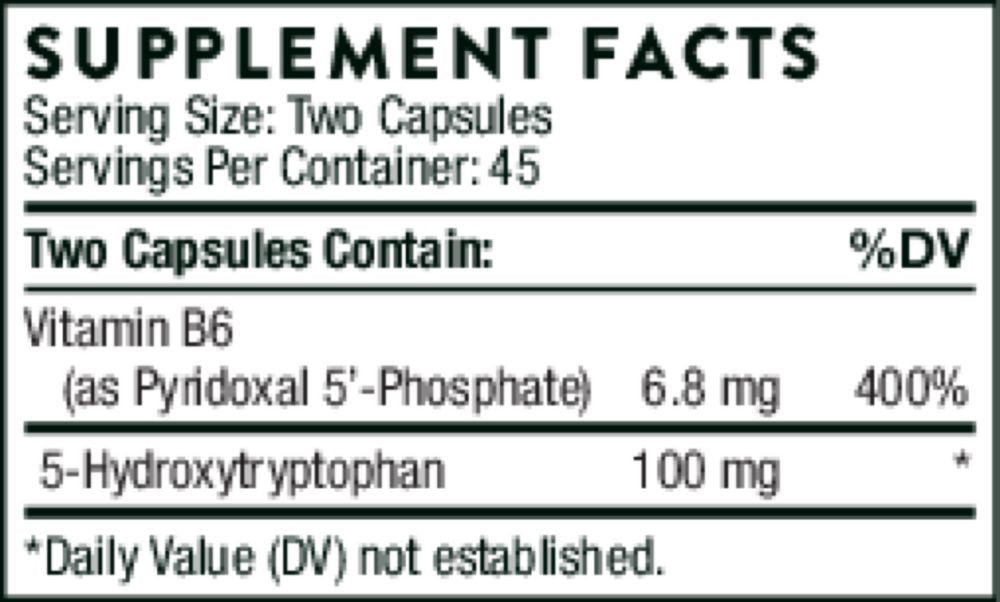
Supplement Facts
Serving Size: Two Capsules
Servings Per Container: 45
| Two capsules contain | Amount | |
|---|---|---|
Vitamin B6 as Pyridoxal 5'-Phosphate | 6.8 mg | |
5-Hydroxytryptophan | 100 mg | |
* Daily Value (DV) not established. | ||
Common Questions about 5-Hydroxytryptophan
Answers are general educational information, not medical advice for your situation.
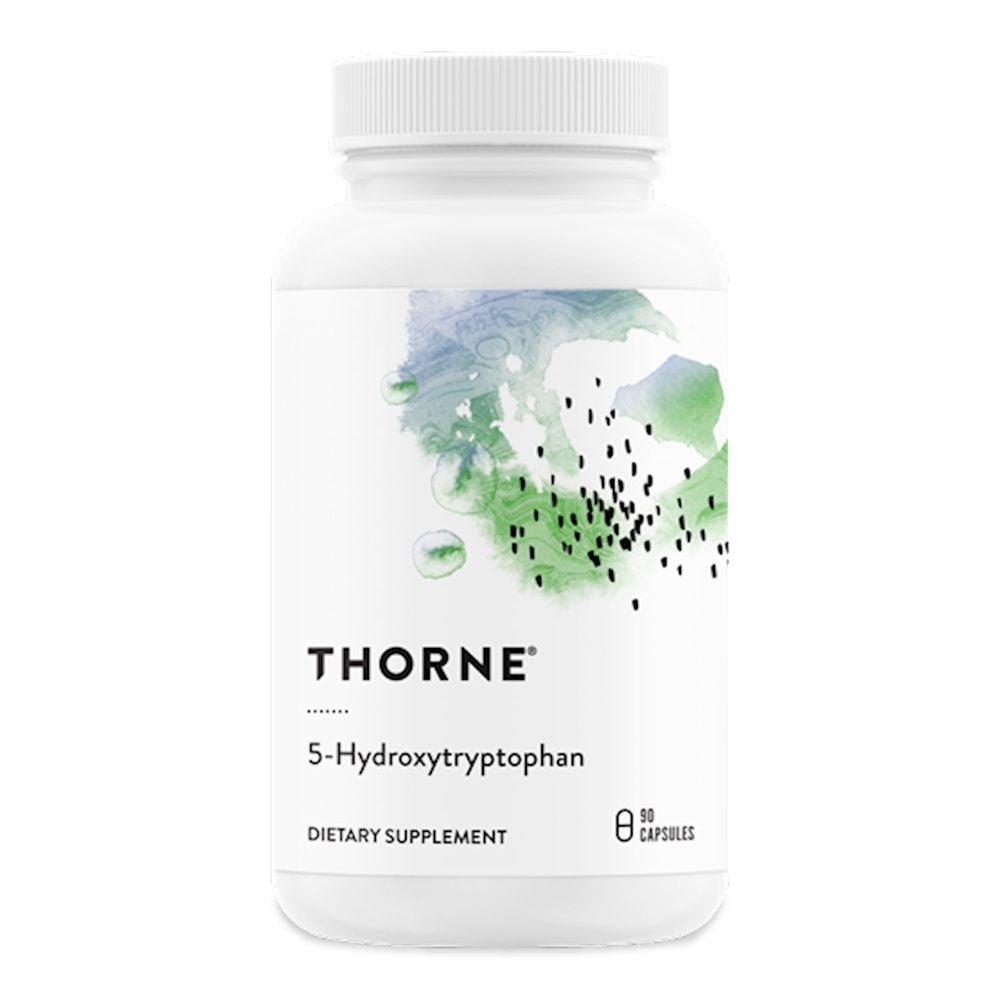
5-Hydroxytryptophan
By Thorne
From $37.00 · Save 10% with code MARTYROSS10
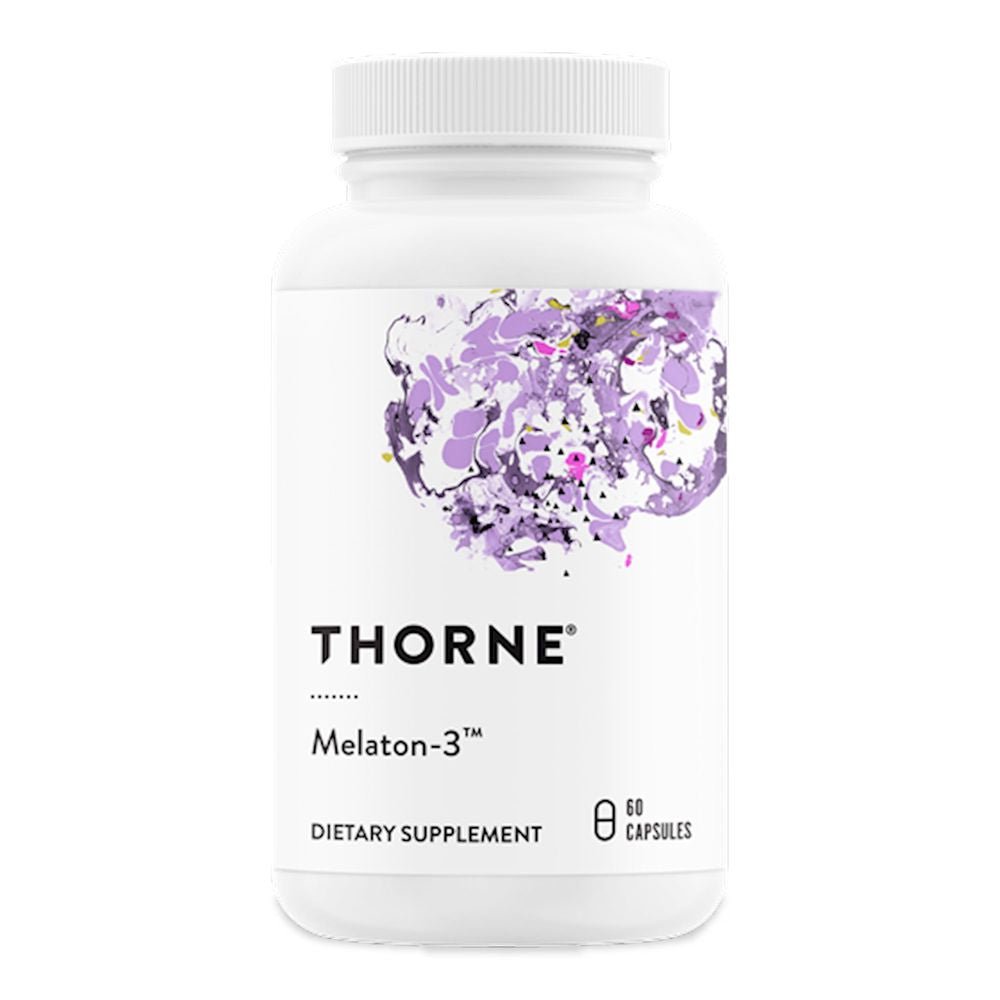
Melaton-3
Pairs with 5-HTP for the sleep foundation; the hormone signal to 5-HTP's precursor role.


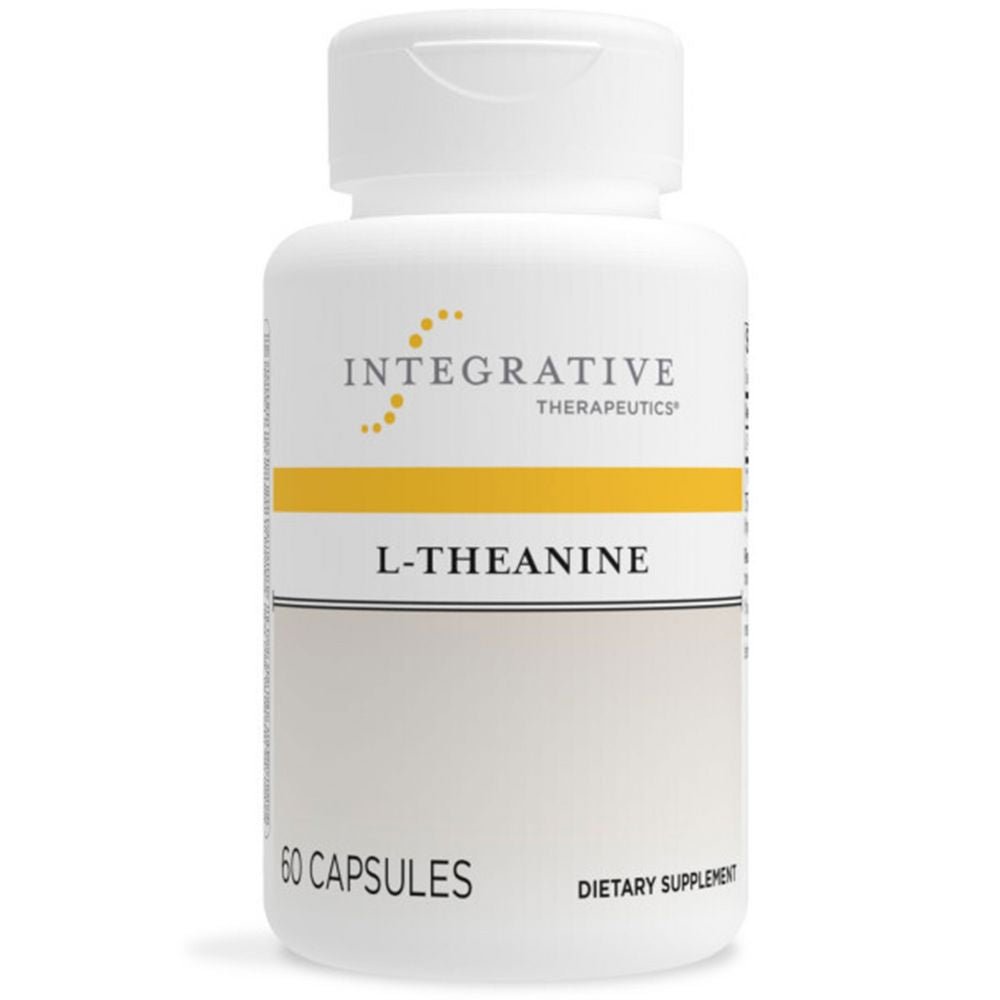
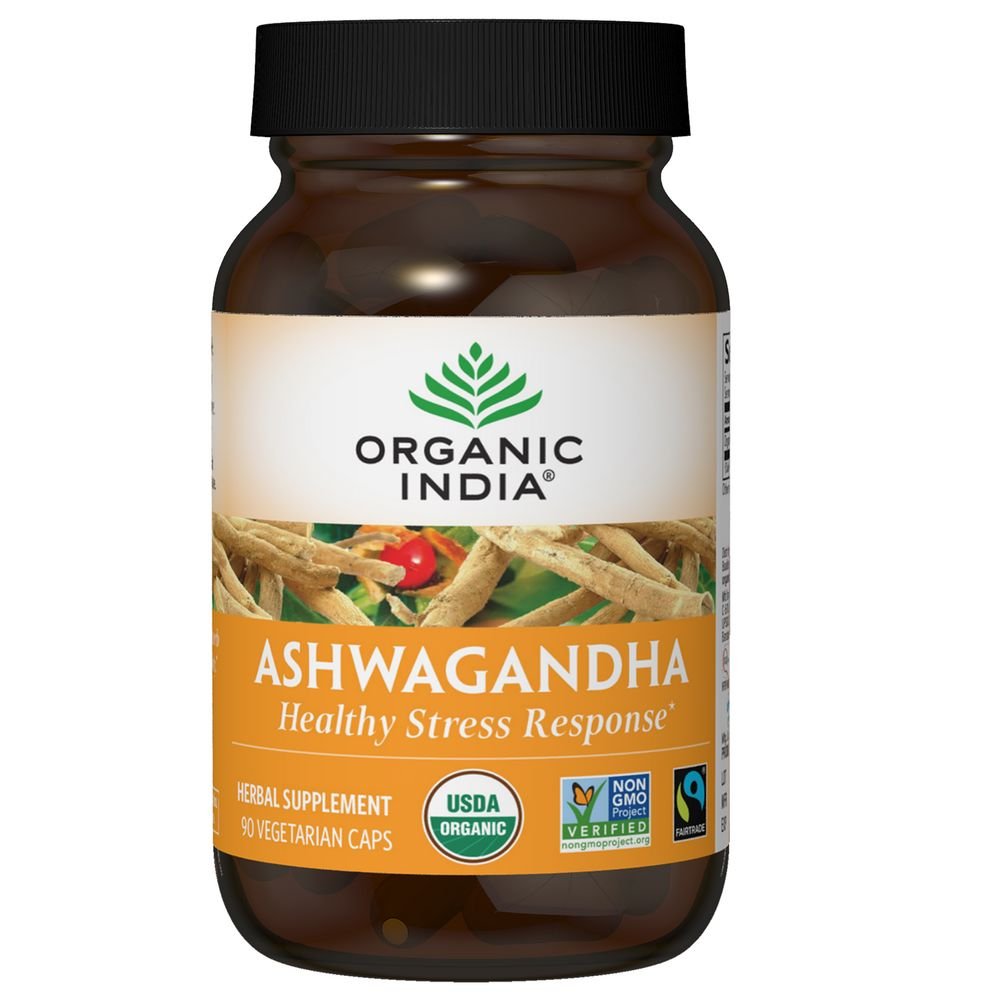
Ashwagandha
Adaptogen for healthy stress response during the day; complements nighttime 5-HTP.
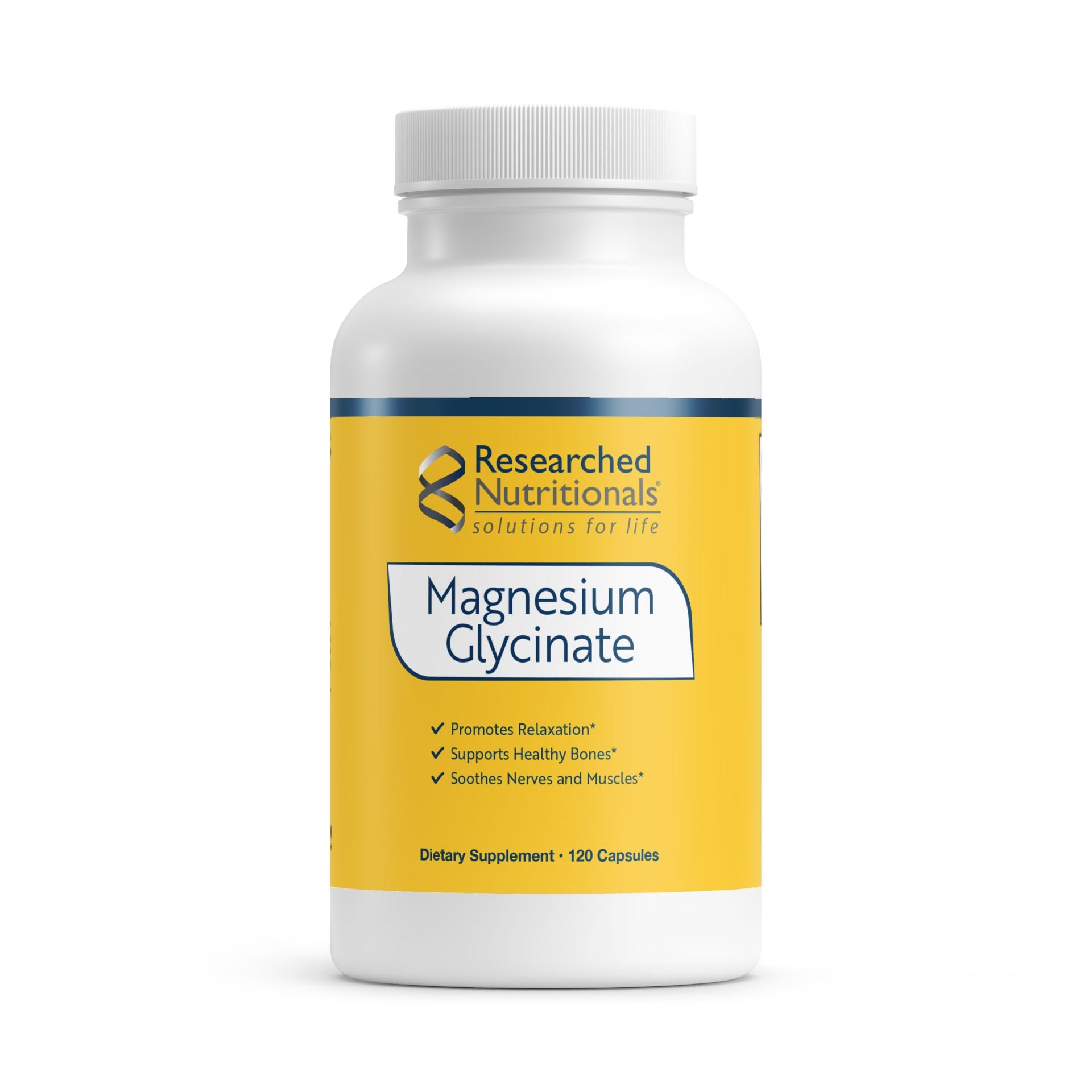
Magnesium Glycinate
Foundational mineral for muscle relaxation and restful sleep in the same evening routine.
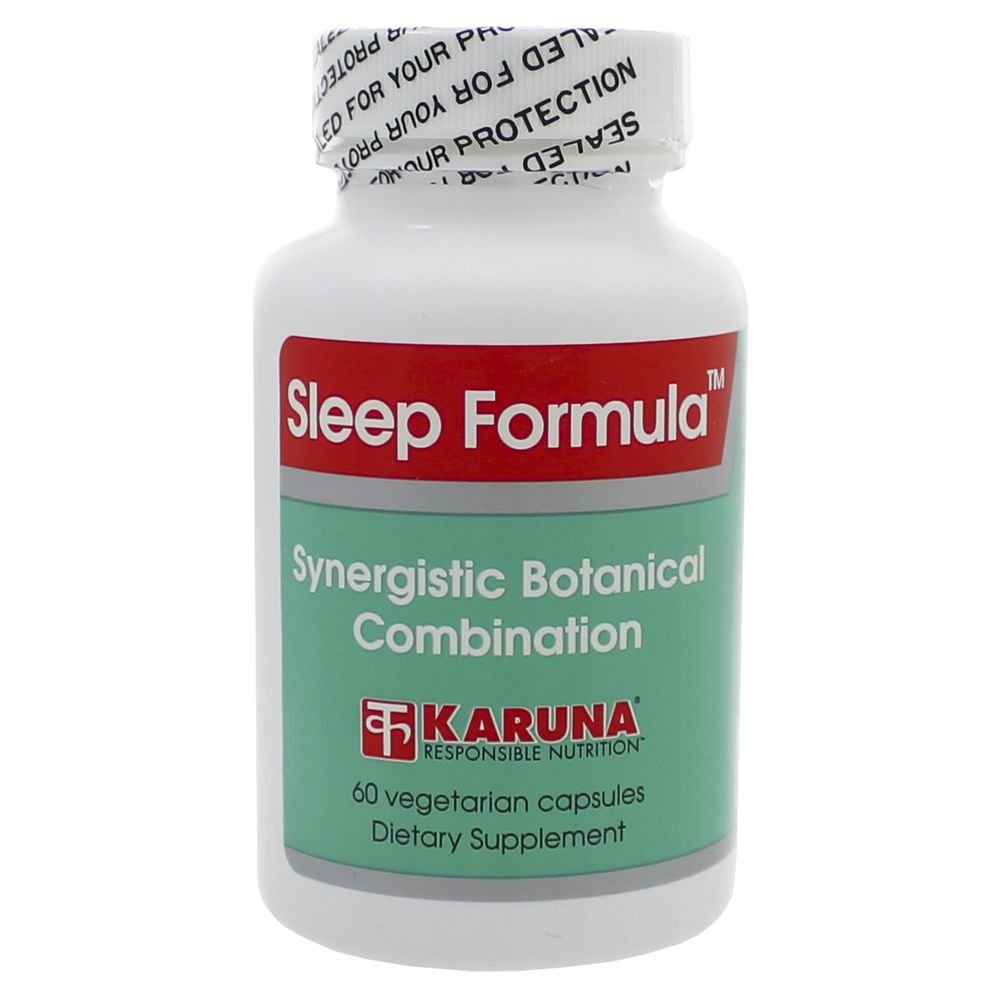
Sleep Formula
Alternative herbal sleep combination for those who want a multi-ingredient approach.
Guide
Solving the Puzzle: The Ross Long COVID Management Guide
Included in the Ross Long Covid Support Protocol for healthy serotonin support.

Guide
Marty Ross, MD’s Solutions for Post-exertion Fatigue & Malaise
Covers the low-energy picture this product helps support alongside sleep basics.