

ongoing support
Energy & Fatigue
Mood & Focus
Nervous System & Stress
Sleep & Recovery
L-theanine is a calming amino acid found naturally in green tea. Each vegan capsule provides 100 mg to support relaxation, a healthy stress response, and mental focus without drowsiness.



10% off all supplements
Use code at checkout
MARTYROSS10


Opens Femologist.com in a new tab
TreatLyme and Dr. Marty Ross, MD, are affiliated with Femologist. We may earn a commission on purchases made through this link or code.
Quick Facts
Key Ingredients
L-Theanine 200 mg
Third-party Testing
Dietary

Dairy-free

Gluten-free

Vegan

Vegetarian

Written by

Dr. Marty Ross, MD
Updated
September 24, 2026
Dr. Ross's Expert Review
L-theanine is an amino acid found naturally in green tea leaves. It is the reason a cup of green tea can feel calming even though the tea has caffeine. In my practice, I use it most for people who want steady calm and clear focus without feeling sedated.
Here is what it does. L-theanine supports alpha wave activity in the brain, the pattern seen in a relaxed but awake state. It also supports healthy levels of the calming neurotransmitters GABA, serotonin, and dopamine, based on a review of the neuropharmacology research. The result people notice is a settled, focused feeling rather than a sleepy one.
The research is better than for most calming supplements. A systematic review found that 200 to 400 mg a day supports stress management in people under pressure. A randomized controlled trial found that four weeks of 200 mg a day reduced stress-related symptoms and supported sleep quality. Another trial found a single dose improved attention and working memory in middle-aged and older adults. There are limits to interpreting the research: most of this research is in healthy adults, over weeks to a few months, using symptom questionnaires.
Integrative Therapeutics uses Suntheanine, a patented, studied form of L-theanine, which I like to see. The capsules are vegan and free of gluten, wheat, corn, soy, dairy, and artificial colors and flavors.
I use L-theanine alone for daytime stress and focus, and as part of an evening wind-down plan for sleep. It is not a substitute for the foundations: sleep habits, blood sugar balance, and treating the infections and inflammation driving the stress response. Work with your physician on where it fits in your support plans, especially if you take medications.
These statements have not been evaluated by the Food and Drug Administration. This product is not intended to diagnose, treat, cure, or prevent any disease. Dr. Ross has a financial relationship with the Femologist store, where this product is sold.
How I Use It in My Practice
In my practice, I use L-theanine for daytime stress and focus and for evening wind-down. The manufacturer suggests 1 capsule up to three times daily, and 2 capsules three times daily when more support is needed. For daytime use, I have people take it with or without caffeine; the pairing is well studied. For sleep, I lean toward a dose about an hour before bed as part of a wind-down routine. The studies used 200 to 400 mg a day, which can mean two capsules at a time at this 100 mg strength. I start low and give it a few weeks before evaluating the benefits. If someone is pregnant, nursing, or on prescription medication, they should discuss using it with their physician first.
This reflects Dr. Ross's clinical experience and is educational, not medical advice. Work with your treating physician before starting, stopping, or changing any supplement or medication.
The Research, in Dr. Ross's Words
In research review, L-theanine has one of the more consistent evidence pictures among calming supplements. A systematic review found that 200 to 400 mg a day may assist stress management in people exposed to stressful conditions. A randomized controlled trial adds support: four weeks of 200 mg a day reduced stress-related symptoms and improved sleep quality in healthy adults. A placebo-controlled study found a single dose improved reaction time, working memory, and executive function in middle-aged and older subjects.
The sleep evidence is reviewed too. A 2025 systematic review of supplementation trials reports that L-theanine supports relaxation and sleep quality without causing sedation. Mechanistically, a neuropharmacology review shows L-theanine supports serotonin, dopamine, and GABA levels and interacts with AMPA, kainate, and NMDA receptors, which fits the calm-but-alert effect people describe.
There are limits to the research. Most trials are in healthy adults, run a few weeks to a few months, and measure symptoms by questionnaire rather than clinical outcomes. A meta-analysis on tea compounds found the clearest cognitive signal when L-theanine is paired with caffeine, which suggests the combination matters. But overall, the research suggests health benefits from using this nutrient.
References
From:
Integrative Therapeutics
HELPS PROMOTE A RESTFUL, RELAXED STATE*
L-Theanine is an amino acid that helps promote a restful, relaxed state without diminishing daytime alertness.*
HOW IT WORKS
Human studies have found that supplemental L-theanine promotes the generation of alpha brain waves, suggesting a state of relaxation.* Controlled clinical trials have shown that L-theanine can support a healthy stress response.*
Directions of Use
Adults take 2 capsules one to two times daily. Not formulated for children.
Does not contain
artificial-colors
corn
dairy
flavors
gluten
soy
wheat
If you are pregnant, nursing, or taking any medications, consult a healthcare professional before use. Keep out of reach of children. Safety sealed with inner seal. Do not use if seal is broken or missing. Keep tightly closed. Store at room temperature. Avoid excessive heat and direct sunlight.
Excerpted from Integrative Therapeutics's product information. These statements have not been evaluated by the Food and Drug Administration.
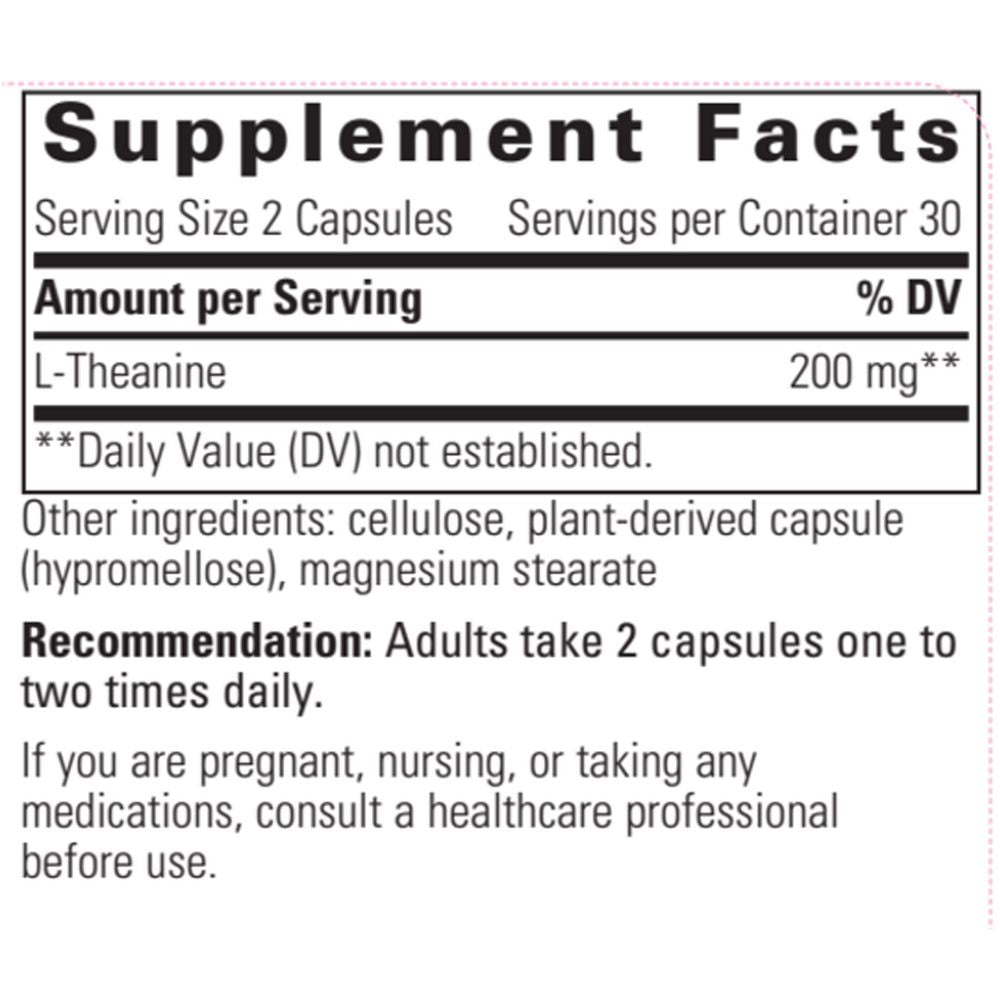
Supplement Facts
Serving Size: 2 Capsules
Servings Per Container: 30
| Amount Per Serving | Amount | |
|---|---|---|
L-Theanine | 200 mg | |
Common Questions about L-Theanine
Answers are general educational information, not medical advice for your situation.
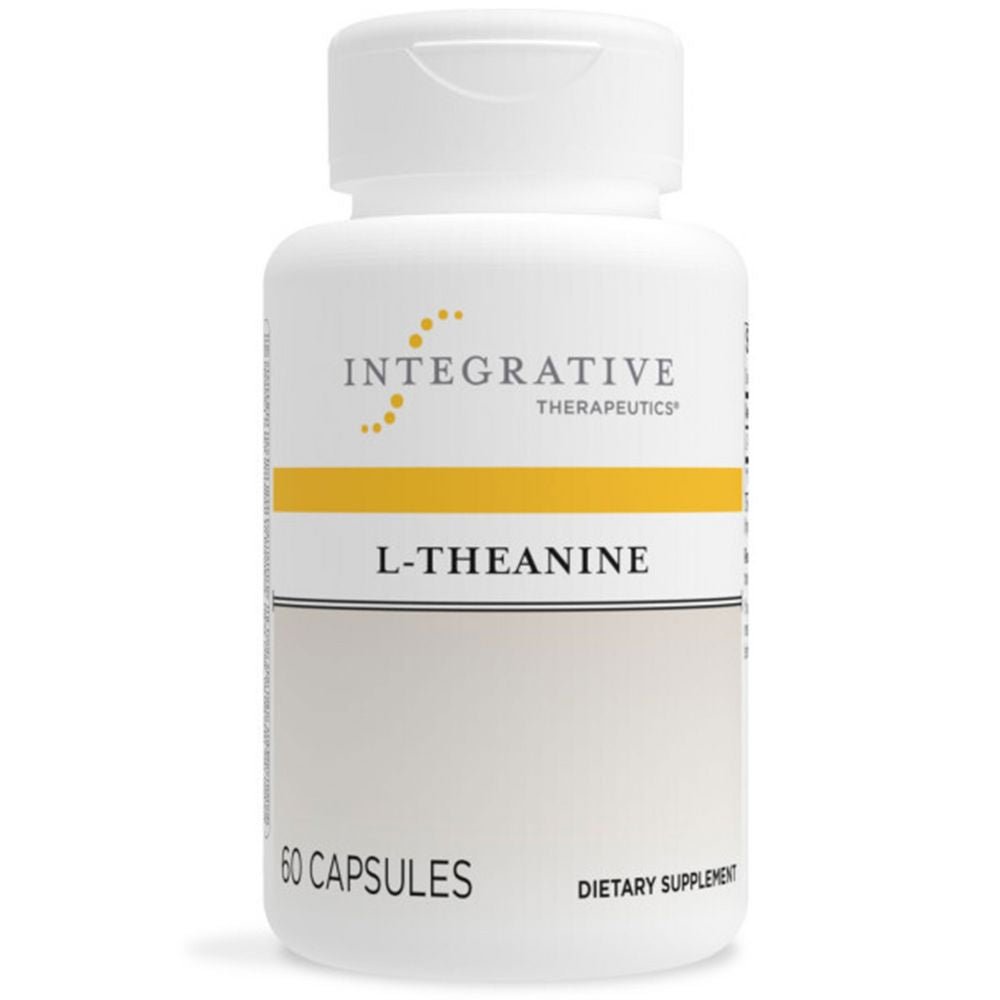
L-Theanine
By Integrative Therapeutics
From $21.99 · Save 10% with code MARTYROSS10


5-Hydroxytryptophan
Supports healthy mood and sleep as a companion to calming amino acids