


ongoing support
Energy & Fatigue
Herx & Cytokine Support
Hormone Support
Immune Defense
Muscle Recovery
Nervous System & Stress
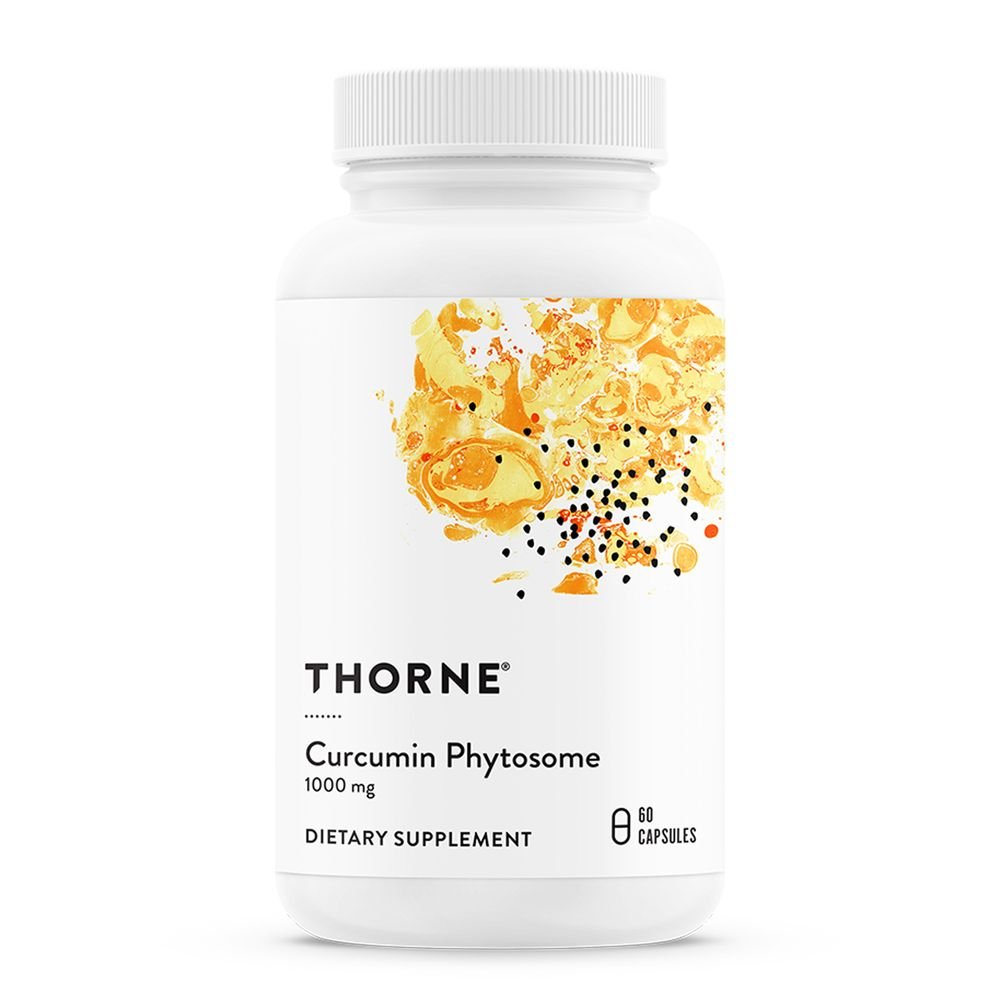
A well absorbed curcumin supplement from Thorne that pairs curcumin with sunflower phospholipids. Supports a healthy inflammatory response, joint comfort, and antioxidant activity.



10% off all supplements
Use code at checkout
MARTYROSS10


Opens Femologist.com in a new tab
TreatLyme and Dr. Marty Ross, MD, are affiliated with Femologist. We may earn a commission on purchases made through this link or code.
Quick Facts
Key Ingredients
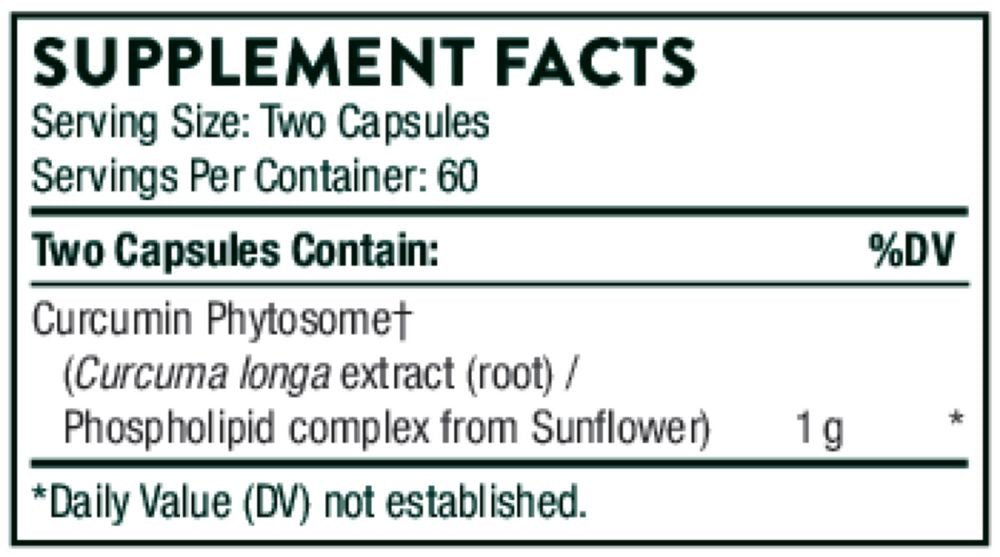
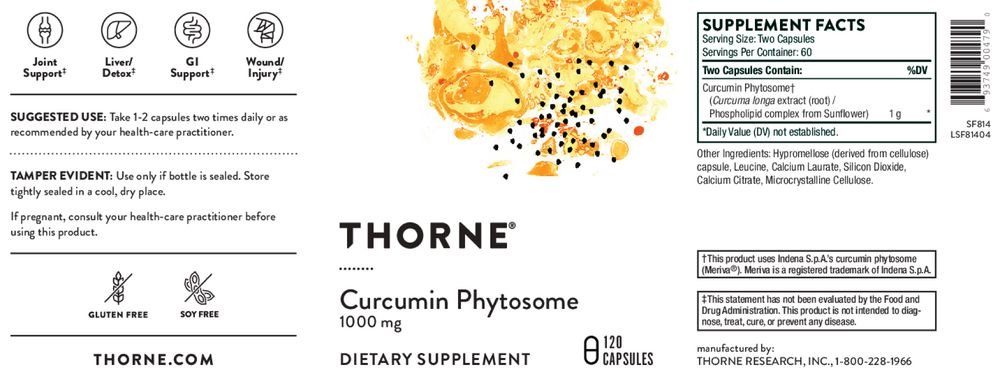
Curcumin Phytosome 1 g
Third-party Testing

NSF Contents Certified
Dietary

Dairy-free

Derived from natural colors

Derived from natural flavors

Gluten-free

Soy-free

Written by

Dr. Marty Ross, MD
Updated
September 24, 2026
Dr. Ross's Expert Review
Curcumin is a leading supplement I reach for when someone needs steady support for a healthy inflammatory response. Curcumin Phytosome by Thorne is a form I like, and there is a simple reason why. Plain curcumin is notoriously hard to absorb. This product pairs curcumin with phospholipids from sunflower in a phytosome complex, and that design carries it into the system far better than standard turmeric extracts.
In my practice I think of curcumin as a cytokine herb. The lab work on curcumin centers on its effect on inflammatory signaling, including the NF-kB pathway, and on its antioxidant activity. That is why it earns a slot in my support protocols when the goal is balanced inflammation and comfort in joints and muscles. It is also helpful during regimens that stir up cytokine activity, and while moving toxins.
Much of the research support comes from laboratory work and review papers, rather than large human trials. And plain curcumin has a bioavailability problem that reviewers have documented for years, which is exactly why absorption technology matters here. A phytosome or liposomal form is not a marketing gimmick; it is the difference between swallowing a capsule and actually getting curcumin into the blood.
This formula is also clean. It is free of gluten, dairy, and soy, and Thorne skips black pepper extract (that some brands use to increase absorption), which can irritate a sensitive gut. Thorne tests to NSF standards for ingredient identity, purity, and potency.
There are some precautions to consider. Curcumin can interfere with certain chemotherapy drugs, so anyone in treatment needs their physician in a decision to use this ingredient. The phospholipids come from sunflower, so a sunflower allergy rules it out. Used sensibly, it is one of the most dependable ongoing support supplements I keep on my shelf.
These statements have not been evaluated by the Food and Drug Administration. This product is not intended to diagnose, treat, cure, or prevent any disease. Dr. Ross has a financial relationship with the Femologist store, where this product is sold.
How I Use It in My Practice
In my practice I use Curcumin Phytosome as an ongoing support supplement rather than for a short course. I usually start people at one capsule three times a day and move to two capsules three times a day if needed. I check in with my clients after a month to see if it is helping or if there are side effect issues. I do not use it for anyone on cyclophosphamide or irinotecan; that decision belongs to their prescribing physician. A sunflower allergy rules it out entirely. Pregnant patients should talk with their physician before starting.
This reflects Dr. Ross's clinical experience and is educational, not medical advice. Work with your treating physician before starting, stopping, or changing any supplement or medication.
The Research, in Dr. Ross's Words
In my research review, curcumin is one of the better studied plant compounds for healthy cytokine balance. The papers on file describe antimicrobial and anti-inflammatory activity in the lab, including effects on the NF-kB pathway, plus broad reviews of its antioxidant effects and its many molecular targets. There is real biological activity, documented repeatedly across independent groups.
The catch is study quality. These papers are largely reviews and laboratory work rather than large controlled trials in people. The 2020 pharmacokinetics review states the core problem plainly: curcumin absorbs poorly on its own, and delivery strategies such as phospholipid complexes exist specifically to fix that. That finding is exactly why I use a phytosome form rather than plain turmeric powder.
Human trial data for specific outcomes remains limited relative to the sheer volume of lab work. Candidly, my confidence comes from mechanism plus what I observe in practice, not from definitive trials. The honest summary: strong lab science, a solved absorption problem, and human evidence that is promising but still thin.
References
From:
Thorne
Well-absorbed curcumin support for joint stiffness, muscle soreness, and a healthy inflammatory response. Thorne's Curcumin Phytosome provides the most clinically studied curcumin on the market, helping maintain a healthy inflammatory response in the joints, muscles, GI tract, liver, brain, and nerves.
Directions of Use
Take 1-2 capsules two times daily or as recommended by your health-care practitioner.
Does not contain
dairy
gluten
soy
ALLERGY WARNING: This product is contraindicated in an individual with a history of hypersensitivity to any of its ingredients. PREGNANCY: If pregnant, consult your health-care practitioner before using this product. INTERACTIONS: Curcumin has been shown to reduce the therapeutic efficacy of cyclophosphamide (Cytoxan) in animal studies. In vitro research revealed that curcumin decreased camptothecin-induced death of cultured breast cancer cells. Curcumin might also interfere with the absorption and efficacy of the chemotherapy drug irinotecan, used to treat colon cancer. The concurrent use of curcumin with these agents should be avoided. The phospholipid complex in Curcumin Phytosome is extracted from sunflower oil. If there is a history of allergy to sunflower, we would not recommend using this product.
Excerpted from Thorne's product information. These statements have not been evaluated by the Food and Drug Administration.
Supplement Facts
Serving Size: 2 Capsules
Servings Per Container: 60
| Two Capsules Contain | Amount | |
|---|---|---|
Curcumin Phytosome Curcuma longa extract (root) / Phospholipid complex from Sunflower | 1 g | |
Common Questions about Curcumin Phytosome
Answers are general educational information, not medical advice for your situation.
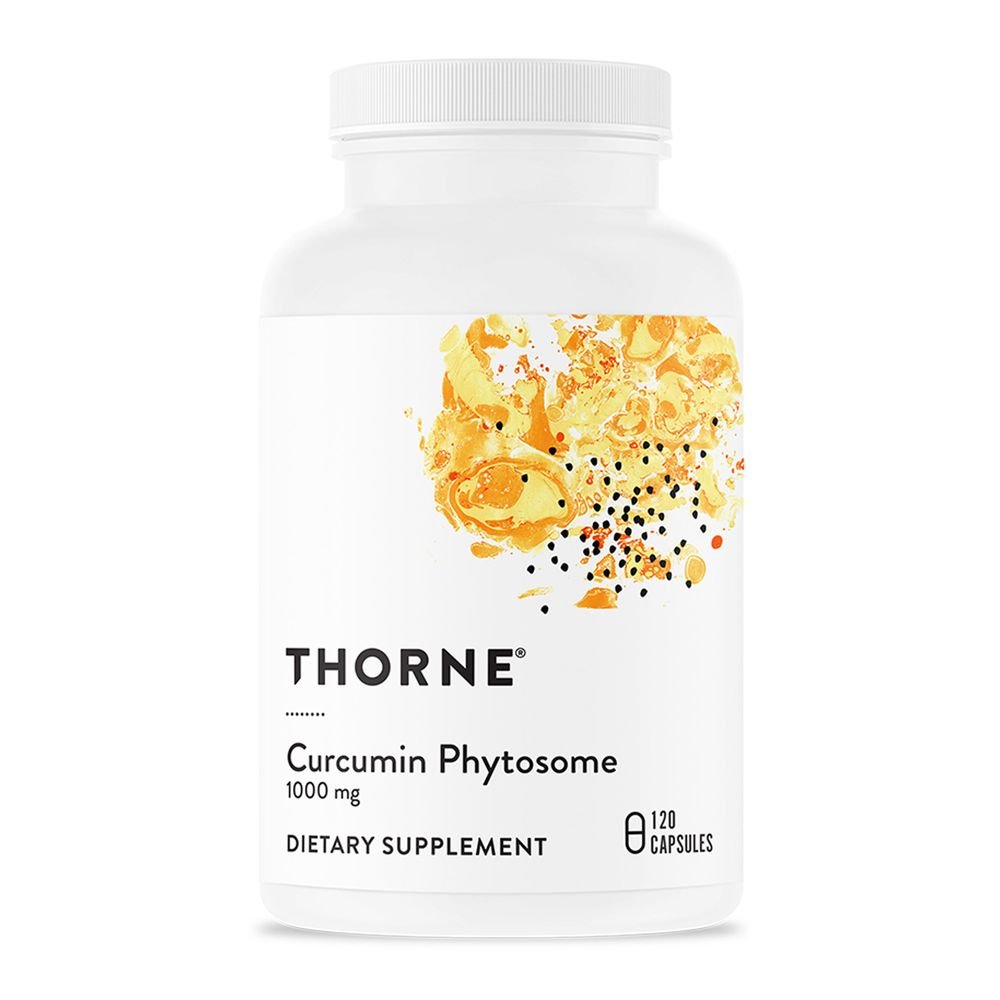
Curcumin Phytosome
By Thorne
From $60.00 · Save 10% with code MARTYROSS10


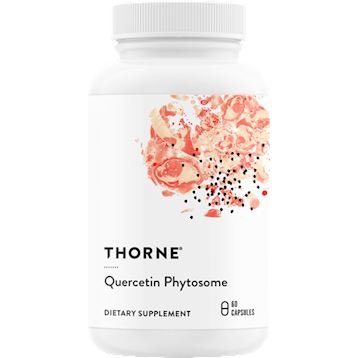
Quercetin Phytosome
A Thorne phytosome supplement in the same energy and fatigue category.
Guide
Improve Fatigue & Boost Energy: The Basic Steps
An energy guide that names curcumin for healthy cytokine balance, with dosing.

Guide
Marty Ross, MD’s Solutions for Post-exertion Fatigue & Malaise
A fatigue and malaise guide that includes liposomal curcumin in its supports.