


ongoing support
Energy & Fatigue
Nervous System & Stress
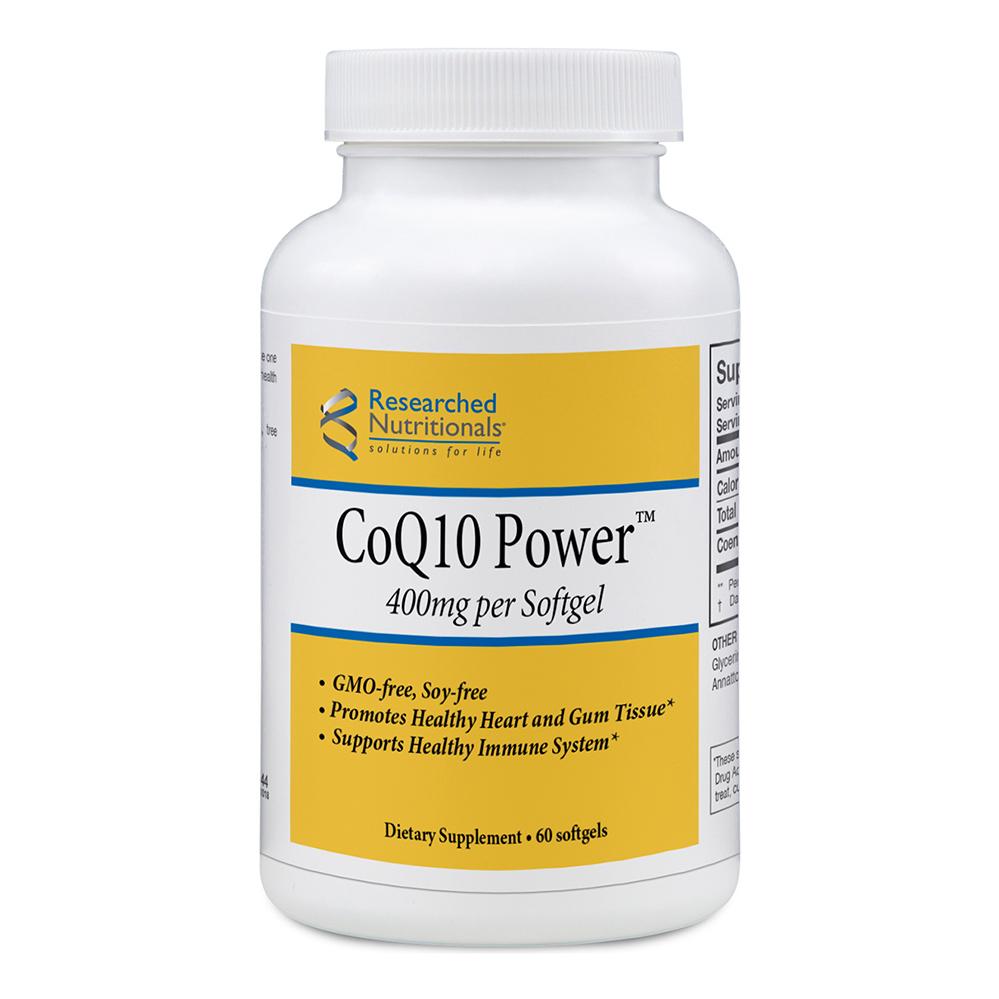
CoQ10 Power from Researched Nutritionals is a 400 mg ubiquinone CoQ10 softgel that supports cellular energy production, cardiovascular function, and antioxidant protection, delivered in GMO-free sunflower oil for absorption.



10% off all supplements
Use code at checkout
MARTYROSS10


Opens Femologist.com in a new tab
TreatLyme and Dr. Marty Ross, MD, are affiliated with Femologist. We may earn a commission on purchases made through this link or code.
Quick Facts
Key Ingredients
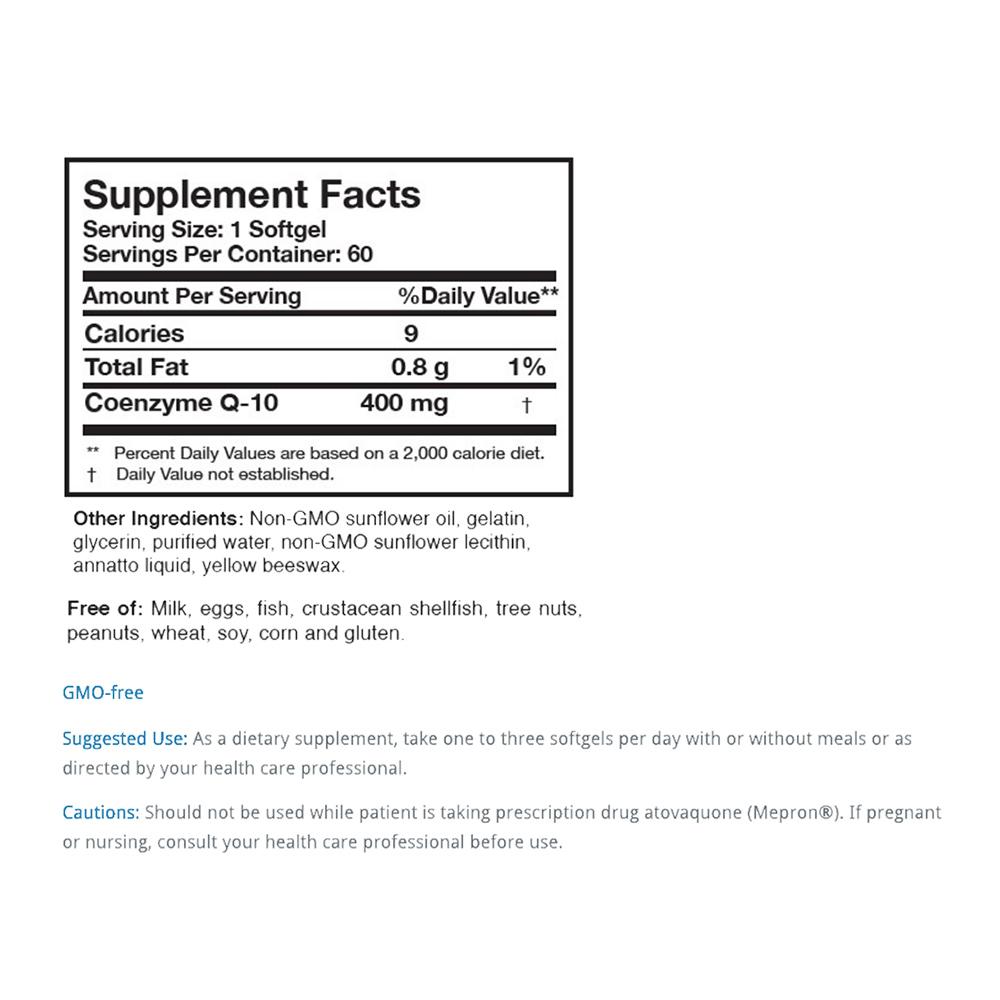
Calories 9
Total Fat 0.8 g
Third-party Testing
Dietary

GMO-free

Soy-free

Written by

Dr. Marty Ross, MD
Updated
September 24, 2026
Dr. Ross's Expert Review
CoQ10 Power is one of the simplest, highest-value supports I use for energy. Coenzyme Q10 is the molecule mitochondria use to turn food into ATP, the energy currency of the cell. Tissues with the highest energy demand, the heart, the brain and nerves, the immune system, rely on it heavily. The body makes its own CoQ10, but production falls with age and with certain medications, and low levels are one reason fatigue shows up in the people I see.
In my practice, CoQ10 Power fits into two kinds of plans. First, mitochondrial support for anyone with stubborn fatigue, where it works alongside other mitochondrial nutrients rather than alone. Second, cardiovascular support, since the heart’s energy demand is constant.
Each softgel carries 400 mg of pure, naturally fermented ubiquinone, the traditional and most-studied form of CoQ10. The softgel uses GMO-free sunflower oil and sunflower lecithin to carry the fat-soluble nutrient into the body, and there is no titanium dioxide in the casing.
CoQ10 has one of the deeper research files among supplements. Reviews covering dozens of trials describe its role in cellular energy and its antioxidant activity, and clinical work in cardiovascular medicine has tested it directly in people. Be aware the results vary by population and dose, and much of the strongest work sits in cardiology literature rather than in chronic illness literature.
I suggest one to three softgels a day, with or without food, to cover most situations. One caution is firm: this should not be used by anyone taking atovaquone, found in Mepron and Malarone. Pregnancy and nursing call for a physician’s review first.
This is a clean, well-absorbed, therapeutic-strength CoQ10 at a dose that makes one or two softgels a day practical. For energy and heart support, it earns its spot in my protocols.
These statements have not been evaluated by the Food and Drug Administration. This product is not intended to diagnose, treat, cure, or prevent any disease. Dr. Ross has a financial relationship with the Femologist store, where this product is sold.
How I Use It in My Practice
I use CoQ10 Power mostly as ongoing mitochondrial and cardiovascular support. Most people in my practice do well on one or two softgels a day; I move toward three when fatigue is more stubborn, always with the rest of the regimen in mind. Because it is fat-soluble, taking it with a meal that has some fat helps absorption, though the sunflower oil base does some of that work. It may take months to see benefit. Anyone taking atovaquone, found in Mepron and Malarone, should not take this product, and I confirm prescriptions at every visit. Pregnancy and nursing call for a physician’s review first.
This reflects Dr. Ross's clinical experience and is educational, not medical advice. Work with your treating physician before starting, stopping, or changing any supplement or medication.
The Research, in Dr. Ross's Words
CoQ10 has one of the deeper research databases among support supplements. CoQ10 sits inside the mitochondrial membrane, where it carries electrons between the protein complexes that build ATP, and it doubles as a lipid antioxidant. Reviews from 2018 and 2021 lay out these bioenergetic and antioxidant mechanisms as the basis for everything the nutrient does.
The clinical side is where the research base gets interesting. A 2025 review covering cardiovascular medicine points to the Q-SYMBIO trial, which reported improvements in functional capacity and ejection fraction in heart failure patients taking CoQ10. A 2020 review of clinical evidence reaches similar conclusions about hemodynamic parameters. I read those as strong signals in a specific, medically supervised population.
One comparison matters for buyers. A 2024 review of 28 trials found both ubiquinone and ubiquinol support cardiovascular function, while the longer-term outcome differences in the literature were observed with ubiquinone, the traditional form this product uses.
In my read of this research, the mechanism is solid, the cardiology trials are encouraging, while the evidence in chronic fatigue and everyday energy is thinner. I use it to support energy and heart health
References
From:
Researched Nutritionals
CoQ10 Power™ is a non-GMO, soy-free, 400mg therapeutic-strength dose of CoQ10 in an absorbable softgel delivery system. CoQ10 Power™ is an ultra-clean formula containing no titanium dioxide (a common additive in many CoQ10 supplements).
Directions of Use
As a dietary supplement, take one to three softgels per day with or without meals or as directed by your health care professional.
Does not contain
corn
crustacean-shellfish
eggs
fish
gluten
gmos
milk
peanuts
soy
titanium-dioxide
tree-nuts
wheat
Should not be used while patient is taking prescription drug atovaquone (Mepron®). If pregnant or nursing, consult your health care professional before use.
Excerpted from Researched Nutritionals's product information. These statements have not been evaluated by the Food and Drug Administration.
Supplement Facts
Serving Size: 1 Softgel
Servings Per Container: 60
| Amount Per Serving | Amount | |
|---|---|---|
Calories | 9 | |
Total Fat | 0.8 g | |
Coenzyme Q-10 | 400 mg | |
Common Questions about CoQ10 Power
Answers are general educational information, not medical advice for your situation.
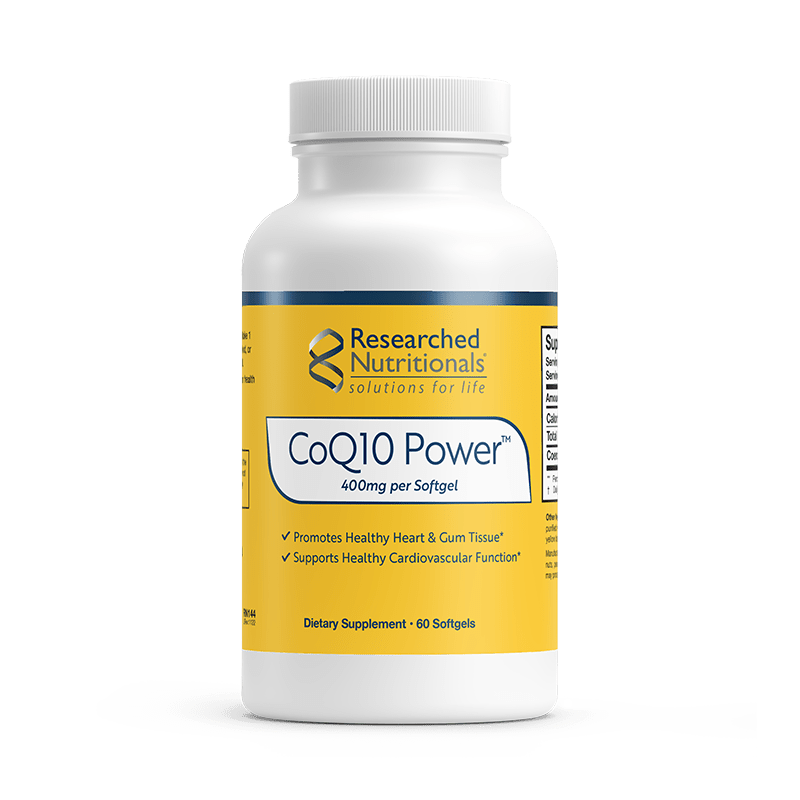
CoQ10 Power
By Researched Nutritionals
From $69.98 · Save 10% with code MARTYROSS10
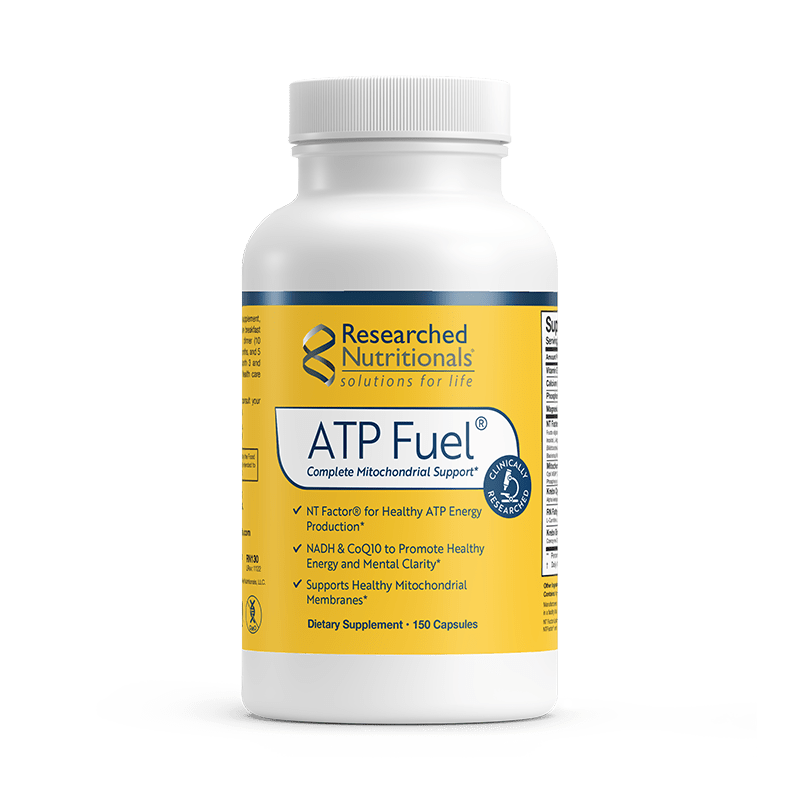


Guide
Power Up Your Mighty Mitochondria & Get Energy
Guide to repairing mitochondria, where CoQ10 fits

Guide
Improve Fatigue & Boost Energy: The Basic Steps
Basic steps approach to fatigue, includes CoQ10
Guide
Marty Ross, MD’s Solutions for Post-exertion Fatigue & Malaise
Covers post-exertional fatigue and energy recovery