
ongoing support
Energy & Fatigue
Hormone Support
Mood & Focus
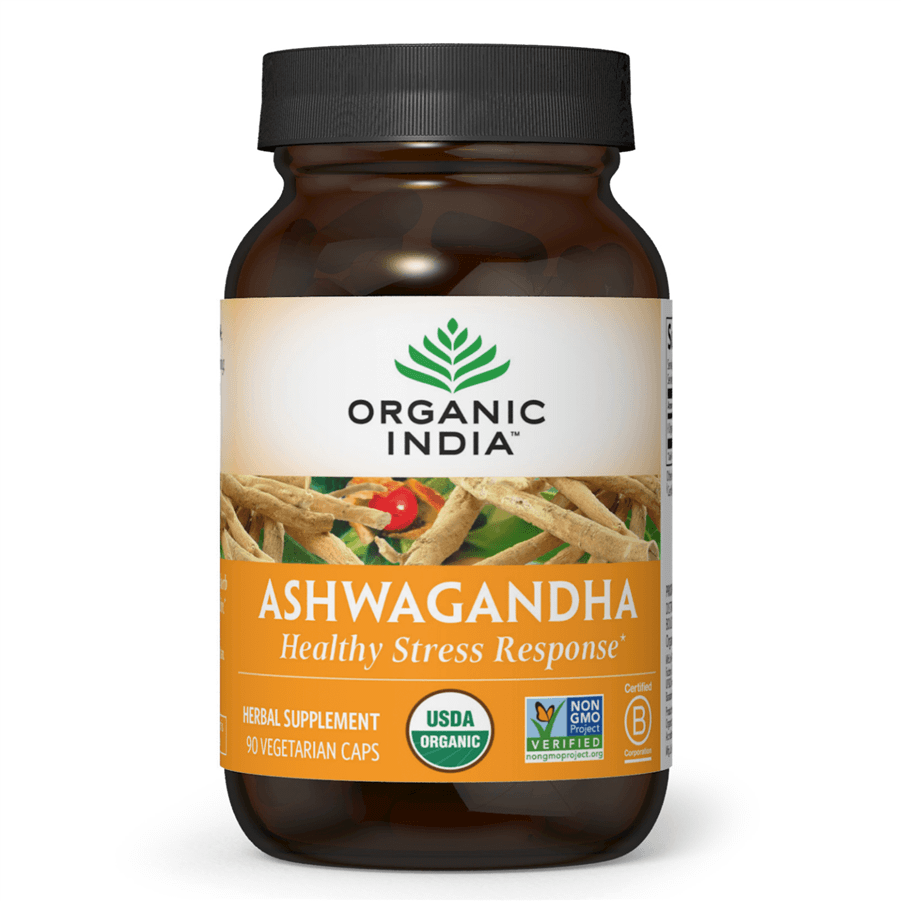
Organic ashwagandha root from Organic India. An adaptogen that supports the body's stress response, healthy adrenal and thyroid function, calm relaxation, and steady energy during stressful periods.



10% off all supplements
Use code at checkout
MARTYROSS10


Opens Femologist.com in a new tab
TreatLyme and Dr. Marty Ross, MD, are affiliated with Femologist. We may earn a commission on purchases made through this link or code.
Quick Facts
Key Ingredients
Organic Ashwagandha (Withania somnifera) root 800 mg
Third-party Testing
Dietary

Fairtrade-certified

Gluten-free

Non-GMO

Regenerative-organic-certified

Vegan

Written by

Dr. Marty Ross, MD
Updated
November 2, 2026
Dr. Ross's Expert Review
Ashwagandha is an herb I use often in my care regimens in my Seattle practice. It is an Ayurvedic adaptogen, which means it supports the ability to withstand stress.
Here is what chronic stress does. When the adrenal system is working right, it releases hydrocortisone, adrenaline, and mineral-regulating hormones in correct amounts. Under chronic stress that regulation goes out of balance, and the result is low energy and stamina, immune dysfunction, low thyroid function, increased inflammation, and at times anxiety. The research and my own experience both point the same direction: ashwagandha supports healthy balance in stress.
There is real science here. Controlled trials show reductions in perceived stress and anxiety scores and in morning cortisol. Animal research adds that it supports normal inflammatory cytokine levels, thyroid hormone levels, and white blood cell function. The exact mechanisms are not fully known. The clinical results are what I rely on.
How I use it: this is a daytime adaptogen. I typically have people take it in the morning and early afternoon, and I do not find it overstimulating the way some adrenal herbs are. Some colleagues prefer Siberian ginseng, licorice, or rhodiola, but I find those too energetically hot for the people I work with. Ashwagandha is neutral.
Not for pregnancy. And if insomnia worsens on it, the afternoon dose is the one to trim first. This is a steady workhorse, not a fast-acting agent, and I tell people to judge its effects over weeks.
These statements have not been evaluated by the Food and Drug Administration. This product is not intended to diagnose, treat, cure, or prevent any disease. Dr. Ross has a financial relationship with the Femologist store, where this product is sold.
How I Use It in My Practice
I use ashwagandha as ongoing stress support, 2 capsules in the morning and 2 more between 1 and 2 pm. If someone’s insomnia worsens on it, I cut the afternoon amount back to 1 capsule rather than dropping the herb. I reach for it when the picture includes low stamina, stress hormone imbalance, and stress-driven inflammation. I judge its effect over a month or two and I keep it running as long as the medical or psychologic stress remains high.
This reflects Dr. Ross's clinical experience and is educational, not medical advice. Work with your treating physician before starting, stopping, or changing any supplement or medication.
The Research, in Dr. Ross's Words
The ashwagandha literature is one of the better developed adaptogen bodies of evidence. Multiple controlled trials in adults report reductions in perceived stress and anxiety scores, with parallel drops in morning cortisol, the hormone signature you would expect if the herb is working on the stress response system itself. One trial went as low as 125 mg a day and still saw effects on stress measures.
Two meta-analyses strengthen the picture. One pooled the stress and anxiety trials and found significant effects on perceived stress, anxiety scores, and cortisol compared to placebo. The other looked at sleep and found small but real improvements overall, stronger in people with diagnosed insomnia, at higher doses, and with longer use, eight weeks or more.
The limits are worth naming. Most trials are small to moderate, and the sleep effects are modest, not sedative. But the direction is consistent, the mechanism is plausible, and the trials report good tolerability. That combination is rarer in this field than people expect. I use it with confidence for stress support and watch the sleep benefits as a secondary gain, which is close to how the trials frame it themselves.
Controlled trials show reductions in perceived stress and anxiety scores and in morning cortisol. Animal research adds that it supports normal inflammatory cytokine levels, thyroid hormone levels, and white blood cell function. The exact mechanisms are not fully known.
References
From:
Organic India
Experience the power of organic ashwagandha capsules made from whole root only. This traditional adaptogen herb helps support the body's natural resistance to occasional stress and promotes calmness and relaxation. Known for its ability to help reduce occasional stress and frustration, ashwagandha can gently soothe away tension and improve nervous irritability, helping you feel steady and centered throughout the day. It also supports healthy sleep cycles at night without sedation, making it a versatile ally for modern life.
Directions of Use
Take 1 or 2 Ashwagandha capsules any time of day with water, according to your preferences.
Does not contain
additives
fillers
preservatives
CA WARNING: Can expose you to lead, a carcinogen and reproductive toxicant. See www.P65Warnings.ca.gov/food.
Excerpted from Organic India's product information. These statements have not been evaluated by the Food and Drug Administration.
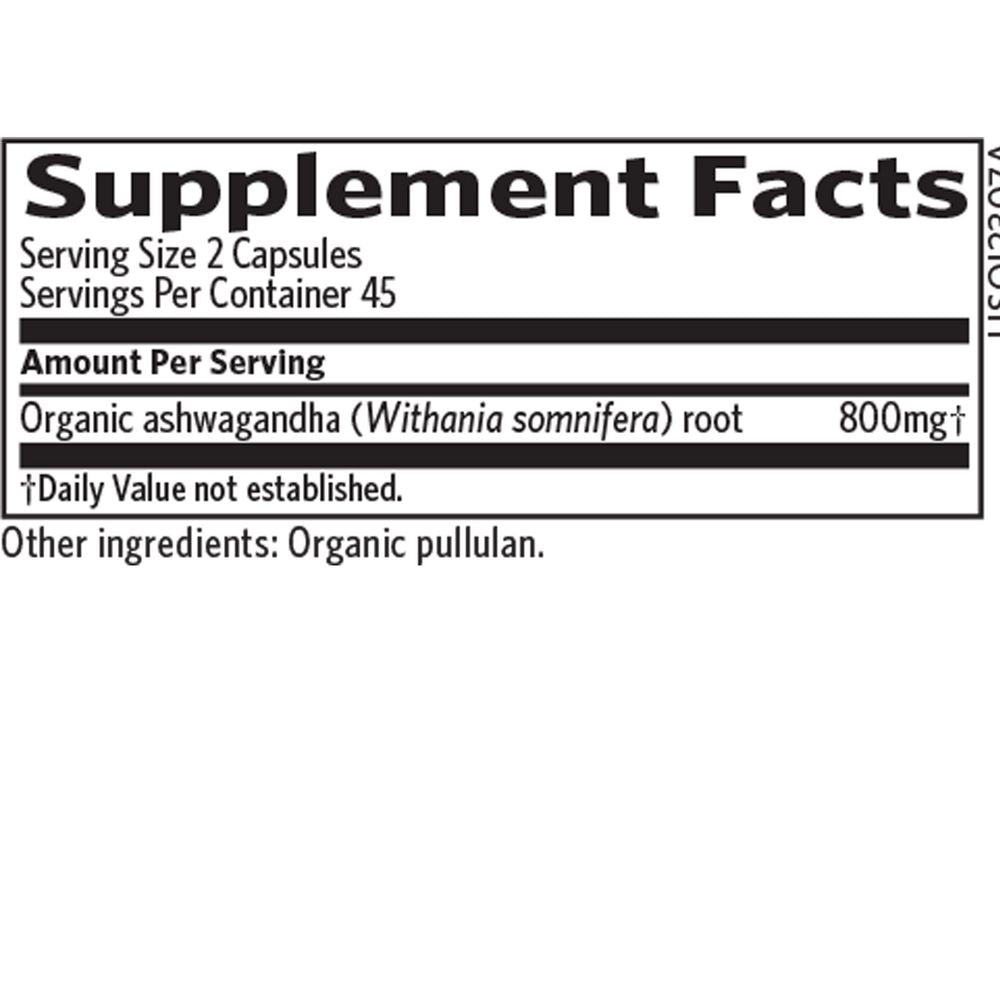
Supplement Facts
Serving Size: 2 Capsules
Servings Per Container: 45
| Amount Per Serving | Amount | |
|---|---|---|
Organic Ashwagandha (Withania somnifera) root | 800 mg | |

Common Questions about Ashwagandha
Answers are general educational information, not medical advice for your situation.
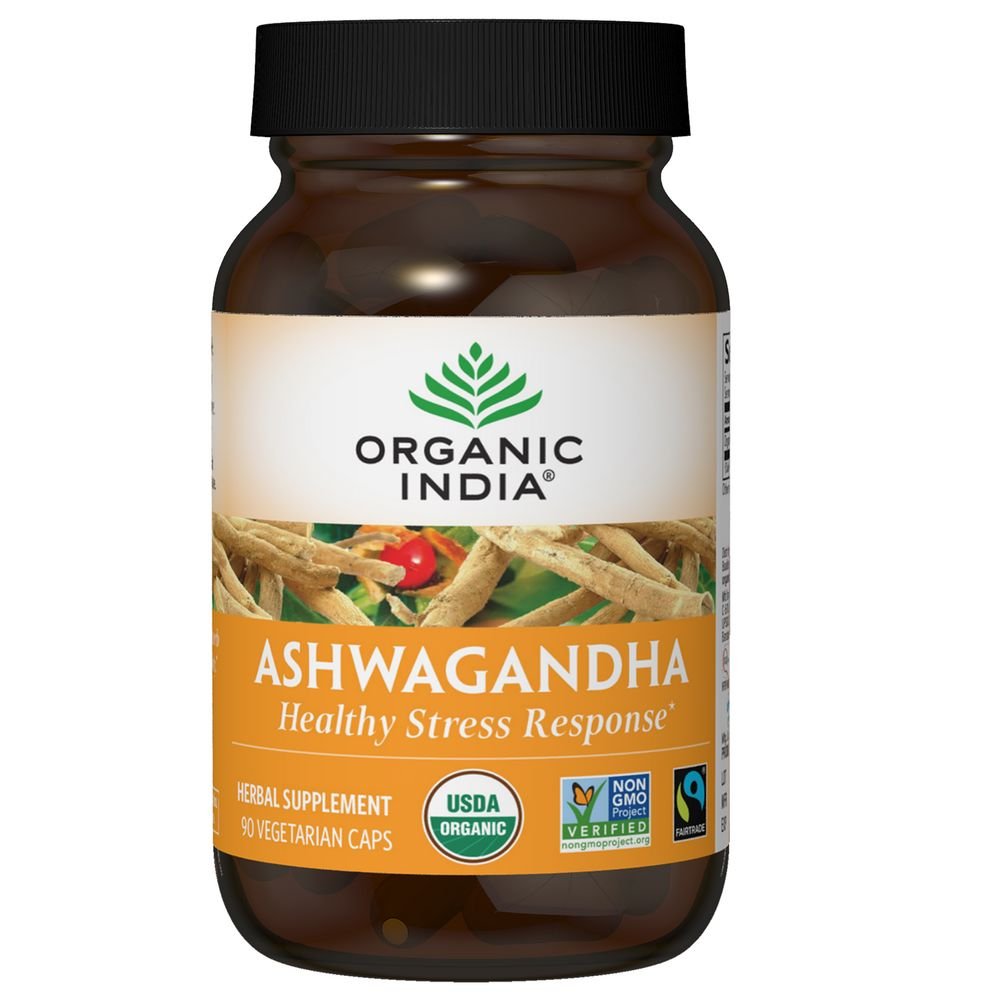
Ashwagandha
By Organic India
From $25.99 · Save 10% with code MARTYROSS10
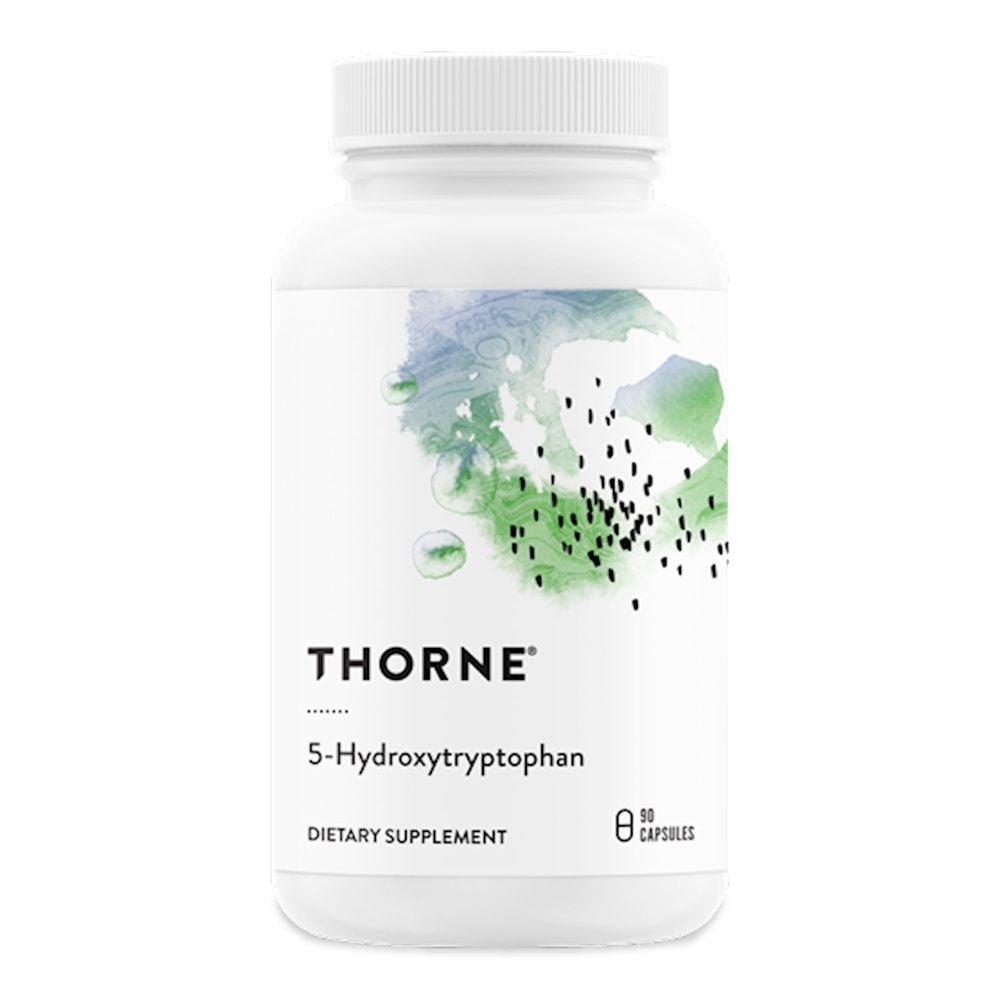
5-Hydroxytryptophan
Sleep and mood support in the same category; pairs with daytime ashwagandha.


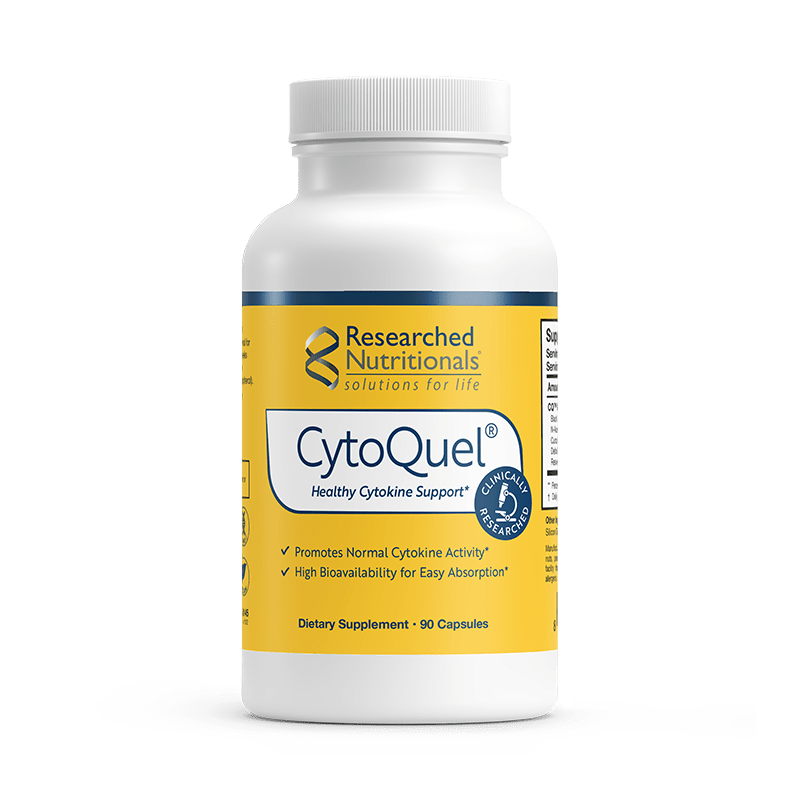
CytoQuel
Cytokine balance support; stress and cytokines travel together in chronic illness.