


Energy & Fatigue
Maintenance & Recovery
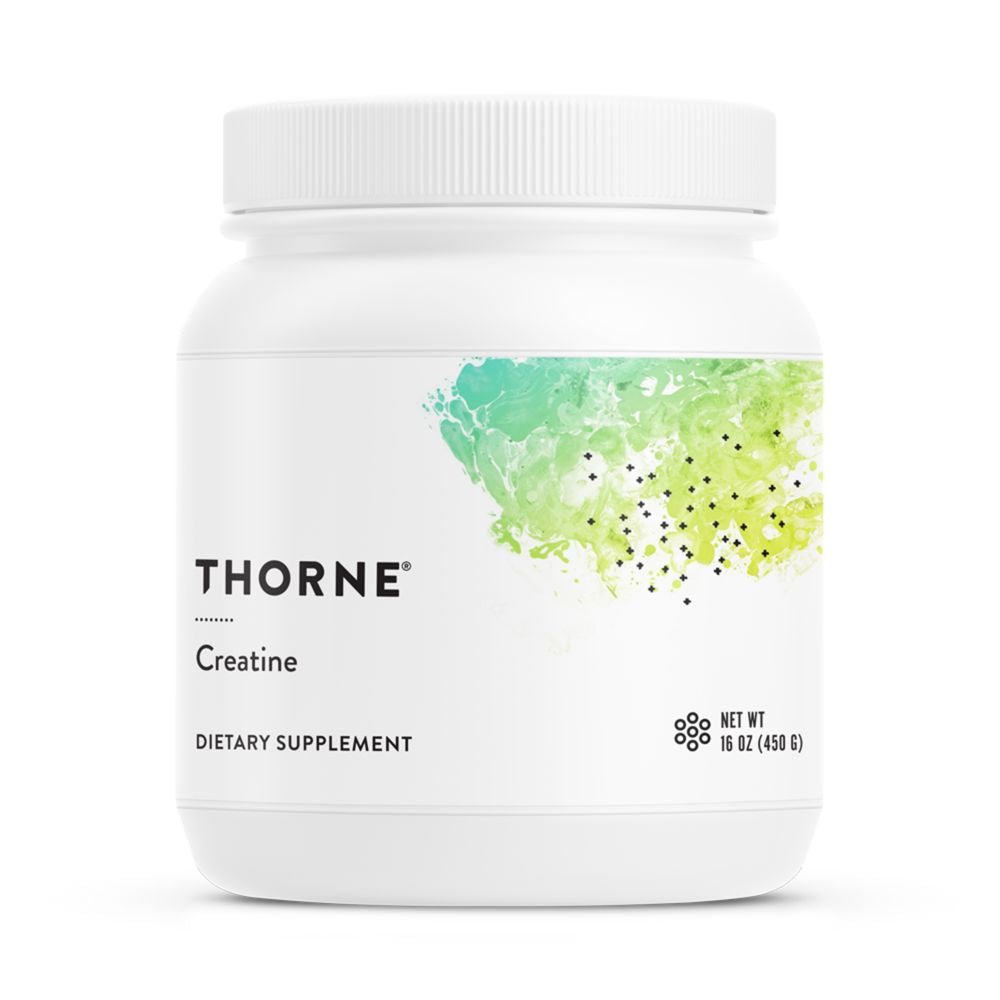
Micronized creatine monohydrate from Thorne, 5 g per scoop with 90 servings per container, NSF Certified for Sport, to support cellular energy production, muscle performance, and cognitive function.




Opens Femologist.com in a new tab
TreatLyme and Dr. Marty Ross, MD, are affiliated with Femologist. We may earn a commission on purchases made through this link or code.
Quick Facts
Key Ingredients
Creatine Monohydrate 5 g
Third-party Testing

NSF Certified for Sport
Dietary

Dairy-free

Gluten-free

Soy-free

Written by

Dr. Marty Ross, MD
Updated
November 6, 2026
Dr. Ross's Expert Review
Creatine is an amino acid the body makes and uses to reload energy quickly inside cells. Most people know it for muscle, and that works. What interests me more in the people I see is the brain. The brain burns a large share of the body’s energy, and in chronic illness the energy factories inside cells run low. Creatine gives those cells a quick-reload energy buffer.
The research backs the brain angle better than for most supplements I discuss: a controlled trial showed improved brain performance in vegetarians, meta-analyses of creatine and memory report benefits in healthy adults, and a 2025 pilot study looked at creatine in Alzheimer’s. For people with brain fog and low cognitive stamina in my practice, it is one of the simple supports I reach for.
This Thorne product is micronized creatine monohydrate, 5 grams per scoop, 90 servings per container. It is made without gluten, dairy, or soy, and it holds NSF Certified for Sport, which means an independent program has verified what is in the tub.
Work with your physician on where it fits in a full regimen.
These statements have not been evaluated by the Food and Drug Administration. This product is not intended to diagnose, treat, cure, or prevent any disease. Dr. Ross has a financial relationship with the Femologist store, where this product is sold.
How I Use It in My Practice
I use creatine as ongoing daily support for brain energy, and for muscle when someone is rebuilding strength. My usual approach is 1 scoop (5 grams) a day in at least 8 ounces of water or juice. It works by saturation, not timing, so I tell people to pick a time they will not skip and keep it consistent. When someone wants more cognitive support I move to 2 scoops a day for a while and watch how they feel. Unlike the enzymes I use, there is no empty-stomach rule here: it mixes fine with food or a smoothie.
This reflects Dr. Ross's clinical experience and is educational, not medical advice. Work with your treating physician before starting, stopping, or changing any supplement or medication.
The Research, in Dr. Ross's Words
The research record on creatine and the brain is stronger than for most supplements I discuss. The 2003 double-blind cross-over trial showed oral creatine monohydrate improved brain performance in vegetarians, the population most likely to run low. A 2023 meta-analysis of randomized controlled trials on memory in healthy individuals reported benefits, and a 2024 systematic review and meta-analysis on cognitive function in adults added more pooled data. In 2025 a pilot study in Alzheimer’s looked at feasibility, brain creatine levels, and cognition, which tells me researchers treat this as a serious brain-energy question.
The muscle side is older and settled: creatine monohydrate at 5 grams a day supports the quick energy reload inside muscle cells. The NSF Certified for Sport mark on this product matters here because an independent program tested it for banned substances and verified the label claim.
What I do not have is research on creatine in tick-borne illness specifically. I use it for the brain energy problem I see in practice, and I watch what changes for the person in front of me.
References
From:
Thorne
Promote enhanced muscle performance and strength with creatine monohydrate. Great for more than just athletes - it also supports cellular energy production and cognitive function to help you perform at your best.
Directions of Use
Mix 1 scoop with at least 8 ounces of water, juice, or preferred beverage daily or as recommended by your health-care or performance professional. Can be used 30 to 90 minutes before or after exercise.
Does not contain
dairy
gluten
soy
Tamper Evident: Use only if bottle is sealed. Store tightly sealed in a cool, dry place. If pregnant, consult your health-care practitioner before using this product.
Excerpted from Thorne's product information. These statements have not been evaluated by the Food and Drug Administration.
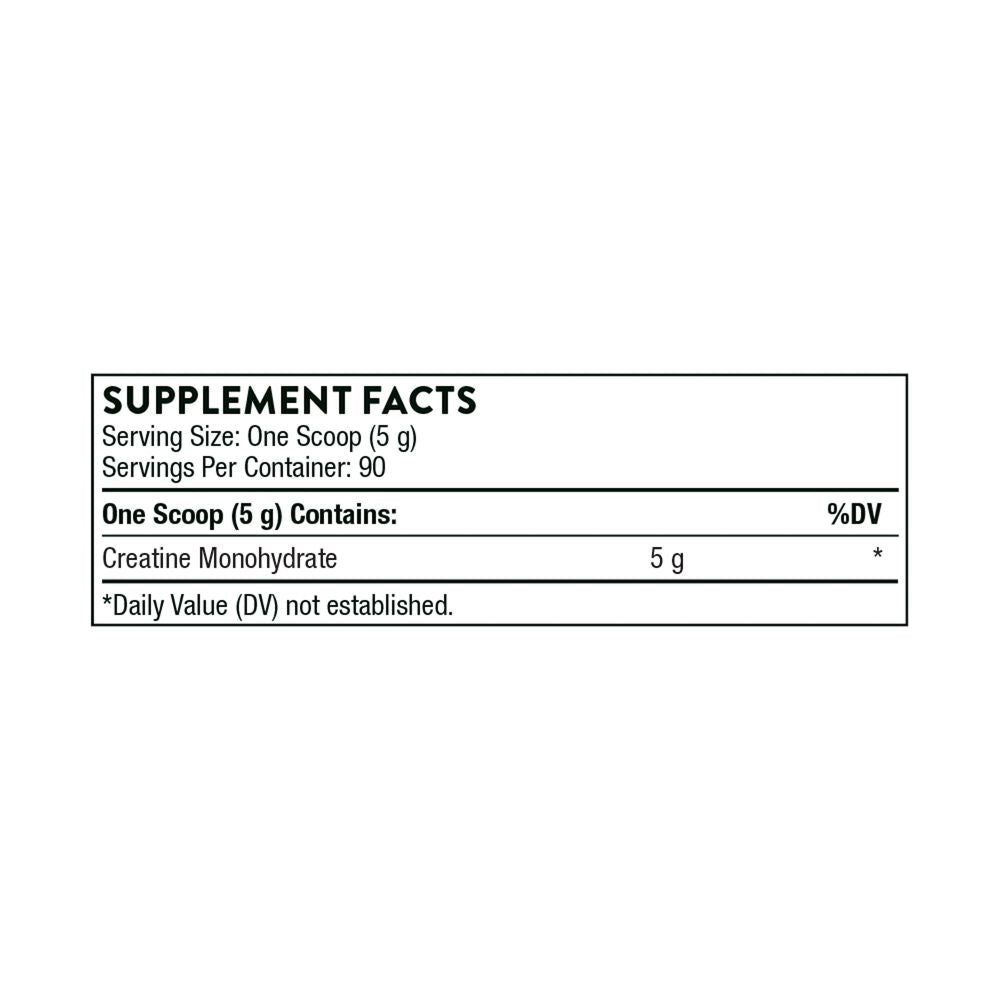
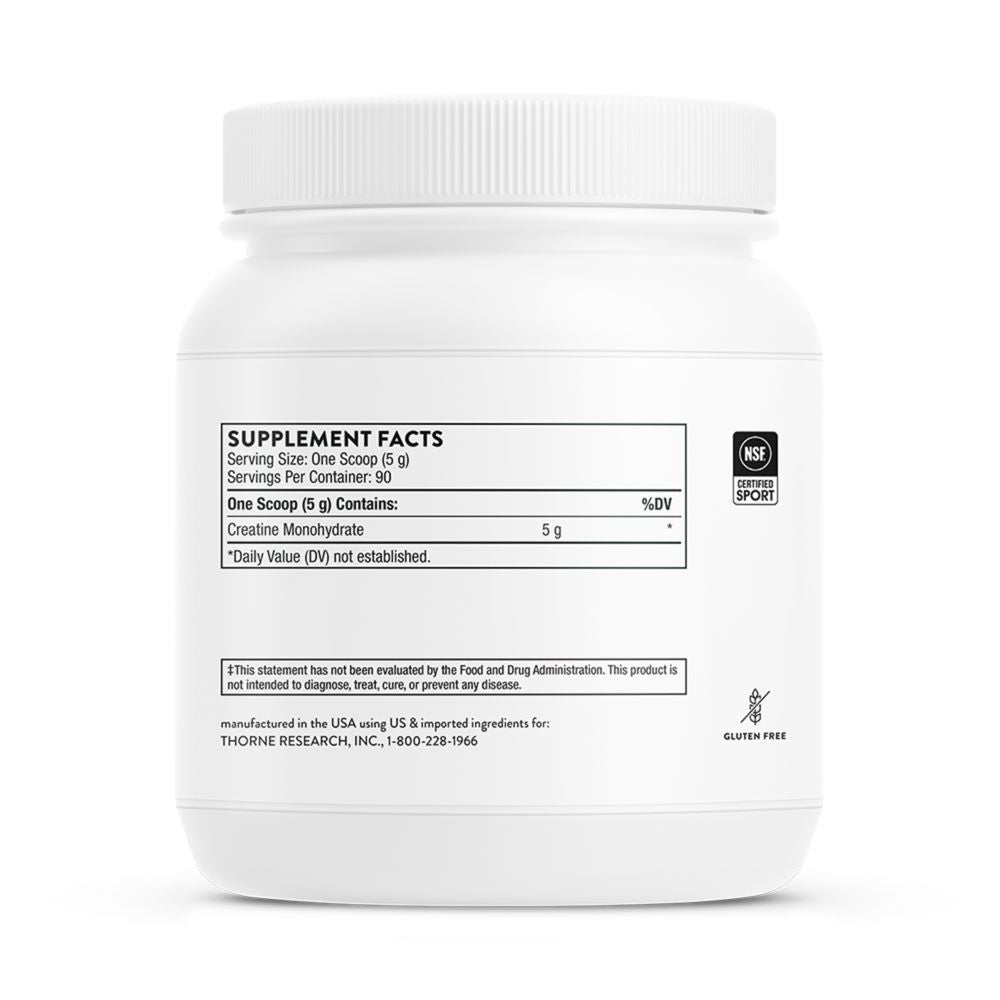
Supplement Facts
Serving Size: 1 Scoop
Servings Per Container: 90
| One Scoop (5 g) Contains:|% DV | Amount | |
|---|---|---|
Creatine Monohydrate | 5 g | |
*Daily Value (DV) not established. | ||
Common Questions about Creatine
Answers are general educational information, not medical advice for your situation.
Creatine
By Thorne
From $44.00 · Save 10% with code
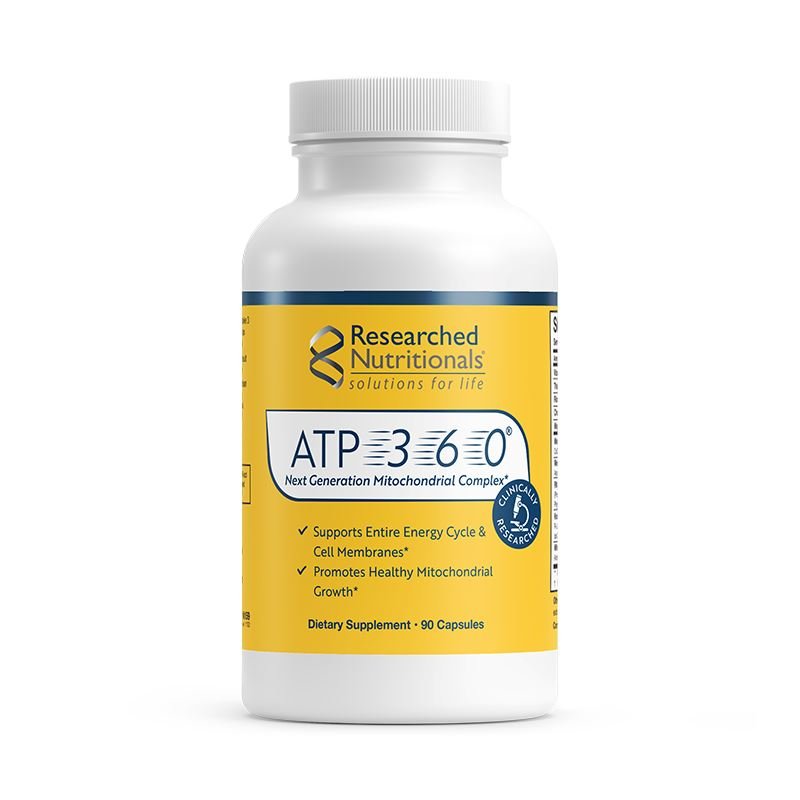
ATP 360
The membrane, CoQ10, and PQQ mitochondria formula supporting the same energy pathway creatine taps.


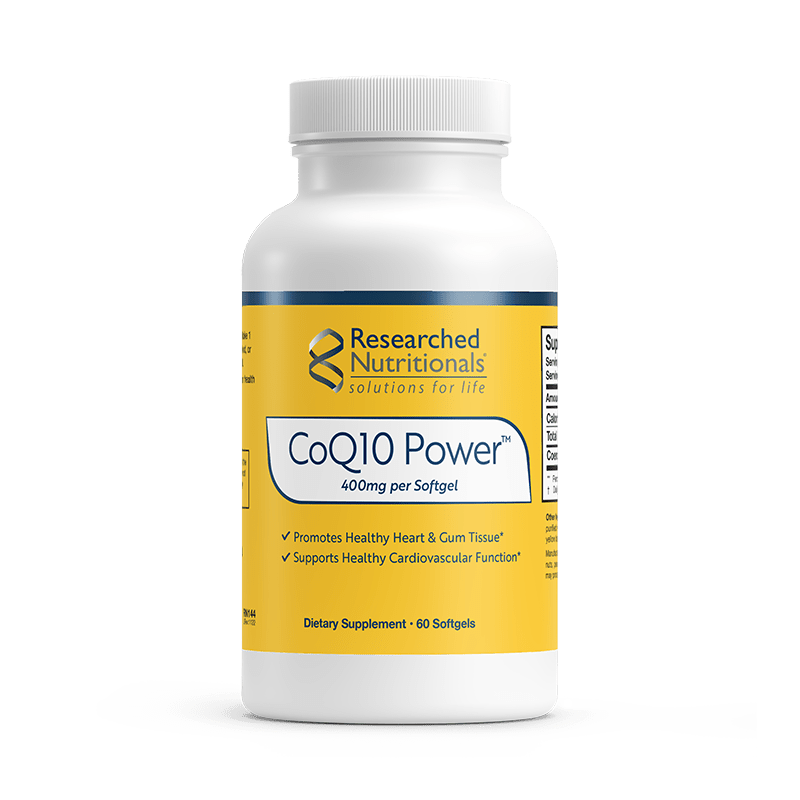
CoQ10 Power
CoQ10 supports the electron transport step of ATP production that creatine’s energy benefit relies on.
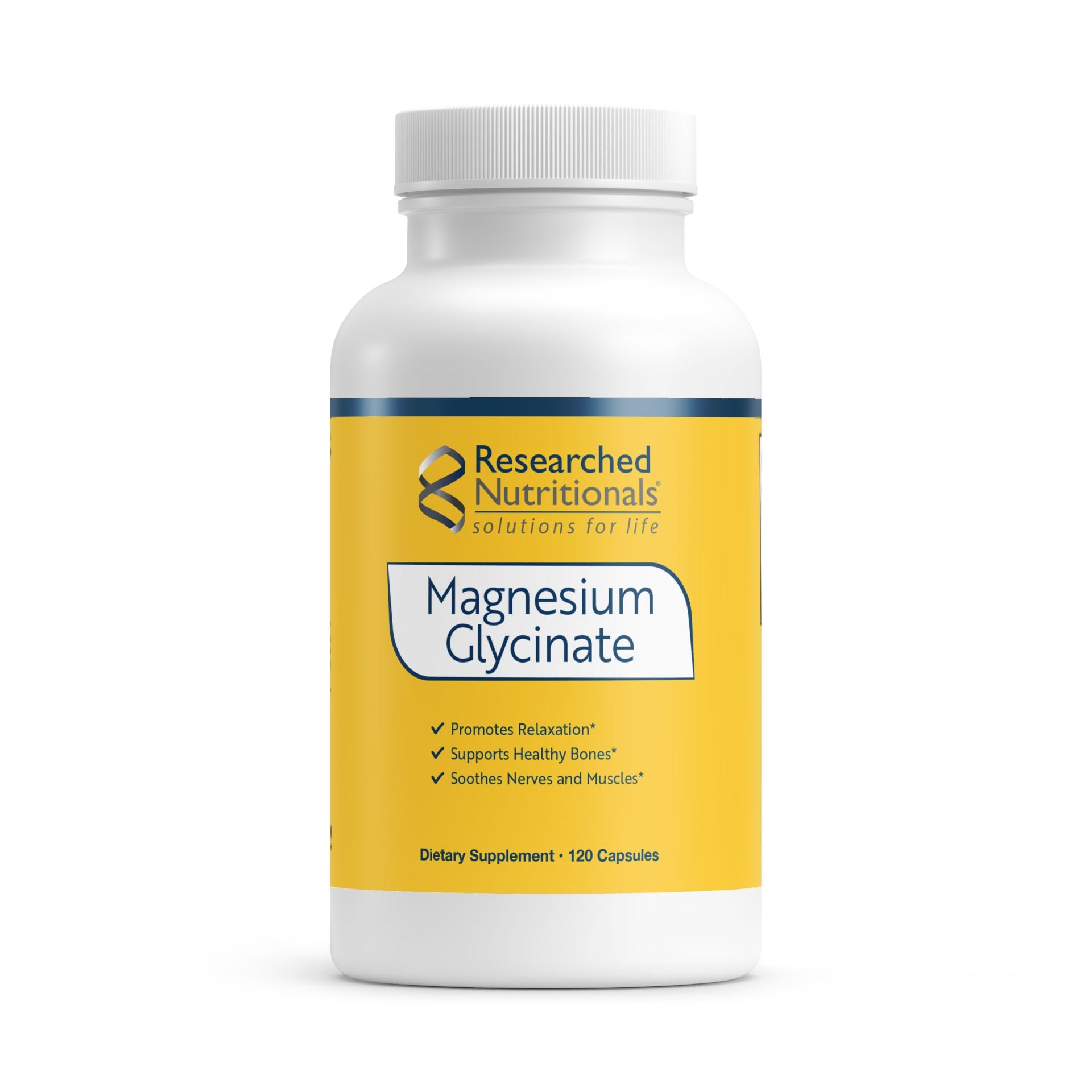
Magnesium Glycinate
Magnesium helps ATP work inside cells, supporting the same energy and muscle function creatine targets.
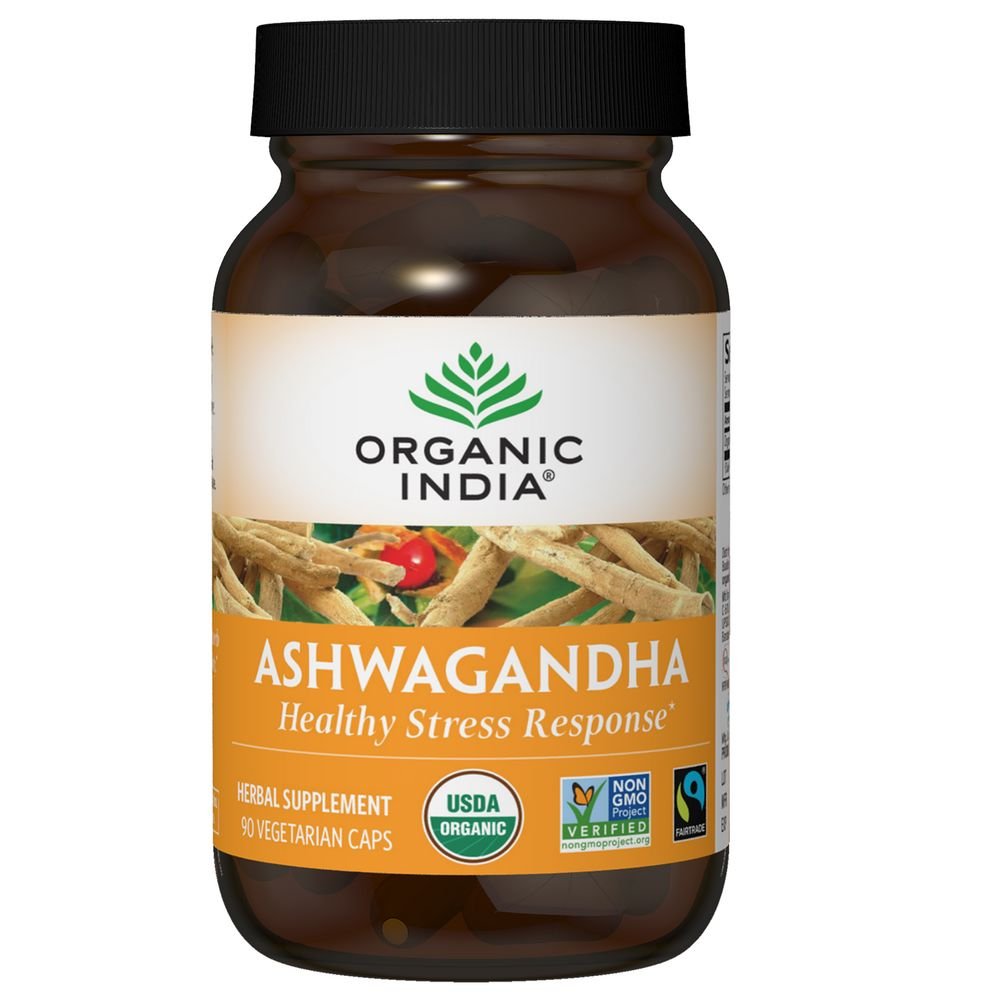
Ashwagandha
Ashwagandha supports stress resilience and daily energy, complementing creatine’s muscle and brain energy support.
