
ongoing support
Candida & Yeast Balance
Gut & Digestive Health
Immune Defense
Probiotics & Prebiotics
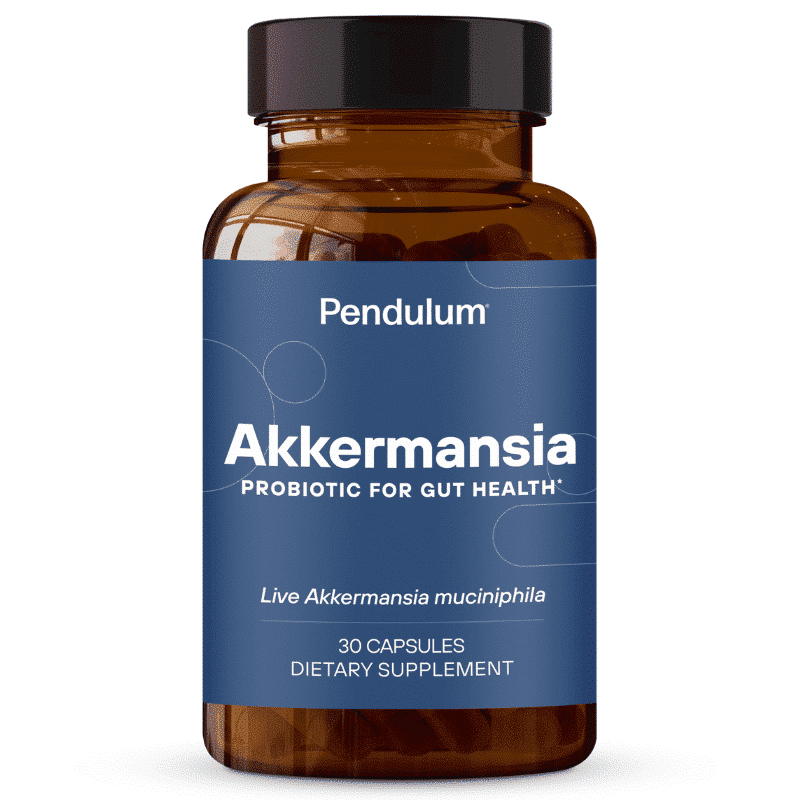
Akkermansia muciniphila probiotic from Pendulum that supports the gut lining and a balanced intestinal microbiome. It includes chicory inulin and stays potent without refrigeration.



10% off all supplements
Use code at checkout
MARTYROSS10


Opens Femologist.com in a new tab
TreatLyme and Dr. Marty Ross, MD, are affiliated with Femologist. We may earn a commission on purchases made through this link or code.
Quick Facts
Key Ingredients
Akkermansia muciniphila WB-STR-0001 100 million AFU
Chicory Inulin 276 mg
Third-party Testing

cGMP
Dietary

Non-GMO

Vegetarian

Written by

Dr. Marty Ross, MD
Updated
November 2, 2026
Dr. Ross's Expert Review
Akkermansia muciniphila is one of the keystone bacteria of a healthy intestinal microbiome. It lives in the mucus layer that lines the gut, and it helps keep that lining healthy. When I look at gut health, this is one of the organisms I want present.
In my practice I use Pendulum Akkermansia for people who need gut lining and microbiome support, especially alongside the diet foundations I discuss in my intestinal microbiome guide. The research interest around this organism is real. There are thousands of published studies, and controlled trials in people have looked at Akkermansia supplementation for gut lining and metabolic support. I am candid that a lot of this work is early, but the direction is consistent.
Here is what I tell people starting it. It does not need refrigeration, which makes it practical. Give it time: microbiome changes are slow, and three months of regular use is a fair trial. Some people notice mild digestive changes in the first few days, usually bloating or looser stools, and these settle as the system adjusts.
It is a probiotic, not a germ killer, and it fits the support side of a regimen rather than the attack side. For anyone working on the foundations of gut health, this is one way to support the lining while the rest of the protocol does its work.
These statements have not been evaluated by the Food and Drug Administration. This product is not intended to diagnose, treat, cure, or prevent any disease. Dr. Ross has a financial relationship with the Femologist store, where this product is sold.
How I Use It in My Practice
I usually have people take 1 capsule daily with food, and I tell them to plan on a longer runway than most supplements: a fair trial is closer to 90 days than to 2 weeks. I keep an eye on the first week for gas, bloating, or loose stools. If they show up, I hold the dose steady and they usually settle on their own. I often pair it with the diet and fiber basics that feed the whole microbiome, and with a broad-spectrum probiotic when the budget allows. Anyone pregnant, nursing, or on medications should check with their physician first.
This reflects Dr. Ross's clinical experience and is educational, not medical advice. Work with your treating physician before starting, stopping, or changing any supplement or medication.
The Research, in Dr. Ross's Words
The Akkermansia muciniphila literature has moved from mice to people, which is the story worth telling. This organism lives in the mucus layer of the intestinal lining, and early animal work associated it with healthy weight and metabolic markers. Laboratory studies suggest benefit in maintaining and promoting a healthy intestinal microbiome. The reviews of its role in gut immunity describe a mutually beneficial relationship with the intestinal barrier.
The human work is early but pointed in the same direction. A dietary intervention study in people with obesity found improved metabolic measures alongside Akkermansia changes, and a small supplementation trial in adults with overweight or obesity and type 2 diabetes reported improvements in metabolic indicators. Reviews also explore its potential role in type 2 diabetes, though that literature leans on association and animal models.
The honest limits: a meta-analysis of the animal studies is the deepest pool of evidence, the human trials are small, and much of the diabetes and obesity discussion is still mechanistic. Supplementation studies in humans are a young field. I read this as a promising organism with a coherent story, gut lining and metabolic health, and a thin human record so far. That is why I treat it as one support tool among the microbiome foundations, not a stand-alone answer.
References
From:
Pendulum
Akkermansia is a foundational strain that fortifies your gut lining, reduces gut permeability, and supports metabolic function.
Directions of Use
Adults take 1 capsule daily with food.
Does not contain
If you are pregnant, nursing, or taking any medications, consult your healthcare provider prior to use. Keep out of reach of children. Store at room temperature. Side effects may include mild digestive changes such as diarrhea or nausea.
Excerpted from Pendulum's product information. These statements have not been evaluated by the Food and Drug Administration.
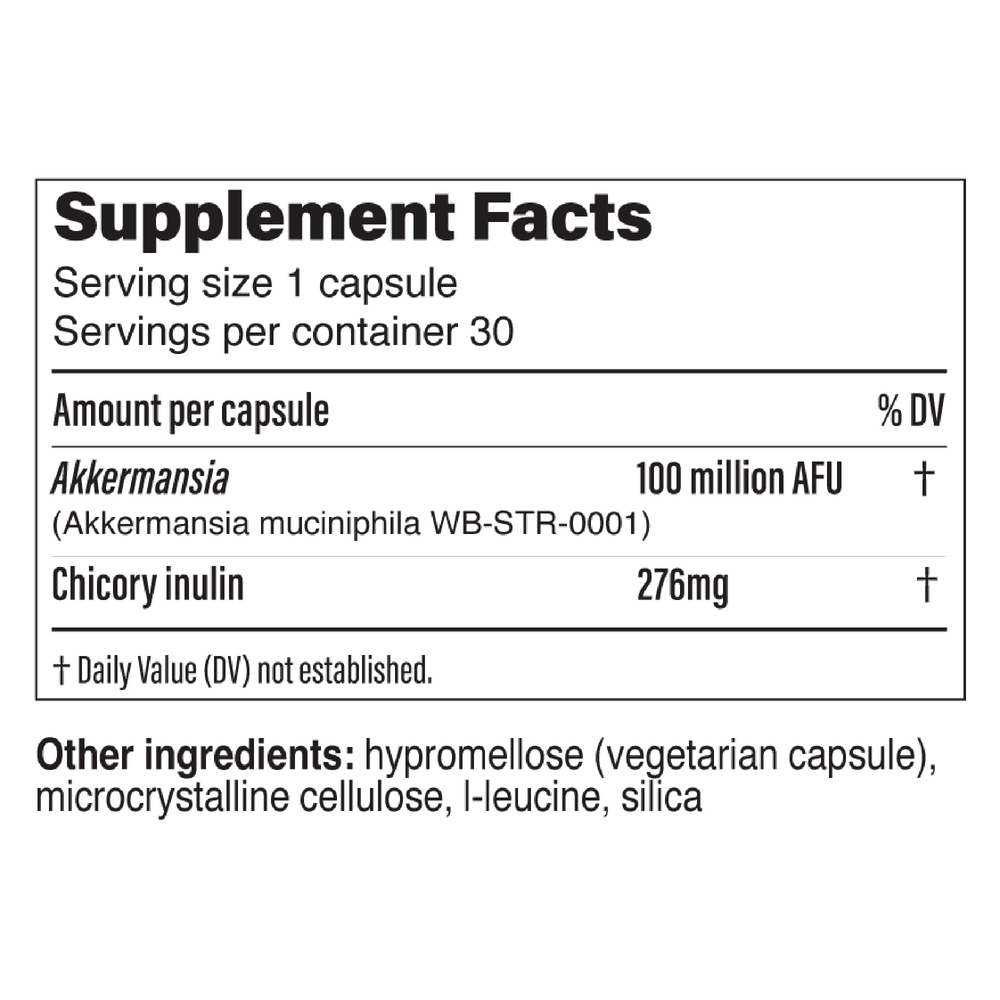
Supplement Facts
Serving Size: 1 capsule
Servings Per Container: 30
| Amount Per Serving | Amount | |
|---|---|---|
Akkermansia muciniphila WB-STR-0001 | 100 million AFU | |
Chicory Inulin | 276 mg | |
Common Questions about Akkermansia
Answers are general educational information, not medical advice for your situation.
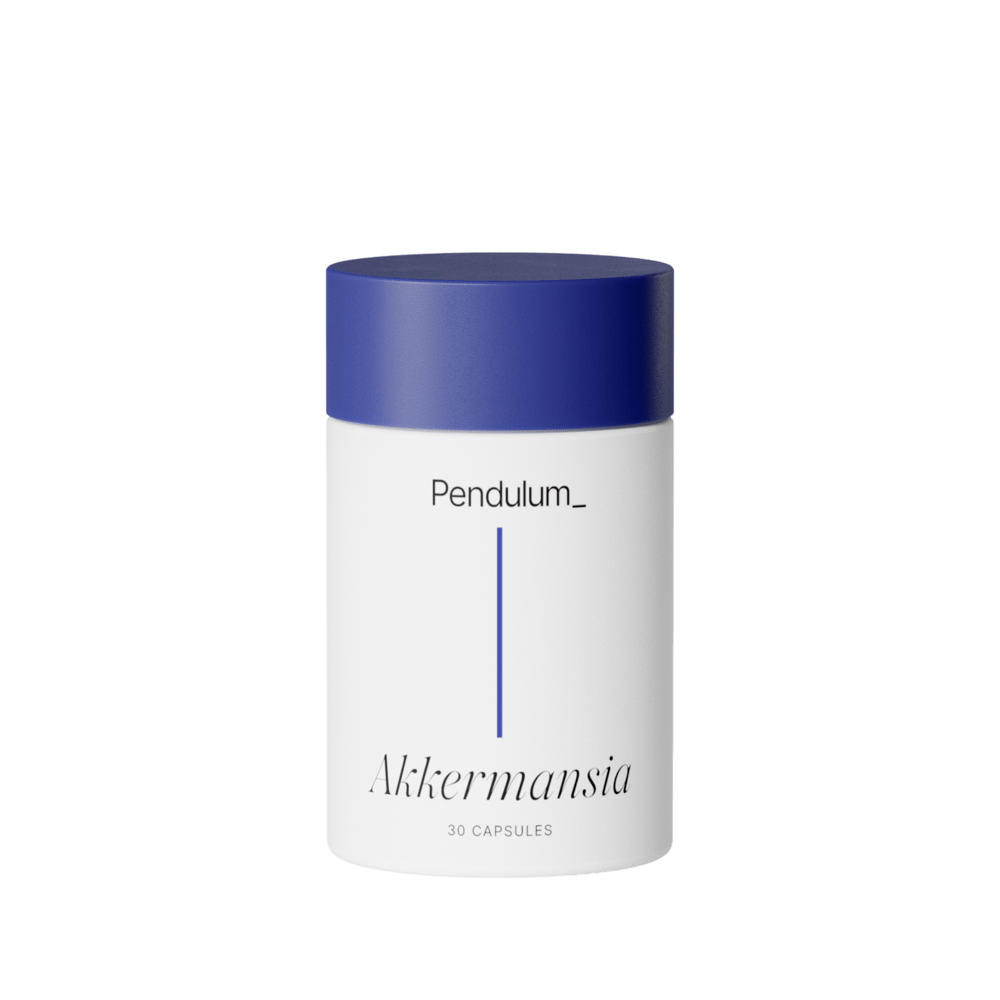
Akkermansia
By Pendulum
From $59.00 · Save 10% with code MARTYROSS10


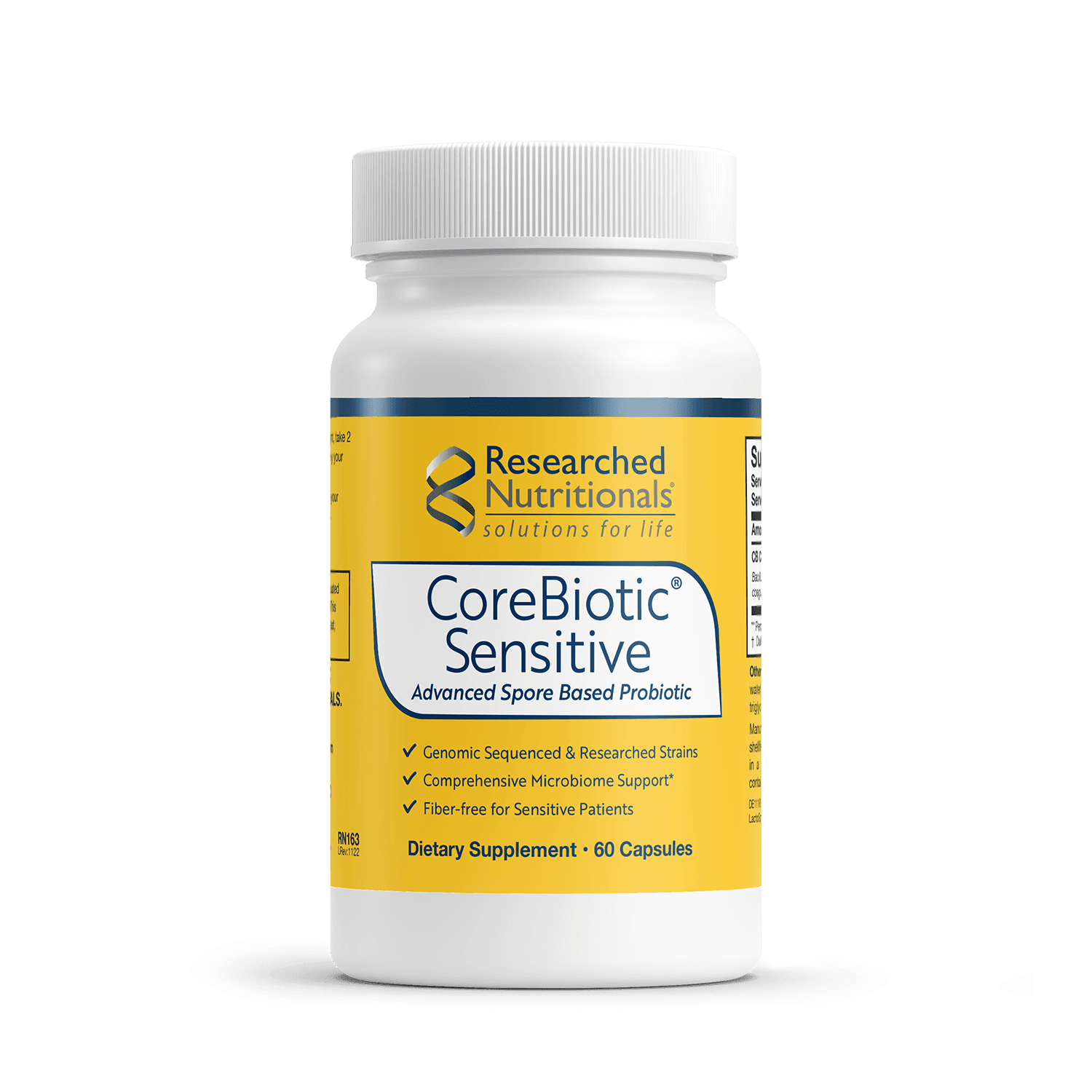
CoreBiotic Sensitive
Probiotic option for sensitive systems in the same probiotics category.