

short course
Infection Support
Teasel root liquid herbal tincture from Montana Farmacy. Handcrafted in small batches at a traditional 1:5 ratio with organic cane alcohol and water to support healthy immune function and joint comfort.



10% off all supplements
Use code at checkout
MARTYROSS10


Opens Femologist.com in a new tab
TreatLyme and Dr. Marty Ross, MD, are affiliated with Femologist. We may earn a commission on purchases made through this link or code.
Quick Facts
Key Ingredients
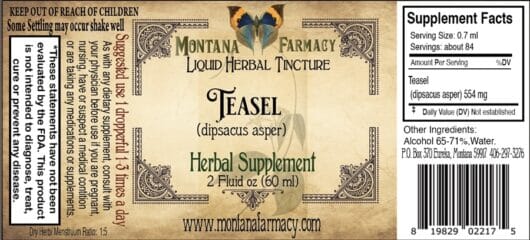
Teasel (Dipsacus asper) 554 mg
Third-party Testing
Dietary

Written by

Dr. Marty Ross, MD
Updated
September 24, 2026
Dr. Ross's Expert Review
Teasel root is one of the core herbs in the Buhner tradition, the herbal lineage I work from for many of the people I see.
Montana Farmacy makes its Teasel tincture the traditional way. The root is extracted at a 1:5 ratio in organic cane alcohol and water, in small handcrafted batches. I like that approach for a root tincture. Alcohol and water extraction pulls a wide range of plant compounds, and small-batch production keeps quality consistent from bottle to bottle.
Laboratory research on Dipsacus species has identified triterpenoid saponins and iridoid glycosides among its active compounds, and early work suggests some of these compounds help maintain a healthy inflammatory response. Much of the research is laboratory or animal work. There are no large human trials for this specific root. Supporting the use of this herb is long traditional use, a growing chemistry picture, and a lot of clinical observation.
If you are building an herbal self-care plan, think of Teasel as a supporting herb, not a standalone answer. I use it most for people who want a traditional root tincture alongside the foundational steps: good sleep, a whole-food diet, stress work, and intestinal support. Herbs work best as part of a system.
Work with your physician on where this fits for you, especially if you are pregnant, nursing, or taking medications.
These statements have not been evaluated by the Food and Drug Administration. This product is not intended to diagnose, treat, cure, or prevent any disease. Dr. Ross has a financial relationship with the Femologist store, where this product is sold.
How I Use It in My Practice
In my practice, I use Teasel as a traditional root tincture within a broader herbal protocol. The manufacturer suggests one dropper, about 30 drops, two to three times a day. When someone is new to teasel, I start lower and increase slowly as tolerated. Liquid tinctures absorb readily, and the amount can be adjusted a few drops at a time, which is one reason I like this form. I keep how long I use it open ended based on how it is working. I do not use it during pregnancy, and I review every herb against a person’s medication list with their physician in the loop.
This reflects Dr. Ross's clinical experience and is educational, not medical advice. Work with your treating physician before starting, stopping, or changing any supplement or medication.
The Research, in Dr. Ross's Words
The science on Dipsacus asper is mostly chemistry and lab work, not clinical trials. A 2020 review covers the traditional uses, processing methods, and pharmacology of the root, including its anti-inflammatory effects, and also notes potential adverse effects at high doses on maternal and fetal health. That review is the broadest paper here.
The joint research is encouraging but thin. A 2012 mouse study found that Dipsacus asperoides root extract reduced inflammatory mediators and cytokines in collagen-induced arthritis. That is animal work, not human work, and I treat it as supportive background rather than proof of anything in people.
The remaining papers describe what is in the root. Studies from 1993, 2007, 2011, and 2025 isolate triterpene glycosides, triterpenoid saponins, and iridoid glycosides from Dipsacus asper roots, and the 2011 work shows various biological activities in vitro. Together they give a reasonable picture of the active compounds. They do not tell us how those compounds behave in a person taking a tincture.
So here is the support for this herb: the traditional use is long, the chemistry is real, and the human evidence is limited.
References
From:
Montana Farmacy
Directions of Use
For the best directions, discuss this product with your physician or healthcare provider. Take 1 dropper 2 to 3 times a day.
Does not contain
Excerpted from Montana Farmacy's product information. These statements have not been evaluated by the Food and Drug Administration.
Supplement Facts
Serving Size: 0.7 mL
Servings Per Container: about 84
| Amount Per Serving | Amount | |
|---|---|---|
Teasel (Dipsacus asper) | 554 mg | |
Common Questions about Teasel
Answers are general educational information, not medical advice for your situation.
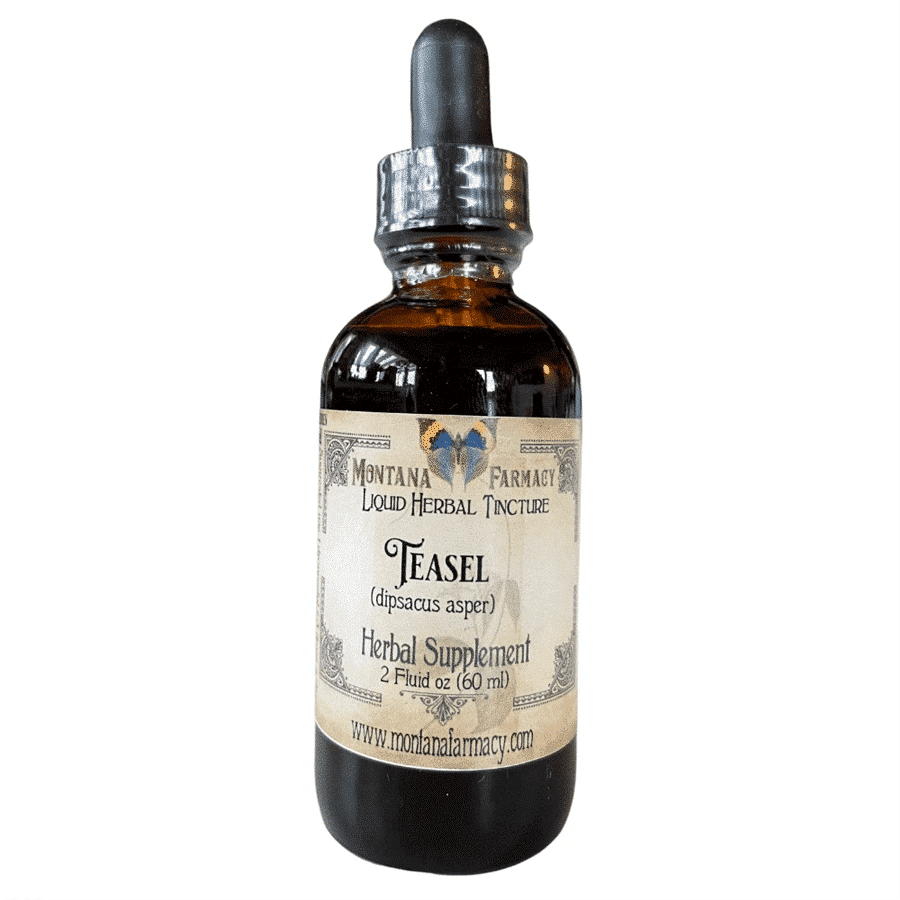
Teasel
By Montana Farmacy
From $25.00 · Save 10% with code MARTYROSS10
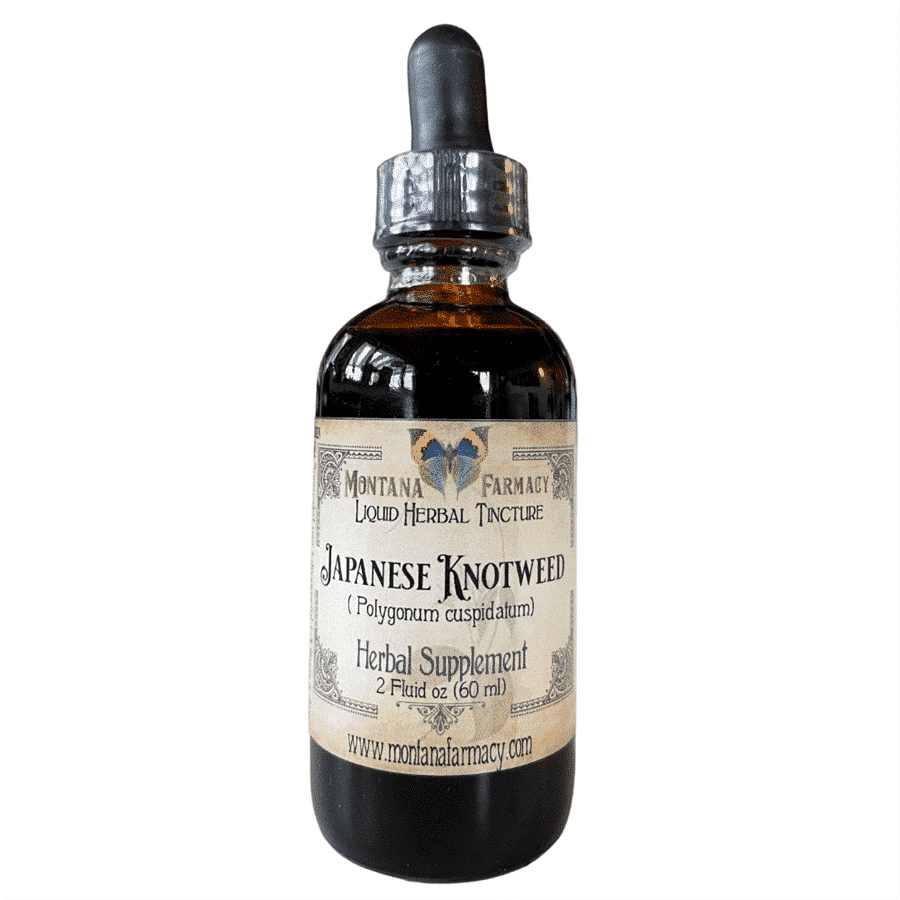
Japanese Knotweed
Traditional herbal companion used in the same immune support protocols