
ongoing support
Infection Support
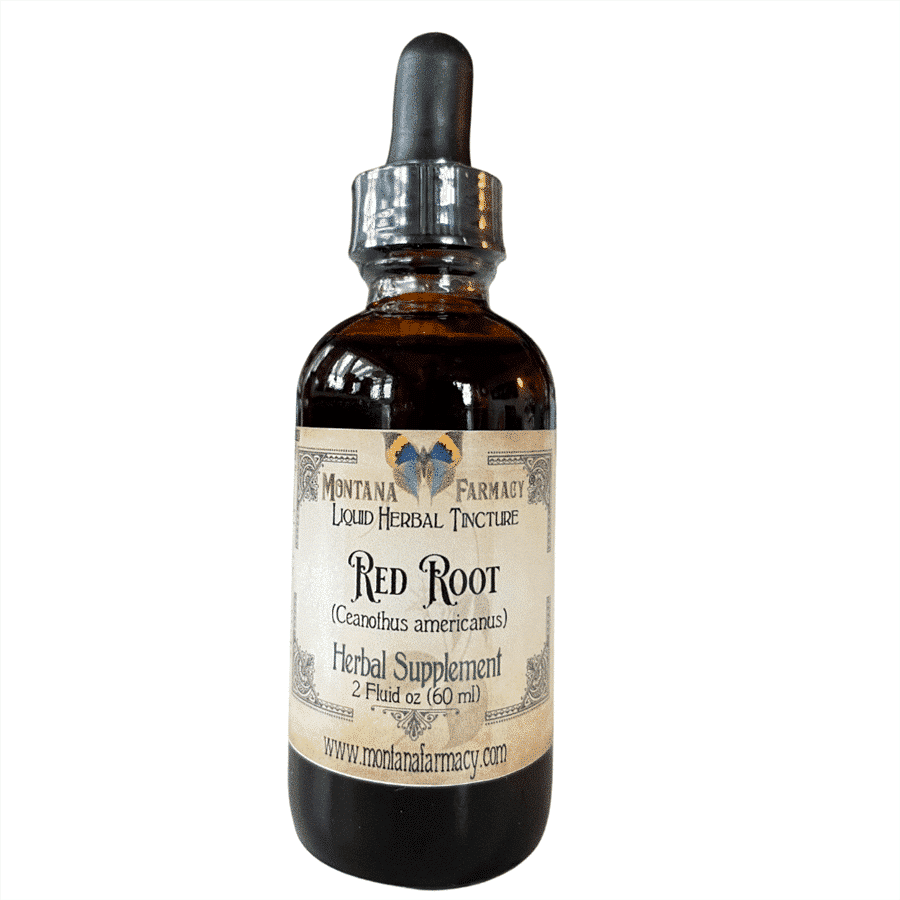
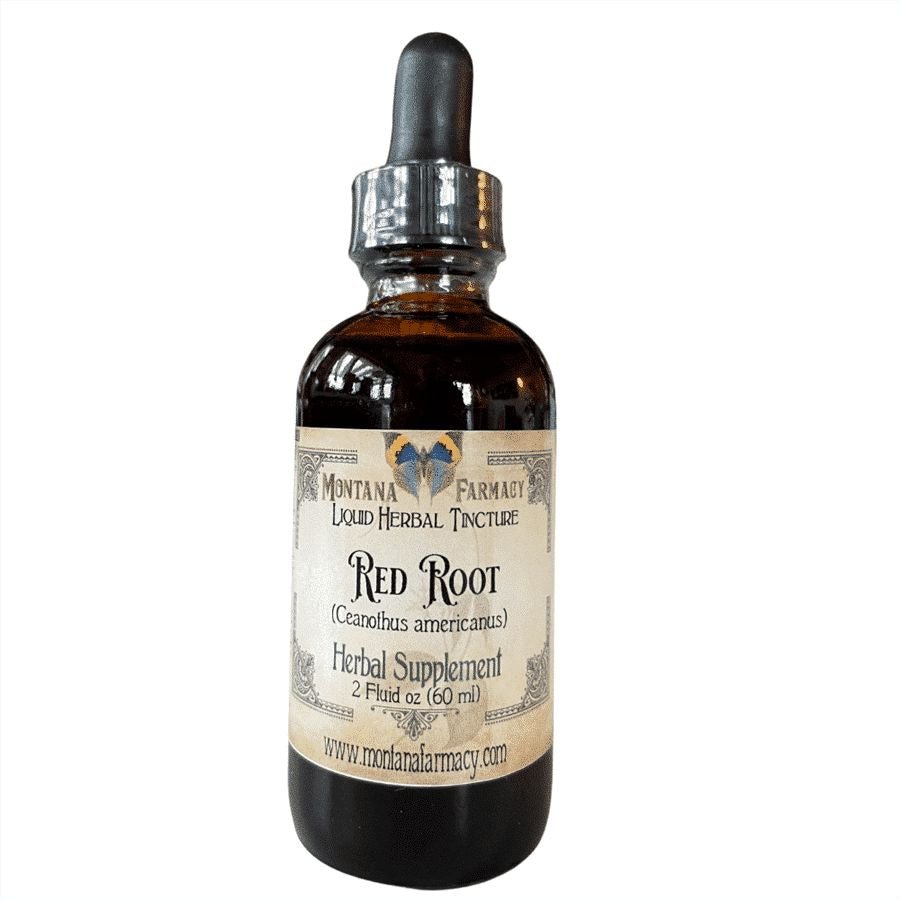
Red root (Ceanothus americanus) liquid herbal tincture from Montana Farmacy. Handcrafted in small batches at a traditional 1:5 ratio to support lymphatic function and healthy immune response.



10% off all supplements
Use code at checkout
MARTYROSS10


Opens Femologist.com in a new tab
TreatLyme and Dr. Marty Ross, MD, are affiliated with Femologist. We may earn a commission on purchases made through this link or code.
Quick Facts
Key Ingredients
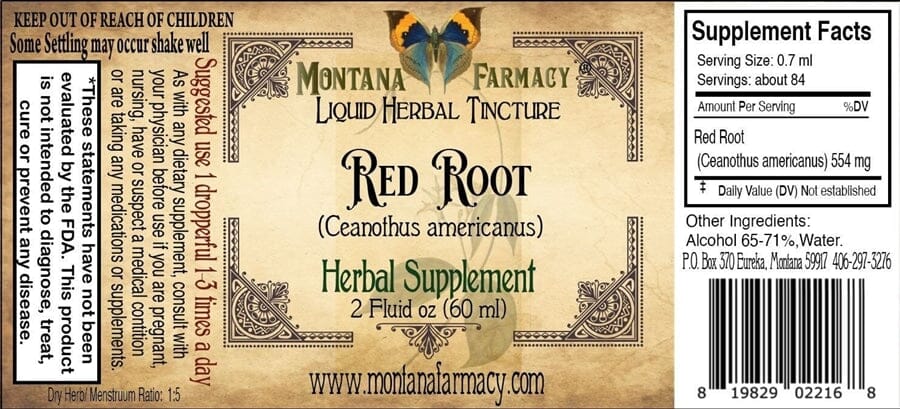
Red Root (Ceanothus americanus) 554 mg
Third-party Testing
Dietary

Written by

Dr. Marty Ross, MD
Updated
September 24, 2026
Dr. Ross's Expert Review
Red root, Ceanothus americanus, is one of the classic lymphatic herbs in American herbalism, and it holds a fixed place in Stephen Buhner’s herbal protocols. In my practice, I think of it as a lymph system herb first and foremost.
The lymph system drains fluid, waste, and immune debris from tissues and moves it through lymph nodes for processing. Traditional herbalism uses red root to support healthy lymph flow, spleen function, and the immune system work that happens in lymph tissue.
Montana Farmacy makes this tincture the traditional way: the root extracted at a 1:5 ratio in organic cane alcohol and water, handcrafted in small batches. Alcohol and water extraction pulls a wide range of plant compounds, including the flavonoids that give this herb its character in the research.
Laboratory work has identified antimicrobial compounds, including flavonoid glycosides, in Ceanothus americanus, and older research documents its blood coagulation compounds. But there are no modern laboratory or human trials for lymphatic support. This is an herb with a history of traditional use for lymphatic support based on clinical observation without substantial research.
One caution matters more than the rest: because of its effects on clotting, this herb should be avoided by people with coagulation problems or on prescription blood thinners, and it should be reviewed by your physician whenever medications are in the picture.
These statements have not been evaluated by the Food and Drug Administration. This product is not intended to diagnose, treat, cure, or prevent any disease. Dr. Ross has a financial relationship with the Femologist store, where this product is sold.
How I Use It in My Practice
In my practice, I use red root as a lymphatic support herb within broader herbal protocols. The manufacturer suggests 1 dropper, about 30 drops, one to three times a day. When someone is new to it, I start at the low end and increase as tolerated. I often pair it with other traditional protocol herbs, and I always screen for clotting problems or blood-thinning medications first, because of this herb’s documented coagulation activity. I use it with caution in pregnancy. For the best directions for your situation, discuss this product with your physician.
This reflects Dr. Ross's clinical experience and is educational, not medical advice. Work with your treating physician before starting, stopping, or changing any supplement or medication.
The Research, in Dr. Ross's Words
The science on Ceanothus americanus is mostly early pharmacology laboratory studies, not clinical trials. A 1997 study isolated antimicrobial flavonoid glycosides from Ceanothus americanus with activity against selected oral pathogens, which supports the herb’s bioactive reputation. A 2008 rat study found Ceanothus americanus tea influenced blood pressure in hypertensive models, an interesting but purely animal signal on the circulatory side.
The oldest papers explain the warnings. A 1961 investigation identified blood coagulating principles in the herb, and a 1962 study compared its alkaloidal constituents. These are the studies behind the caution against combining red root with blood-thinning medication. A 1982 paper documented its flavonoid glycosides, which contribute to its antioxidant chemistry.
Real research supporting traditional use is missing: no human trials of lymphatic support, no controlled studies of immune function, nothing on dosing. The traditional use is long and consistent, but the clinical evidence is thin.
References
From:
Montana Farmacy
Montana Farmacy Red Root Liquid Herbal Tincture, 2oz, is a premium herbal supplement crafted to support overall health and well-being. With our carefully selected red root extract, this tincture offers a potent blend of beneficial properties. Handcrafted in small batches, Montana Farmacy offers quality herbal tinctures – and this Red Root Tincture is no exception. You can count on Montana Farmacy products.
Directions of Use
Take 1dropper 1 - 3 times a day.
Does not contain
Avoid use with coagulation problems or prescription drugs. Use with caution during pregnancy.
Excerpted from Montana Farmacy's product information. These statements have not been evaluated by the Food and Drug Administration.
Supplement Facts
Serving Size: 0.7 mL
Servings Per Container: about 84
| Amount Per Serving | Amount | |
|---|---|---|
Red Root (Ceanothus americanus) | 554 mg | |
Common Questions about Red Root
Answers are general educational information, not medical advice for your situation.
Red Root
By Montana Farmacy
From $25.00 · Save 10% with code MARTYROSS10