


short course
Infection Support
Traditional 1:5 liquid extract of Alchornea cordifolia, handcrafted in small batches by Montana Farmacy. An immune support herb from the Buhner herbal tradition for microbial balance.



10% off all supplements
Use code at checkout
MARTYROSS10


Opens Femologist.com in a new tab
TreatLyme and Dr. Marty Ross, MD, are affiliated with Femologist. We may earn a commission on purchases made through this link or code.
Quick Facts
Key Ingredients
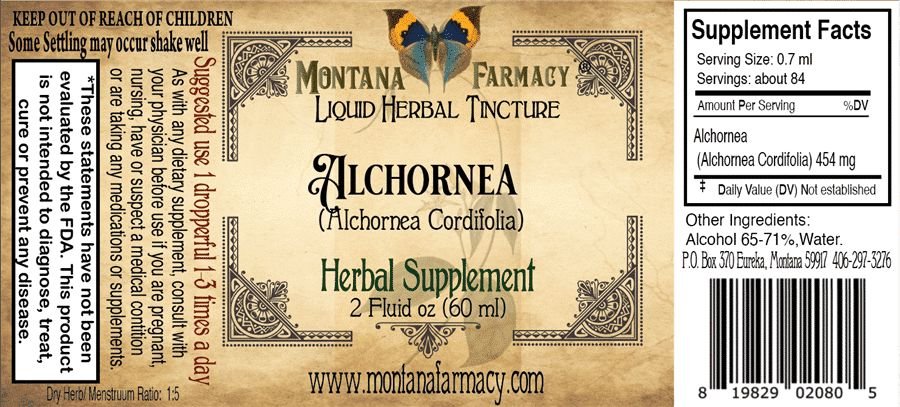
Alchornea (Alchornea cordifolia) 454 mg
Third-party Testing
Dietary

Written by

Dr. Marty Ross, MD
Updated
September 24, 2026
Dr. Ross's Expert Review
Alchornea cordifolia is one of the herbs I reach for when someone needs immune support during increased microbial challenges. It comes out of the Buhner herbal tradition, where it has a long track record among physicians and patients, and it is usually one herb among several in a management regimen.
Montana Farmacy makes this tincture the traditional way: a 1:5 extraction in organic cane alcohol, handcrafted in small batches. I like that simplicity. A single herb, a clean base of alcohol and water, no additives. When I combine herbs, knowing exactly what is in the bottle matters.
The science on Alchornea is early but pointing in a consistent direction. Laboratory studies show activity against a range of microbes, and the Buhner community’s experience with it spans years. Most of the human evidence is based on tradition and observation rather than large trials. That is the nature of much of herbal medicine, and it is a reason I watch how someone responds rather than assume.
How do I use it? As part of a broader herbal regimen, often paired with other herbs that cover different microbial territory. It is a liquid, so dosing is flexible, which helps when I want someone to start low and move up slowly.
It is not for pregnancy, and large doses can affect the central nervous system, so anyone on sedating medicines needs a physician’s input first. Within those bounds, it is one of the workhorse herbs of this tradition.
These statements have not been evaluated by the Food and Drug Administration. This product is not intended to diagnose, treat, cure, or prevent any disease. Dr. Ross has a financial relationship with the Femologist store, where this product is sold.
How I Use It in My Practice
I usually start low, 10 to 15 drops once or twice a day, and move up over a week or two toward the label dose of 30 drops two to three times a day. With liquid tinctures I have people put the drops in a little water. I often pair Alchornea with other immune support herbs that cover different territory, the way the Buhner tradition intends. If someone feels worse after starting, I slow the ramp-up; that is information, not failure. Anyone pregnant or on sedatives should not use it without their physician’s involvement.
This reflects Dr. Ross's clinical experience and is educational, not medical advice. Work with your treating physician before starting, stopping, or changing any supplement or medication.
The Research, in Dr. Ross's Words
The science on Alchornea cordifolia is mostly bench work, and I want to be upfront about that. The strongest signal comes from laboratory studies showing that Alchornea, alongside other botanicals like Cryptolepis and Artemisia, inhibits Babesia duncani in vitro. The same finding appears in more than one published paper from that group, which means the labs agree with themselves but the work has not yet been carried into controlled human trials.
The antimicrobial picture is broader than one parasite. Laboratory research on Artemisia and related botanicals describes antimicrobial and antiviral activity, and a study of Alchornea leaf extract found antibacterial activity together with a toxicology review supporting its traditional safety profile. A review of nutraceuticals in tick-borne illness places Alchornea among the botanicals with this kind of laboratory track record.
In my read, that is the pattern you see across traditional botanicals: consistent laboratory activity, a long history of traditional use, and a thin clinical trial record. I use Alchornea in the same territory where I use the other immune support botanicals, and I tell people the honest version, that the laboratory evidence supports the traditional use without yet proving it in people. The toxicology work is the part I find reassuring, since safety data matters as much as activity data for something people will take for stretches.
References
From:
Montana Farmacy
Montana Farmacy produces its Alchornea tincture in a traditional 1:5 ratio using organic cane alcohol. Handcrafted in small batches, Mountain Farmacy offers quality herbal tinctures - and this Alchornea tincture is no exception.
Directions of Use
Take 30 drops 2 to 3 times a day.
Does not contain
Large doses may depress the central nervous system; avoid taking large doses with sedatives. Avoid during pregnancy.
Excerpted from Montana Farmacy's product information. These statements have not been evaluated by the Food and Drug Administration.
Supplement Facts
Serving Size: 0.7 mL
Servings Per Container: about 84
| Amount Per Serving | Amount | |
|---|---|---|
Alchornea (Alchornea cordifolia) | 454 mg | |
Common Questions about Alchornea
Answers are general educational information, not medical advice for your situation.
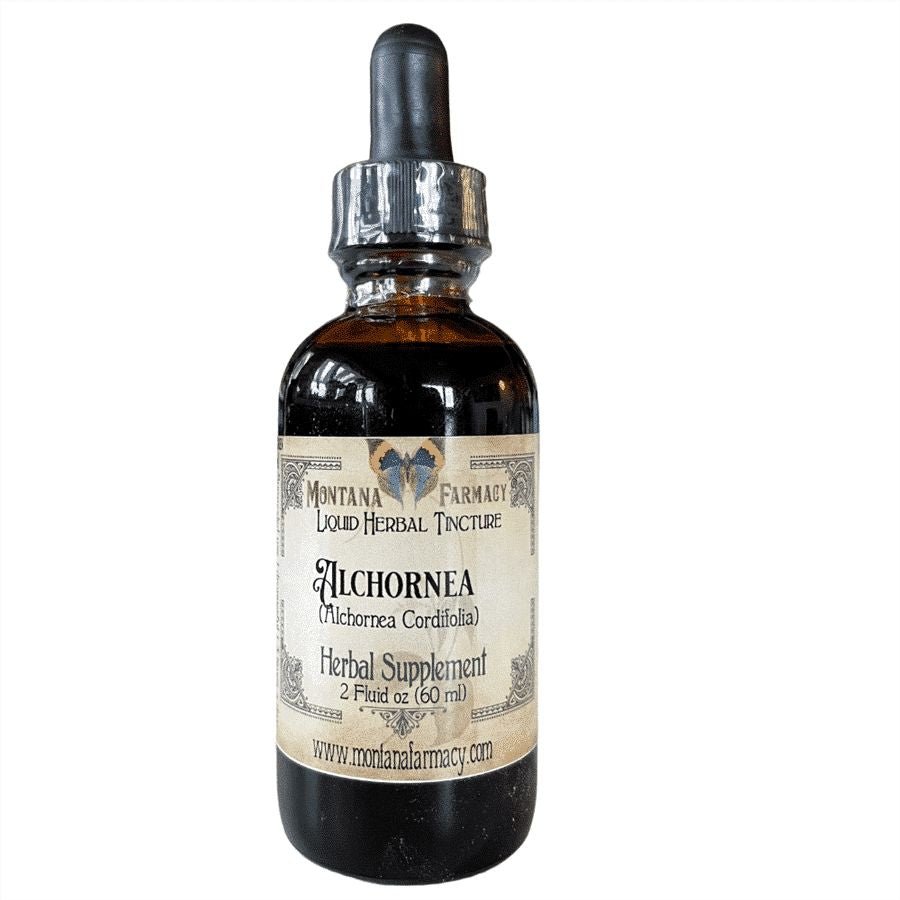
Alchornea
By Montana Farmacy
From $25.00 · Save 10% with code MARTYROSS10
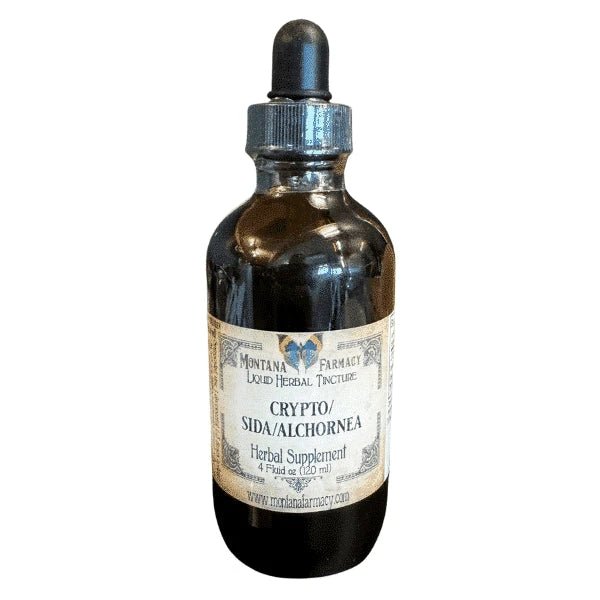
Crypto-Sida-Alchornea
Combination tincture that includes Alchornea with cryptolepis and sida acuta in one bottle.


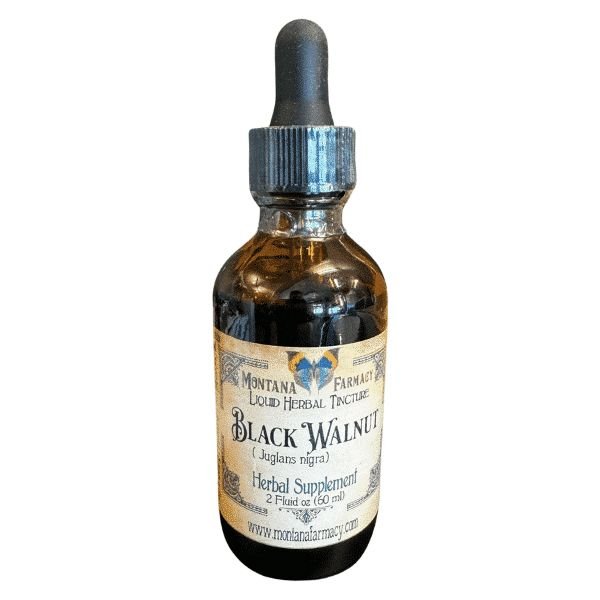
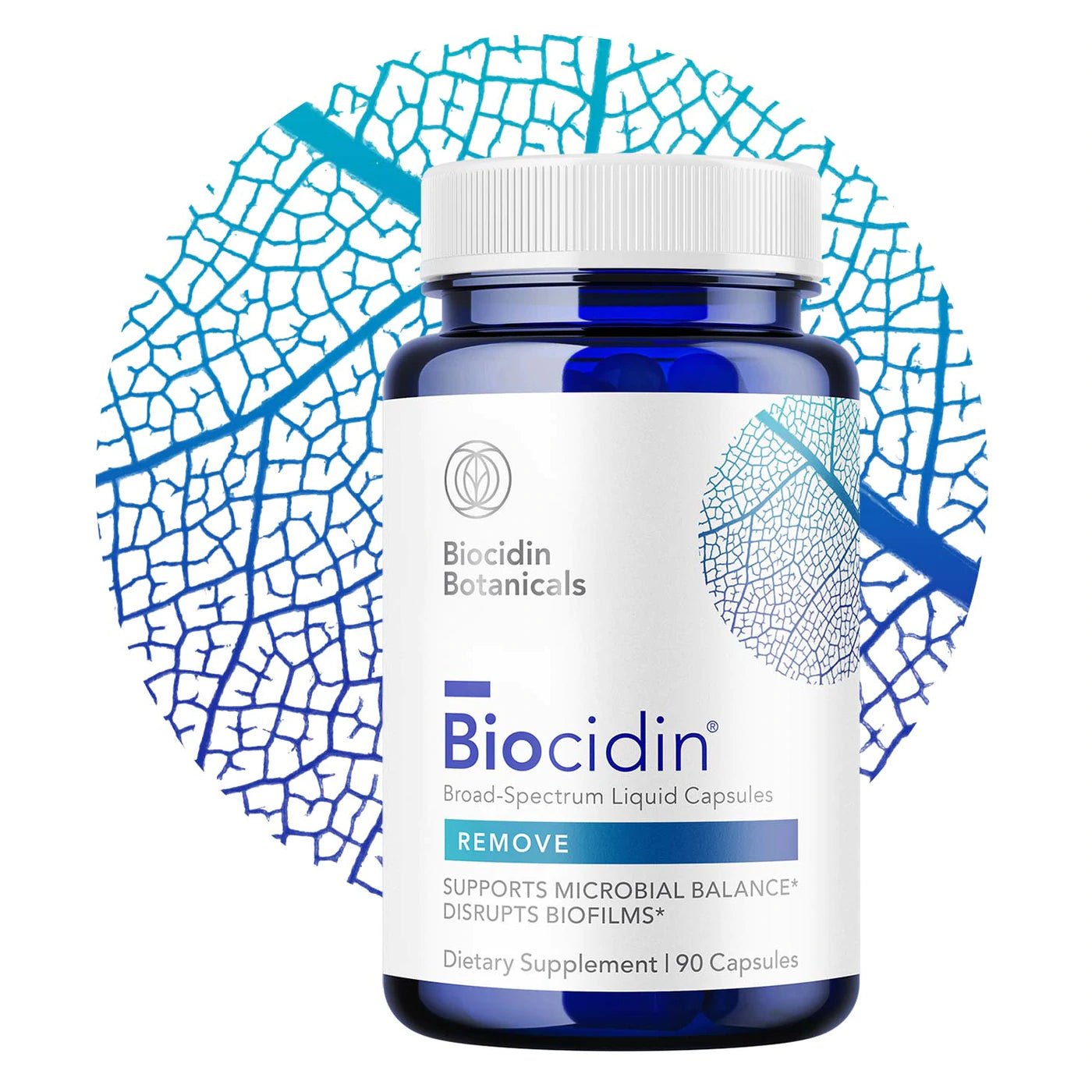
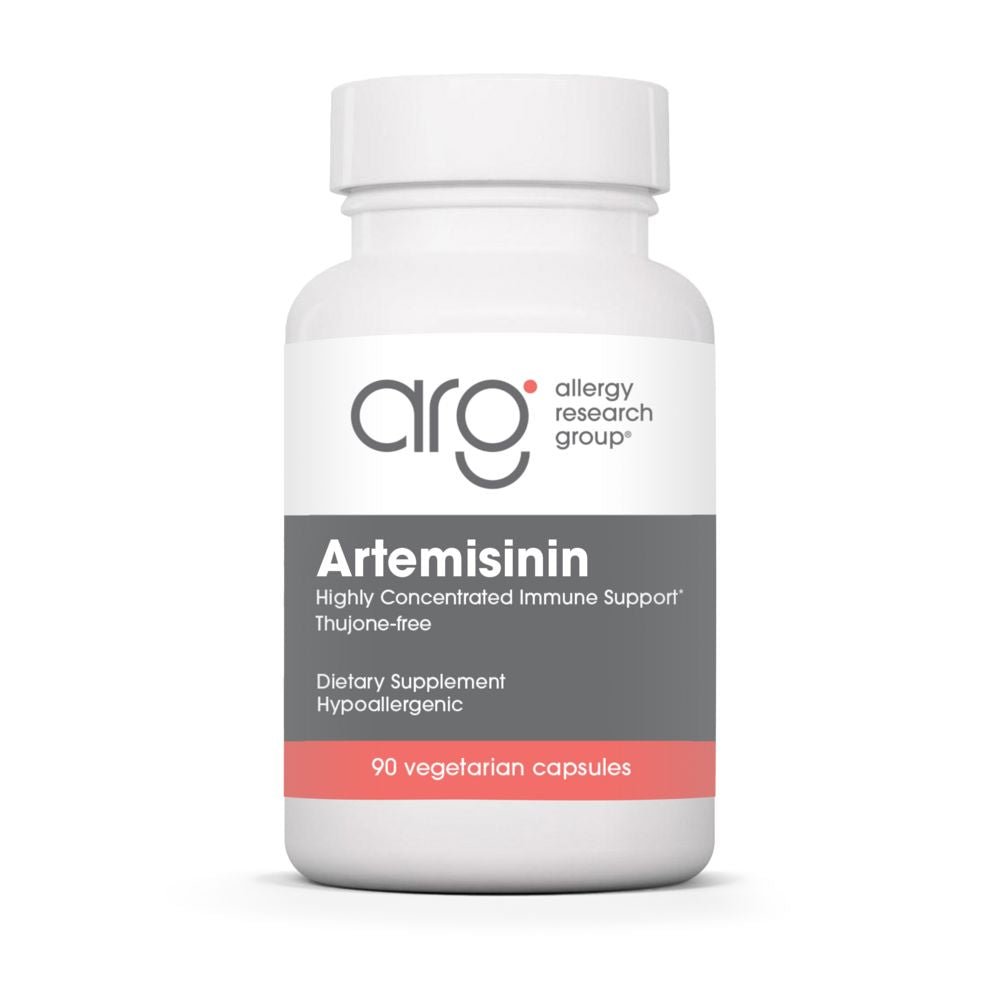
Artemesinin, 90 Caps
Broad-spectrum botanical formula some pair with single-herb tinctures.
Guide
Best Herbal Antibiotic Plans for Lyme, Bartonella, and Babesia
Herbal antibiotic plans where Alchornea and the Buhner herbs are laid out by germ and step.

Guide
Kills Babesia: A Brief Guide
Brief guide covering the herbal approaches used alongside Alchornea in babesia support regimens.