

short course
Infection Support
Persister Cell Support
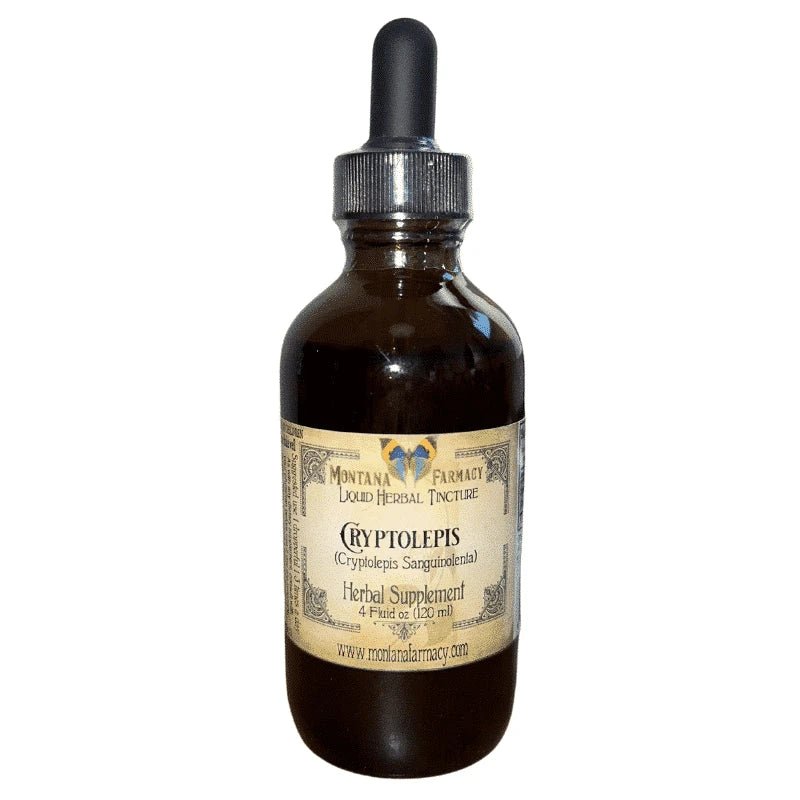
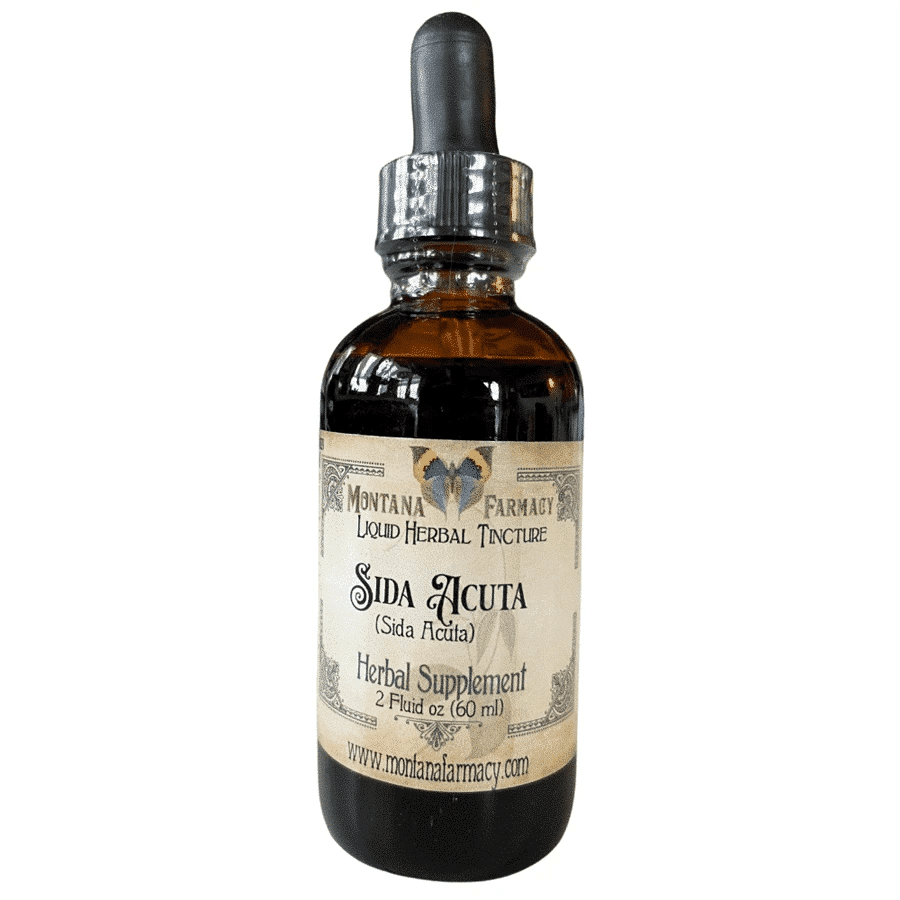
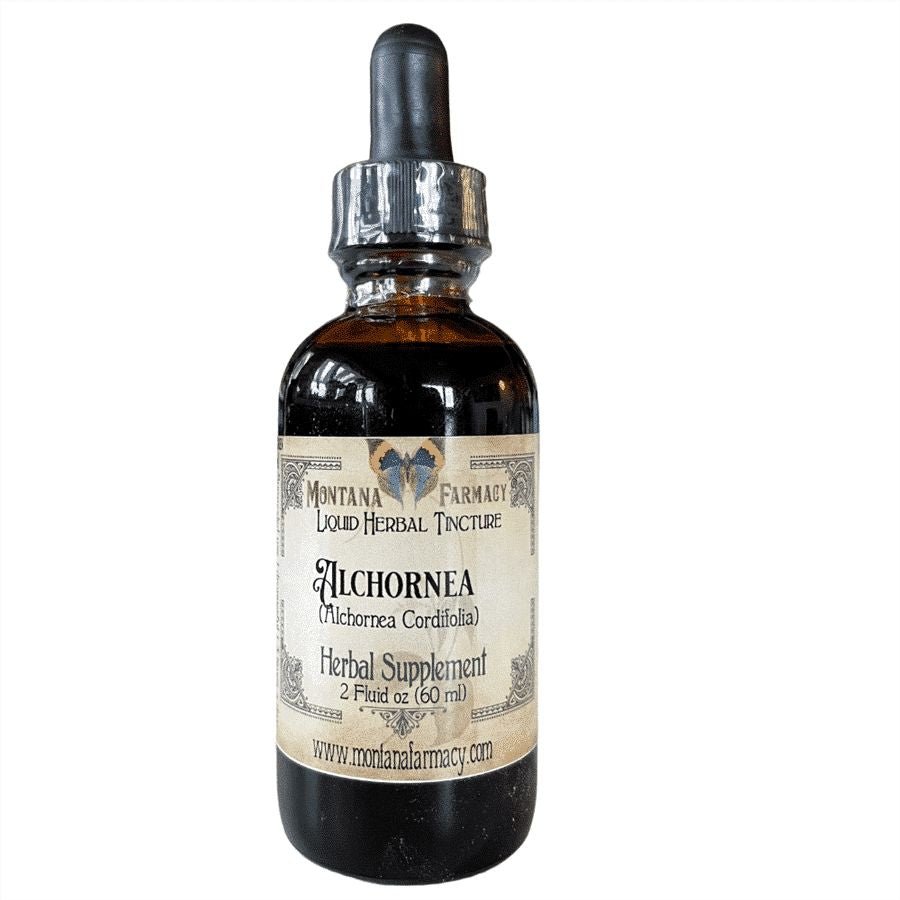
A 1:5 herbal tincture combining Cryptolepis sanguinolenta, Sida acuta, and Alchornea cordifolia, crafted in small batches to support immune balance and the body's natural microbial defenses.



10% off all supplements
Use code at checkout
MARTYROSS10


Opens Femologist.com in a new tab
TreatLyme and Dr. Marty Ross, MD, are affiliated with Femologist. We may earn a commission on purchases made through this link or code.
Quick Facts
Key Ingredients
Cryptolepis, Sida Acuta, Alchornea (blend) 140 mg
Third-party Testing
Dietary

Written by

Dr. Marty Ross, MD
Updated
September 24, 2026
Dr. Ross's Expert Review
The CSA blend is one of the staple tinctures in my practice for people using herbal plans. Montana Farmacy combines Cryptolepis sanguinolenta, Sida acuta, and Alchornea cordifolia in a traditional 1:5 ratio. That trio comes straight out of the Buhner herbal tradition, and I have used these herbs together for years.
Each herb brings something different. Cryptolepis is the best researched of the three, with a long history of traditional use in West Africa. Sida acuta is a Buhner staple for immune support, and Alchornea cordifolia rounds out the blend. The 1:5 ratio matters to me. It is the traditional strength Buhner recommended, and Montana Farmacy makes these tinctures in small batches, which I trust more than mass production.
How do I use it? I start low, one ml three times a day, and work up to the suggested five ml three times a day over a week or two. Starting low limits the flare reactions I see when someone jumps straight to a full dose. Some people mix the dose into a little water for the taste.
I use it as ongoing daily support for months at a stretch, reviewed at regular visits. The traditional use of these herbs is steady and sustained, not a short course product.
Safety. The label says avoid during pregnancy. The alcohol base is a consideration for some people. Anyone on prescription medicines reviews it with their physician first. Herbal does not mean risk free, and these are plants with real biological activity.
These statements have not been evaluated by the Food and Drug Administration. This product is not intended to diagnose, treat, cure, or prevent any disease. Dr. Ross has a financial relationship with the Femologist store, where this product is sold.
How I Use It in My Practice
In my practice the CSA blend is ongoing support. I start at one ml three times a day and raise to the suggested five ml three times a day over one to two weeks. I have people hold the full amount for months at a stretch, reviewed at regular visits, and I watch for flare reactions when raising the dose. I do not use it in pregnancy, per the label warning. Anyone taking prescriptions reviews it with their physician first, since these herbs have real biological activity.
This reflects Dr. Ross's clinical experience and is educational, not medical advice. Work with your treating physician before starting, stopping, or changing any supplement or medication.
The Research, in Dr. Ross's Words
Here is where the research stands: a mix of strong tradition and thin modern trials. Cryptolepis sanguinolenta has the deepest record: a 2011 human trial of a tea formulation found it effective and non toxic in acute uncomplicated malaria, its traditional West African use, and a 1998 paper isolated cryptolepine and documented its bioactivity. That is real science, but it is malaria science, and it does not translate into a claim for this tincture.
The lab work is encouraging but early. A 2021 study in Frontiers found Cryptolepis, Alchornea, and three other botanicals inhibited Babesia duncani in vitro, and a 2017 study found Alchornea leaf extract had bacteriostatic activity with low toxicity in animals. A 2023 review of natural bioactive nutraceuticals in tick borne illness management pulls these botanicals together as a category.
Master herbalist Stephen Buhner recommends CSA tinctures for chronic illness support.
So the use of CSA blend is based on traditional use, plausible mechanisms, and laboratory activity. What is missing is human trials of this blend itself.
References
From:
Montana Farmacy
This Cryptolepis, Sida Acuta, and Alchornea Tincture is in the traditional 1:5 ratio recommended by master herbalist Stephen Buhner (Buhner Herbs). Handcrafted in small batches, Montana Farmacy offers quality herbal tinctures – and this CSA tincture is no exception.
Directions of Use
Take 5 ml 3 times a day.
Does not contain
Avoid during pregnancy.
Excerpted from Montana Farmacy's product information. These statements have not been evaluated by the Food and Drug Administration.
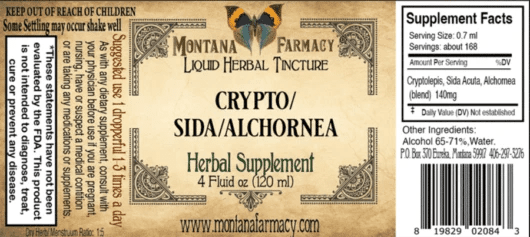
Supplement Facts
Serving Size: 0.7 mL
Servings Per Container: about 168
| Amount Per Serving | Amount | |
|---|---|---|
Cryptolepis, Sida Acuta, Alchornea (blend) | 140 mg | |
Common Questions about Crypto-Sida-Alchornea
Answers are general educational information, not medical advice for your situation.
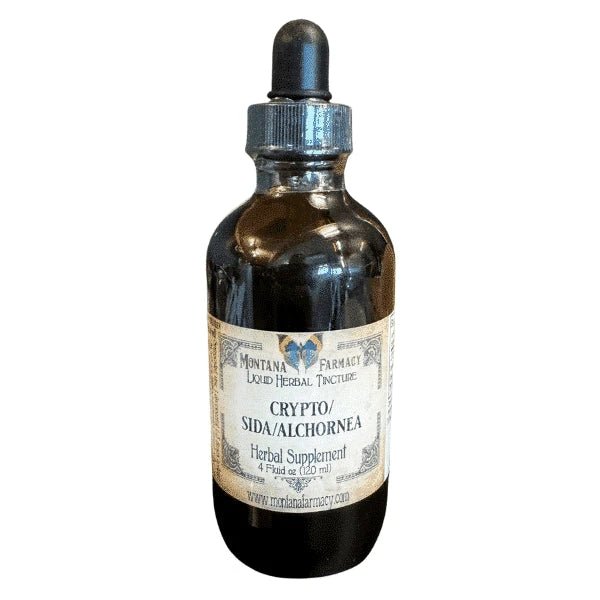
Crypto-Sida-Alchornea
By Montana Farmacy
From $50.00 · Save 10% with code MARTYROSS10