


short course
Infection Support
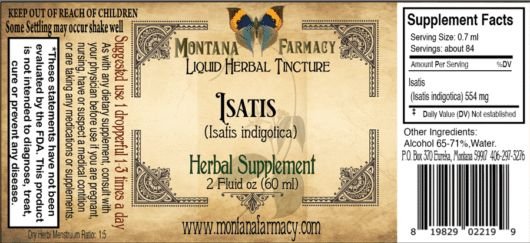
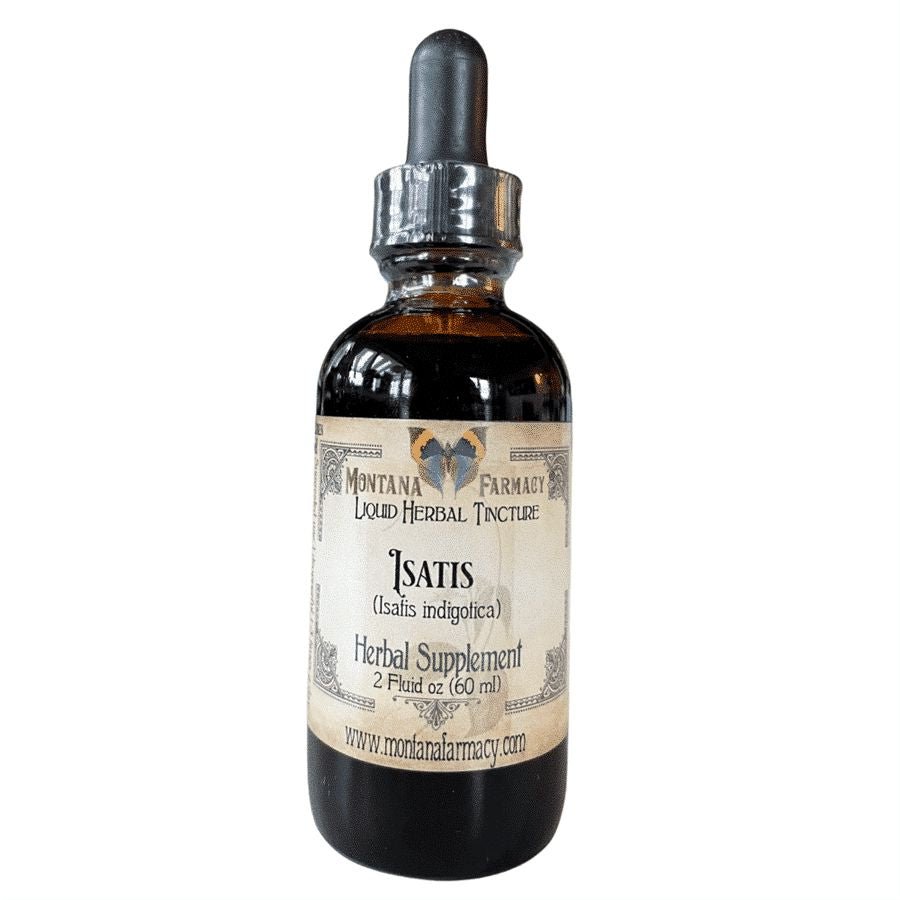
A traditional 1:5 Isatis indigotica root and leaf tincture from Montana Farmacy used in tick borne illness and chronic virus herbal regimens.



10% off all supplements
Use code at checkout
MARTYROSS10


Opens Femologist.com in a new tab
TreatLyme and Dr. Marty Ross, MD, are affiliated with Femologist. We may earn a commission on purchases made through this link or code.
Quick Facts
Key Ingredients
Isatis (Isatis indigotica) 554 mg
Third-party Testing
Dietary

Written by

Dr. Marty Ross, MD
Updated
September 27, 2026
Dr. Ross's Expert Review
Isatis is one of the workhorse herbs of traditional Chinese medicine, and it earns its place in modern herbal immune-support regimens. The Montana Farmacy version is a straightforward traditional preparation: Isatis indigotica root and leaf, extracted at a 1:5 ratio in organic cane alcohol, handcrafted in small batches.
I use Isatis inside immune-supporting herbal plans, most often following the Buhner-style approach where it sits alongside other immune-supporting herbs. Where some herbs in those plans lean toward one germ or one system, Isatis covers broad ground, with lab research behind antiviral mechanisms of its compounds, and a long traditional record of use in fever and inflammatory conditions.
Dosing is simple: one dropper, one to three times a day. People new to herbal regimens sometimes start lower and build up, which is reasonable with any herb in these plans, since some people report temporary symptom changes when starting herbal plans.
A few practical points. The label says avoid it during pregnancy which I agree with. And Isatis is part of a whole management plan, rather than a single herbal support. Discuss adding the herb with your physician.
The honest evidence picture: the antiviral and anti-inflammatory findings for Isatis indigotica are based on laboratory work plus a collective history of traditional use. There are no human trials of this tincture. I use it because the mechanism of action based on lab research, the traditional use, and clinical experience all point positively in the same direction.
These statements have not been evaluated by the Food and Drug Administration. This product is not intended to diagnose, treat, cure, or prevent any disease. Dr. Ross has a financial relationship with the Femologist store, where this product is sold.
How I Use It in My Practice
I use Isatis as one of the herbs in short-course immune-supporting herbal plans, most often in Buhner-style plans. The dose I work with is one dropper one to three times a day, and I have sensitive patients start at the low end and build up the dose. Work with your physician to decide how long to stay on it as part of a full support plan.
This reflects Dr. Ross's clinical experience and is educational, not medical advice. Work with your treating physician before starting, stopping, or changing any supplement or medication.
The Research, in Dr. Ross's Words
The research on Isatis indigotica is preclinical laboratory work. Clemastanin B, a lignan from the root, showed broad anti-influenza activity in vitro against human and avian influenza A and B viruses. The extract and its indirubin constituent inhibited Japanese encephalitis virus in cell studies. Root compounds inhibited the SARS coronavirus 3C-like protease in vitro, and animal studies of the root support its traditional antinociceptive, anti-inflammatory, and fever-response use.
The evidence does not include human trials of Isatis in any tick borne illness, in chronic viral illness, or of this 1:5 tincture at all. The lab findings establish mechanisms of action, and the traditional use record is deep. I recommend this herbal medicine based on the traditional use track-record and my clinical observations.
References
From:
Montana Farmacy
Montana Farmacy produces its Isatis tincture in a traditional 1:5 ratio using certified organic cane alcohol. Isatis is a traditional herb found in a number of tick borne illness protocols and chronic virus protocols. Handcrafted in small batches, Montana Farmacy offers quality herbal tinctures – and this Isatis tincture is no exception.
Directions of Use
Take 1 droppers 1-3 times a day. For the best directions, discuss this product with your physician or healthcare provider.
Does not contain
Avoid during pregnancy.
Excerpted from Montana Farmacy's product information. These statements have not been evaluated by the Food and Drug Administration.
Supplement Facts
Serving Size: 0.7 mL
Servings Per Container: about 84
| Amount Per Serving | Amount | |
|---|---|---|
Isatis (Isatis indigotica) | 554 mg | |
Common Questions about Isatis
Answers are general educational information, not medical advice for your situation.
Isatis
By Montana Farmacy
From $25.00 · Save 10% with code MARTYROSS10


Cordyceps
Another Montana Farmacy tincture from the same small-batch maker, used for immune support.
