

short course
Infection Support
High-purity grapefruit seed extract from Allergy Research Group, 250 mg per vegetarian capsule, tested to be free of synthetic antimicrobial contaminants. Supports gut microbial balance and immune health.



10% off all supplements
Use code at checkout
MARTYROSS10


Opens Femologist.com in a new tab
TreatLyme and Dr. Marty Ross, MD, are affiliated with Femologist. We may earn a commission on purchases made through this link or code.
Quick Facts
Key Ingredients
Grapefruit Seed Extract 250 mg
Third-party Testing
Dietary

Vegetarian

Written by

Dr. Marty Ross, MD
Updated
November 2, 2026
Dr. Ross's Expert Review
Grapefruit seed extract is an herbal product I discuss when readers ask me about cyst forms of Borrelia. Laboratory research has looked at its effects on those forms, and one limited laboratory study demonstrated anti-cyst activity in vitro. There are no human studies, and I keep that in mind as I watch closely to see if there will be benefits.
Grapefruit seed extract is a staple in my toolkit for gut microbial balance, but the category has a problem I talk about openly. Some commercial products owe part of their antimicrobial punch to synthetic additives like triclosan and benzethonium chloride rather than the extract itself. ParaMicrocidin is the version I trust on this point. Allergy Research Group tests it to confirm it is free of those contaminants, and the label says so plainly.
The lab science for gut microbiome balance is real but narrow. Test-tube studies show grapefruit seed extract acting against a range of bacteria, including drug-resistant strains, in laboratory settings only; this has not been shown in humans. It also shows activity against common yeast species in the lab. One small human study of branded ParaMicrocidin, just fifteen people at 150 mg three times daily for four weeks, reported good tolerability and gastrointestinal support. I am candid about the limits.
The dosing I work with is one or two capsules two or three times daily with meals, staying under 1500 mg a day. Stomach irritation is the main thing to watch, and the remedy is to drop the dose rather than push through. In my practice it fits alongside other herbal supports in microbial-balance protocols, and it earns its place for anyone working on intestinal yeast balance where purity matters.
Anyone pregnant, lactating, or on medication should clear it with their practitioner first.
These statements have not been evaluated by the Food and Drug Administration. This product is not intended to diagnose, treat, cure, or prevent any disease. Dr. Ross has a financial relationship with the Femologist store, where this product is sold.
How I Use It in My Practice
I use ParaMicrocidin most for people working on intestinal yeast and microbial balance, as part of a short course, usually up to three months before we reassess. I start with one capsule with a meal and build toward the label dose, one or two capsules two or three times daily, watching for stomach irritation, which tells me to back off rather than persist. Purity is why I reach for this brand over generic grapefruit seed extract, since it is tested free of triclosan and benzethonium chloride. I keep it out of pregnancy and clear it with the prescribing physician for anyone on medication.
This reflects Dr. Ross's clinical experience and is educational, not medical advice. Work with your treating physician before starting, stopping, or changing any supplement or medication.
The Research, in Dr. Ross's Words
The research base for grapefruit seed extract is almost entirely in vitro with no valuable human studies. One limited laboratory study demonstrated antimicrobial activity against cyst forms of Borrelia. Laboratory work shows activity against drug-resistant bacterial strains at low concentrations. Separate test-tube work reports activity against common yeast species, including C. albicans, and two formulation studies pair the extract with nanoparticle carriers or cinnamon oil for oral bacteria and fungi, one of which included a clinical component in oral health.
What the papers do not give me is direct human evidence for the way my patients use this product. No trial tests grapefruit seed extract against the specific microbes my patients ask me about. The literature also carries a fair warning that antimicrobial effects in some commercial products trace to synthetic additives rather than the extract. In my read, the honest summary is promising lab activity, thin human data, and a strong reason to choose a tested product. That is exactly why I use this product that is verified to be free of contaminants.
References
From:
Allergy Research Group
ParaMicrocidin delivers high-quality grapefruit seed extract (GSE), standardized to support microbial balance and immune system function.* It is designed to promote gastrointestinal resilience and maintain healthy microbial ecology through the unique bioactive compounds naturally found in grapefruit.*
Directions of Use
As a dietary supplement, take 1 capsule three times daily with meals, or as directed by a healthcare practitioner.
Does not contain
benzalkonium-chloride
benzethonium-chloride
triclosan
If you are pregnant or lactating, have any health condition or are taking any medication, consult your healthcare practitioner before use. Store in a cool, dry place, tightly capped, away from light. Keep out of the reach of children. Use only if safety seal is intact. Variations in product color may occur.
Excerpted from Allergy Research Group's product information. These statements have not been evaluated by the Food and Drug Administration.
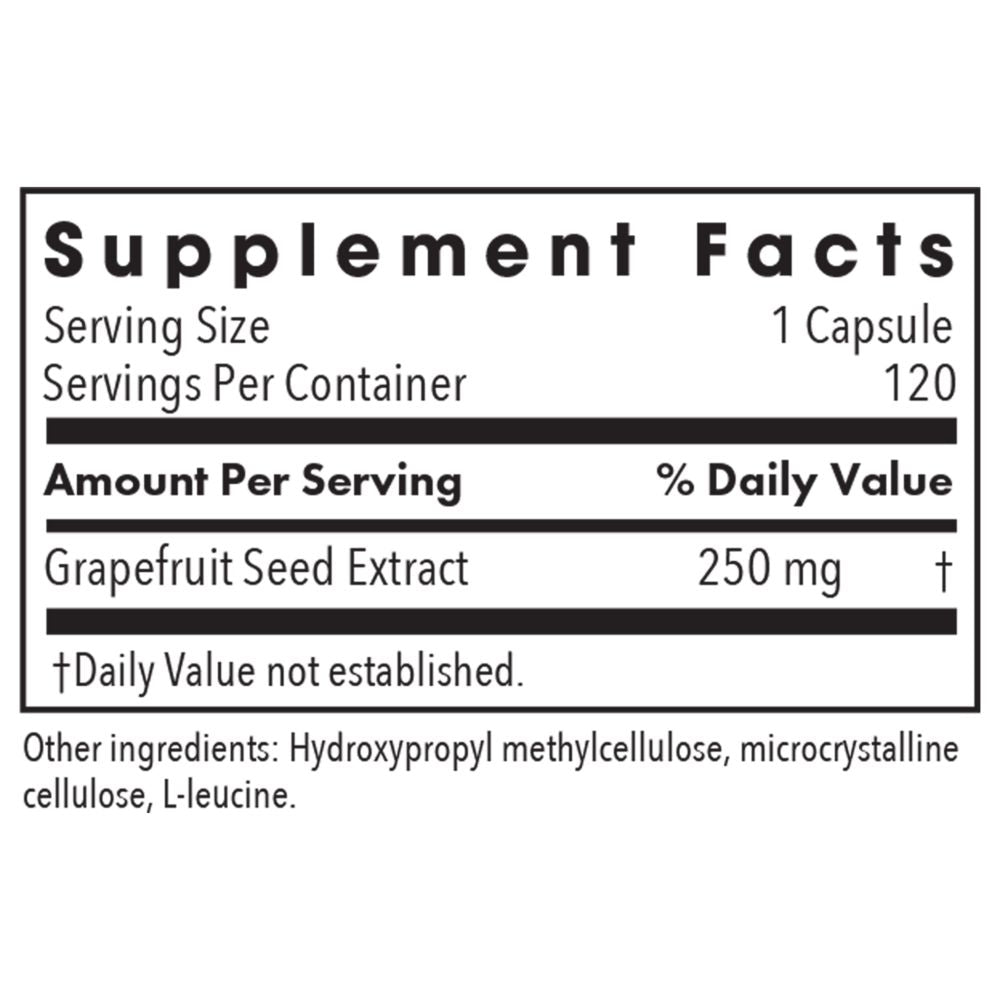
Supplement Facts
Serving Size: 1 Capsule
Servings Per Container: 120
| Amount Per Serving | Amount | |
|---|---|---|
Grapefruit Seed Extract | 250 mg | |
†Daily Value not established. | ||
Common Questions about Paramicrocidin 250
Answers are general educational information, not medical advice for your situation.
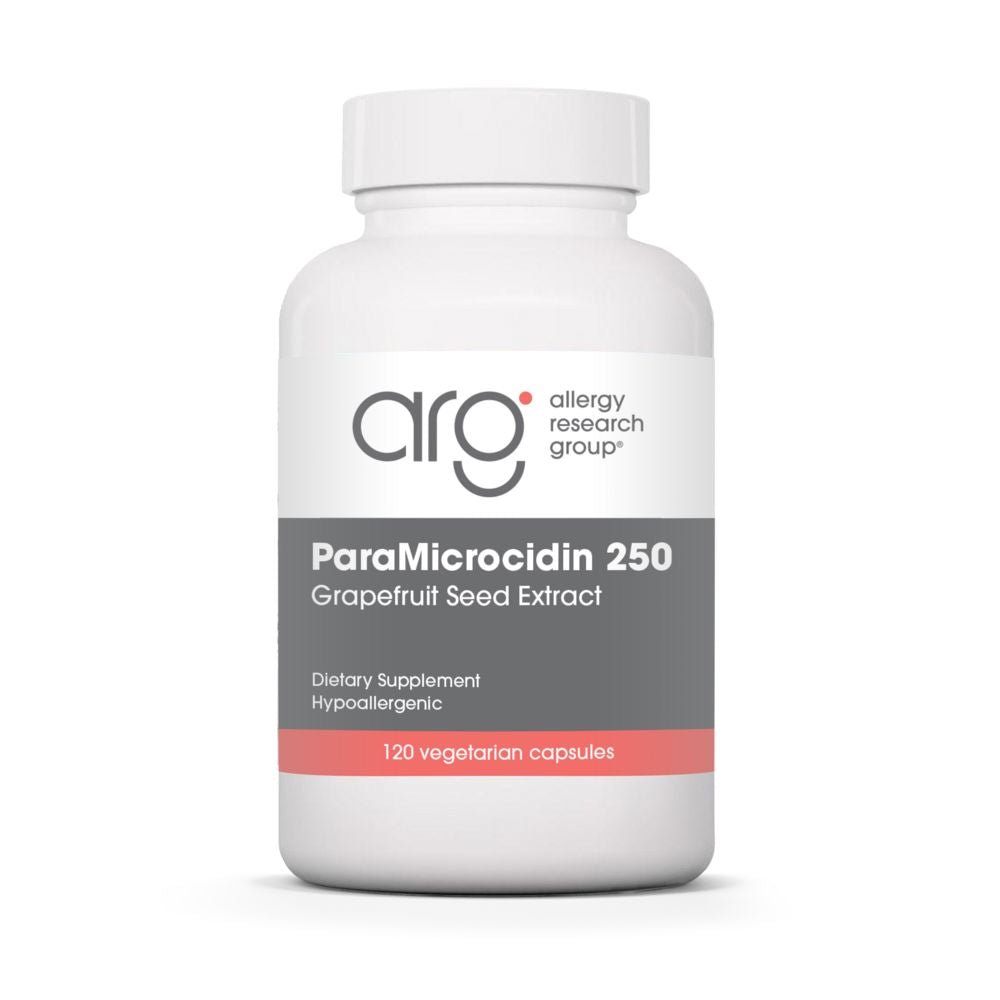
Paramicrocidin 250
By Allergy Research Group
From $42.69 · Save 10% with code MARTYROSS10