
ongoing support
Bladder & Urinary Health
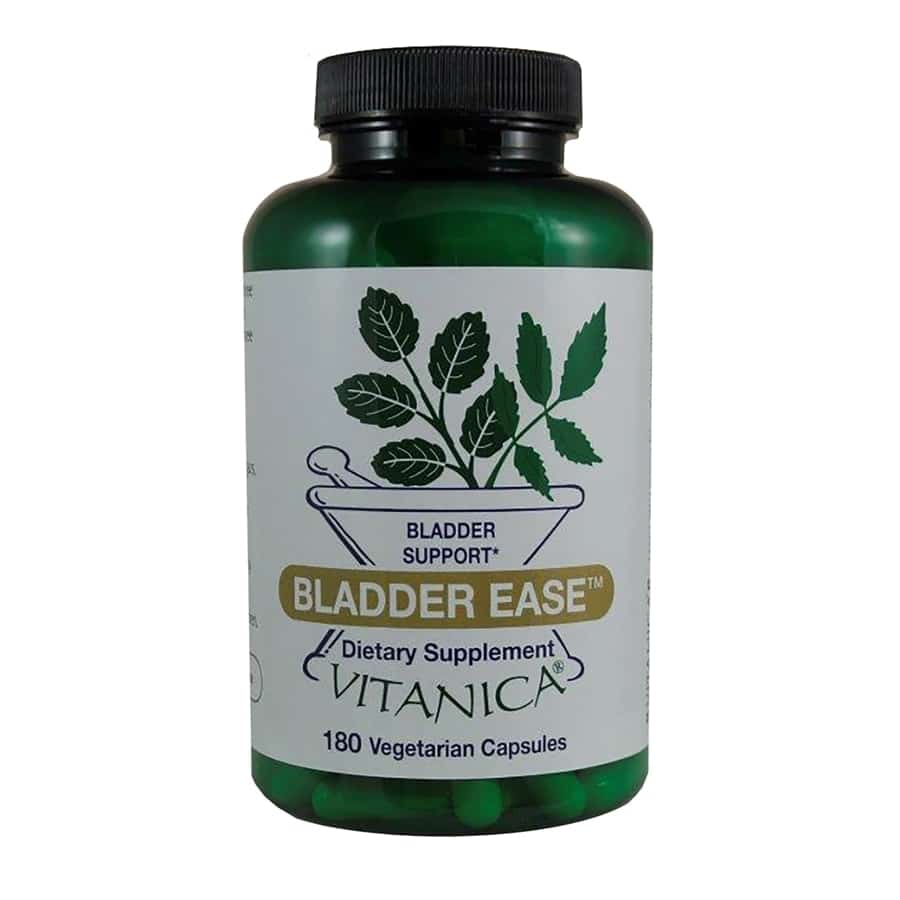
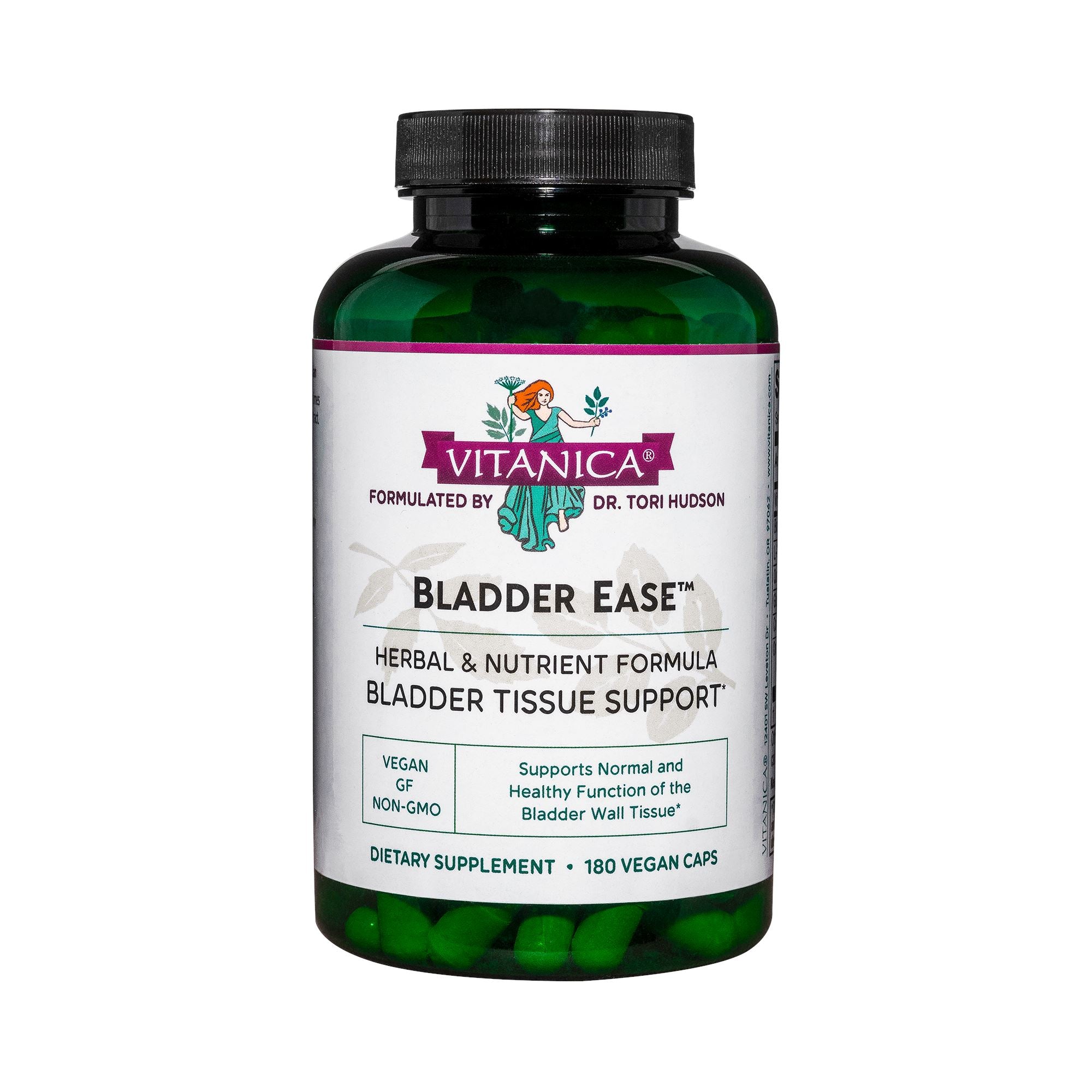
Bladder wall tissue support formula by Vitanica. Combines vitamin A, quercetin, citrus bioflavonoids, glucosamine HCL, L-arginine, and botanicals to support a healthy tissue response in the bladder.



10% off all supplements
Use code at checkout
MARTYROSS10


Opens Femologist.com in a new tab
TreatLyme and Dr. Marty Ross, MD, are affiliated with Femologist. We may earn a commission on purchases made through this link or code.
Quick Facts
Key Ingredients
Vitamin A 2250 IU
Bioflavonoids (from citrus) 750 mg
Third-party Testing
Dietary

Written by

Dr. Marty Ross, MD
Updated
September 24, 2026
Dr. Ross's Expert Review
Bladder discomfort is one of the more common complaints I see. When a person does not have a traditional bladder infection, that is where Vitanica’s Bladder Ease fits. It combines vitamin A, citrus bioflavonoids, quercetin, glucosamine HCL, L-arginine, and the botanicals Oregon grape root and corn silk in one formula aimed at bladder tissue health.
Vitamin A helps maintain the epithelial and mucosal surfaces, including those in the bladder. Quercetin and citrus bioflavonoids help maintain a healthy inflammation response in bladder tissue. Glucosamine supports healthy tissue, and L-arginine supports nitric oxide synthase activity, which matters for healthy bladder function. The research behind these ingredients is encouraging but uneven. A good deal of it looks at individual ingredients, or at different delivery routes other than an oral capsule. Even with these research limits, I find the formula useful in practice.
The dosing regimen is significant: 3 capsules, three times a day. In my experience that is what it takes to improve stubborn bladder wall concerns.
Be aware it contains soy, since one ingredient is prepared in black soybean. Avoid it if you are pregnant or nursing. Give it a couple of months to see benefits, not days; tissue support takes time.
These statements have not been evaluated by the Food and Drug Administration. This product is not intended to diagnose, treat, cure, or prevent any disease. Dr. Ross has a financial relationship with the Femologist store, where this product is sold.
How I Use It in My Practice
In my practice, Bladder Ease is my go-to when bladder wall tissue support is the goal and bladder infection has been ruled out or addressed. I use it as part of a broader plan, not alone; finding the upstream cause, matters more than any single supplement. I follow the maker’s dosing of 3 capsules three times a day, and I keep people on it for a couple of months to determine if it is working. Some people notice a difference within days; most need longer. It contains soy, so I screen for that, and I do not use it in pregnancy or nursing.
This reflects Dr. Ross's clinical experience and is educational, not medical advice. Work with your treating physician before starting, stopping, or changing any supplement or medication.
The Research, in Dr. Ross's Words
The science behind Bladder Ease’s ingredients is suggestive as a bladder support rather than settled. A 2024 bioinformatics analysis in Aging identified quercetin as a promising agent for bladder pain syndrome, pointing to effects on inflammatory signaling and mast cell activity. One pilot study of an oral complex containing chondroitin sulfate, and another oral preparation combining hyaluronic acid, chondroitin, curcumin, and quercetin, reported improvements in urinary symptoms, which is encouraging for oral delivery of these compounds.
The strongest evidence on glucosaminoglycan replacement, reviewed in Pain and Therapy and in a 2024 systematic review in BMC Urology, involves ingredients delivered directly into the bladder, not by mouth. That route difference matters. Oral results may not match bladder instillation results. The trial data on oral glucosamine and chondroitin combinations is limited and comes from small samples.
So where does that leave us? The ingredients have a plausible mechanism for supporting bladder wall tissue and a healthy inflammation response, some early human data supports the approach, and the review literature treats these compounds as reasonable options. My observation in my practice is that this is a good support for bladder pain and discomfort not caused by bladder infection.
References
From:
Vitanica
Supports optimal health and function of the bladder wall tissue. Provides key nutrients and botanicals in combination to support and maintain healthy tissue response in the bladder. Vitamin A is essential in maintaining healthy immune function and it is essential in maintaining the epithelial and mucosal surfaces, including those in the bladder.
Directions of Use
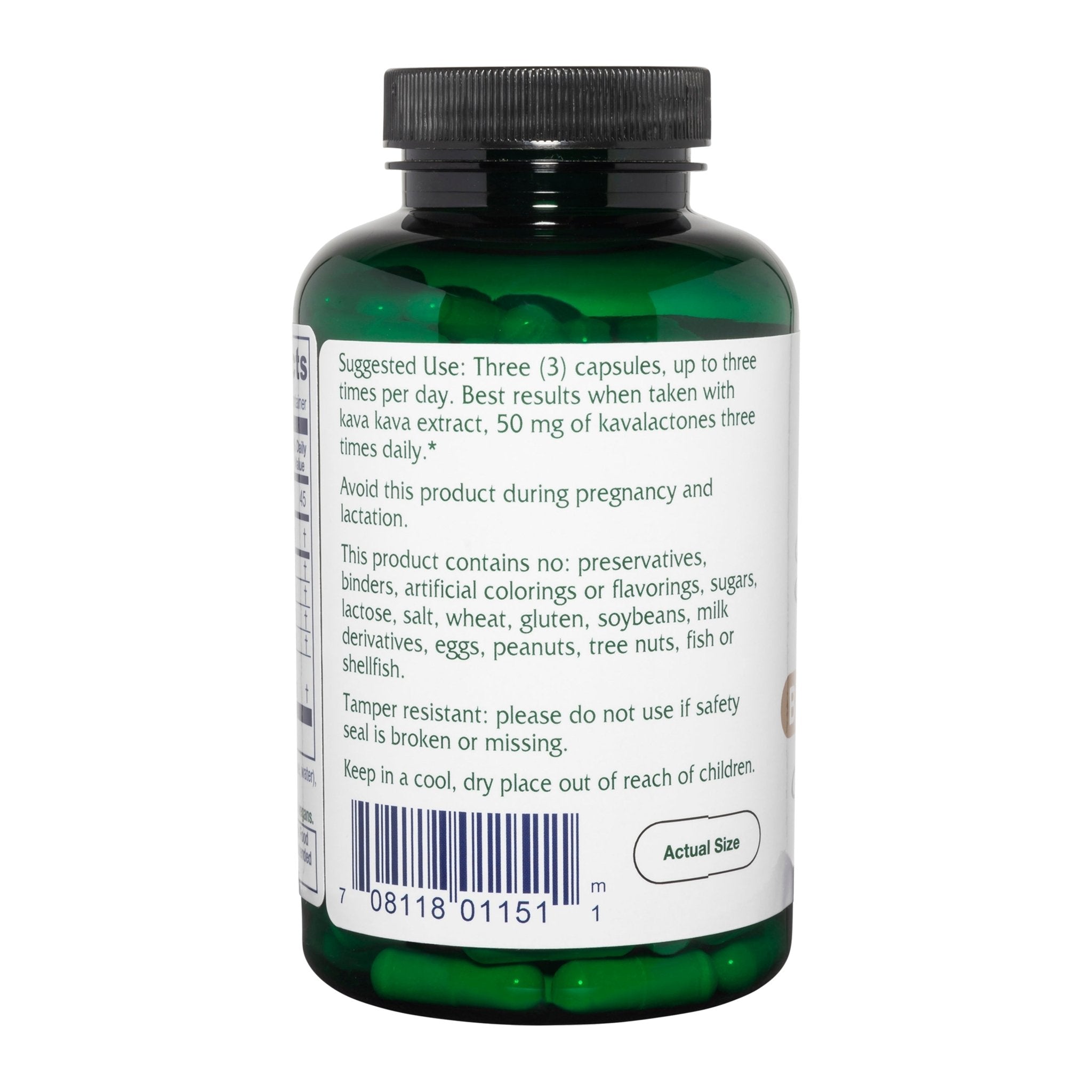
Suggested Use: 3 capsules, three times daily; best when taken with kava kava extract, 50 mg of kavalactones, three times daily. This product is best used under the supervision of a qualified healthcare professional.
Does not contain
animal-products
artificial-colors
artificial-flavors
corn
dairy
gluten
Avoid if pregnant or nursing.
Excerpted from Vitanica's product information. These statements have not been evaluated by the Food and Drug Administration.
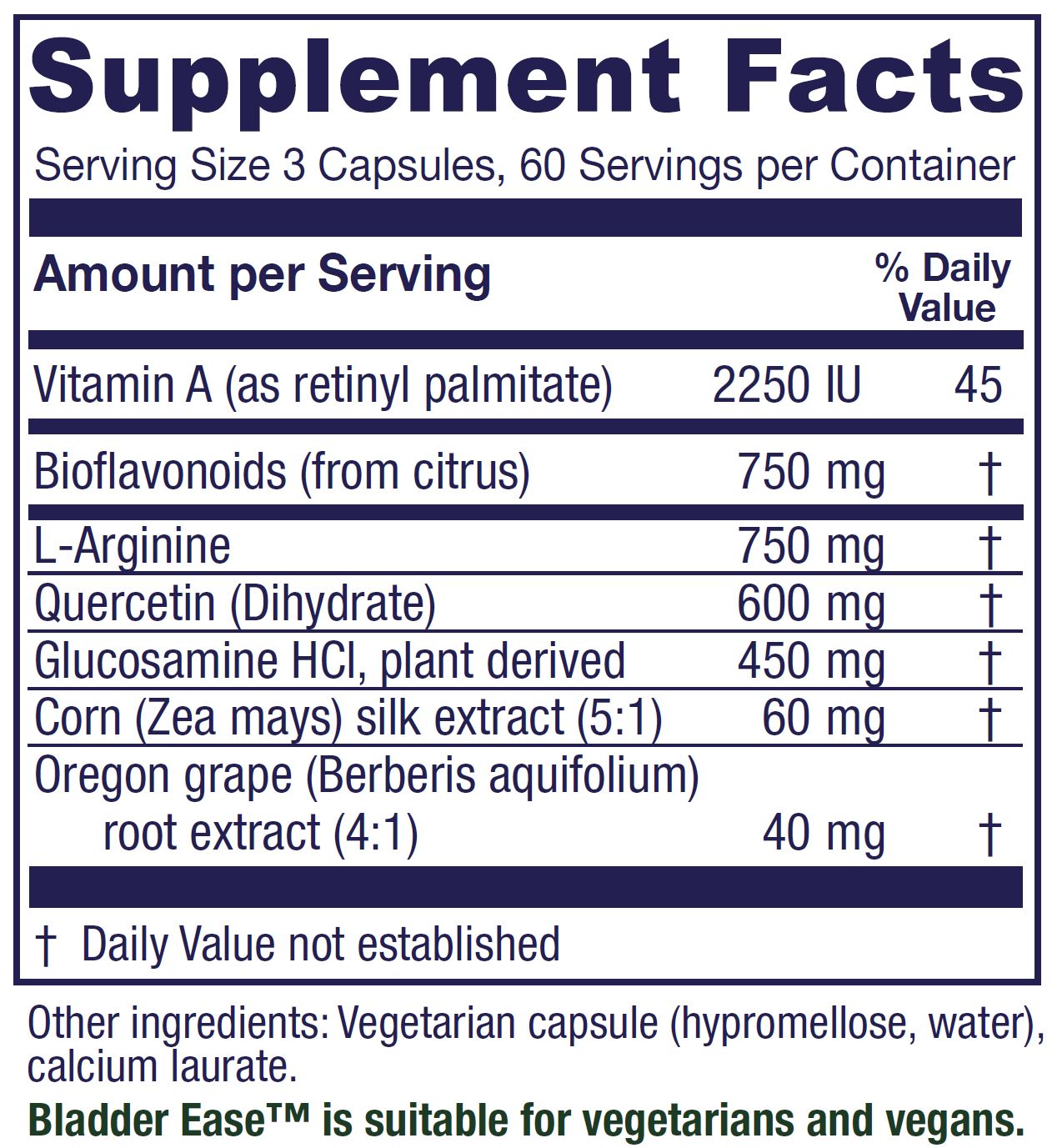
Supplement Facts
Serving Size: 3 Capsules
Servings Per Container: 60
| Amount Per Serving | Amount | |
|---|---|---|
Vitamin A as retinyl palmitate | 2250 IU | |
Bioflavonoids (from citrus) | 750 mg | |
L-Arginine | 750 mg | |
Quercetin (Dihydrate) | 600 mg | |
Glucosamine HCl, plant derived | 450 mg | |
Corn (Zea mays) silk extract (5:1) | 60 mg | |
Oregon grape (Berberis aquifolium) root extract (4:1) | 40 mg | |
Common Questions about Bladder Ease
Answers are general educational information, not medical advice for your situation.
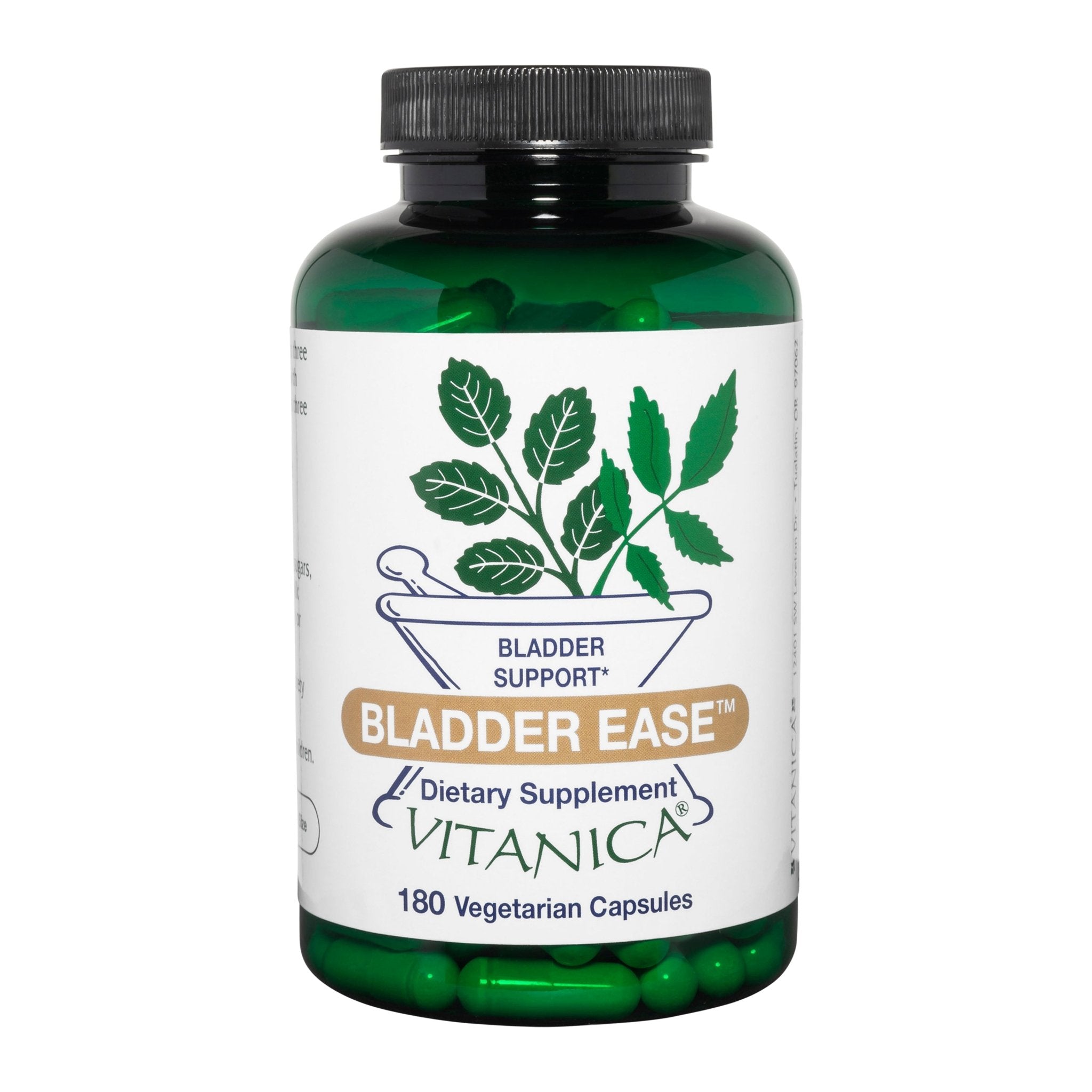
Bladder Ease
By Vitanica
From $62.99 · Save 10% with code MARTYROSS10
Quercetin Phytosome
Standalone quercetin in a phytosome form; the key flavonoid in this blend on its own.


HistaQuel
Histamine support formula; the brief's research linked quercetin's antihistaminic effect to flares.
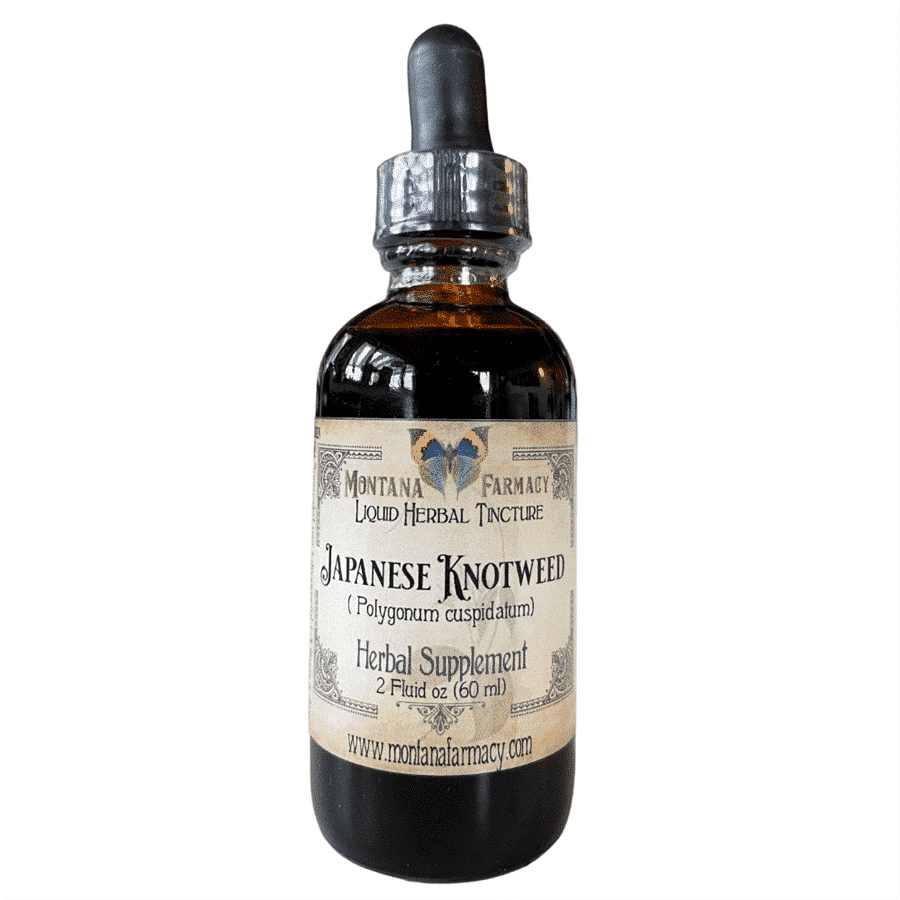
Japanese Knotweed
Infection support herb; the brief's guide connects bartonella to bladder symptoms.