


ongoing support
Energy & Fatigue
System Cleanse
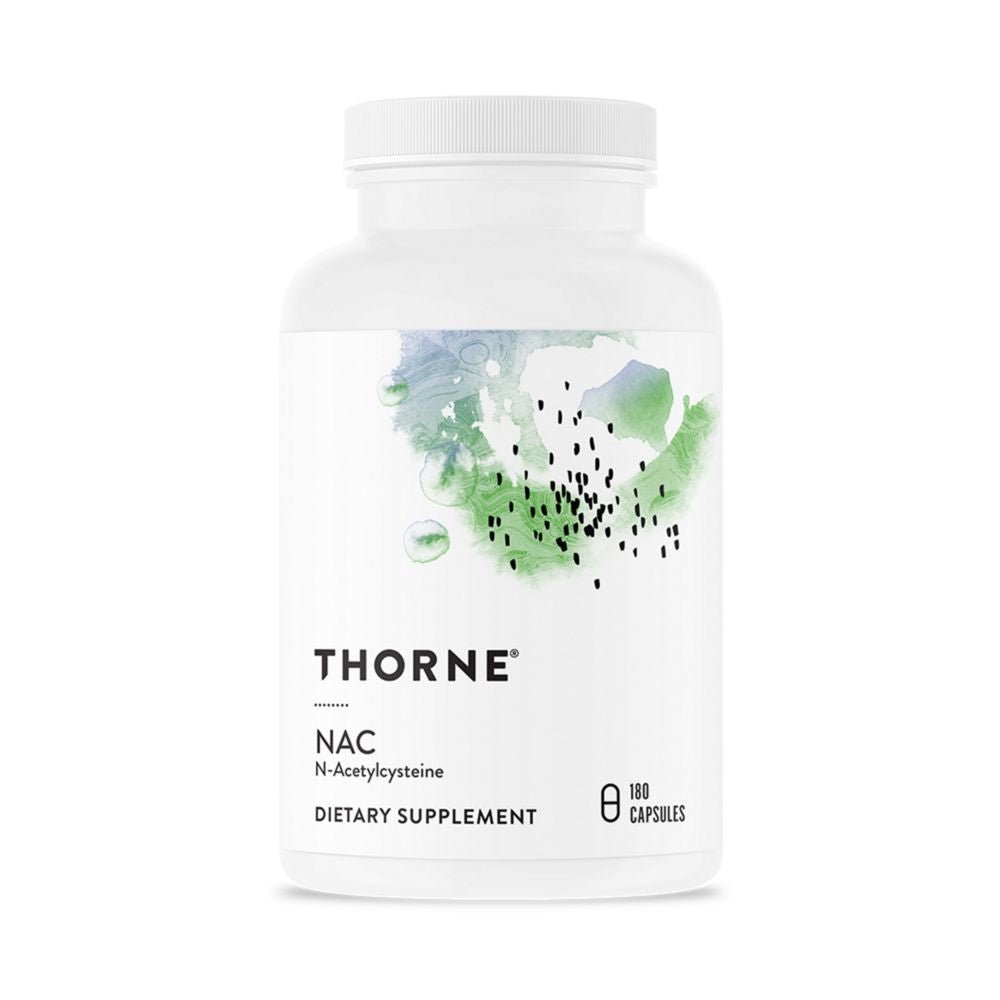
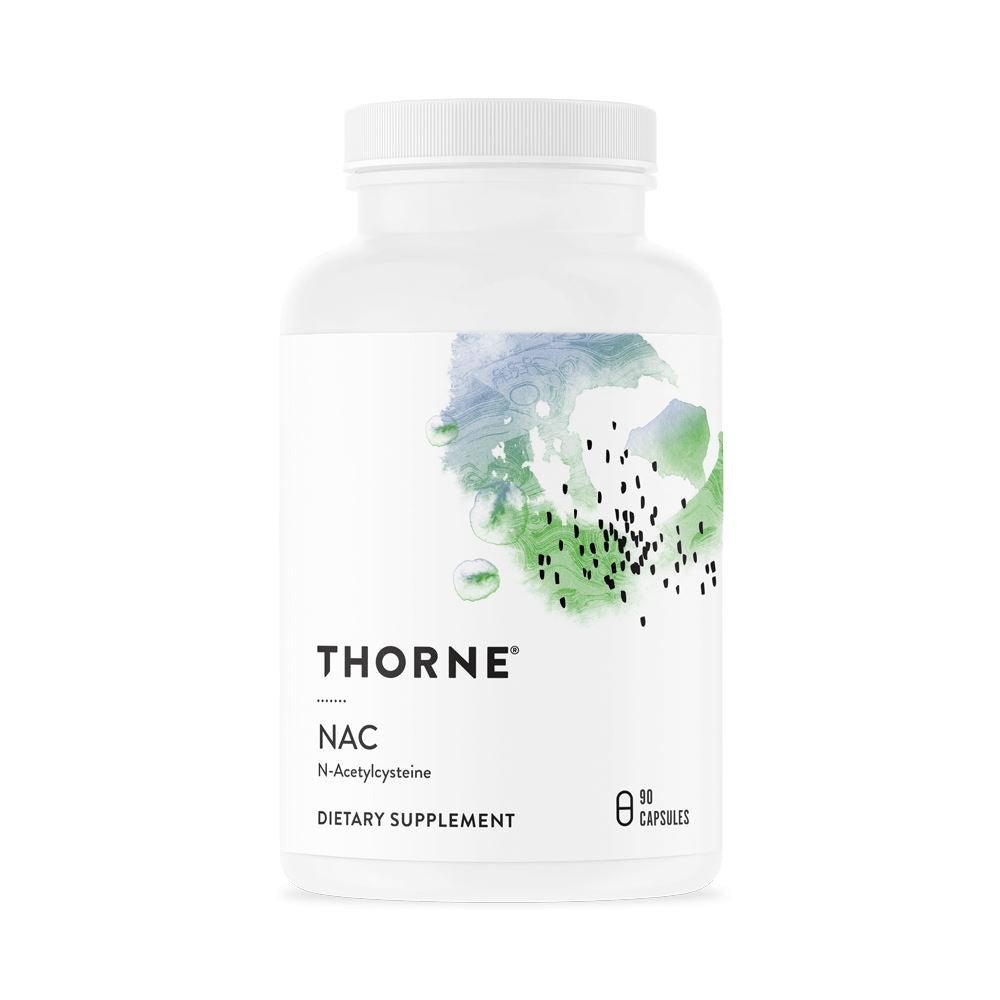
Thorne's NAC provides 500 mg of N-acetyl cysteine per capsule, the amino acid building block your cells use to make glutathione, the master antioxidant and detox chemical. I use it for antioxidant, liver, and biofilm support.



10% off all supplements
Use code at checkout
MARTYROSS10


Opens Femologist.com in a new tab
TreatLyme and Dr. Marty Ross, MD, are affiliated with Femologist. We may earn a commission on purchases made through this link or code.
Quick Facts
Key Ingredients
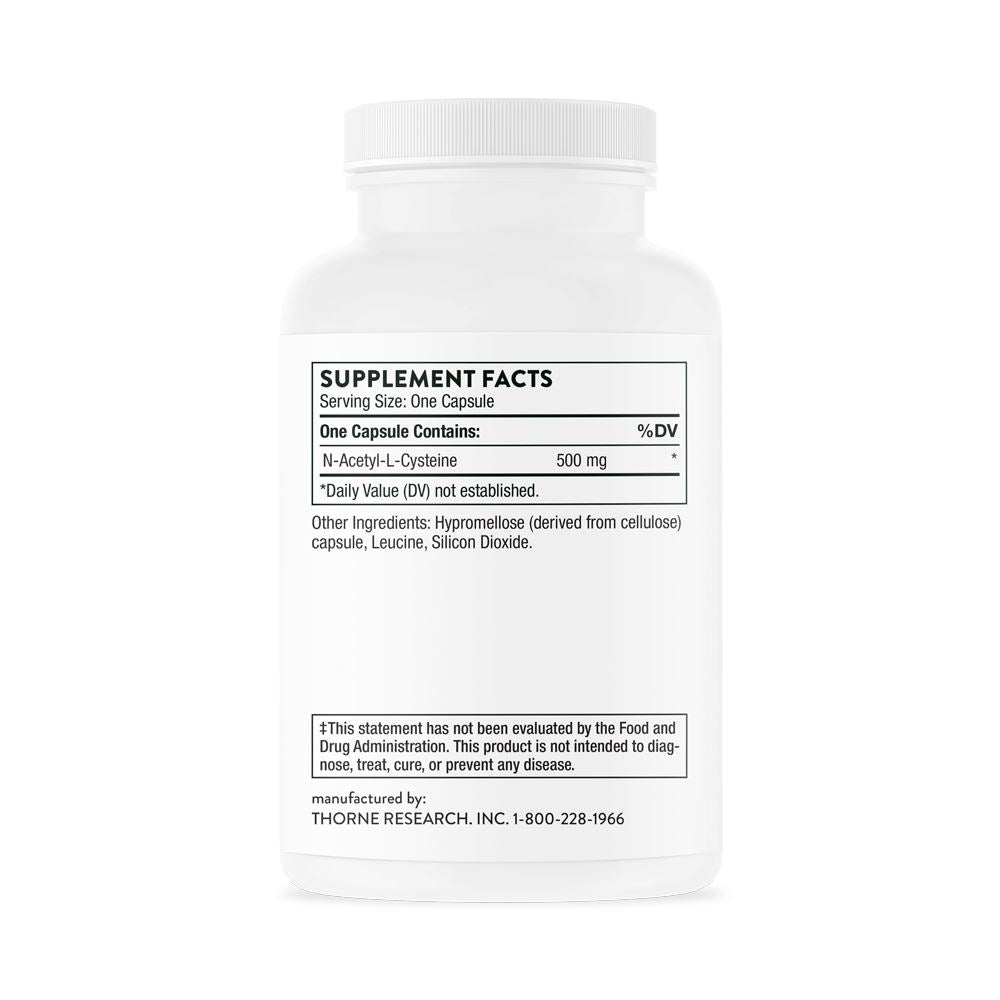
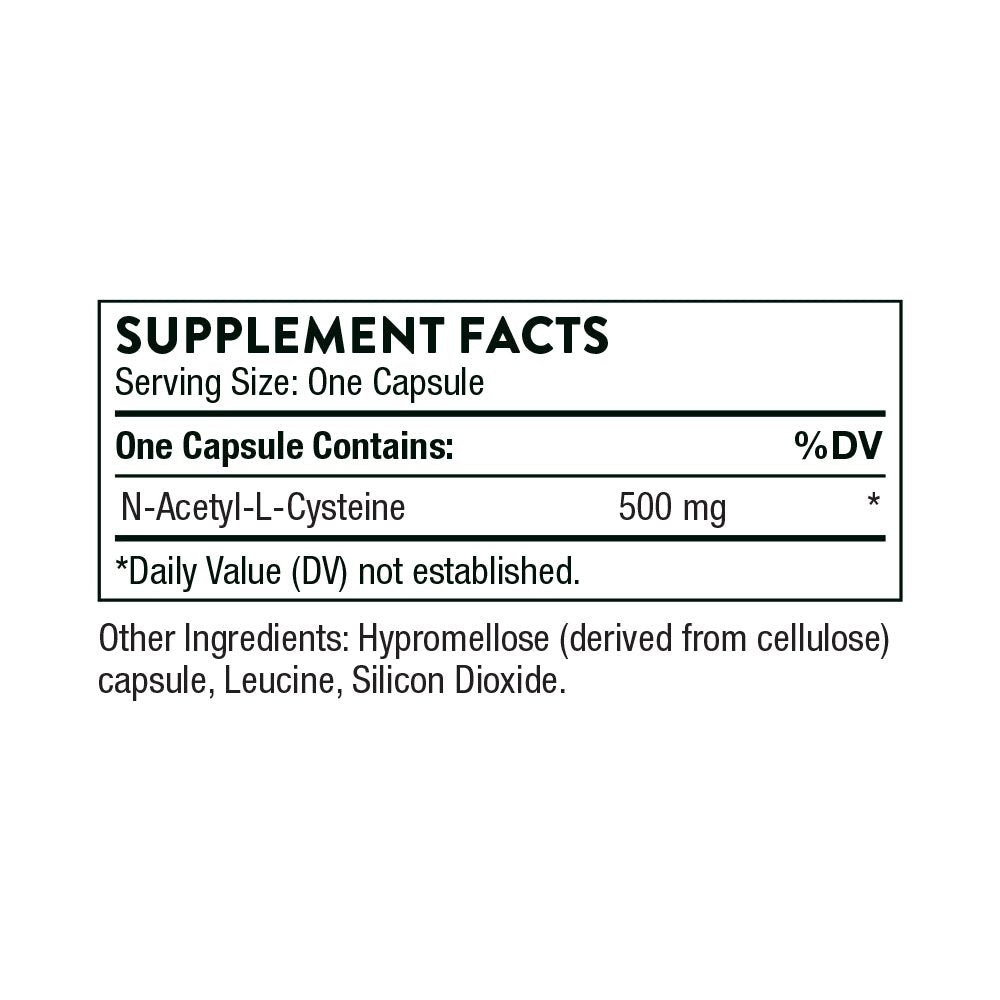
N-Acetyl-L-Cysteine 500 mg
Third-party Testing
Dietary

Dairy-free

Gluten-free

Soy-free

Written by

Dr. Marty Ross, MD
Updated
September 24, 2026
Dr. Ross's Expert Review
NAC is short for N-acetyl cysteine. It is the building block your cells use to make glutathione, the master antioxidant and the main detoxification chemical of the liver. When chronic illness runs people down, glutathione demand goes up: germs, inflammation, and detox all draw on it. NAC gives the body the raw material to make more of its own.
What I like about NAC is how many angles it covers in one inexpensive capsule. It supports antioxidant defenses, helps the liver do its normal detox work, and thins mucus in the airways. There is also laboratory work showing NAC interferes with biofilms, the protective nests germs build to hide from your immune system. I use it alongside other biofilm support and detox steps.
Human trials of NAC-based supplementation show it raises glutathione and lowers oxidative stress markers. The biofilm evidence is lab-based only, without human research trials.
This version from Thorne gives you 500 mg of pure N-acetyl-L-cysteine per capsule with no unnecessary additives. Take one capsule two to three times daily. Some people get nausea or heartburn at higher doses, so if that happens, take it with a small amount of food. If you are pregnant or nursing, review it with your physician first.
These statements have not been evaluated by the Food and Drug Administration. This product is not intended to diagnose, treat, cure, or prevent any disease. Dr. Ross has a financial relationship with the Femologist store, where this product is sold.
How I Use It in My Practice
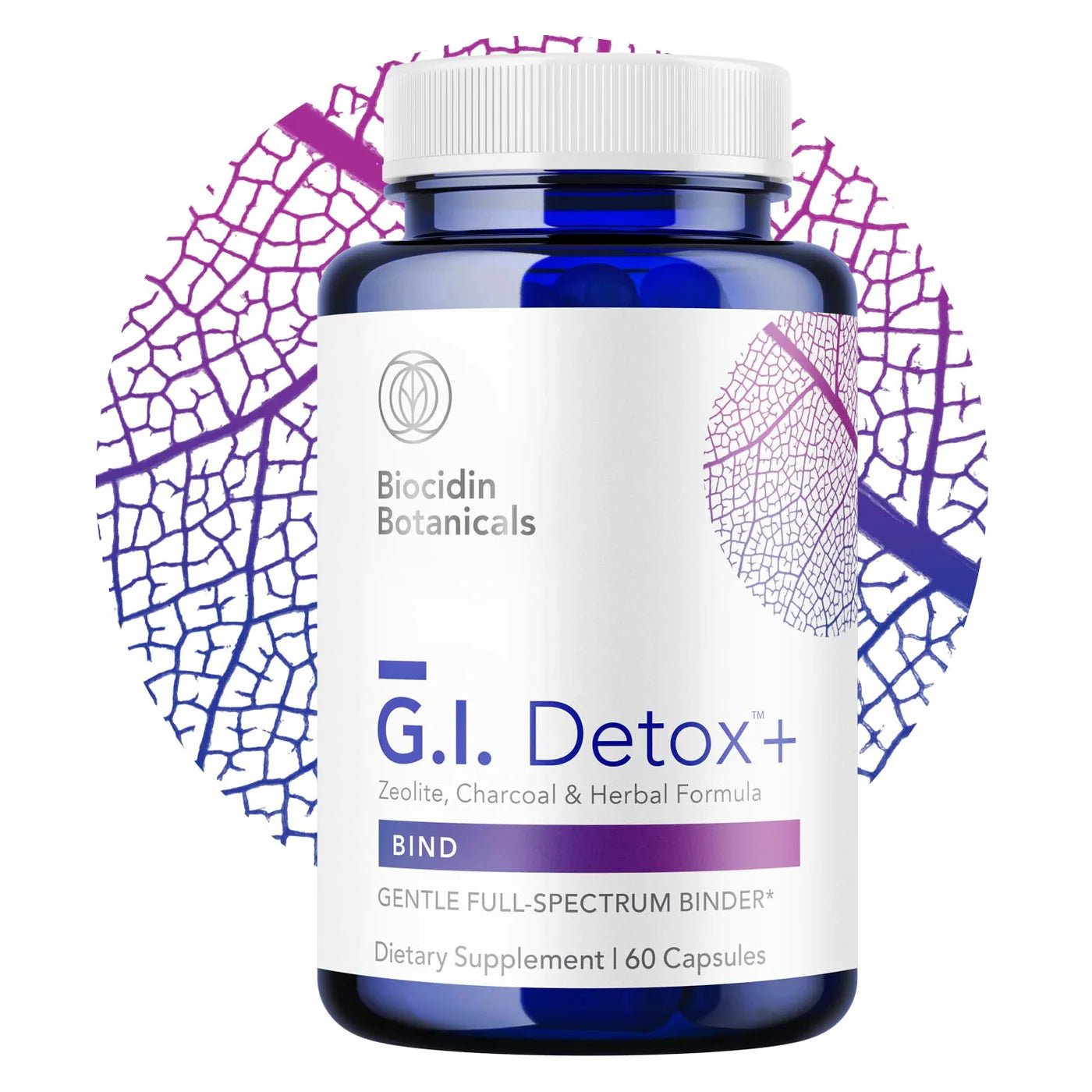
I use NAC in three situations. First, detox support: it is one of my basic steps alongside glutathione and binders. Second, antioxidant support when cytokine inflammation and oxidative stress are running high. Third, alongside biofilm work, because laboratory research shows NAC disrupts biofilm formation. My usual dose is 500 mg two to three times a day, and I keep people on it for months, because antioxidant defenses are built over time, not overnight. Some people notice decreased die-off reactions when they add it alongside the other supports in their plan. Higher doses can cause nausea or heartburn, so I start low and increase the dose as tolerated. Anyone pregnant or nursing should discuss using this supplement with their physician.
This reflects Dr. Ross's clinical experience and is educational, not medical advice. Work with your treating physician before starting, stopping, or changing any supplement or medication.
The Research, in Dr. Ross's Words
NAC has a cleaner human research evidence base than most supplements I use. In a 24-week pilot clinical trial, glycine plus NAC (GlyNAC) corrected intracellular glutathione deficiency in older adults and lowered oxidative stress, mitochondrial dysfunction, and inflammation markers. A follow-up 16-week randomized clinical trial repeated the result: improved glutathione levels, oxidative stress, and physical function, with good tolerability. That is the mechanism I care about, giving cells the cysteine they need to rebuild glutathione.
The biofilm evidence is from laboratory work, but it is consistent. A 1997 study in the Journal of Antimicrobial Chemotherapy found NAC reduced Staphylococcus epidermidis biofilm formation in a dose-related way, and a 2020 study in the same journal showed NAC helped combination treatment eradicate antibiotic-resistant Staphylococcus aureus biofilms. That is why it interests me for people following biofilm research, with the caveat that lab findings do not always translate to humans.
References
From:
Thorne
A potent antioxidant that supports comprehensive wellness, including liver, respiratory, kidney, and immune health. N-Acetylcysteine (NAC) is an amino acid that provides significant benefits by increasing the body's production of glutathione and neutralizing free radicals to support detoxification.
Directions of Use
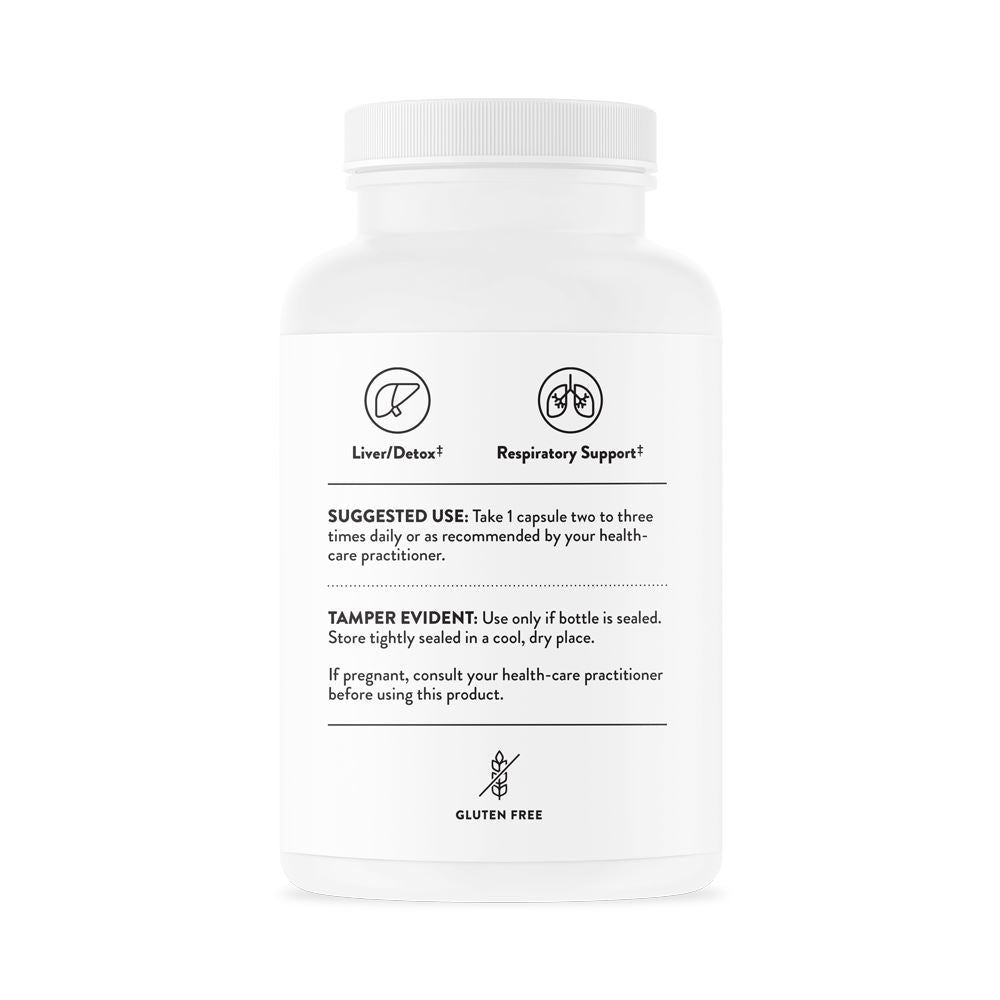
Take 1 capsule two to three times daily or as recommended by your health-care practitioner.
Does not contain
dairy
gluten
soy
ALLERGY WARNING: This product is contraindicated in an individual with a history of hypersensitivity to any of its ingredients. PREGNANCY: If pregnant, consult your health-care practitioner before using this product. INTERACTIONS: There are no known adverse interactions or contraindications at publication date.
Excerpted from Thorne's product information. These statements have not been evaluated by the Food and Drug Administration.
Supplement Facts
Serving Size: 1 Capsule
Servings Per Container: 90
| One Capsule Contains | Amount | |
|---|---|---|
N-Acetyl-L-Cysteine | 500 mg | |
Common Questions about NAC
Answers are general educational information, not medical advice for your situation.
NAC
By Thorne
From $31.00 · Save 10% with code MARTYROSS10
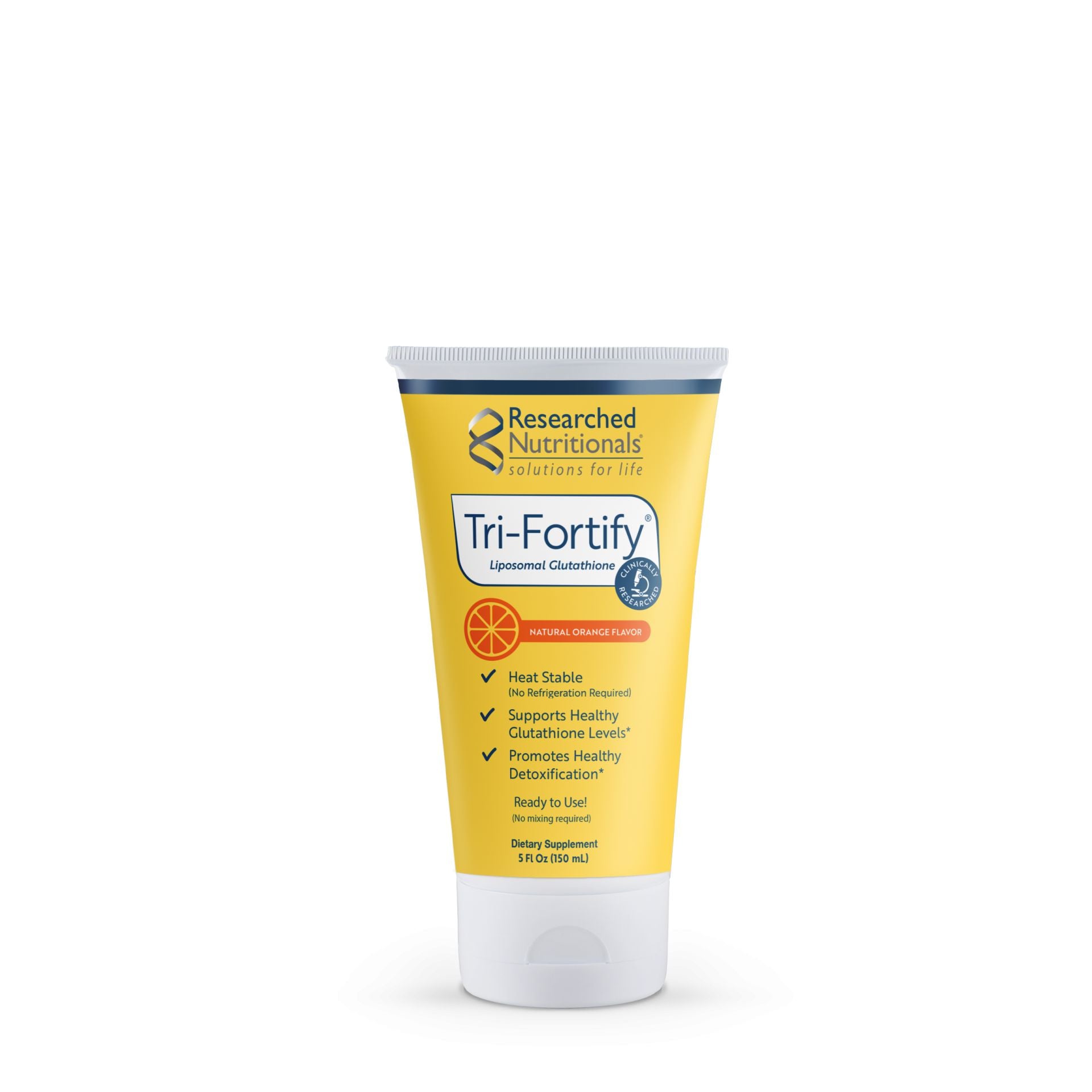
Tri-Fortify Orange (Liposomal Glutathione), 5 oz—30 doses
Liposomal glutathione pairs with NAC in detox support.


Guide
Glutathione: The Great Fixer
His glutathione guide explains why NAC is a basic detox support.

Guide
Biofilm Gated Communities
The biofilm guide covers NAC's role in disrupting germ nests.
Guide
Herxheimer Die-Off Reaction: Inflammation Run Amok
The herx guide covers antioxidant support during die-off.