

ongoing support
Bartonella Support
Biofilm Disruptors
Enzyme and botanical blend by Researched Nutritionals that supports the body's ability to disrupt microbial biofilms and maintain healthy immune function. Vegetarian and GMO-free. Contains egg-derived lysozyme.



10% off all supplements
Use code at checkout
MARTYROSS10


Opens Femologist.com in a new tab
TreatLyme and Dr. Marty Ross, MD, are affiliated with Femologist. We may earn a commission on purchases made through this link or code.
Quick Facts
Key Ingredients
Total Carbohydrate 1 g
EnzymeDisrupt Blend 79 mg
Third-party Testing

cGMP
Dietary

GMO-free

Vegetarian

Written by

Dr. Marty Ross, MD
Updated
September 24, 2026
Dr. Ross's Expert Review
BioDisrupt is one of the biofilm disruptors I use most in my practice. Germs in chronic infections build biofilms, slimy matrices of sugars and proteins that hide them from your immune system and blunt herbal and prescription germ killers.
BioDisrupt takes a two-handed approach. The EnzymeDisrupt blend includes serratiopeptidase, lysozyme, and enzymes that digest protein, fat, and fiber, chosen to break down the matrix itself. The HerbDisrupt blend pairs cranberry extract, berberine, rosemary, and peppermint oil, botanicals studied for making it harder for germs to adhere and to communicate through quorum sensing. N-acetyl cysteine adds 300 mg of biofilm-weakening support per capsule.
The research is encouraging. Lab research shows treatment of established biofilm with BioDisrupt resulted in significant reductions in biofilm mass and metabolic activity. The individual ingredients have lab studies behind them too. Serratiopeptidase breaks down biofilm through its proteolytic function, berberine interferes with quorum sensing, and cranberry proanthocyanidins reduce biofilm formation. But nearly all of this is lab work. There are no large human trials in chronic illness. Theory and lab observation support the approach. Definitive in human proof does not exist yet.
I use biofilm disruptors alongside germ killers, not in place of them. When a biofilm opens up, people often experience die-off: more fatigue, headaches, aching. I start low and adjust the pace to how the person responds.
Timing matters with enzymes. The manufacturer directs 2 capsules twice a day between meals, at least two hours after food or one hour before. Taken with a meal, the enzymes digest your food instead of the biofilm. At that dose a 120-capsule bottle is a 30-day supply.
There are cautions worth knowing. The lysozyme comes from egg white, so it is a poor fit with an egg allergy. I do not use it in pregnancy or while nursing, and I review prescription timing with the treating physician.
These statements have not been evaluated by the Food and Drug Administration. This product is not intended to diagnose, treat, cure, or prevent any disease. Dr. Ross has a financial relationship with the Femologist store, where this product is sold.
How I Use It in My Practice
BioDisrupt is part of a broader regimen for me, not a stand-alone. I pair it with herbal or physician-directed antimicrobials for people whose progress has plateaued, which may mean biofilms are protecting the germs. I typically have people take 2 capsules twice a day on an empty stomach, and I watch for die-off reactions. When the biofilm opens up, people often feel worse for a stretch before they feel better, so I start low and adjust the pace to the response. I do not use it in pregnancy, with an egg allergy, or without reviewing prescription timing first. Most people stay on a biofilm disruptor for the duration of treatment support, then stop.
This reflects Dr. Ross's clinical experience and is educational, not medical advice. Work with your treating physician before starting, stopping, or changing any supplement or medication.
The Research, in Dr. Ross's Words
The most useful paper is the one testing the finished formula. Jensen and colleagues showed in the lab that treating established bacterial and fungal biofilms with an enzyme and botanical blend reduced biofilm mass and metabolic activity. That endpoint matters, because most biofilm research tests single ingredients. The ingredient-level work points the same direction. One study found serratiopeptidase breaks down biofilm through its proteolytic function. A paper in Microorganisms reported that a nutraceutical enzyme and botanical blend changed the immunogenicity of secreted biofilm metabolites. For the botanicals, berberine has lab studies showing it inhibits biofilm formation and dispersal in Staphylococcus aureus and interferes with quorum sensing, the communication system germs use to organize a biofilm. Cranberry extract and its proanthocyanidins reduced biofilm formation and showed antimicrobial and antibiofilm activity against multidrug-resistant pathogens in lab models. Where the papers agree: enzymes degrade the matrix, botanicals interfere with adhesion and communication, and combinations outperform single agents in these models.
Every one of these studies is in the laboratory. None measured symptom outcomes in humans, and the endpoints are surrogate markers like biofilm mass, not clinical benefit. The quorum sensing and anti-adhesion findings are mechanistic plausibility, not proof of effect.
References
From:
Researched Nutritionals
BioDisrupt® supports the healthy immune system’s ability to target the sophisticated self-defense mechanisms of biofilms. BioDisrupt® is a clinically researched formula with two proprietary blends: EnzymeDisrupt™ and HerbDisrupt™. These blends work synergistically to provide comprehensive microbial biofilm support by disrupting the biofilm matrix and inhibiting the formation of new biofilms.
Directions of Use
As a dietary supplement, take 2 capsules twice per day between meals, at least two hours after eating or one hour before eating, or as directed by your health care professional.
Does not contain
corn
crustacean-shellfish
fish
gluten
milk
peanuts
soy
tree-nuts
wheat
Do not use if pregnant or nursing. CA WARNING: Can expose you to lead, a reproductive toxicant. See www.P65Warnings.ca.gov/food
Excerpted from Researched Nutritionals's product information. These statements have not been evaluated by the Food and Drug Administration.
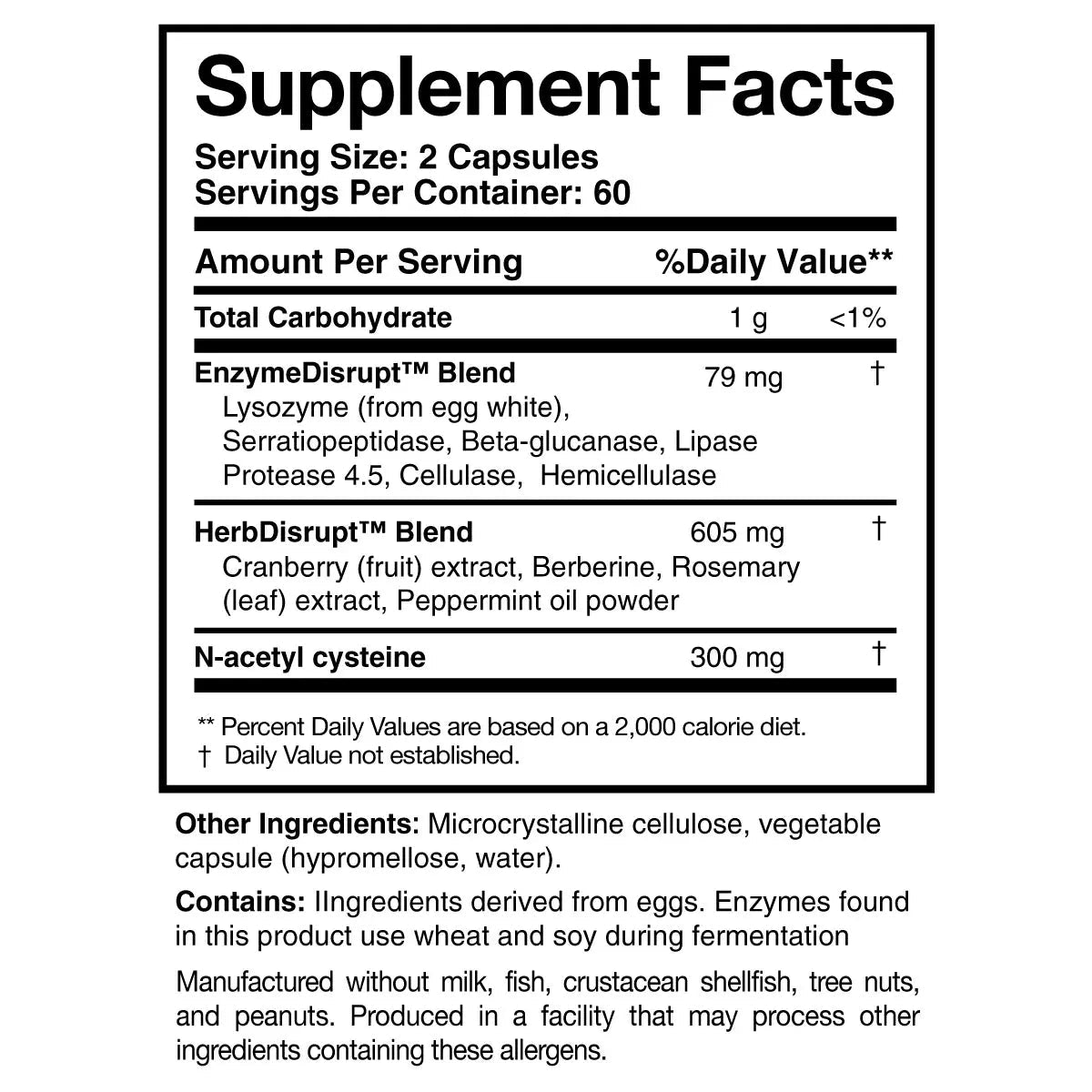
Supplement Facts
Serving Size: 2 Capsules
Servings Per Container: 60
| Amount Per Serving | Amount | |
|---|---|---|
Total Carbohydrate | 1 g | |
EnzymeDisrupt Blend Lysozyme (from egg white), Serratiopeptidase, Beta-glucanase, Lipase, Protease 4.5, Cellulase, Hemicellulase | 79 mg | |
HerbDisrupt Blend Cranberry (fruit) extract, Berberine, Rosemary (leaf) extract, Peppermint oil powder | 605 mg | |
N-acetyl cysteine | 300 mg | |
Common Questions about BioDisrupt
Answers are general educational information, not medical advice for your situation.
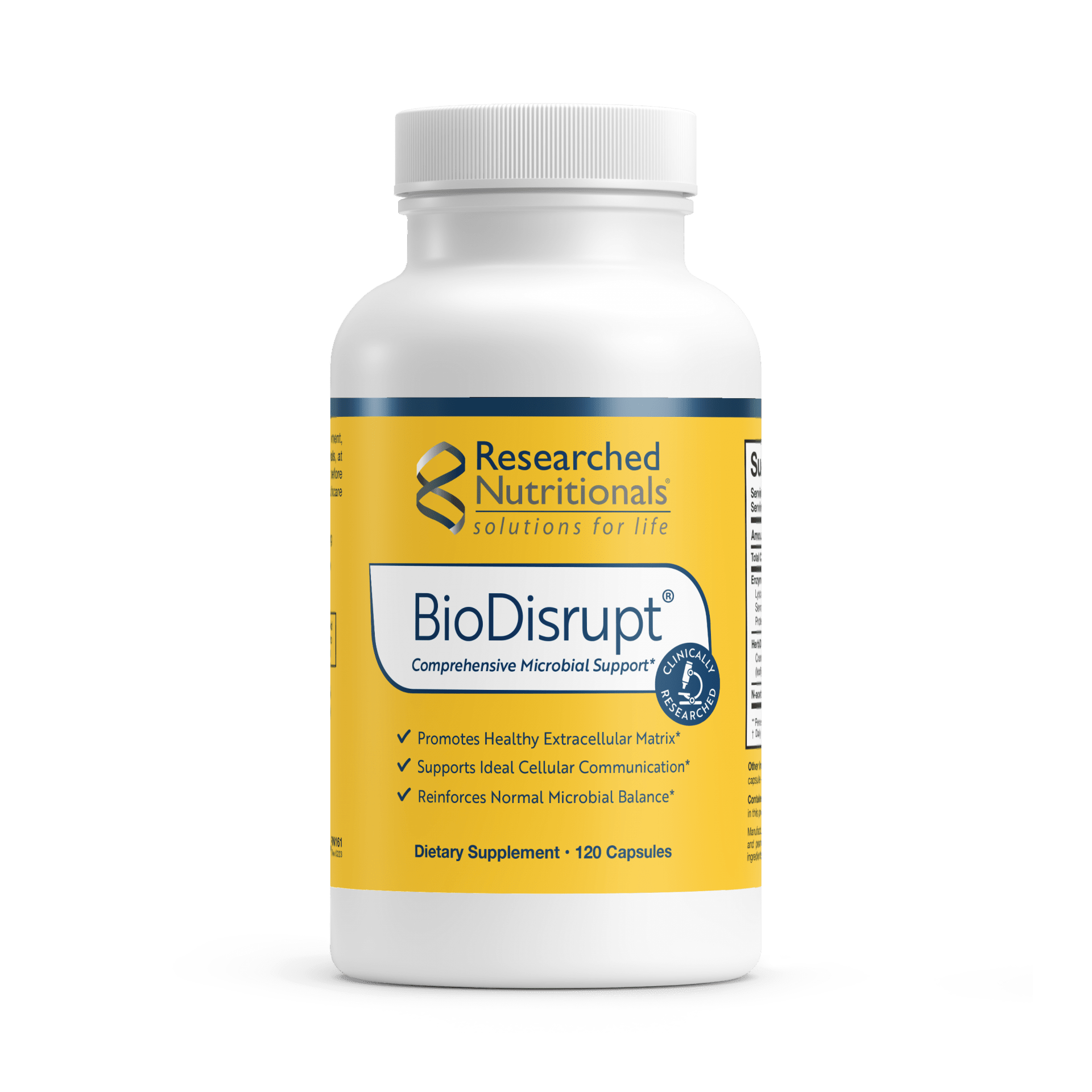
BioDisrupt
By Researched Nutritionals
From $68.98 · Save 10% with code MARTYROSS10
Lumbrokinase
Same Biofilm Disruptors category. Enzyme approach to healthy biofilm breakdown.


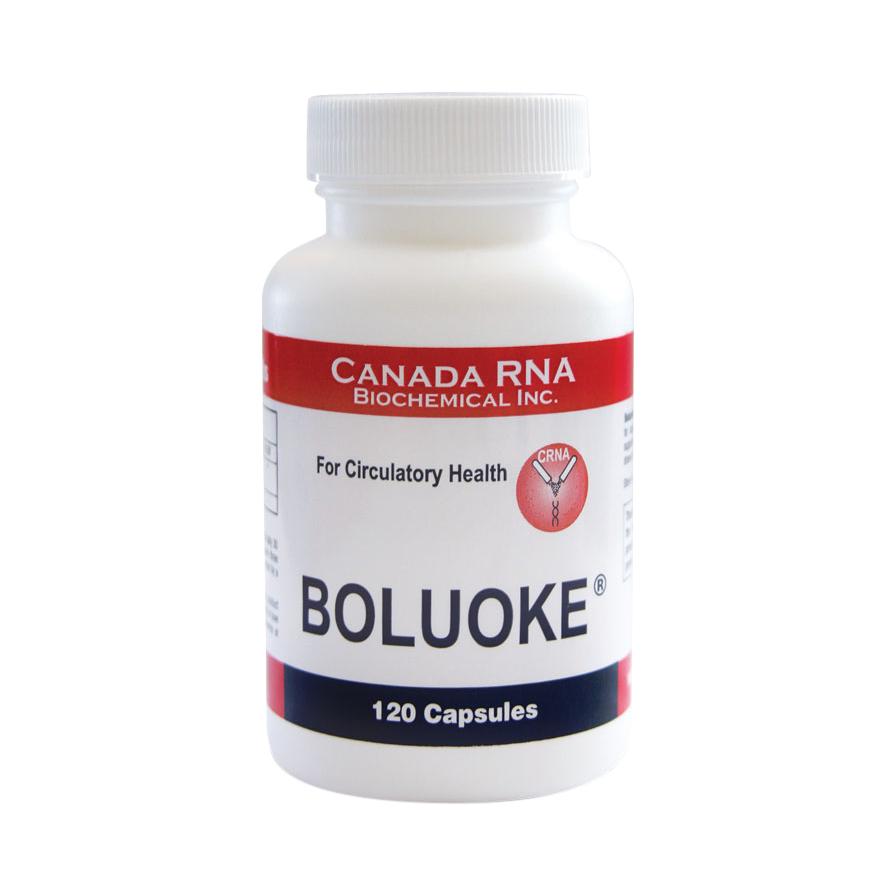
Boluoke
Another Biofilm Disruptors category product by Canada RNA for biofilm support protocols.
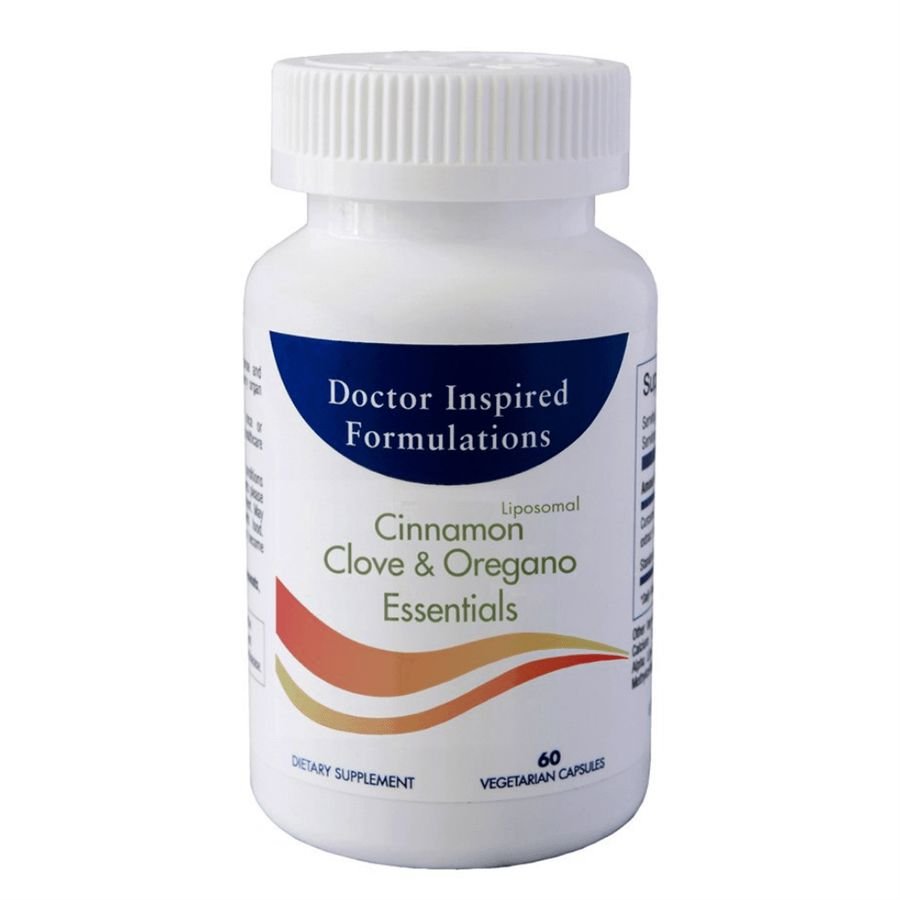
Liposomal Cinnamon Clove Oregano Essentials
Same Biofilm Disruptors category with liposomal botanical oils.