


ongoing support
Bartonella Support
Biofilm Disruptors
Pain Support
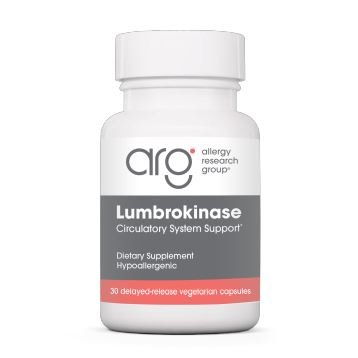
Earthworm-derived fibrinolytic enzymes from Allergy Research Group that support healthy fibrin breakdown, blood flow, and platelet function in acid-resistant delayed-release capsules.



10% off all supplements
Use code at checkout
MARTYROSS10


Opens Femologist.com in a new tab
TreatLyme and Dr. Marty Ross, MD, are affiliated with Femologist. We may earn a commission on purchases made through this link or code.
Quick Facts
Key Ingredients
Lumbrokinase 32 mg
Third-party Testing
Dietary

Written by

Dr. Marty Ross, MD
Updated
September 24, 2026
Dr. Ross's Expert Review
Lumbrokinase is an enzyme mix drawn from earthworms, and it interests me for two reasons: fibrin and the theory of biofilms. Both problems show up often in the people I see, and both can quietly block a good regimen from working.
First, biofilms. These are layers of slime where germs hunker down, held together in part by fibrin protein. In theory, lumbrokinase breaks apart the fibrin that holds the matrix together; that theory is why it interests me. I am candid that there are no studies proving this happens in tick-borne illness. My own clinical observation is that many people seem to do better when it is part of a broader regimen, and some people report temporary die-off-like reactions early on; the mechanism is not proven.
Second, sticky blood. In some chronic health situations, small fibrin deposits can collect on blood vessel linings and slow flow through the smallest vessels. Some people describe this as crampy muscle discomfort. Lumbrokinase is studied for its fibrinolytic activity, meaning its effects on fibrin, in lab research. This product delivers 600,000 IU per two-capsule dose in an acid-resistant, delayed-release capsule that protects the enzymes through the stomach.
One more thing I watch for: quality. Some products sold as lumbrokinase are just ground-up earthworms and may not be effective. Use an extract from Lumbricus rubellus. This one is.
These statements have not been evaluated by the Food and Drug Administration. This product is not intended to diagnose, treat, cure, or prevent any disease. Dr. Ross has a financial relationship with the Femologist store, where this product is sold.
How I Use It in My Practice
I most often use lumbrokinase as ongoing fibrin support as part of broader regimens. My usual approach is to follow the product’s original dosage instructions (these may now have changed): 1 or 2 capsules in the morning, 1 or 2 in the afternoon, and 2 at bedtime, each with a full glass of water. I keep it an hour apart from food, supplements, and medicines on both sides, because enzymes work best on an empty stomach. In the first week or two I watch for die-off reactions, and if they land hard I lower the dose for a while. I stop it one week before any surgery, and it does not belong in anyone with a bleeding condition. If someone takes blood thinners, their prescribing physician needs to be in the room on this decision.
This reflects Dr. Ross's clinical experience and is educational, not medical advice. Work with your treating physician before starting, stopping, or changing any supplement or medication.
The Research, in Dr. Ross's Words
In my research review, the case for lumbrokinase rests on its ability to break down fibrin, and the science supports that narrow point well. The 1991 Japanese physiology paper described the original extraction of these fibrinolytic enzymes from Lumbricus rubellus, and later proteomic work confirmed the main enzymes and their high fibrinolytic activity. A review of recombinant production methods shows active research interest in these enzymes.
The evidence does not exist for Lumbrokinase in biofilm management, even though biofilms have fibrin skeletons. Yet the potential benefit makes sense to me.
So where does that leave us? The fibrin science is real, the biofilm theory is theory, and my clinical observation fills the gap between them. That is enough for me to keep using it in my practice.
References
From:
Allergy Research Group
Lumbrokinase Circulatory Systemic Enzymes supports healthy blood flow, platelet function, and fibrin breakdown to promote optimal cardiovascular health.* These earthworm-derived proteolytic enzymes act systemically to help maintain blood viscosity and support the body's natural fibrinolytic pathways.*
How It Works:
• Lumbrokinase (from Lumbricus rubellus): A group of six proteolytic enzymes that primarily target fibrin and fibrinogen, promoting healthy clot breakdown while sparing other plasma proteins.* [1-2]
• Systemic Enzyme Activity: Functions beyond digestion to support cardiovascular and circulatory health by enhancing the body's natural fibrinolytic mechanisms.* [3]
• Evidence-Based Benefits: Multiple clinical studies, including trials at Beijing Xuanwu Hospital, have demonstrated support for normal circulation, blood flow, and vascular function.* [4-6]
• Delayed-Release Delivery: Encapsulated in acid-resistant, delayed-release capsules using gellan gum to protect enzyme activity as it passes through the stomach.*
Who It's For:
Ideal for individuals seeking support for circulatory health, fibrin balance, and systemic enzyme therapy to enhance cardiovascular wellness.*
Special Features:
• Systemic Proteolytic Enzyme Formula: Specifically targets fibrin while sparing other essential plasma proteins like plasminogen and albumin.*
• Phthalate-Free Delayed Release: Gellan gum-based acid resistance ensures optimal enzyme delivery without synthetic coatings.*
• Traditional and Modern Integration: Earthworm-derived enzymes with a long history of use in Eastern medicine and validation through modern clinical research.*
Lumbrokinase Circulatory Systemic Enzymes deliver targeted, clinically researched systemic enzyme support for circulatory and cardiovascular health, with clean, delayed-release delivery to preserve activity and effectiveness.*
Directions of Use
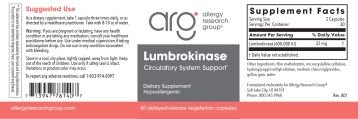
As a dietary supplement, take 2 capsules twice daily, or as directed by a healthcare practitioner. Take with 8-10 oz of water.
Does not contain
Warning: If you are pregnant or lactating, have any health condition or are taking any medication, consult your healthcare practitioner before use. Use under medical supervision if taking anticoagulant drugs. Do not use in any condition associated with bleeding. Store in a cool, dry place, tightly capped, away from light. Keep out of the reach of children. Use only if safety seal is intact. Variations in product color may occur.
Excerpted from Allergy Research Group's product information. These statements have not been evaluated by the Food and Drug Administration.
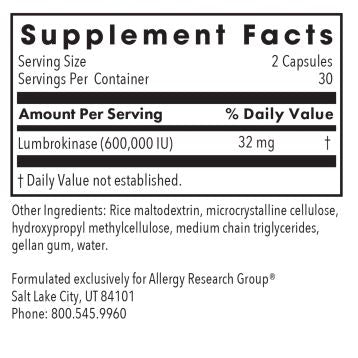
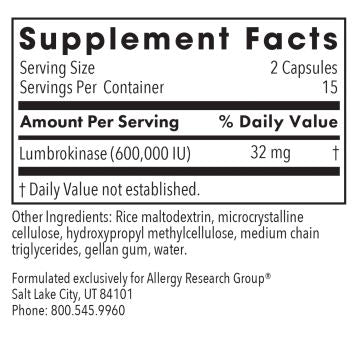
Supplement Facts
Serving Size: 2 Capsules
Servings Per Container: 30
| Amount Per Serving | Amount | |
|---|---|---|
Lumbrokinase 600,000 IU | 32 mg | |
† Daily Value not established. | ||
Common Questions about Lumbrokinase
Answers are general educational information, not medical advice for your situation.
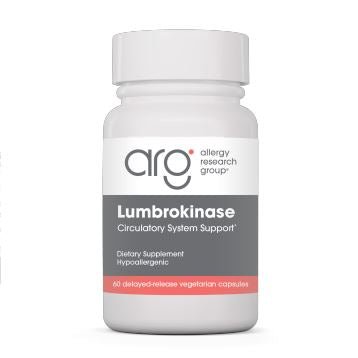
Lumbrokinase
By Allergy Research Group
From $97.69 · Save 10% with code MARTYROSS10
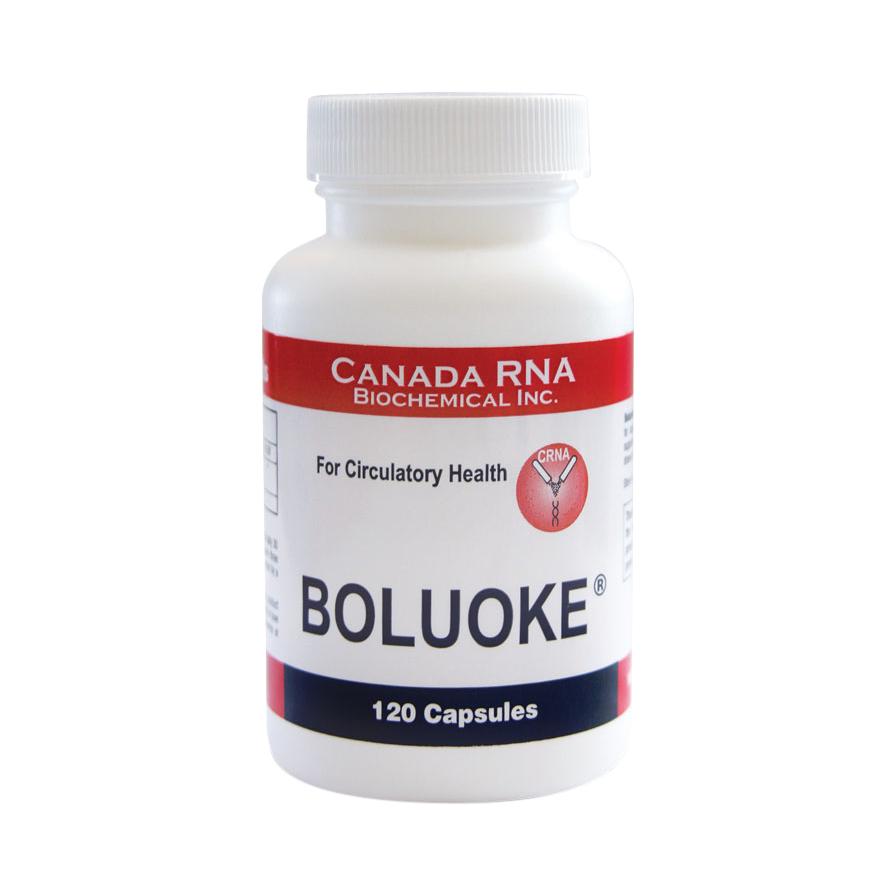


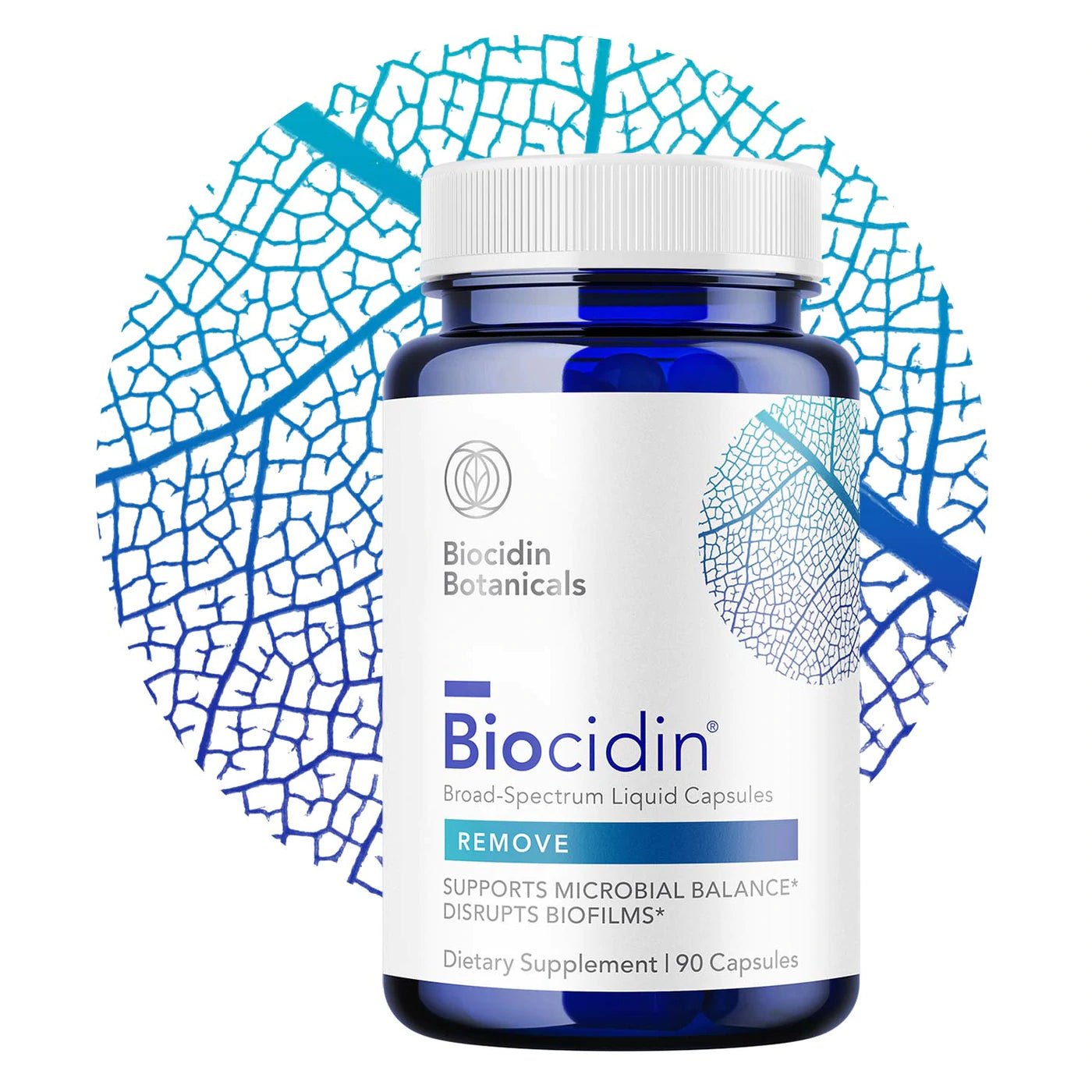
Guide
Lumbrokinase in Fibrin-germ Nests plus Biofilms in Tick-borne Diseases
Dr. Ross's guide covering this enzyme, fibrin, sticky blood, and biofilm support.

Guide
Biofilm Gated Communities
Biofilm guide covering what biofilms are and how to approach them.
Guide
The Ultimate Bartonella Management Guide
Guide covering fibrin-germ nests and how to manage them.