
pulsed
Immune Defense
Infection Support
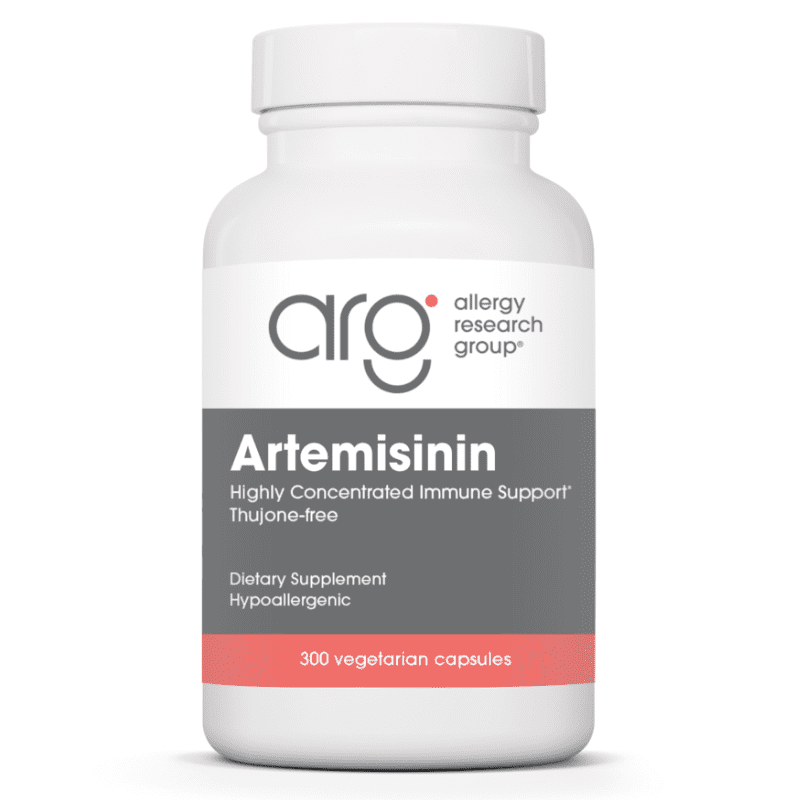
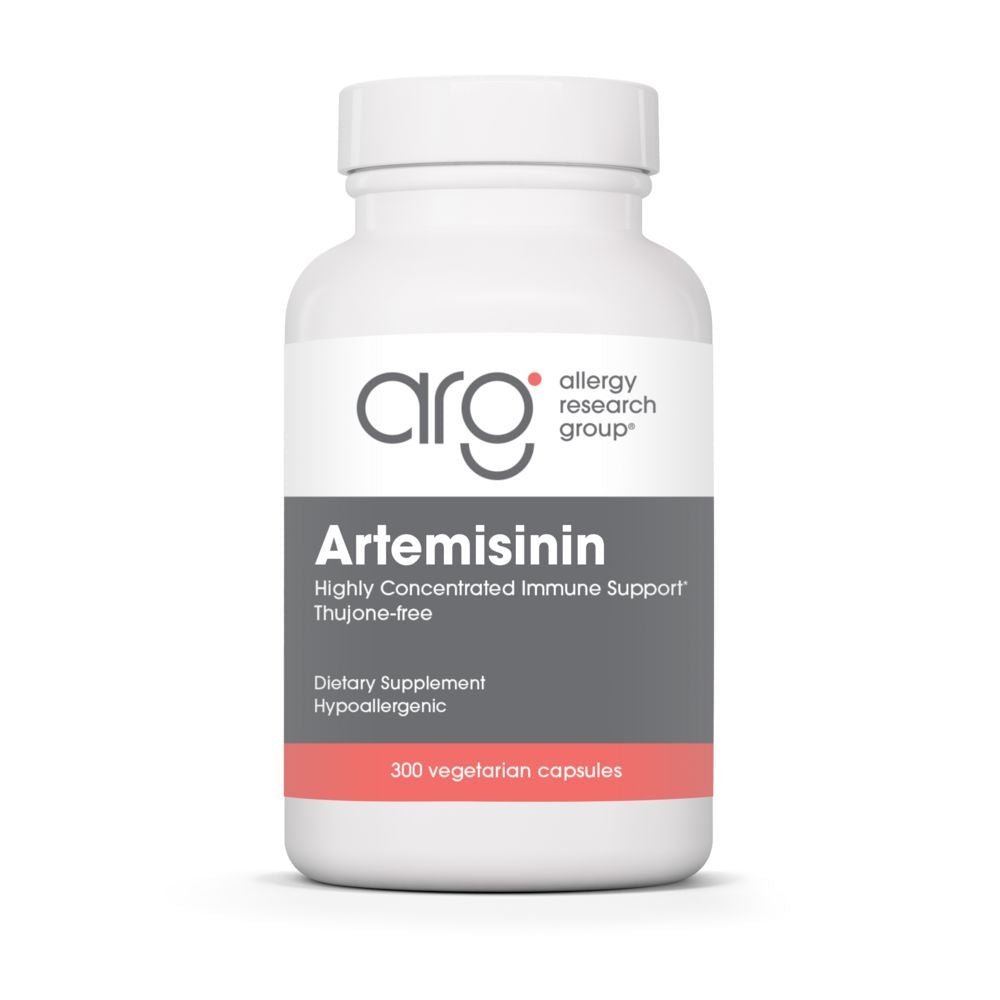
Highly concentrated immune support from Allergy Research Group. Pure artemisinin from Artemisia annua at a minimum 98.5% purity for use in pulsed immune support protocols.



10% off all supplements
Use code at checkout
MARTYROSS10


Opens Femologist.com in a new tab
TreatLyme and Dr. Marty Ross, MD, are affiliated with Femologist. We may earn a commission on purchases made through this link or code.
Quick Facts
Key Ingredients
Artemisinin 200 mg
Third-party Testing
Dietary

Hypoallergenic

Vegetarian

Written by

Dr. Marty Ross, MD
Updated
September 24, 2026
Dr. Ross's Expert Review
Artemisinin is one of the tools I use for immune support when someone is working through immune challenges, and Allergy Research Group makes a version I trust. There is a reason for that. ARG introduced purified artemisinin to the US market over 30 years ago, runs an independent potency assay program, and delivers a minimum 98.5% pure compound. Purity matters here, because whole Artemisia annua herb typically contains less than half a percent of the compound.
The laboratory research is substantial. Artemisinin has been studied for its effects on a range of microbes, and it influences cytokine pathways including NF-kB, which is one reason I think of it as an immune modulator. I am candid that much of the human experience with it in this setting is from clinician observation rather than large trials.
How I use it: pulsed. This is not a daily-forever supplement. The pharmacokinetics point the same direction: continuous use leads the body to clear it faster and lose effect. So I pulse it, with breaks between cycles. I also pair it with liver support nutrients, and I monitor liver enzymes and hemoglobin when someone is on it, because rare liver reactions have been reported.
Two practical rules: keep antioxidants and iron away from the dose, since they can theoretically blunt it, and work with a physician who knows this compound. In the right hands, for the right person, it is a valuable part of an overall wellness plan.
These statements have not been evaluated by the Food and Drug Administration. This product is not intended to diagnose, treat, cure, or prevent any disease. Dr. Ross has a financial relationship with the Femologist store, where this product is sold.
How I Use It in My Practice
I use artemisinin in pulses rather than continuously: for example, 3 days on, then 11 days off, at 1 to 2 capsules two or three times a day before meals. I always pair it with liver support nutrients. I keep antioxidants and iron away from the dosing window. Anyone I put on it gets liver enzymes and hemoglobin checked during use. Sensitive individuals can take it with food. Discuss artemisinin with your physician before starting.
This reflects Dr. Ross's clinical experience and is educational, not medical advice. Work with your treating physician before starting, stopping, or changing any supplement or medication.
The Research, in Dr. Ross's Words
The artemisinin research is deeper than most botanical compounds. Artemisinin was first identified through historical malaria research on Artemisia annua, and that preclinical pedigree is part of the story. A laboratory method paper validated sensitive measurement of artemisinin content across Artemisia species, which matters because purity and content matter with this product.
The wider laboratory work adds context: antiviral and immune modulation effects in Artemisia species, and antimicrobial activity across five different Artemisia extracts. So I read artemisinin as a compound with genuine laboratory support and a strong preclinical pedigree.
References
From:
Allergy Research Group
Artemisinin delivers a highly concentrated extract of Artemisia annua to support immune modulation, gastrointestinal health, liver detoxification, and oxidative balance. ARG Artemisinin is minimum 98.5% pure, and does not contain thujone.
Directions of Use
As a dietary supplement, take 1 capsule three times daily before meals, or as directed by a healthcare practitioner. Sensitive individuals may want to take with meals.
Does not contain
eggs
fish
milk
peanuts
sesame
shellfish
soy
tree-nuts
wheat
If you are pregnant or lactating, have any health condition or are taking any medication, consult your healthcare practitioner before use. This product should only be used under the guidance of a qualified healthcare practitioner with ongoing monitoring of liver enzymes and hemoglobin during its use. In rare cases may cause idiosyncratic liver dysfunction. Combining with antioxidants or iron may theoretically decrease effectiveness. Store in a cool, dry place, tightly capped, away from light. Keep out of the reach of children. Use only if safety seal is intact. Variations in product color may occur.
Excerpted from Allergy Research Group's product information. These statements have not been evaluated by the Food and Drug Administration.
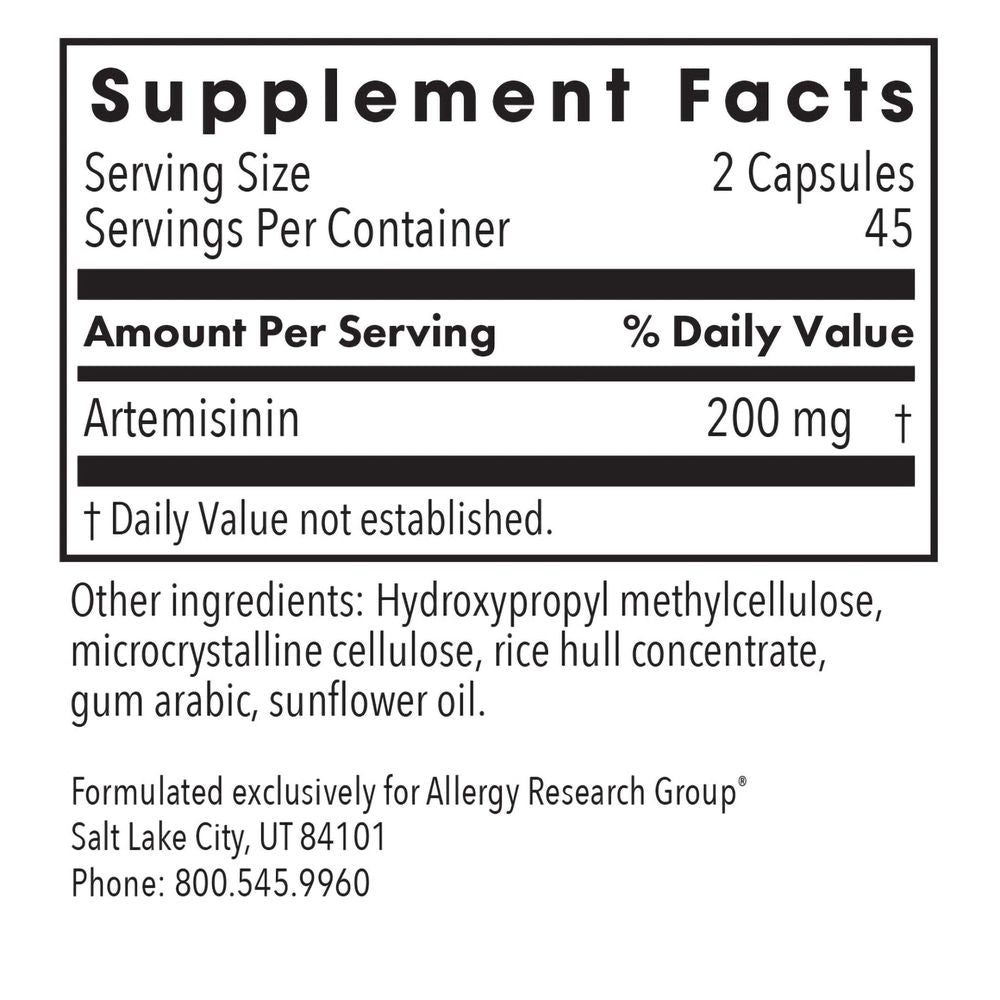
Supplement Facts
Serving Size: 2 Capsules
Servings Per Container: 150
| Amount Per Serving | Amount | |
|---|---|---|
Artemisinin | 200 mg | |
†Daily Value not established. | ||
Common Questions about Artemisinin
Answers are general educational information, not medical advice for your situation.
Artemisinin
By Allergy Research Group
From $230.49 · Save 10% with code MARTYROSS10
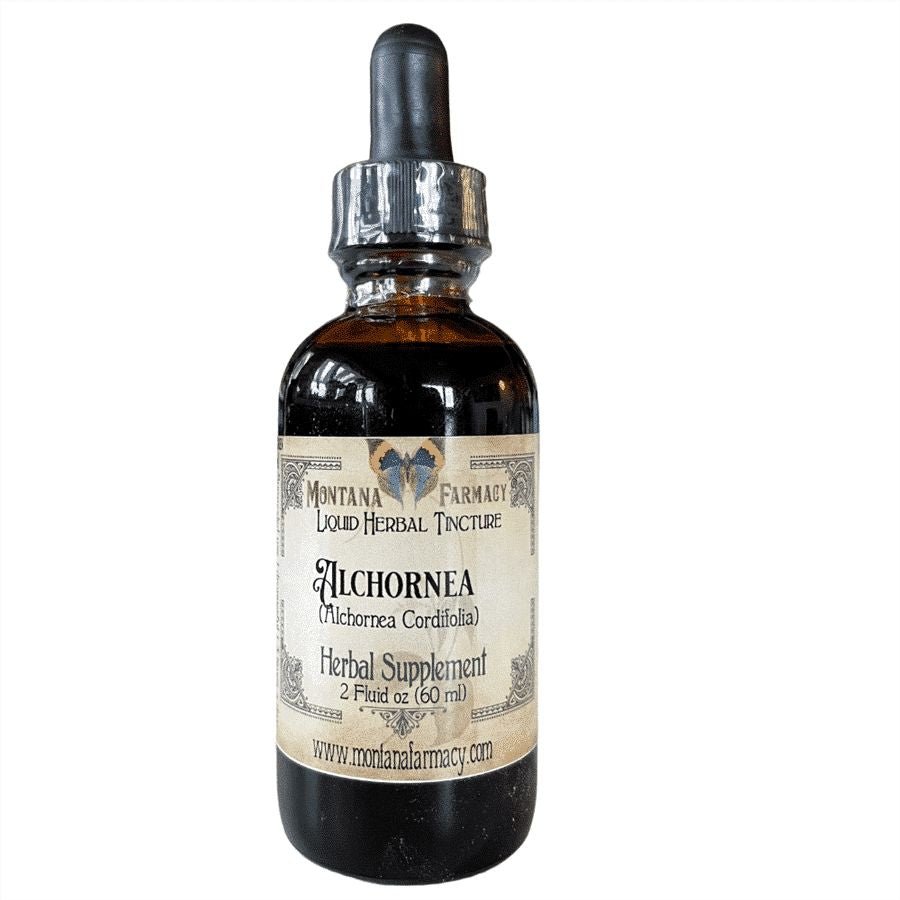
Alchornea
Herb used in the same babesia support territory; sometimes sequenced with artemisinin.