

ongoing support
Immune Defense
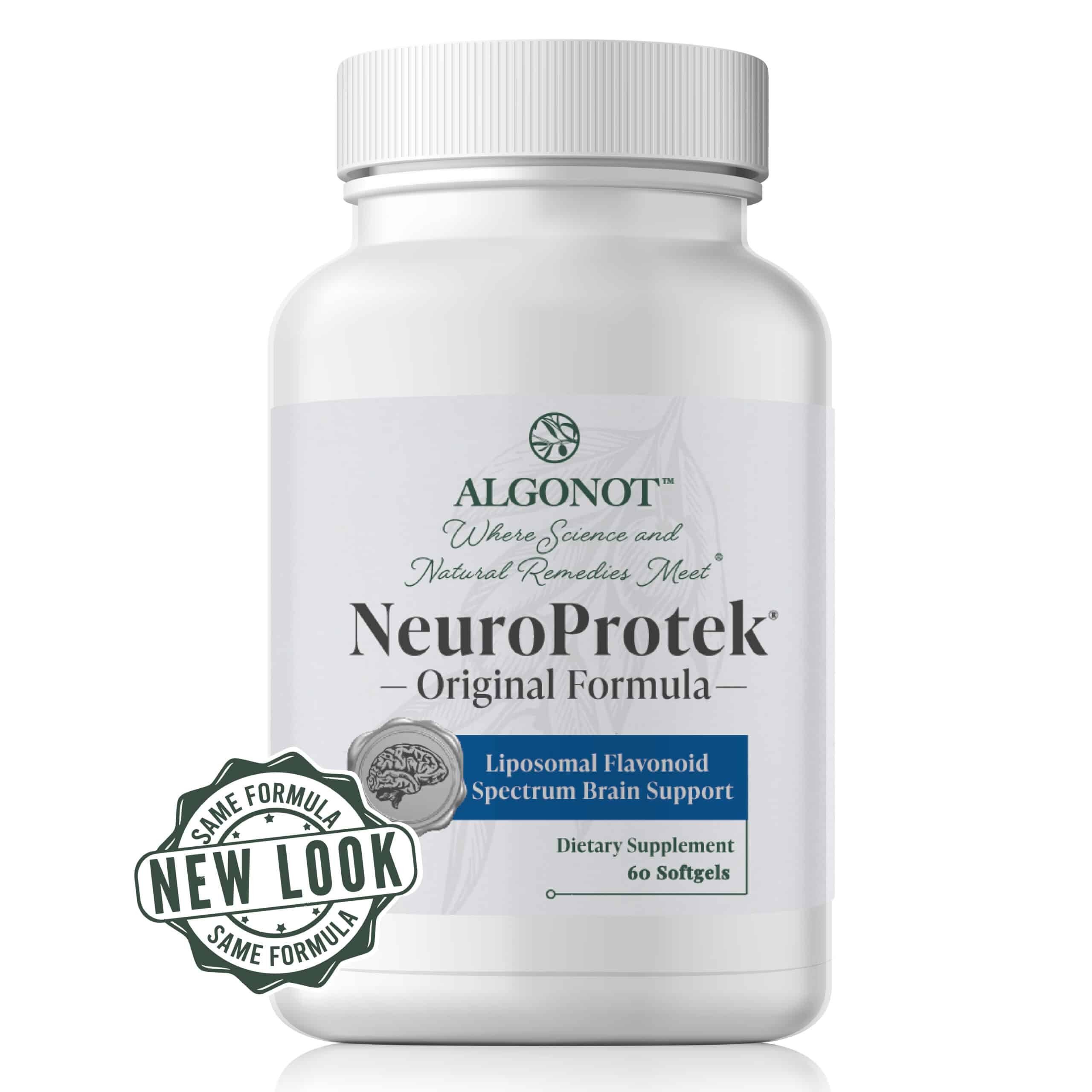
A blend of the flavonoids luteolin, quercetin, and rutin in an olive pomace oil softgel, designed to support healthy histamine levels, a balanced immune response, and mental clarity.



10% off all supplements
Use code at checkout
MARTYROSS10


Opens Femologist.com in a new tab
TreatLyme and Dr. Marty Ross, MD, are affiliated with Femologist. We may earn a commission on purchases made through this link or code.
Quick Facts
Key Ingredients
Calories (unsaturated fatty acids)* 3
Luteolin 100 mg
Third-party Testing

cGMP
NSF Certified
Dietary

Written by

Dr. Marty Ross, MD
Updated
September 24, 2026
Dr. Ross's Expert Review
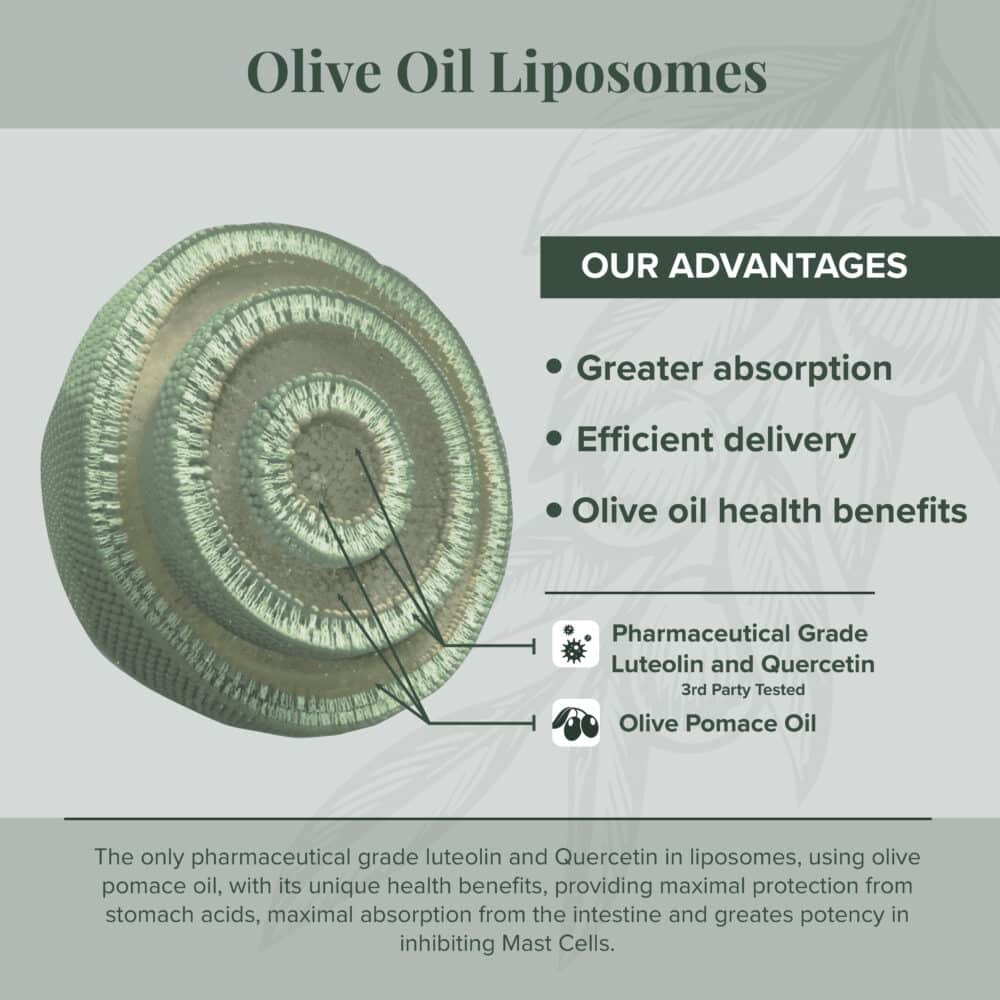
NeuroProtek is one of the products I reach for when someone needs flavonoid support for a healthy histamine response. It combines three flavonoids, luteolin, quercetin, and rutin, in a softgel with olive pomace oil. That oil matters. Flavonoids on their own are poorly absorbed, and the oil base is meant to fix that.
Luteolin is the lead ingredient here. Based on my review of the science, it is one of the better studied flavonoids for supporting healthy histamine levels. In laboratory work, luteolin and quercetin both influence mast cell behavior and histamine release. Rutin rounds out the blend by liberating quercetin in the intestine, which extends the working life of the quercetin in the formula. Here is where the science stands. Much of this work is in vitro or in animals. Human trials are limited. Theory and observation, plus my clinical experience, guide how I use these ingredients. In practice that means I use it most for the sensitive person who has histamine related symptoms and various sensitivities.
Most people tolerate this product well, which is why it has a place in my practice. The ingredients come from citrus seed extract and the sophora plant rather than fava beans or peanut shells, which matters for sensitive people who react to the sourcing used in cheaper formulas. Watch for headaches though. In my experience and in community reports, a small number of people do not tolerate these flavonoids and need a different approach.
I use NeuroProtek most for ongoing support rather than short courses. Healthy histamine balance is built with steady use, so plan on ongoing use and review with your physician how it fits your overall plan.
These statements have not been evaluated by the Food and Drug Administration. This product is not intended to diagnose, treat, cure, or prevent any disease. Dr. Ross has a financial relationship with the Femologist store, where this product is sold.
How I Use It in My Practice
In my practice I start NeuroProtek low and go slow, especially in sensitive people. The suggested use is one softgel up to four times a day, and I find many do well at one softgel once or twice a day, taken with or without food. I raise the dose over a few weeks as tolerated. Some people notice a difference early on. For others it takes longer, steady use, so I counsel patience and keep a written log of symptoms. If headaches or new reactivity show up, I stop it and look for another way to support histamine balance.
This reflects Dr. Ross's clinical experience and is educational, not medical advice. Work with your treating physician before starting, stopping, or changing any supplement or medication.
The Research, in Dr. Ross's Words
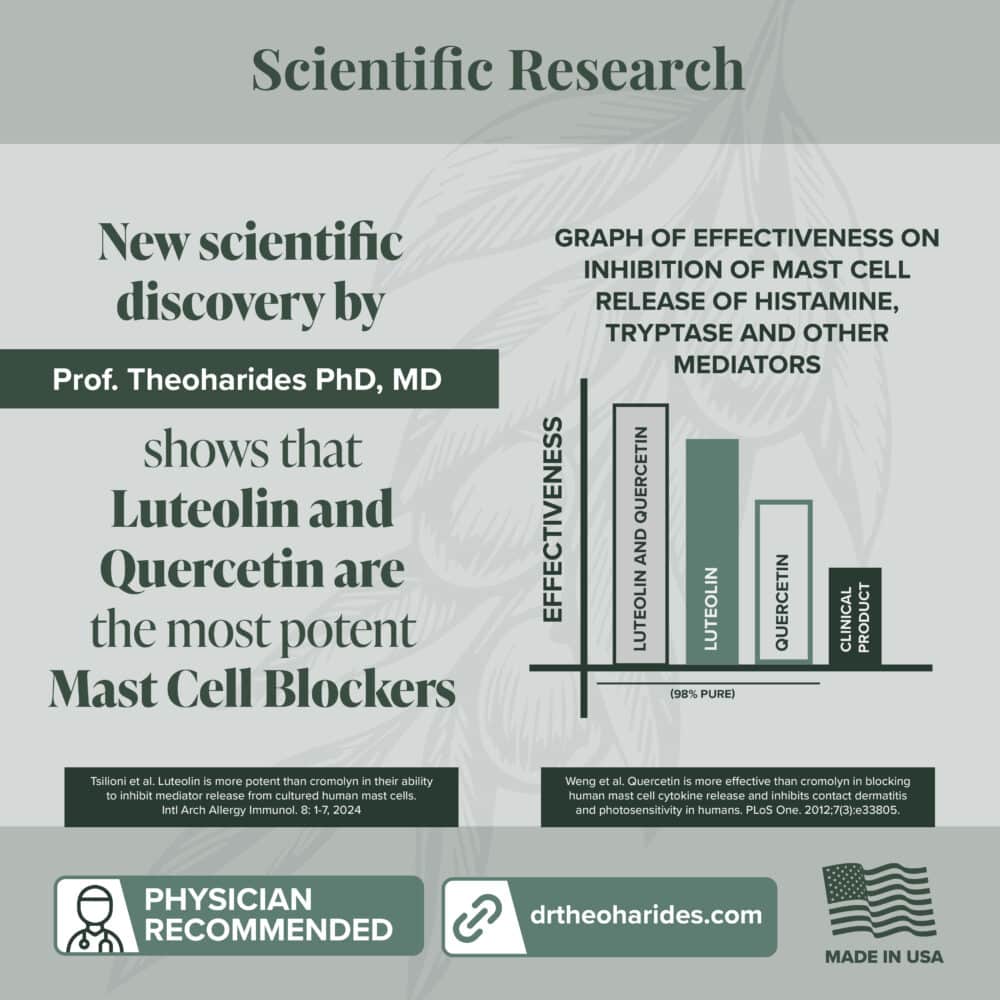
The science behind these flavonoids is consistent on one point: in laboratory settings, quercetin and luteolin both quiet mast cell activation and reduce histamine release. A 2024 quercetin study showed it blocks a mast cell receptor pathway (MRGPRX2) that triggers degranulation. A 2021 luteolin study in rats found it inhibited mast cell degranulation and reduced histamine release during an inflammatory challenge. A 2020 quercetin study in mice found less IgE binding and lower plasma histamine when ovalbumin was conjugated with quercetin. A 2023 review rounds this out, describing luteolin’s effects on mast cells, neutrophils, and other immune cells.
Where the papers agree is the mechanism. Where they are limited is the model: this work is in vitro or in animals, not controlled human trials of this specific product. The cyclodextrin paper on quercetin and rutin adds a practical note on bioavailability, a real issue for flavonoids and the reason this formula uses an oil base. Here is what this does and does not show. These papers support a role for these flavonoids in mast cell behavior. They do not prove this product treats any human condition. Human research is limited, and my decision to use this clinically rests on mechanism of how it works, observation, and my clinical experience.
References
From:
Algonot
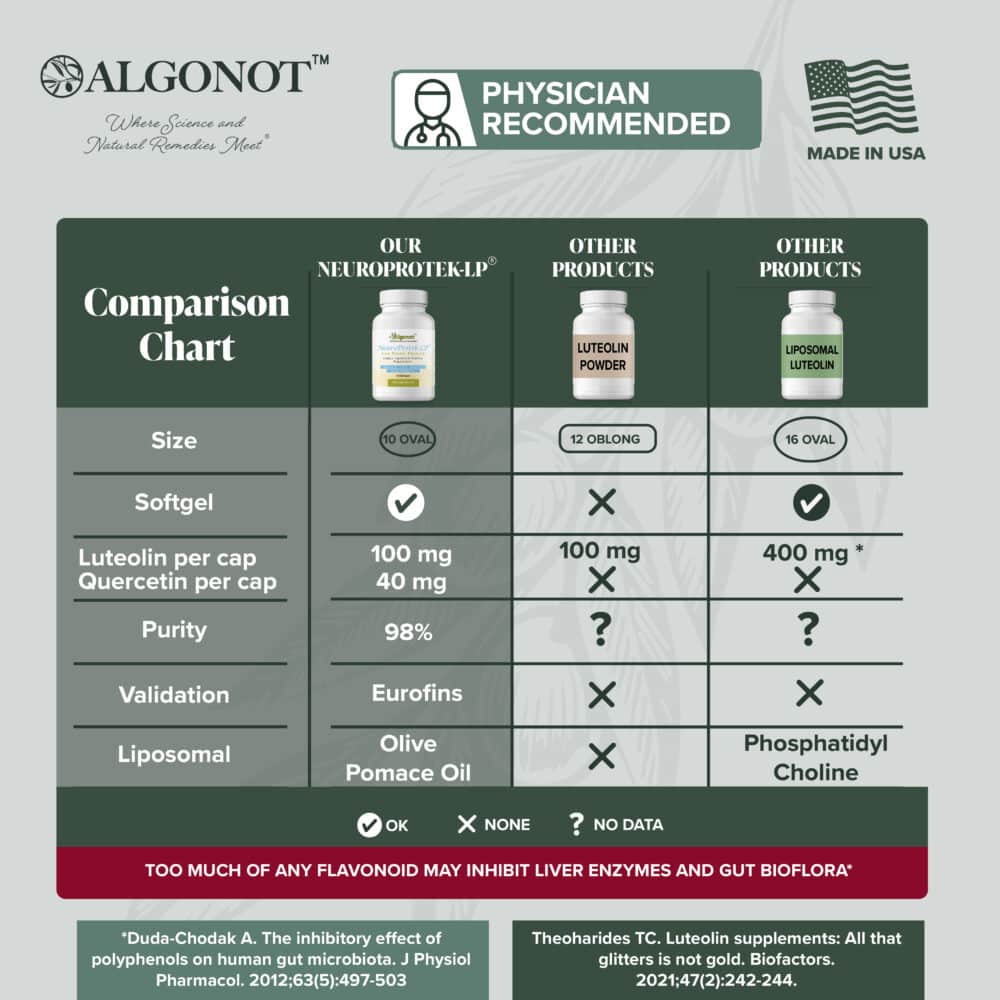
NeuroProtek® is a unique, patented, all-natural oral dietary supplement formulated in softgel capsules, which may support cognitive function, attention and clarity for children and adults. NeuroProtek® is the only liposomal dietary supplement formulated using olive pomace oil, enhancing absorption and providing the well-known benefits of Mediterranean olives.
Directions of Use
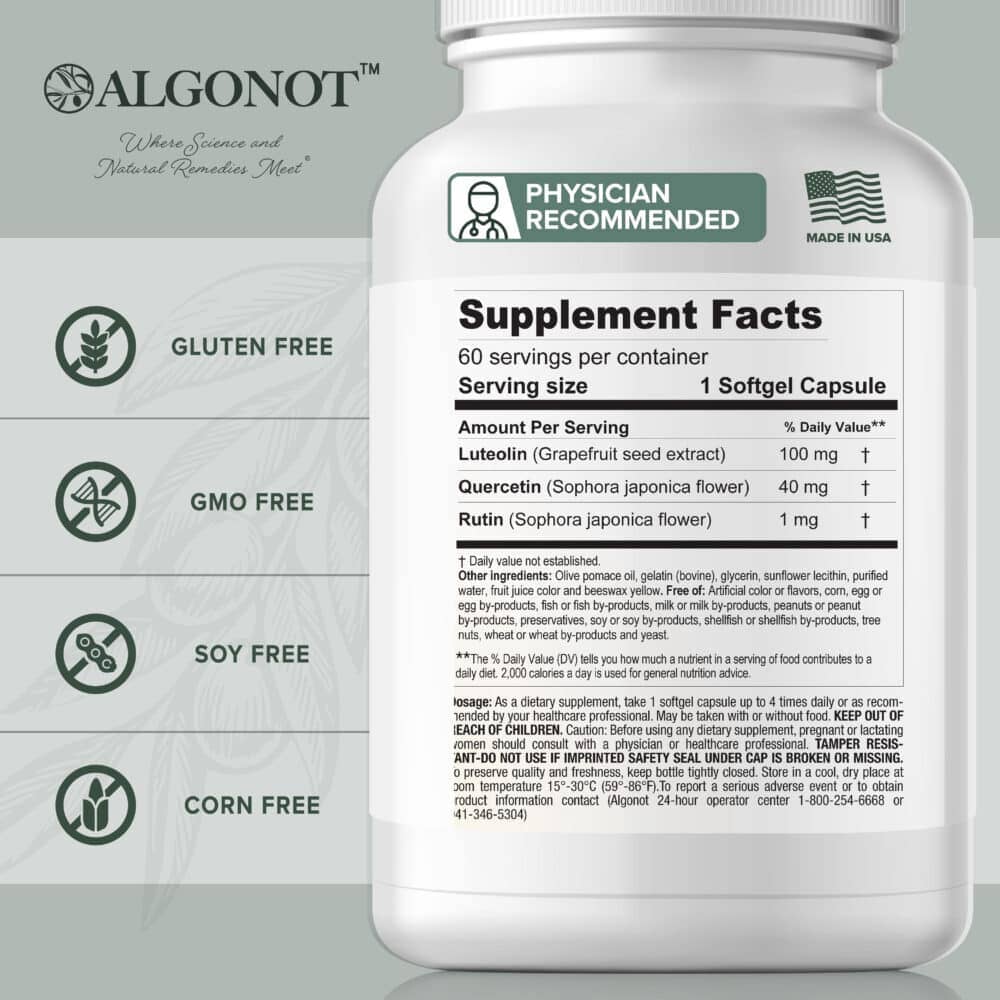
Take 1 softgel up to 4 times daily or as recommended by your healthcare professional. May be taken with or without food.
Does not contain
artificial-colors-or-dyes
artificial-flavors-or-sweeteners
casein
corn
eggs
fish
gluten
glyphosate
heavy-metals
milk
peanuts
preservatives
salt
shellfish
soy
starch
tree-nuts
wheat
yeast
Keep out of the reach of children. Pregnant or lactating women should consult with a physician or healthcare provider.
Excerpted from Algonot's product information. These statements have not been evaluated by the Food and Drug Administration.
Supplement Facts
Serving Size: 1 Softgel Capsule
Servings Per Container: 60
| Amount Per Serving | Amount | |
|---|---|---|
Calories (unsaturated fatty acids)* | 3 | |
Luteolin | 100 mg | |
Quercetin | 70 mg | |
Rutin | 30 mg | |
*45% Volume Olive Pomace Oil
Percent Daily Values are based on a 2,000 calorie diet.
‡Daily Value not established. | ||
Common Questions about NeuroProtek
Answers are general educational information, not medical advice for your situation.
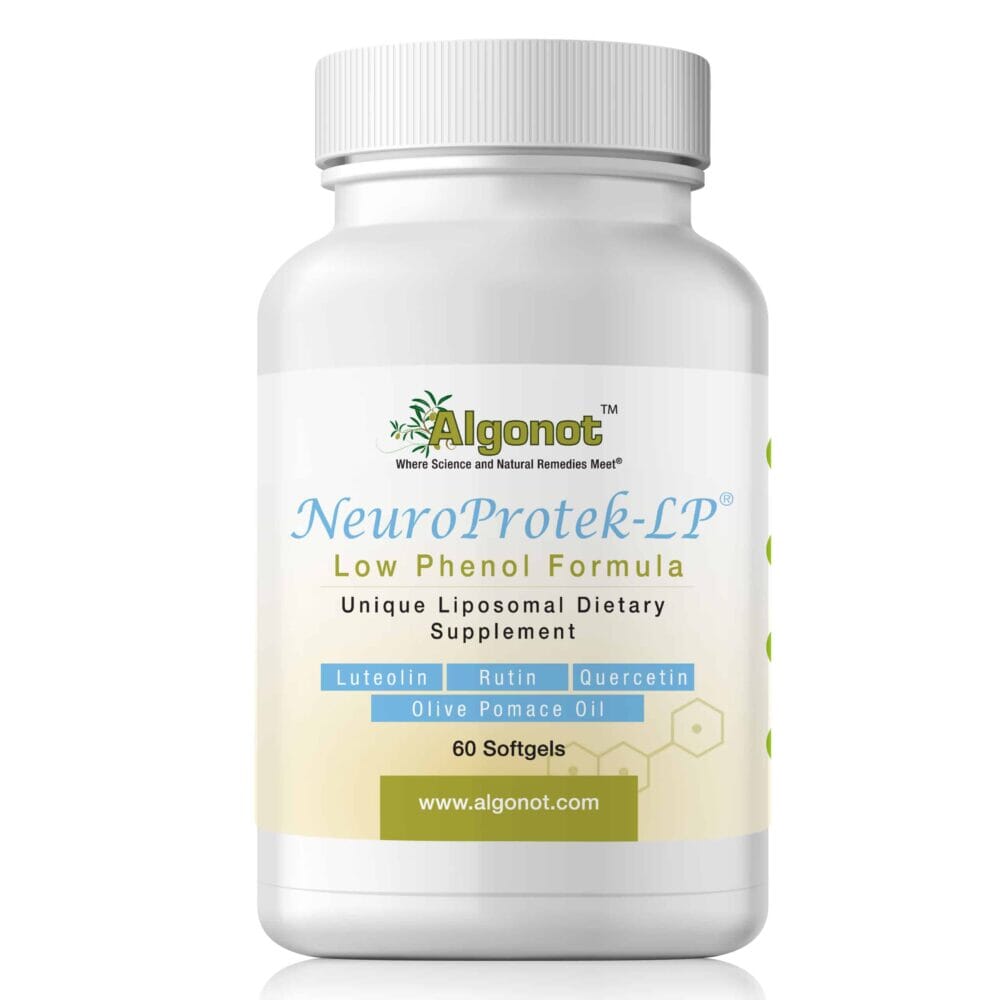
NeuroProtek
By Algonot
From $45.00 · Save 10% with code MARTYROSS10
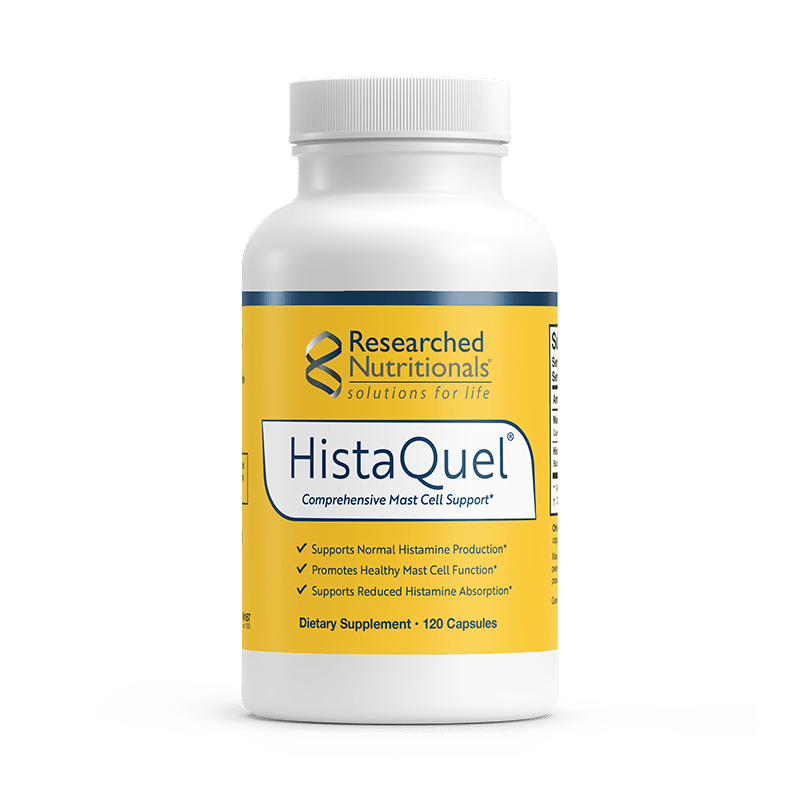


Zinc Picolinate
Quercetin-based option; a comparison point for flavonoid absorption formats.
Quercetin Phytosome
Immune Defense mineral; a common companion in ongoing immune support.
