
ongoing support
Nervous System & Stress
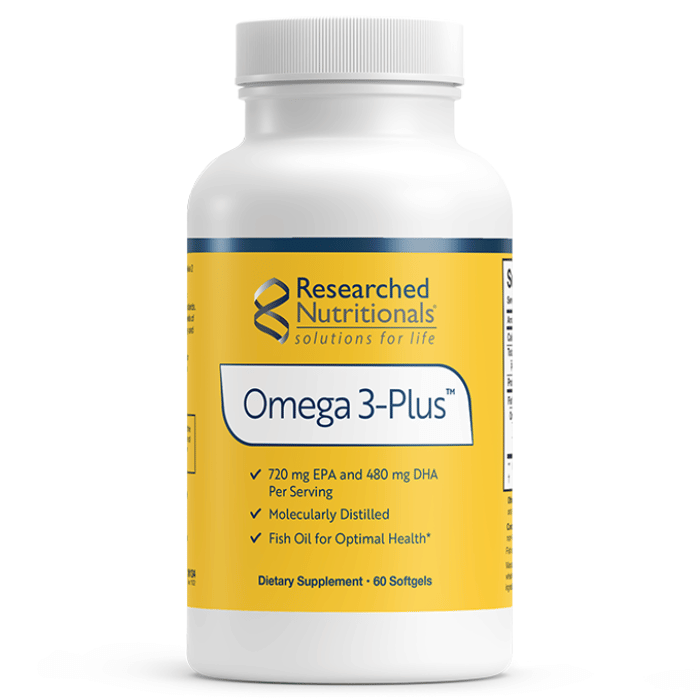
Molecularly distilled fish oil from Researched Nutritionals delivering 720 mg EPA and 480 mg DHA per serving, batch tested free of heavy metals and contaminants. Supports heart health, brain function, and healthy inflammation levels.



10% off all supplements
Use code at checkout
MARTYROSS10


Opens Femologist.com in a new tab
TreatLyme and Dr. Marty Ross, MD, are affiliated with Femologist. We may earn a commission on purchases made through this link or code.
Quick Facts
Key Ingredients
Calories 20
Total Fat 2 g
Third-party Testing
Dietary

GMO-free

Written by

Dr. Marty Ross, MD
Updated
September 24, 2026
Dr. Ross's Expert Review
Fish oil is one of the quiet foundation supplements I keep people on long term, and the deciding factor for me in product selection is purity. Omega-3 Plus is molecularly distilled under high vacuum, and each batch is tested to confirm it is free of heavy metals and other contaminants.
The dose is meaningful: 720 mg of EPA and 480 mg of DHA per two softgels, taken with food. EPA and DHA are the two omega-3 fats with the deepest research record, tied to cardiovascular function, cognitive health, and balancing inflammation. The mechanism work points to specialized pro-resolving mediators, which is a more precise way of saying these fats help the body wind inflammation down rather than just blocking it.
Large cardiovascular trials and meta-analyses have been mixed, with some showing dose-dependent benefit and others showing little, and network analysis suggesting the EPA-heavy preparations fare best. One study in people with coronary artery disease found high-dose EPA and DHA slowed measures of cognitive aging.
In my practice omega-3s are ongoing support, part of the terrain work alongside diet. If someone is on blood thinners, they should discuss using fish oil with their prescribing physician first. Pregnant or nursing patients ask their health care professional before use.
These statements have not been evaluated by the Food and Drug Administration. This product is not intended to diagnose, treat, cure, or prevent any disease. Dr. Ross has a financial relationship with the Femologist store, where this product is sold.
How I Use It in My Practice
I use Omega-3 Plus as ongoing foundational support, mostly for people where I want better inflammation balance, cardiovascular support, or cognitive protection. Two softgels with a meal is my usual dose, and I keep it steady rather than cycling it. I lean toward products like this one because the molecular distillation and per-batch contaminant testing decrease rancidity and heavy metal concerns. If you are on blood thinners discuss this with your prescriber and if you are pregnant, discuss with your OB care team.
This reflects Dr. Ross's clinical experience and is educational, not medical advice. Work with your treating physician before starting, stopping, or changing any supplement or medication.
The Research, in Dr. Ross's Words
The omega-3 literature is large, but uneven. Reviews and meta-analyses report dose-dependent cardiovascular effects of EPA and DHA, with lower triglycerides and attenuated inflammatory and oxidative responses, and a network meta-analysis ranked pure EPA preparations best for secondary prevention of major cardiovascular events. An update in Nutrients quantified a modest protective effect that grows with dose. Yet other meta-analyses, including one on coronary revascularization and cardiovascular events, found limited effects. When well-run analyses disagree, I assume the true effect is real but smaller and more condition-specific than enthusiasts claim.
The mechanistic papers are more consistent. EPA and DHA modulate monocyte inflammatory responses and act through specialized pro-resolving lipid mediators, which fits what I want from an anti-inflammatory foundation. On cognition, one study of 3.36 g daily EPA and DHA in people with coronary artery disease reported slower cognitive aging over time, an encouraging but single-population result. This is a strong foundation nutrient with genuinely mixed research outcome data.
References
From:
Researched Nutritionals
Omega-3 Plus™ contains 720 mg EPA and 480 mg DHA per serving and is processed utilizing high vacuum molecular distillation. This more expensive processing guarantees the highest purity EPA/DHA available. Each batch is subjected to stringent testing to ensure every soft gel is free of heavy metals or other contaminants.
Directions of Use
As a dietary supplement, take two soft gels daily with food or use as directed by your healthcare professional.
Does not contain
If pregnant or nursing, consult your health care professional before use.
Excerpted from Researched Nutritionals's product information. These statements have not been evaluated by the Food and Drug Administration.
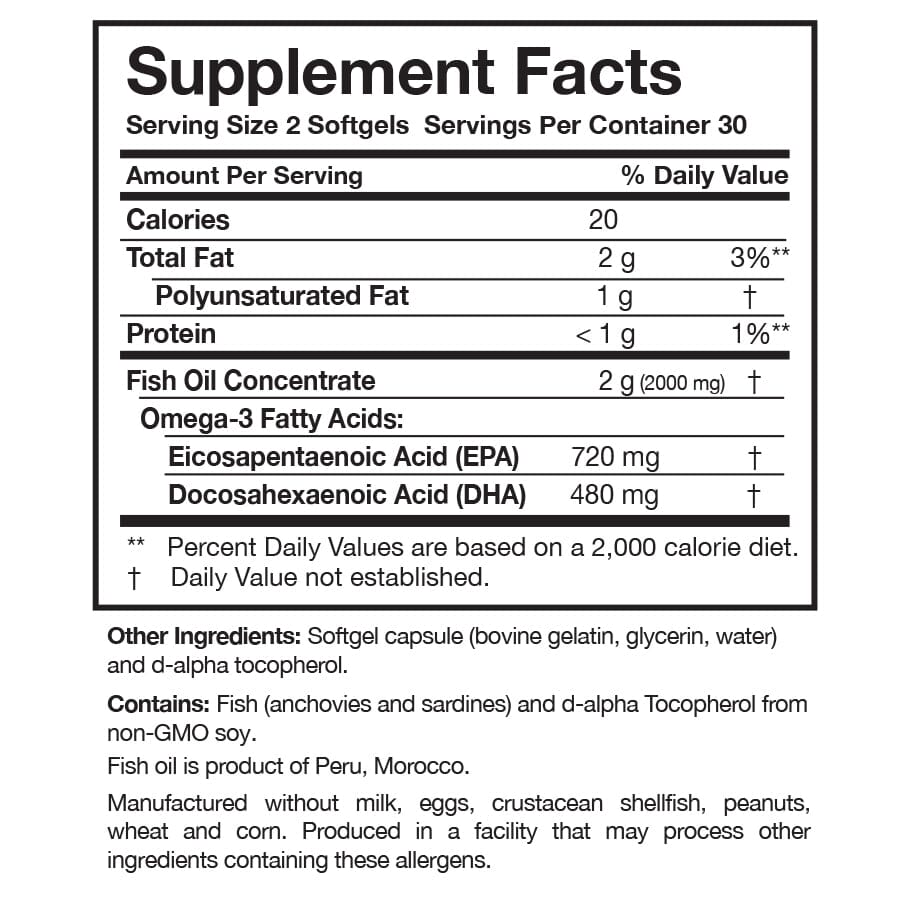
Supplement Facts
Serving Size: 2 Softgels
Servings Per Container: 30
| Amount Per Serving | Amount | |
|---|---|---|
Calories | 20 | |
Total Fat | 2 g | |
Polyunsaturated Fat | 1 g | |
Protein | <1 g | |
Fish Oil Concentrate | 2 g (2000 mg) | |
Eicosapentaenoic Acid (EPA) | 720 mg | |
Docosahexaenoic Acid (DHA) | 480 mg | |
Common Questions about Omega-3 Plus
Answers are general educational information, not medical advice for your situation.
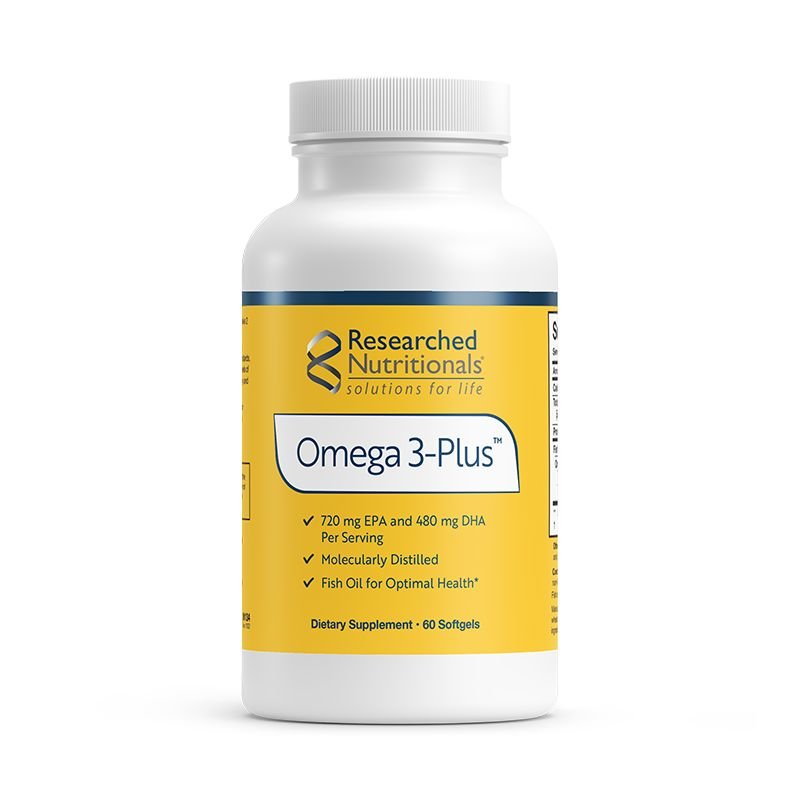
Omega-3 Plus
By Researched Nutritionals
From $20.98 · Save 10% with code MARTYROSS10