


Bartonella Support
Biofilm Disruptors
Pain Support
High-potency earthworm-derived fibrinolytic enzymes from Researched Nutritionals delivering 880,000 IU per serving in delayed-release capsules that support healthy fibrin breakdown and blood flow.




Opens Femologist.com in a new tab
TreatLyme and Dr. Marty Ross, MD, are affiliated with Femologist. We may earn a commission on purchases made through this link or code.
Quick Facts
Key Ingredients
Lumbrokinase 22 mg
Third-party Testing
Dietary

Non-GMO

Vegan

Written by

Dr. Marty Ross, MD
Updated
November 6, 2026
Dr. Ross's Expert Review
Lumbrokinase is an enzyme mix extracted from earthworms. It works on fibrin, the protein the body uses for clotting, and it interests me for two problems I see often in practice: the theory of biofilms and sticky blood.
Biofilms are slimy layers where germs hunker down, held together in part by fibrin protein. In theory, an enzyme that breaks down fibrin loosens that structure. I am candid that no study proves this happens in tick-borne illness. My clinical observation is that some people do better with it as part of a broader regimen, and some report temporary die-off-like reactions early on; the mechanism is not proven.
Sticky blood is the other reason. In some chronic health situations, small fibrin deposits can collect on blood vessel linings and slow flow through the smallest vessels. Some people describe crampy muscle discomfort with this. Lumbrokinase is studied in lab research for its fibrinolytic activity, meaning its effects on fibrin.
This product is the high-potency form: 22 mg of lumbrokinase delivering 880,000 IU per two-capsule serving, in a delayed-release capsule that protects the enzymes through stomach acid so they arrive in the small intestine intact.
One more thing I watch for: quality. Some products sold as lumbrokinase are just ground-up earthworms and may not be effective. Use an extract from Lumbricus rubellus. This one is.
Work with your physician on where this fits in a full regimen.
These statements have not been evaluated by the Food and Drug Administration. This product is not intended to diagnose, treat, cure, or prevent any disease. Dr. Ross has a financial relationship with the Femologist store, where this product is sold.
How I Use It in My Practice
I use this one when someone needs stronger fibrin support than the lower-dose options give. My usual approach is 2 capsules once or twice a day, away from food, with a full glass of water, an hour apart from food, supplements, and medicines on both sides, because enzymes work best on an empty stomach. In the first week or two I watch for die-off reactions, and if they land hard I lower the dose for a while. I stop it one week before any surgery, and it does not belong in anyone with a bleeding condition. If someone takes blood thinners, their prescribing physician needs to be in the room on this decision.
This reflects Dr. Ross's clinical experience and is educational, not medical advice. Work with your treating physician before starting, stopping, or changing any supplement or medication.
The Research, in Dr. Ross's Words
In my research review, the science for lumbrokinase rests on a narrow, real point: these enzymes break down fibrin. The 1991 Japanese physiology paper described the original extraction of a novel fibrinolytic enzyme from the earthworm Lumbricus rubellus. A 2010 study showed these enzymes and their fragments can cross the intestinal wall, which is the practical reason an oral capsule can work at all. A 2013 review of recombinant production methods shows active research interest in making these enzymes at scale.
Two newer papers extend the picture. A 2023 lab study found lumbrokinase interfered with fibroblast migration and adhesion through a specific cell-signaling pathway. A 2025 meta-analysis pooled the trial data on lumbrokinase in acute ischemic stroke, which tells me researchers take the fibrin mechanism seriously in clot-side medicine.
What the science does not show is lumbrokinase dissolving biofilms in a person. The biofilm idea is theory plus my clinical observation, and that gap is exactly why I use it as one part of a broader regimen and watch what actually changes for the person in front of me.
References
From:
Researched Nutritionals
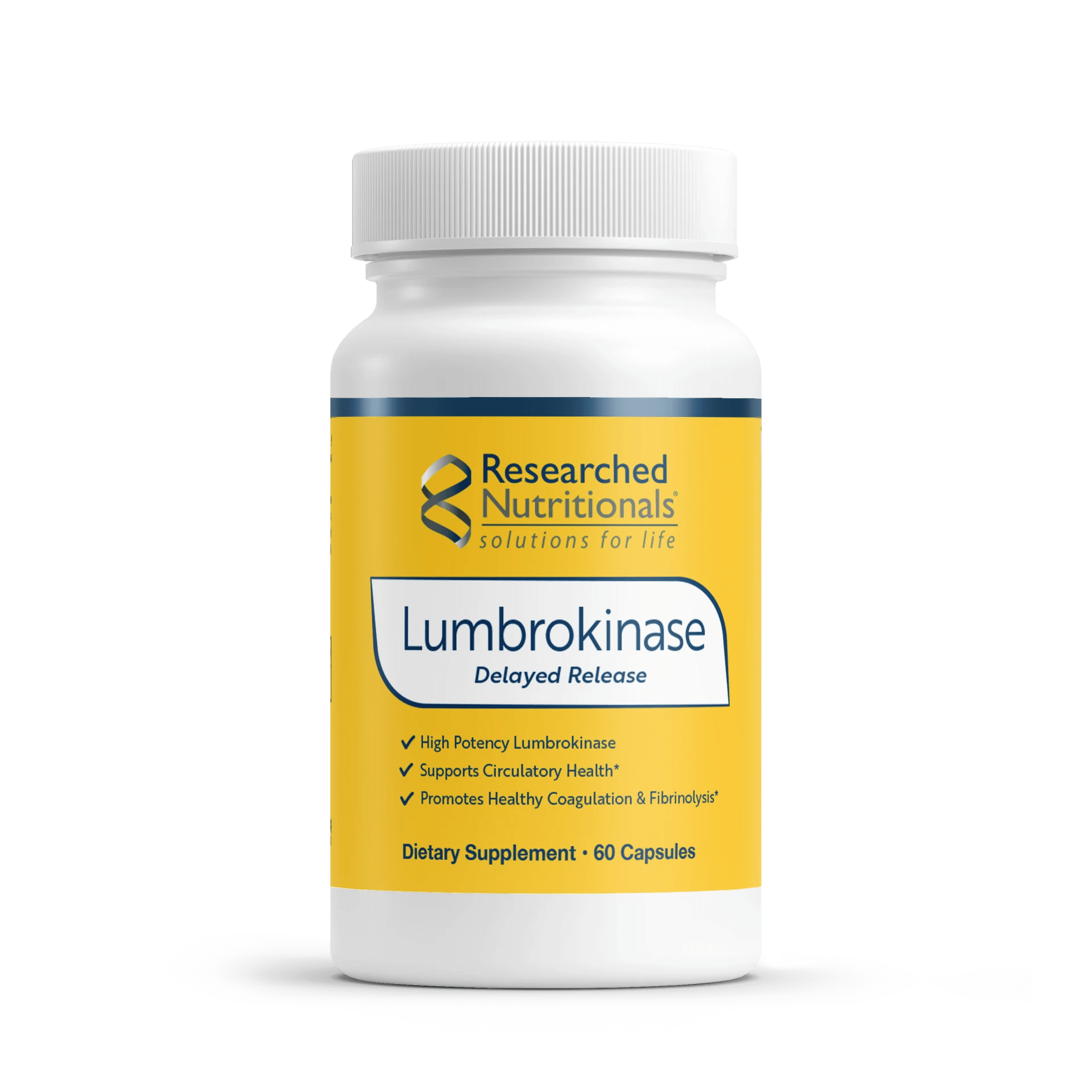
High-potency (880,000 IU/serving), delayed-release lumbrokinase to support circulatory health and promote balanced coagulation and fibrinolysis. Lumbrokinase, through its enzymatic activity, promotes healthy blood flow, circulation and normal clotting function.
Directions of Use
As a dietary supplement, take 2 capsules, 1 or 2 times daily, away from food, or as directed by your healthcare professional.
Does not contain
corn
crustacean-shellfish
eggs
fish
gluten
milk
peanuts
sesame
soy
tree-nuts
wheat
Consult your physician before taking this supplement if you are pregnant or nursing, at a high risk for bleeding, or are taking any anticoagulant or blood thinning medications. Product should not be taken for 1 week prior or 2 weeks following surgery.
Excerpted from Researched Nutritionals's product information. These statements have not been evaluated by the Food and Drug Administration.
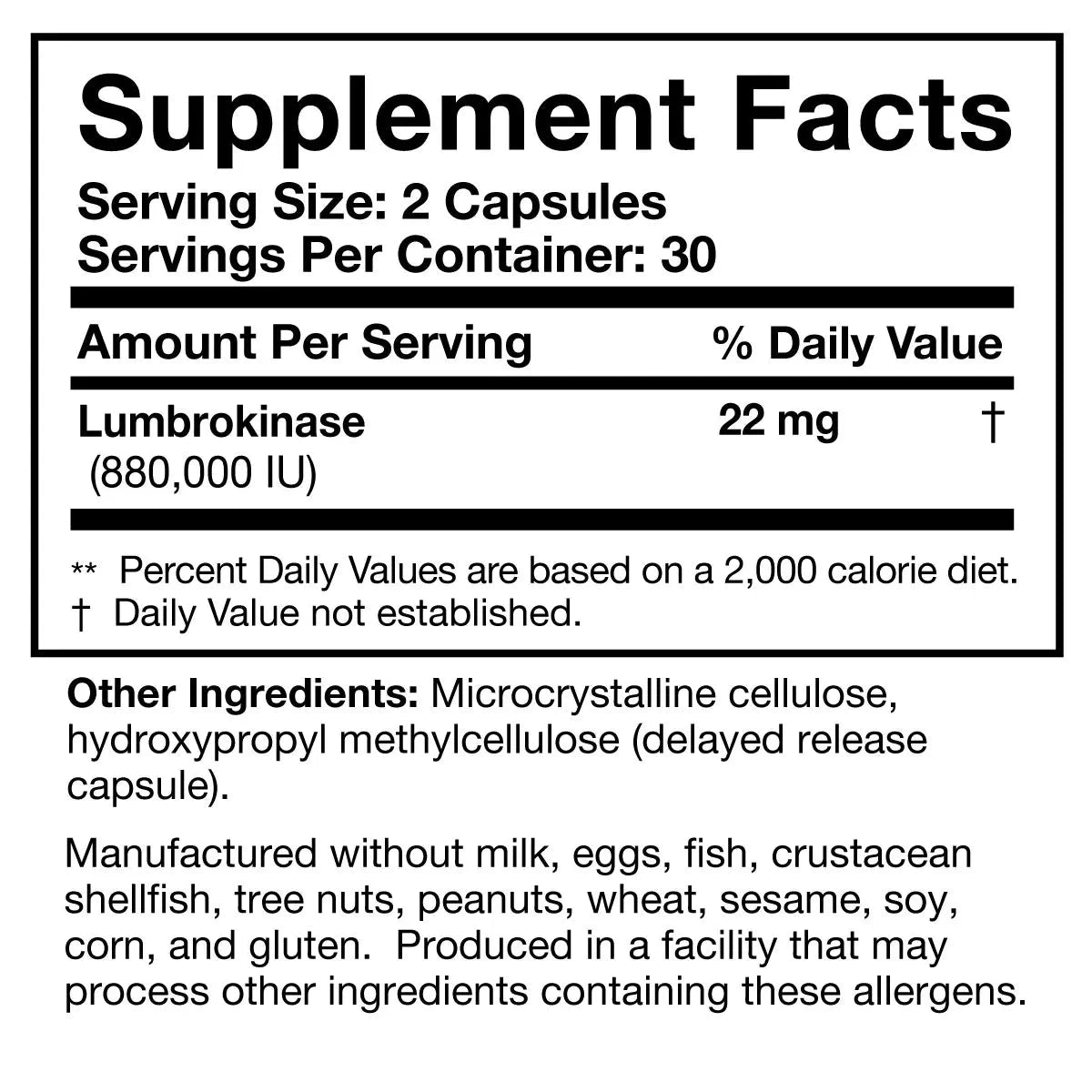
Supplement Facts
Serving Size: 2 Capsules
Servings Per Container: 30
| Amount Per Serving|% Daily Value | Amount | |
|---|---|---|
Lumbrokinase 880,000 IU | 22 mg | |
NA | ||
Common Questions about Lumbrokinase Delayed Release
Answers are general educational information, not medical advice for your situation.
Lumbrokinase Delayed Release
By Researched Nutritionals
From $84.98 · Save 10% with code
Lumbrokinase Delayed Release
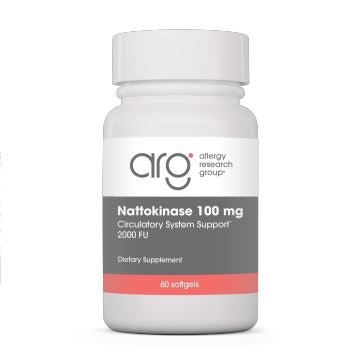
The lower-potency Allergy Research Group lumbrokinase option.


Boluoke
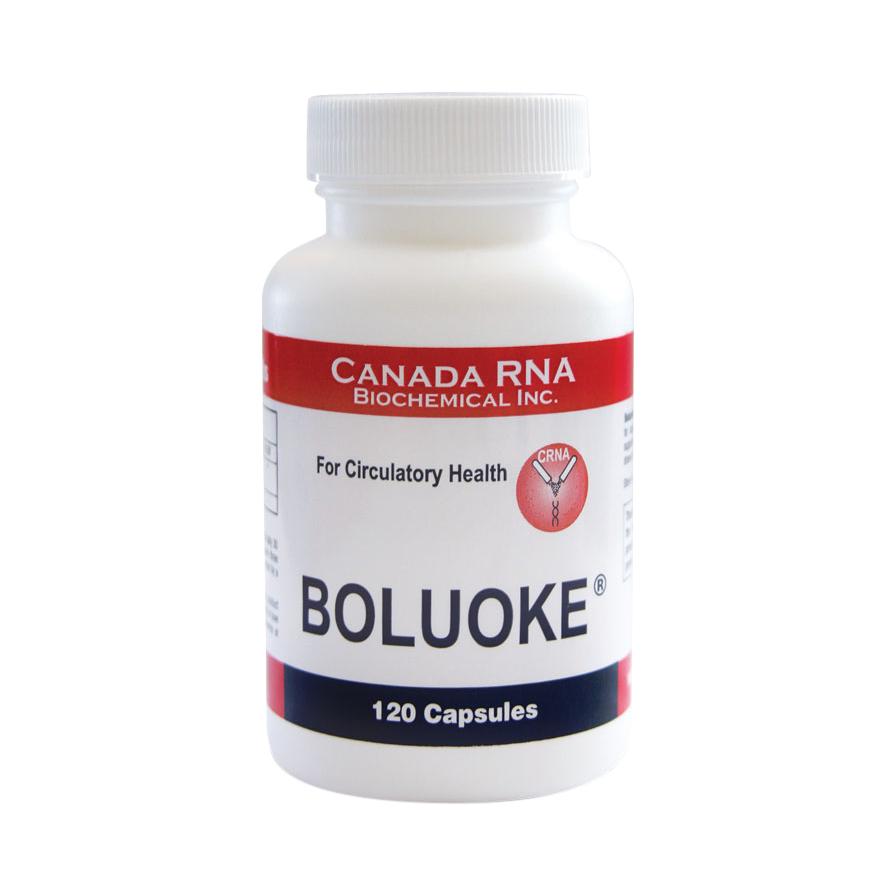
Canada RNA’s lumbrokinase, the other fibrin-focused enzyme in the Biofilm Disruptors category.
Guide
Lumbrokinase in Fibrin-germ Nests plus Biofilms in Tick-borne Diseases
Dr. Ross’s guide covering this enzyme, fibrin, sticky blood, and biofilm support.

Guide
The Ultimate Bartonella Management Guide
Bartonella regimens where fibrin and biofilm support fit.
Guide
Biofilm Gated Communities
How biofilms are held together by fibrin, and where enzyme support fits.