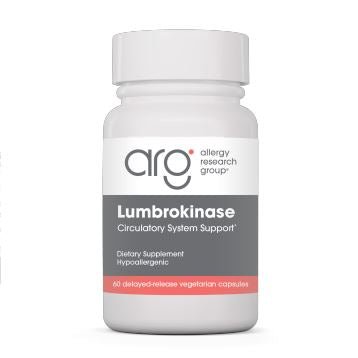


Biofilm Disruptors
Pain Support
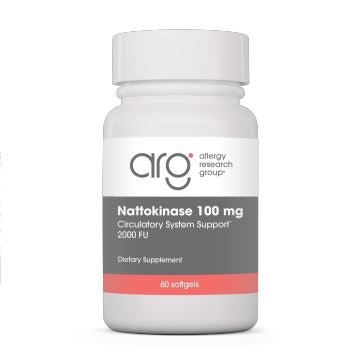
Soy-derived fibrinolytic enzyme from Allergy Research Group delivering 100 mg (2000 FU) of NSK-SD nattokinase per softgel, free of vitamin K2, to support healthy fibrin breakdown and blood flow.




Opens Femologist.com in a new tab
TreatLyme and Dr. Marty Ross, MD, are affiliated with Femologist. We may earn a commission on purchases made through this link or code.
Quick Facts
Key Ingredients
Nattokinase NSK-SD® (soy) 100 mg
Third-party Testing
Dietary

Non-GMO

Written by

Dr. Marty Ross, MD
Updated
November 6, 2026
Dr. Ross's Expert Review
Nattokinase is an enzyme made by the bacterium that ferments soybeans into natto, a traditional Japanese food. Like lumbrokinase, it works on fibrin, the protein the body uses for clotting, and I reach for it for the same two reasons: the theory of biofilms and sticky blood.
On biofilms: germs hunker down in slimy layers held together in part by fibrin protein. In theory, an enzyme that breaks down fibrin loosens that structure. No study proves this happens in tick-borne illness; that is theory plus my clinical observation.
On sticky blood: in some chronic health situations, small fibrin deposits can collect on blood vessel linings and slow flow through the smallest vessels. Nattokinase is studied in lab and human research for its fibrinolytic activity, meaning its effects on fibrin, and it is the more affordable enzyme option I keep in mind.
Two practical points. First, this one is made with NSK-SD, the patented nattokinase ingredient, and it is free of vitamin K2. That matters to me because K2 pushes clotting chemistry the other way, and I do not want it mixed into enzyme work. Second, it is a soy-derived product; the softgel carries soybean oil and lecithin, so it is not for anyone avoiding soy.
Work with your physician on where this fits in a full regimen.
These statements have not been evaluated by the Food and Drug Administration. This product is not intended to diagnose, treat, cure, or prevent any disease. Dr. Ross has a financial relationship with the Femologist store, where this product is sold.
How I Use It in My Practice
I use nattokinase as the gentler, lower-cost enzyme option when someone needs ongoing fibrin support. My usual approach is 1 softgel once or twice a day with a full glass of water, away from food, an hour apart from meals, supplements, and medicines on both sides. When someone needs more fibrin work than nattokinase delivers, I move to lumbrokinase instead of stacking doses. It does not belong in anyone with a bleeding condition, and anyone on anticoagulants needs their prescribing physician in the room on this decision.
This reflects Dr. Ross's clinical experience and is educational, not medical advice. Work with your treating physician before starting, stopping, or changing any supplement or medication.
The Research, in Dr. Ross's Words
The research on nattokinase centers on fibrin and clotting chemistry. The largest human study I have seen is a 2022 clinical study with 1,062 participants that looked at nattokinase in atherosclerosis and high lipids and reported changes in the progression markers it measured. A 2023 systematic review and meta-analysis of randomized controlled trials pooled the data on cardiovascular risk factors. A 2017 review made the case for nattokinase as an oral antithrombotic candidate, and a 2024 review rounds up the fibrinolytic, antithrombotic, anti-inflammatory, and antioxidant effects reported in the literature.
I read all of this the same way I read the lumbrokinase science: the fibrin mechanism is real and documented. What is not documented is nattokinase dissolving biofilms in a person with tick-borne illness. That is theory and my clinical observation. This is why I use it as one part of a broader regimen rather than a standalone fix, and why I give people the honest limits of the science when they ask.
References
From:
Allergy Research Group
NSK-SD® is free of vitamin K2, backed by multiple patents and clinical research. Available in 100 mg (2000 FU) and 50 mg (1000 FU) strengths.
Directions of Use
As a dietary supplement, take 1 softgel two times daily or as directed by a healthcare practitioner. Take with 8 to 10 ounces of water.
Does not contain
vitamin-k2
If you are pregnant or lactating, have any health condition or are taking any medication, consult your healthcare practitioner before use. Use under medical supervision if taking anticoagulant drugs. Do not use in any condition associated with bleeding. Store in a cool, dry place, tightly capped, away from light. Keep out of the reach of children. Use only if safety seal is intact. Variations in product color may occur.
Excerpted from Allergy Research Group's product information. These statements have not been evaluated by the Food and Drug Administration.
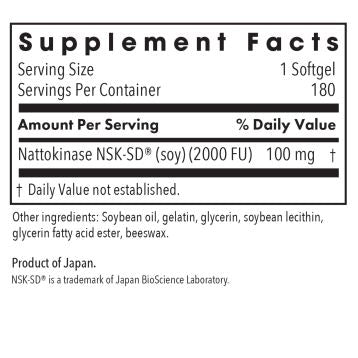
Supplement Facts
Serving Size: 1 Softgel
Servings Per Container: 60
| Amount Per Serving|%Daily Value | Amount | |
|---|---|---|
Nattokinase NSK-SD® (soy) 2000 FU | 100 mg | |
†Daily Value not established. | ||
Common Questions about Nattokinase
Answers are general educational information, not medical advice for your situation.
Nattokinase
By Allergy Research Group
From $48.99 · Save 10% with code
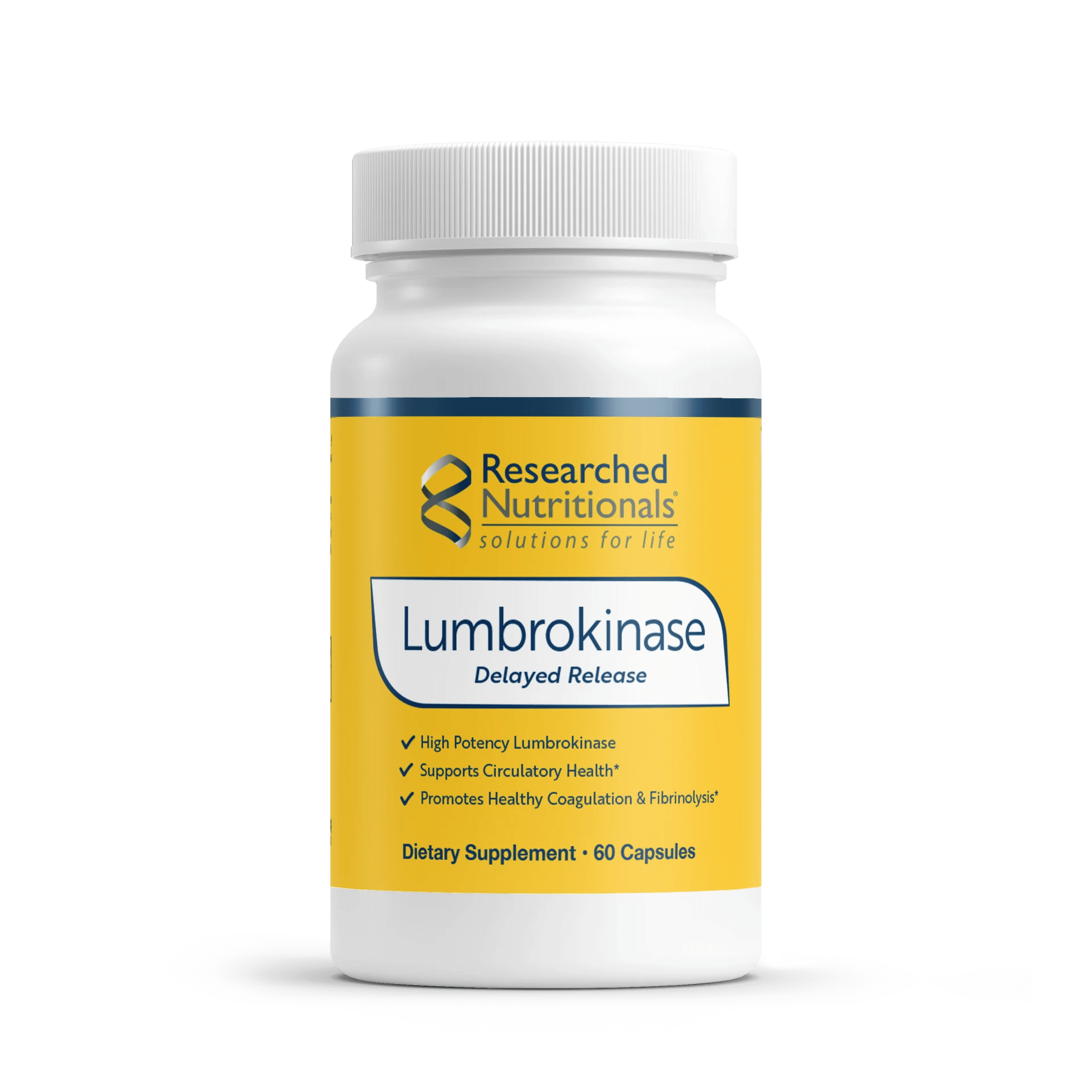
Lumbrokinase Delayed Release
The stronger high-potency enzyme option for fibrin-focused support.