

Updated:
June 10, 2026
Your Sleep Roadmap
Why Sleep Matters
Sleep is not optional. It is your body’s most powerful tool for
- healing chronic Lyme disease,
- regulating immune function and cytokine inflammation,
- supporting brain detoxification,
- improving energy,
- integrating and balancing emotions,
- improving thinking and memory,
- regulating the autonomic nervous system, and
- healing brain injury from trauma or infections.
Research scientist and sleep expert Matthew Walker, PhD, author of the bestselling book Why We Sleep, makes a compelling case that sleep is the most important biological process for optimal health and longevity. His insights align closely with what I see in practice: patients do not fully recover from tick-borne infections until sleep improves.
Sleep is Elusive for Many with Lyme
In chronic tick-borne infections, often sleep is hard to come by.
- Excess inflammation chemicals called cytokines interfere with the sleep centers of the brain, making it hard to start and maintain sleep.
- Pain, anxiety, depression, and hormonal imbalances caused by Lyme and tick-borne diseases conspire to keep people awake.
- Sleep apnea and restless leg syndrome, unrelated to tick-borne infections, get in the way.
Sleep is Possible—without Sedative Drugs or Herbs
Fortunately, key sleep promoting lifestyle changes, cognitive behavioral therapy for sleep, wearable technology, and cytokine lowering supplements provide effective sleep solutions.
- In this guide, I summarize the key findings and sleep strategies from Why We Sleep and introduce science-backed wearables like the Oura Ring and Apollo Neuro that can dramatically improve your sleep and recovery.
To provide the best quality and health enhancing sleep, this article focuses on lifestyle and behavioral modifications with natural sleep promoting technologies.
- While drugs and herbal sleep aids may help to sedate people, it is not clear they provide the full range of health benefits that natural sleep produces.
- The only exception is using melatonin that can reset circadian rhythms and sleep due to travel or sleep-wake cycle shifts related to shift work or other types of sleep-wake cycle disturbances.
You can find more information about supplements and prescription sleep medicines in the following articles.
However, I strongly recommend, you start with the methods I recommend in this article first. Resort to the natural sleep aids or sleep RXs only as a last resort when the strategies I discuss below do not work.
Marty Ross, MD Discusses Sleep Strategies
Watch Dr. Ross as he discusses lifestyle strategies, wearable technologies, and cognitive behavioral therapy approaches for sleep.
Why Sleep Lifestyle Matters
The circadian rhythm and related melatonin surge tell the brain it is time for sleep. Blue light sets your sleep circadian rhythm. In response to the loss of day light at nightfall, your pineal gland in the brain releases melatonin about 2 hours after sunset. Melatonin sets the stage for sleep to start through its effect on the superchiasmatic nucleus sleep center in the brain.
- Limiting blue light at night allows natural sleep circadian rhythm melatonin surges to initiate sleep. Bright evening lights, especially blue lights from cell phones, tablets and computers release blue light. This blue light interferes with the right timing of melatonin surge that tells the brain to sleep. After dusk, limiting blue light by avoiding computer and phone screens is helpful. You can also set night modes on your screens that provide a warm light that helps too. But ultimately, staying off your screens after dark will help.
Adenosine creates sleep pressure that puts you to sleep. The pressure to sleep is driven by a build up of adenosine during the daytime. Adenosine is a byproduct of mitochondria energy production in the brain. As adenosine levels build on neuron adenosine receptors, this creates the feelings of sleepiness that drive us to sleep.
- Stopping caffeine after 12 PM increases night time sleep pressure. Caffeine blocks the adenosine receptors. This can help to wake you in the morning. But caffeine stays around a long time after you drink it. About ½ of the caffeine you drink, will still be in your system six hours later. So, drinking caffeine late in the day blocks sleep pressure.
Why Deep Sleep and REM Sleep Matter
Your body cycles through two major types of sleep: Deep Sleep (Non-Rapid Eye Movement) and REM (Rapid Eye Movement). Each plays a distinct and critical role in healing from Lyme, mold toxicity, and chronic immune dysfunction.
According to sleep researcher Matthew Walker, PhD, the brain prioritizes these stages at different times of the night.
- How much you sleep and when you sleep affects each phase differently.
Role of Deep Sleep
- Brain Detox: During deep sleep, the glymphatic system clears toxins and metabolic waste like amyloid beta and tau proteins found in Alzheimer’s dementia.
- Immune Recovery: Boosts NK white blood cell activity and reduces inflammatory cytokines like IL-6 and CRP.
- Memory Storage: Transfers factual memories from the short-term hippocampus to long-term cortical storage.
- Physical Repair: Releases growth hormone for muscle, tissue, and mitochondrial repair.
- Autonomic Reset: Activates parasympathetic system — lowers cortisol, calms mast cells, restores vagal tone.
Note: Deep sleep is front-loaded. Going to bed late reduces your deep sleep window. If a good starting sleep time for you is 9 PM based on your circadian rhythm, watching TV until 11 PM eliminates a lot of your deep sleep time.
Role of REM Sleep
- Emotional Regulation: Processes emotional memories in a low-adrenalin environment.
- Creativity & Problem Solving: Enhances insight, learning, and connects ideas.
- Motor Learning: Reinforces procedural memory like piano, driving, walking.
- Brain Plasticity: Supports adult brain rewiring, development, and healing from trauma due to infections, toxins, or physical injury.
Note: REM is back-loaded. Waking too early cuts REM short. So, if a normal waking time for you based on your circadian rhythm is 7 AM, when you get up at 5 AM to travel or to go to a meeting, you miss out on valuable REM sleep time.
Wearables for Sleep
Apollo Neuro: A Wearable for Sleep and Nervous System Recovery
Apollo Neuro is a wearable device that uses gentle vibrations to stimulate the vagus nerve and restore balance to the autonomic nervous system. Worn on the wrist or ankle, it delivers low-frequency tactile stimulation that mimics the effects of deep breathing or touch-based therapies.
What Research Shows About Apollo Neuro*
To date, Apollo Neuro has been evaluated in over 17 clinical studies involving more than 1,700 participants, with an additional 12 trials currently underway.
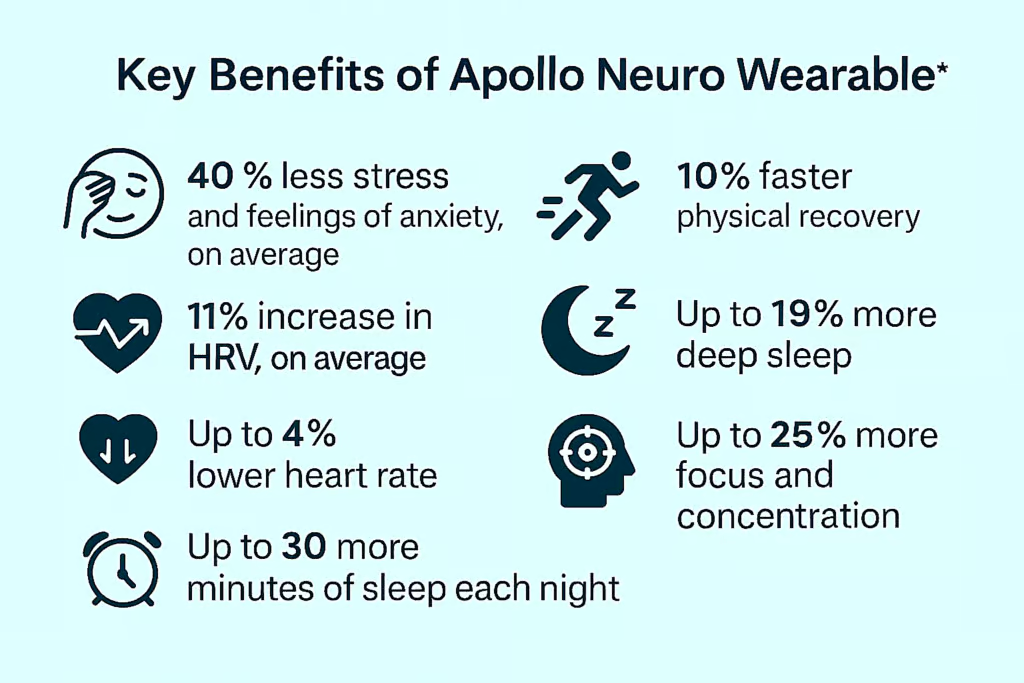
Early study findings report a range of measurable benefits:
- An average 40% reduction in stress and anxiety
- 11% increase in heart rate variability (HRV), a key marker of nervous system balance
- Up to 4% lower resting heart rate
- 10% faster recovery following physical exertion
- Up to 19% more deep sleep per night
- Up to 25% improvement in focus and concentration
- Up to 30 additional minutes of total sleep each night
- Up to 60 minutes of additional sleep when coupled with an Oura Ring using Smart Vibes through the Apollo Neuro App.
These results suggest that consistent use of Apollo Neuro may support resilience, enhance sleep quality, and improve how the body handles stress.
I personally find great benefits using Apollo Neuro for sleep, energy, and improved thinking.
Want to receive $60 off Apollo Neuro plus additional discounts on accessories?
- Use Marty Ross, MD’s partnership account: Go Now >>
Cognitive Behavioral Therapy for Insomnia (CBT-I): The Gold Standard
Dr. Walker strongly recommends CBT-I as the most effective long-term treatment for insomnia—even more effective than sleeping pills, which he cautions against due to their health risks and limited effectiveness.
What CBT-I Includes:
- Sleep restriction to consolidate sleep
- Stimulus control to recondition your bed for sleep only
- Cognitive therapy to reframe anxious thoughts about sleep
- Relaxation techniques such as breathing and mindfulness
CBT-I is widely accessible through online programs and certified therapists and is now considered the first-line treatment for chronic insomnia.
A Sleep Action Plan for Lyme, Tick-borne Disease and Mold Toxicity Recovery
Step 1. Manage Other Medical Conditions That Interfere with Sleep
Sleep apnea, restless leg syndrome, depression, and ongoing pain interfere with sleep. Work with your physician to identify these conditions and treat them as appropriate.
Step 2. Lower Cytokines
As I noted above, excess cytokines in Lyme, tick-borne diseases and mold toxicity interfere with sleep. Lowering them with nutritional supplement support may help.
- Curcumin 500 mg 1 pill 3 times a day. Choose a liposomal product. In such a product, the curcumin is microscopically wrapped in oil like sunflower oil to increase its absorption; or
- Anti-Cytokine Combination 1-2 pills 3 times a day. Anti-cytokine combinations include curcumin, resveratrol, black tea extract, and N-acetyl cysteine (NAC).
Step 3. Practice a Healthy Sleep Promoting Lifestyle
In Why We Sleep, Dr. Walker outlines specific strategies to improve both the quantity and quality of sleep. These are directly applicable to chronic Lyme recovery:
✔ 1. Get 7–9 Hours of Sleep Nightly
- Less than 7 hours impairs healing, brain function, and immune performance.
- Initiating sleep too late interferes with deep sleep. and
- Waking too early interferes with REM sleep.
✔ 2. Stick to a Consistent Schedule
- Go to bed and wake up at the same time daily, including weekends. This helps your circadian rhythm to initiate sleep with the ideal surge in melatonin at the ideal time.
✔ 3. Avoid Caffeine and Alcohol Late in the Day
- Caffeine blocks deep sleep. Because ½ the caffeine you drink is still in you six hours later, stopping all caffeine after 12 PM is best.
- Alcohol fragments REM and increases nighttime awakenings.
✔ 4. Power Down Devices 1 Hour Before Bed
- Blue light suppresses melatonin. Use night mode or blue-blocking glasses if needed.
✔ 5. Optimize Your Sleep Environment and Body Temperature
- Keep the room cool (around 65°F), dark, and quiet. If 65°F is not possible, even a two to five degree drop from the daytime temperature near bed time is helpful.
- Cooling down by taking a hot bath 30 to 60 minutes before bed may help.
- Using your bedroom for sleep and sexual activity is ideal.
- Keep your bedroom dark. Consider using blackout eye masks if necessary.
✔ 6. Exercise is Great Earlier in The Day
- Exercising can help too by heating the body so it can cool down. It also helps build sleep pressure. But exercising right before bed time is too stimulating. Exercise no later than 2-3 hours before bed could help.
✔ 7. Avoid Eating or Drinking Fluids Late at Night
- Large meals late in the evening can cause indigestion that keeps you awake.
- Excessive late fluids leads to night time awakening to urinate
✔ 8. Don’t Take Naps after 3 PM
- Late naps decrease adenosine and sleep pressure.
✔ 9. Don’t Lie Awake in Bed
- If not asleep after 20 minutes, get up and do a relaxing activity like reading.
Step 4. Enhance Sleep with Oura Ring + Apollo Neuro*
If the basic steps above do not work, add the Apollo Neuro wearable I discussed above. When you pair it with an Oura Ring, the Apollo Neuro may provide up to 60 additional minutes of sleep a night.
Apollo Neuro Wearable—Learn More or Purchase
I personally find great benefits using Apollo Neuro for sleep, energy, and improved thinking.
Want to receive $60 off Apollo Neuro plus additional discounts on accessories?
- Use Marty Ross, MD’s partnership account: Go Now >>
Step 5. Add Cognitive Behavioral Therapy for Sleep
CBT is very useful and worth a try before advancing to sleep promoting herbal medicines or sleep medicines. As I noted above, sleep medicines and supplements may act more as sedatives without producing the full benefits of deep sleep and REM sleep. CBT, on the other hand, does produce real sleep full of deep sleep and REM sleep periods.
Final Thoughts
If you have Lyme disease, mold toxicity, or chronic immune dysregulation, prioritizing sleep is one of the most healing actions you can take. With guidance from science-based strategies in Why We Sleep, and the help of tools like the Oura Ring and Apollo Neuro, restorative sleep can become a reality again.
*Disclaimer
The ideas and recommendations on this website and in this article are for informational purposes only. For more information about this, review the site wide Terms & Conditions.
Apollo Neuro is not intended to treat or cure any medical conditions and is not a substitute for professional medical care. These statements have not been evaluated by the United States Food and Drug Administration [FDA]. Individual results vary. Speak to your doctor if you have questions and to discuss solutions that may be appropriate for you.
References

About The Author
Dr. Marty Ross, MD is a passionate Lyme disease educator and clinical expert. He helps Lyme sufferers and their physicians see what really works based on his review of the science and extensive real-world experience. Dr. Ross is licensed to practice medicine in Washington State (License: MD00033296) where he has treated thousands of Lyme disease patients in his Seattle practice.
Dr. Marty Ross, MD is a graduate of Indiana University School of Medicine and Georgetown University Family Medicine Residency. He is a member of the International Lyme and Associated Disease Society (ILADS), The Institute for Functional Medicine, and The American Academy of Anti-Aging Medicine (A4M).